
Convenience has always had a price. What is changing now is how visible that price has become.
The menu on your phone is often not the real menu
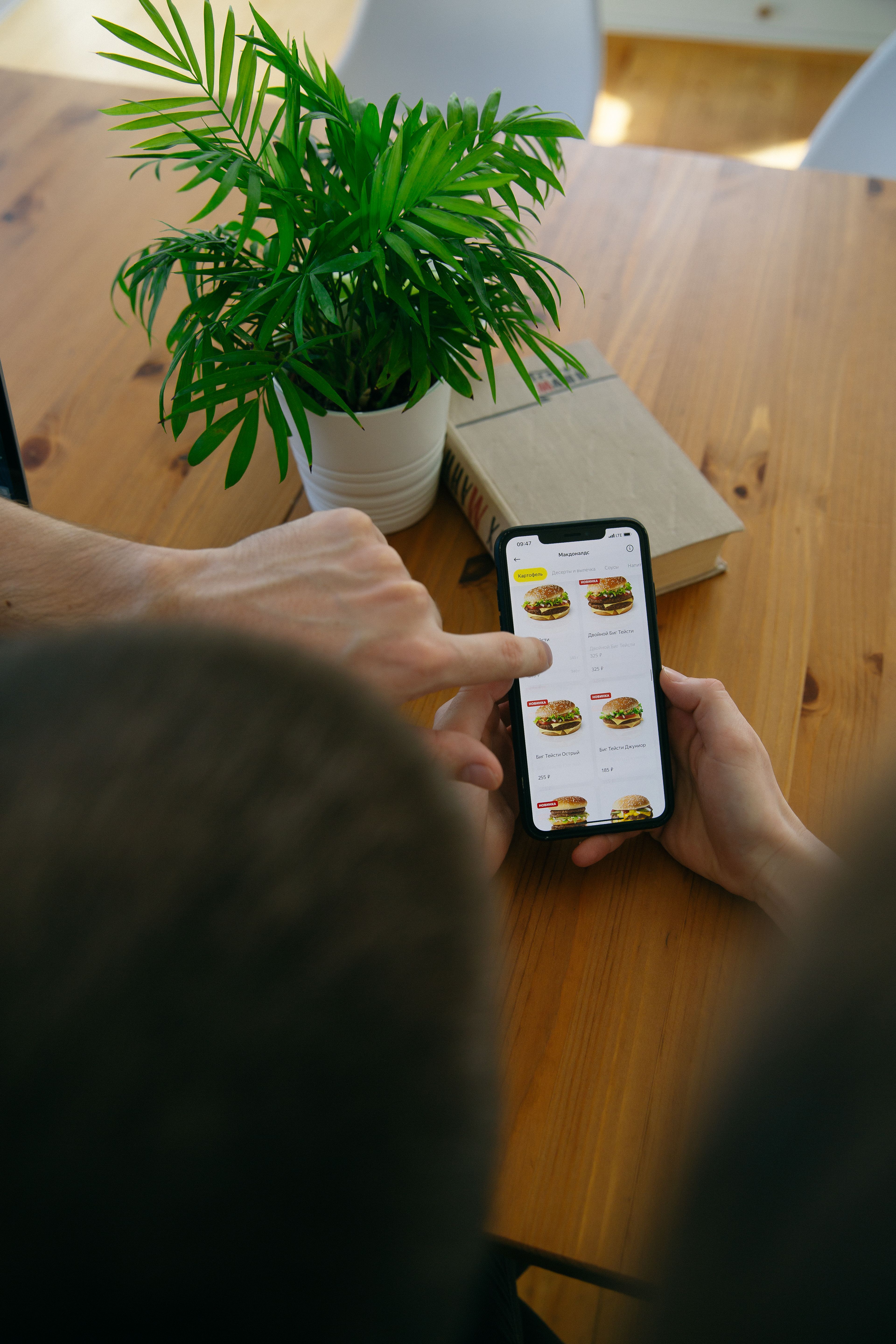
At first glance, food delivery apps look like a digital copy of a restaurant's menu. In practice, many customers are seeing higher prices for the exact same burger, salad, or burrito they could buy in person for less. A meal listed at $12 in the restaurant may appear at $14 or $15 on an app before any fees are added. That difference is what triggers the first wave of frustration.
The reason is usually not a simple mistake. Restaurants often raise app prices to offset the commission charged by delivery platforms, which can range from roughly 15% to 30% depending on the service plan and market. Industry reporting from outlets including Reuters has repeatedly shown that these commissions can heavily squeeze restaurant margins. To protect profit, some operators quietly build that cost into the listed menu price.
Customers are not always told this clearly. A diner comparing receipts may discover they paid more for the food itself, then paid additional service charges, delivery fees, and tips on top of that. The anger comes from feeling that the app presented convenience as straightforward, while the final bill reveals a far more layered pricing structure.
Fees are stacking up faster than many diners realize
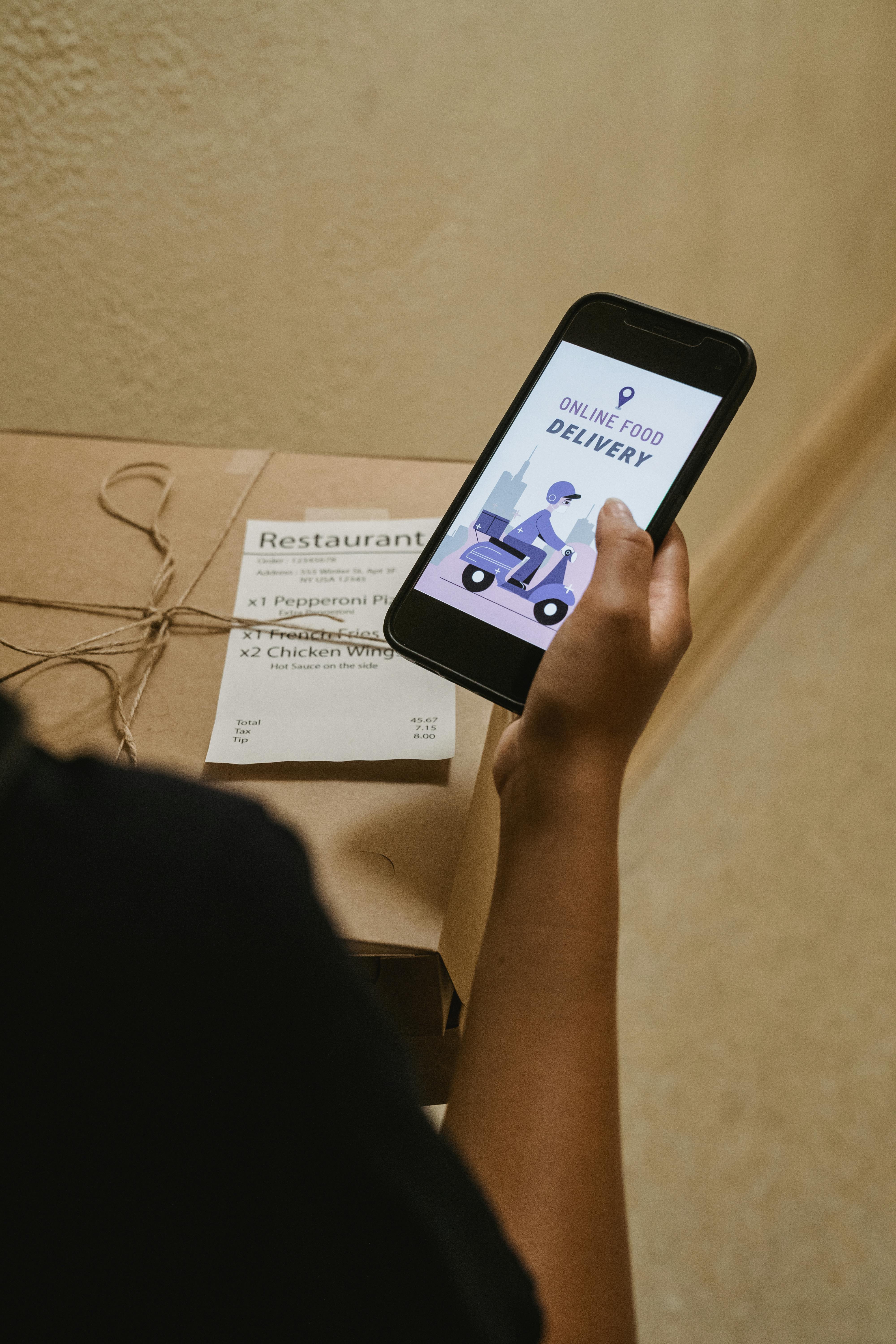
The sticker shock rarely comes from one charge alone. It is the pileup that turns a simple takeout dinner into a bill that feels inflated. After the higher menu price, customers commonly face a delivery fee, a service fee, small-order fees in some cases, taxes, and then the expected tip for the driver. By checkout, a modest meal can cost dramatically more than expected.
This is one reason complaints have become so widespread on social media and consumer forums. People are not just upset about paying extra for delivery. They are upset because the total increase can feel disconnected from the value received, especially when the food arrives late, cold, or incomplete. A $15 restaurant meal can quickly become a $25 or even $30 purchase without adding anything new to the order itself.
Behavioral economists have long noted that consumers react strongly to fragmented pricing. A low-looking initial number creates a sense of affordability, but hidden or late-stage charges produce distrust. In food delivery, that distrust is growing because customers now know the app's first price often tells only part of the story.
Restaurants say they are under pressure too
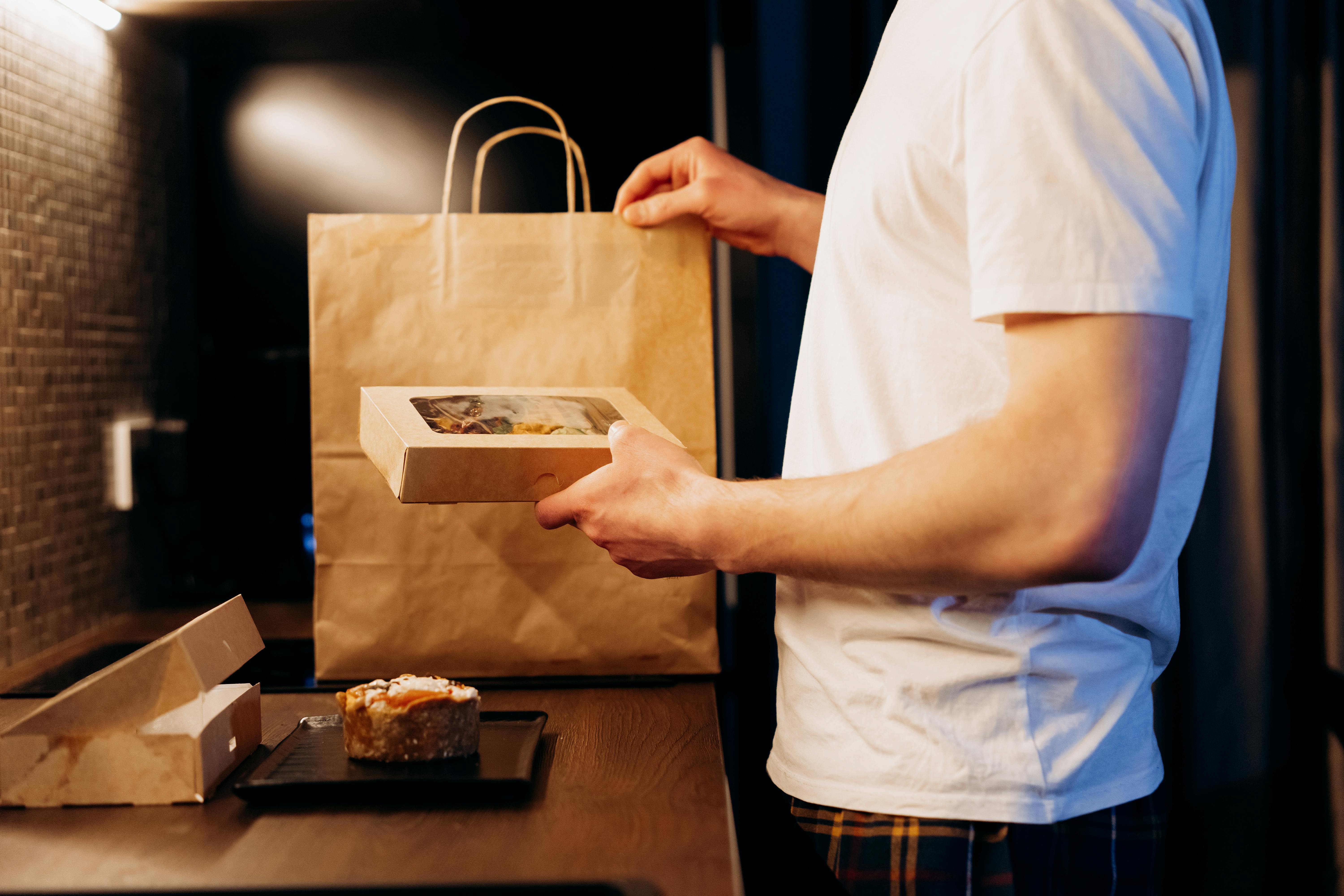
It is easy to assume restaurants are simply overcharging app users, but the economics are more complicated. Many restaurants operate on thin margins even before paying a third-party platform. Labor, ingredients, rent, packaging, and utilities have all risen sharply in recent years. Adding a large delivery commission can turn a profitable menu item into a weak one.
That pressure explains why some businesses create separate pricing for in-store and app-based customers. To restaurant owners, the higher app price is less a bonus than a survival tactic. Packaging for delivery also costs more than plating food for dine-in service, and order errors or refunds can add another layer of loss that customers never see.
Some major chains are better positioned to absorb those costs because they negotiate lower fees or have stronger scale. Independent restaurants usually do not have that leverage. As a result, neighborhood eateries may appear expensive on apps not because they are greedy, but because they are trying to stay visible on platforms that many customers now rely on.
Customers feel misled, and that is driving the backlash
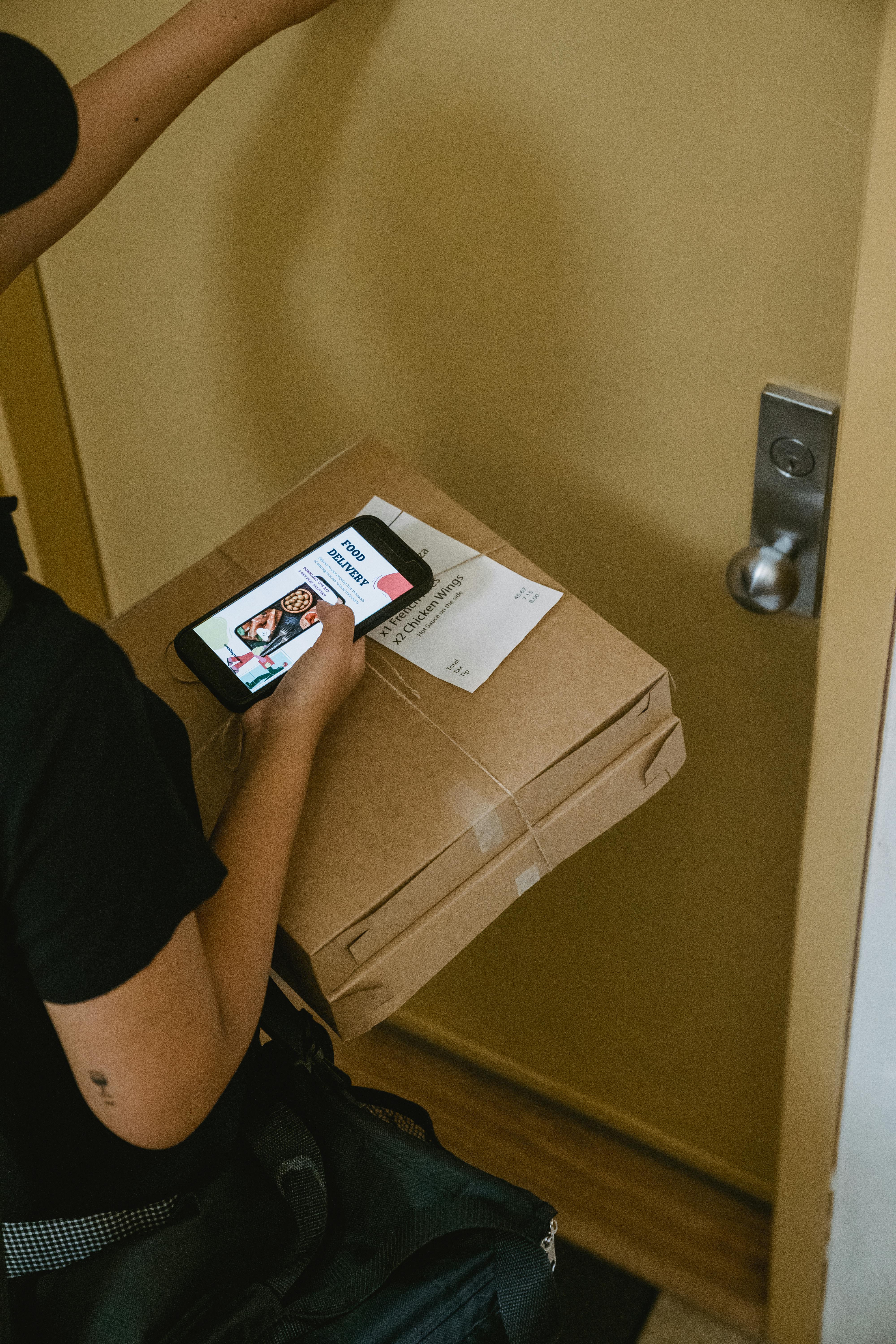
The public anger is not just about math. It is also about trust. Many users assumed food delivery apps were charging for convenience through clear delivery fees, not by quietly changing the base price of the meal. Once people realize the same dish costs more before checkout even begins, the relationship feels less transparent.
This explains why customer frustration has become emotional as well as financial. Consumers often accept higher prices when they believe the value is obvious and honest. Airlines, hotels, and ticket sellers have faced similar criticism for years when fees appear late in the process. Delivery apps are now drawing that same kind of scrutiny because people increasingly see the model as opaque.
There is also a fairness question. If a restaurant meal is already marked up and the app still adds multiple charges, customers want to know exactly who is getting paid and why. Without that clarity, every extra dollar feels suspicious, even when some of the cost is going to the driver or covering platform operations.
Regulators and lawmakers are paying closer attention

This debate is no longer limited to annoyed customers and defensive restaurants. Local governments in several cities have previously capped delivery commissions during emergency periods, especially when restaurants were heavily dependent on off-premise orders. Those actions brought attention to how strongly platform fees can shape menu prices and restaurant decisions.
Consumer advocates have also pushed for clearer fee disclosures. The main argument is simple: if a meal costs more on an app than in the restaurant, that should be obvious before the customer reaches the payment screen. Transparency does not eliminate higher prices, but it gives people a fairer chance to decide whether the convenience is worth the premium.
The broader policy question is whether app-based ordering should be treated like any other marketplace with stricter pricing rules. Lawmakers have not settled that issue, but pressure is building. As digital ordering becomes normal rather than occasional, the expectation for honest, upfront pricing grows stronger.
What diners can do to avoid overpaying
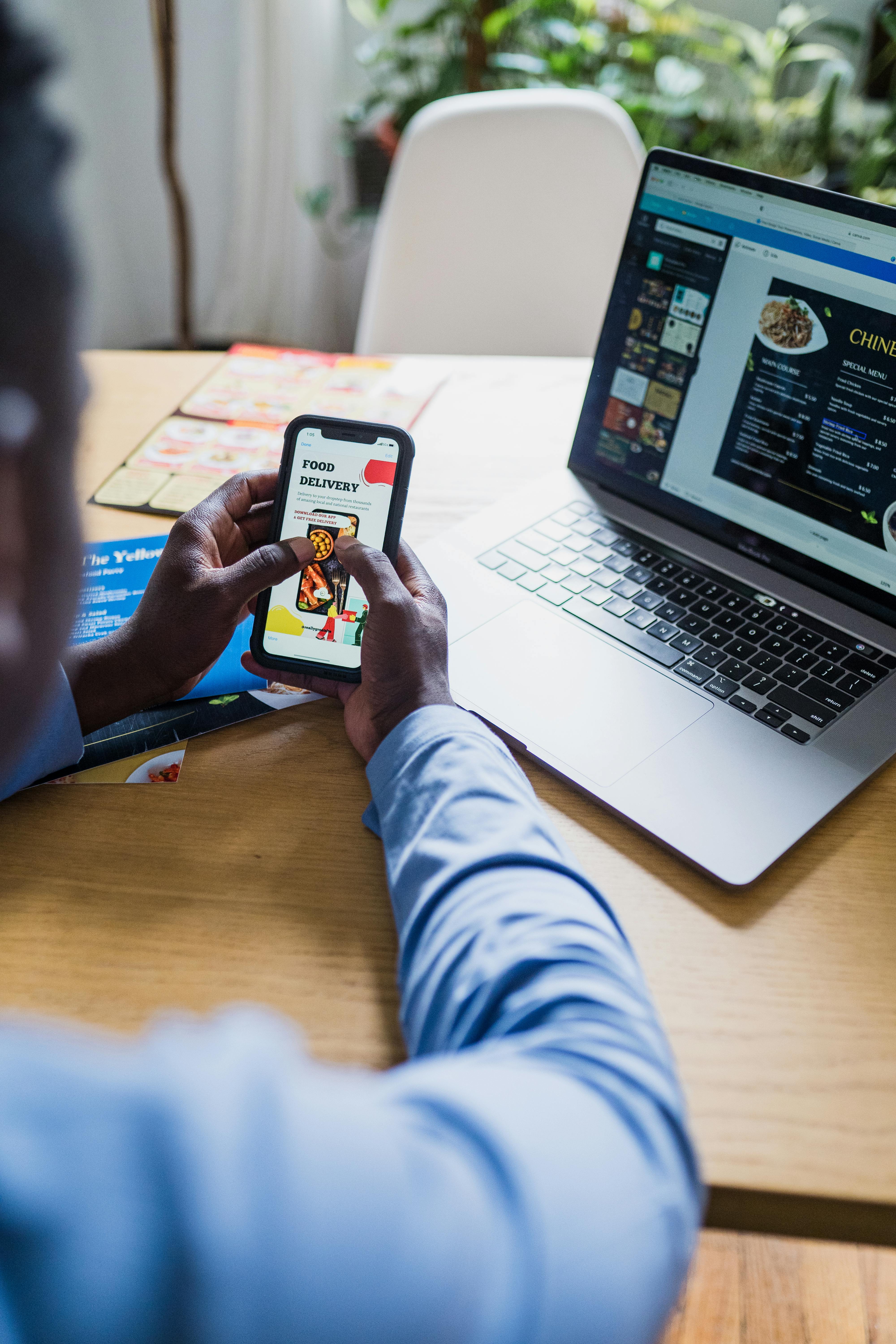
The most effective strategy is still the simplest one: compare prices. If a restaurant has its own website or offers direct pickup, customers can often save a meaningful amount by ordering there instead of through a third-party platform. Even a quick comparison can reveal whether the app menu itself is marked up before fees are added.
Timing and order size also matter. Small orders tend to absorb fees poorly, making the cost jump feel more severe. Grouping items into one purchase or choosing pickup instead of delivery can reduce the premium. Some diners also reserve apps for situations when convenience truly matters, rather than using them as the default for every meal.
The outrage surrounding delivery apps is ultimately a response to a value equation that no longer feels reasonable. People understand that convenience costs money. What they reject is the sense that the real price is being revealed in stages, after the decision to order has already been made.



Leave a Reply