
Burgers still matter, but they no longer tell the whole fast food story. The biggest menu moves now are happening around chicken, drinks, snackable items, and low-cost bundles designed for more frequent visits.
Chicken has become the real growth engine
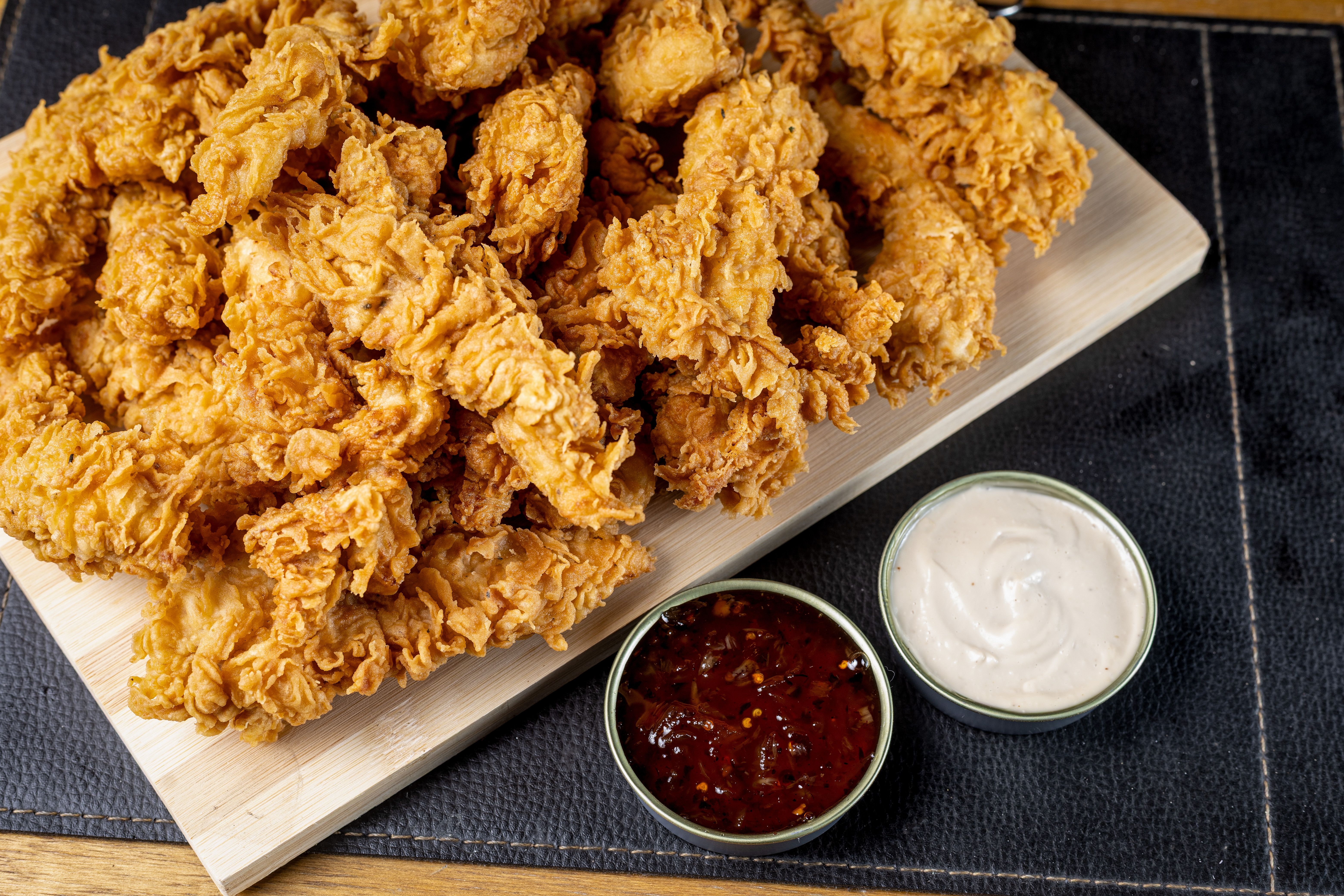
The clearest sign of change is where chains are placing their biggest bets. Instead of leading with larger burgers or premium beef builds, many brands are expanding crispy chicken sandwiches, wraps, tenders, and boneless offerings that travel well and appeal to a broad age range.
That shift is backed by performance. Restaurant analysts have repeatedly pointed to chicken as one of the strongest menu categories because it works across lunch, dinner, and late-night occasions. It also gives brands room to offer spicy versions, limited-time sauces, and regional flavors without rebuilding the entire kitchen system.
Consumers are helping drive that momentum. Chicken is often seen as lighter, more versatile, and easier to customize than a traditional burger. For chains trying to balance cost, craveability, and speed, it has become one of the safest places to innovate.
Beverages are doing more strategic work than ever
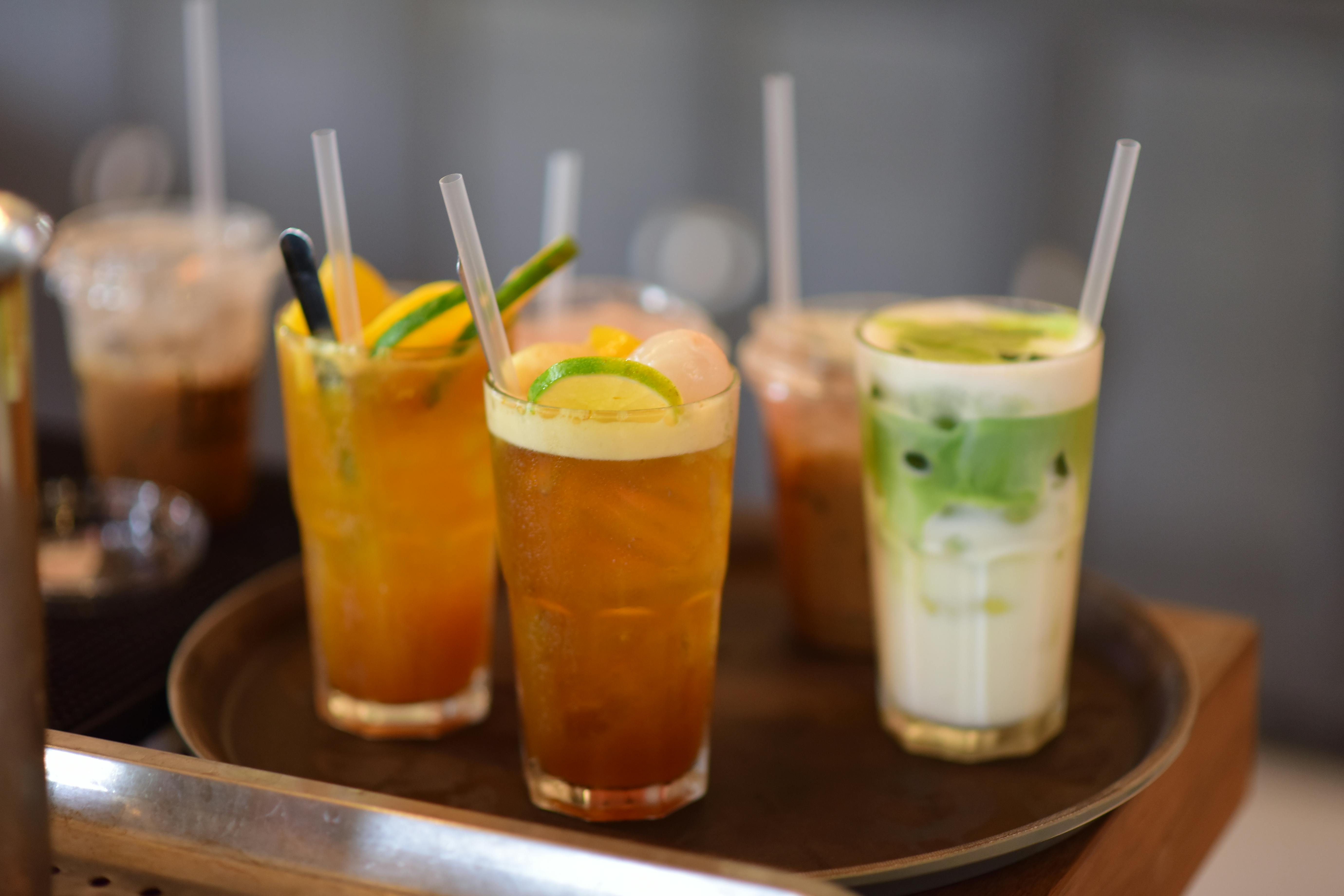
One of the most important menu changes is happening in the cup. Cold coffees, lemonades, refreshers, shakes, energy drinks, and flavored sodas are increasingly central because they carry strong margins and can lift the total check without requiring a full meal purchase.
This matters in a slower spending environment. According to company earnings commentary across the industry, customers are more selective about big-ticket meals, but they still respond to smaller indulgences. A specialty drink can feel like an affordable treat even when a full combo seems expensive.
Chains have noticed. More restaurants are building promotions around afternoon drinks, seasonal flavors, and add-on desserts instead of focusing only on sandwich launches. In practical terms, that means the future of fast food competition may look as much like beverage retailing as traditional burger marketing.
Value menus are being rebuilt for a cautious customer
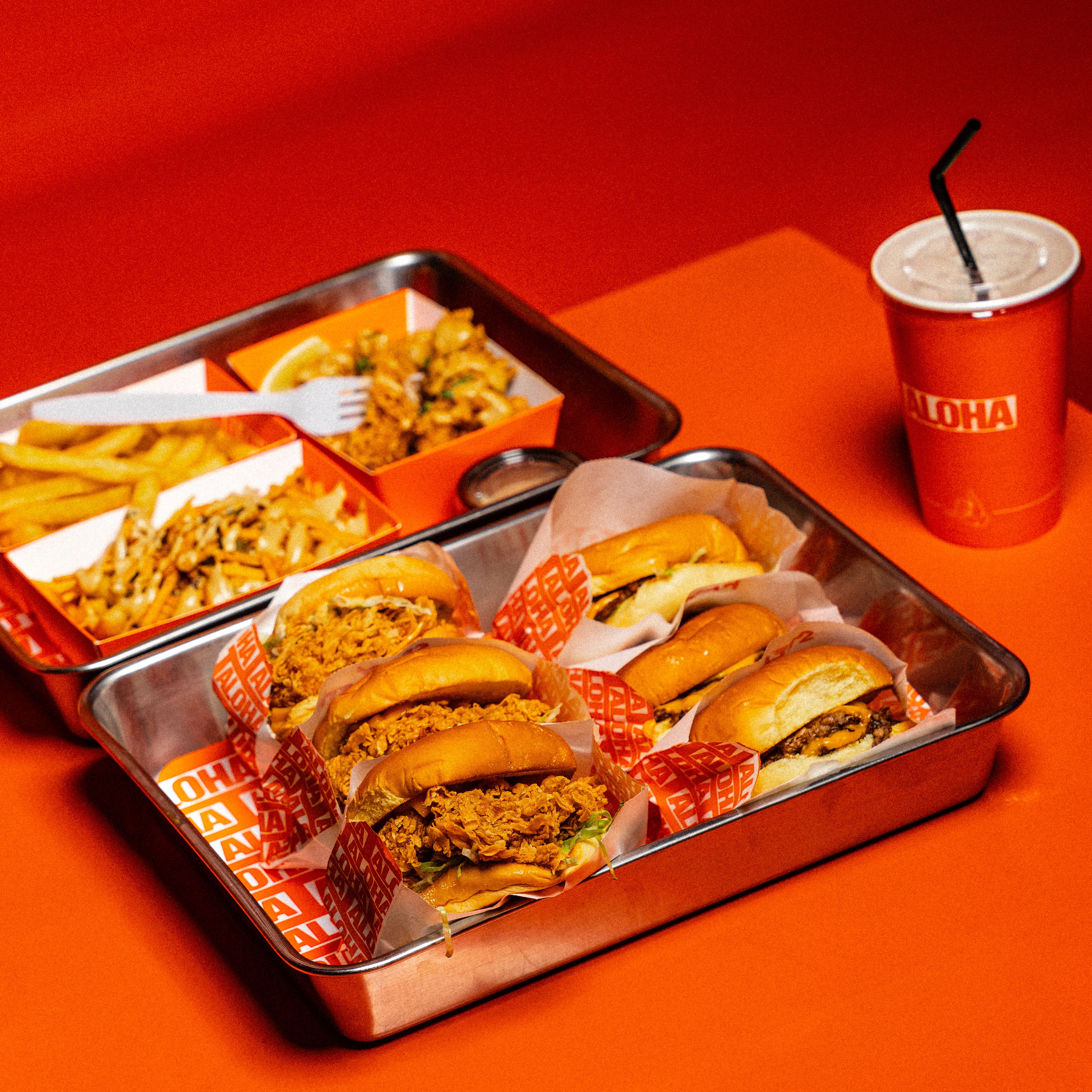
Price has become impossible to ignore. Inflation reshaped how often many households eat out, and fast food brands that once leaned on convenience alone are now under pressure to prove that a quick meal still feels worth the money.
That is why value platforms are returning in new forms. Instead of simply offering a dollar menu, chains are assembling app deals, meal bundles, buy-one-get-one promotions, and limited price-point offers that protect traffic while still encouraging customers to add fries or drinks.
The goal is not just cheap food. It is to create a sense of control for diners who may be trading down, splitting purchases, or visiting less often. In that environment, value is not a side tactic. It has become a central menu strategy.
Snacking and portability are shaping product design
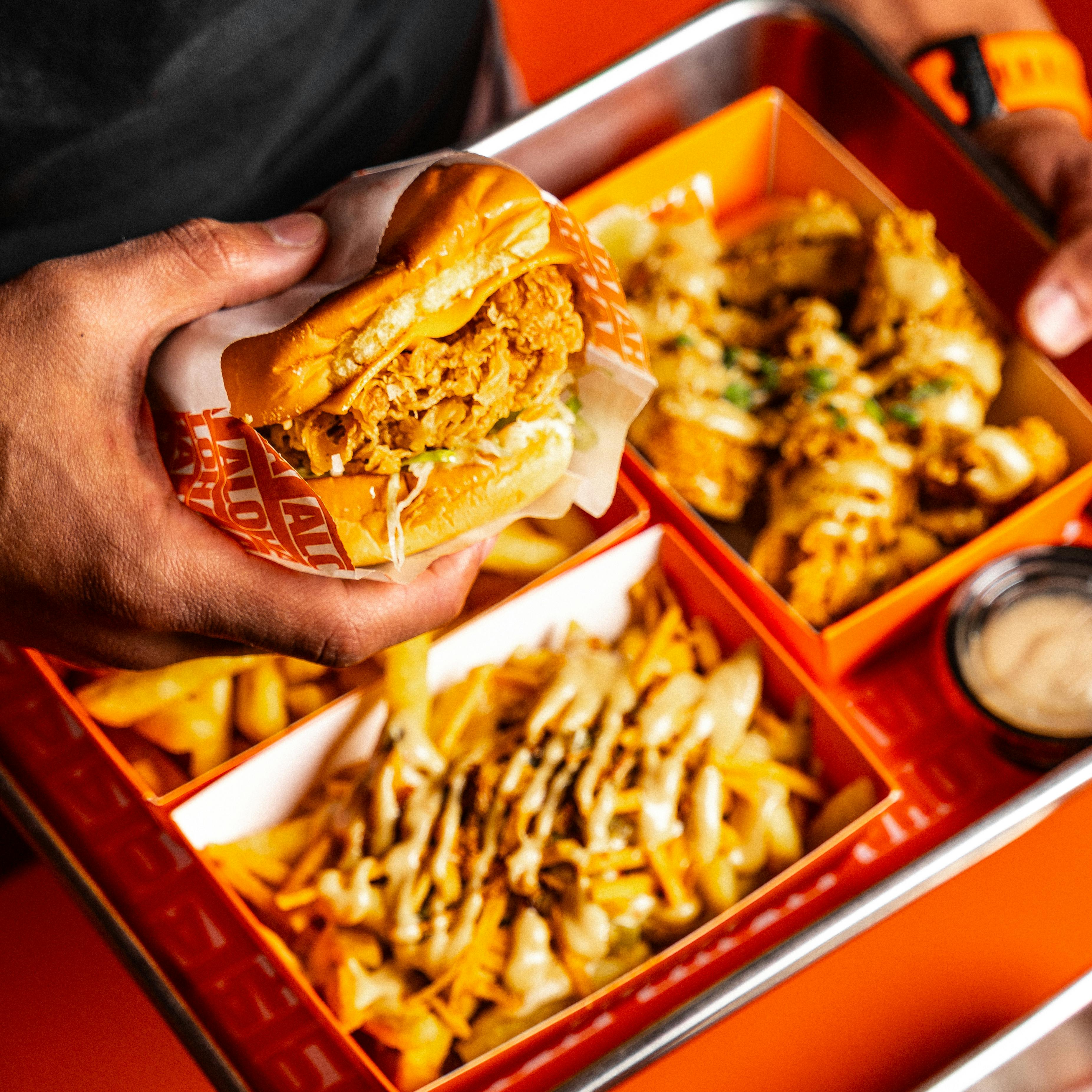
Another major shift is the rise of foods built for in-between moments. Fast food is no longer competing only for lunch and dinner. It is chasing snack runs, commute stops, late-night cravings, and quick app orders that need to be easy to eat and easy to package.
That explains the expansion of wraps, mini desserts, loaded fries, shareables, and bite-sized chicken items. These products are often cheaper to enter with than a full meal, and they give chains more ways to generate repeat visits across different times of day.
Portability also affects execution. Foods that hold texture during delivery and travel cleanly in the car have a clear advantage. In a business increasingly shaped by drive-thru, pickup, and third-party delivery, operational practicality matters almost as much as flavor.
Digital ordering is changing what gets put on menus
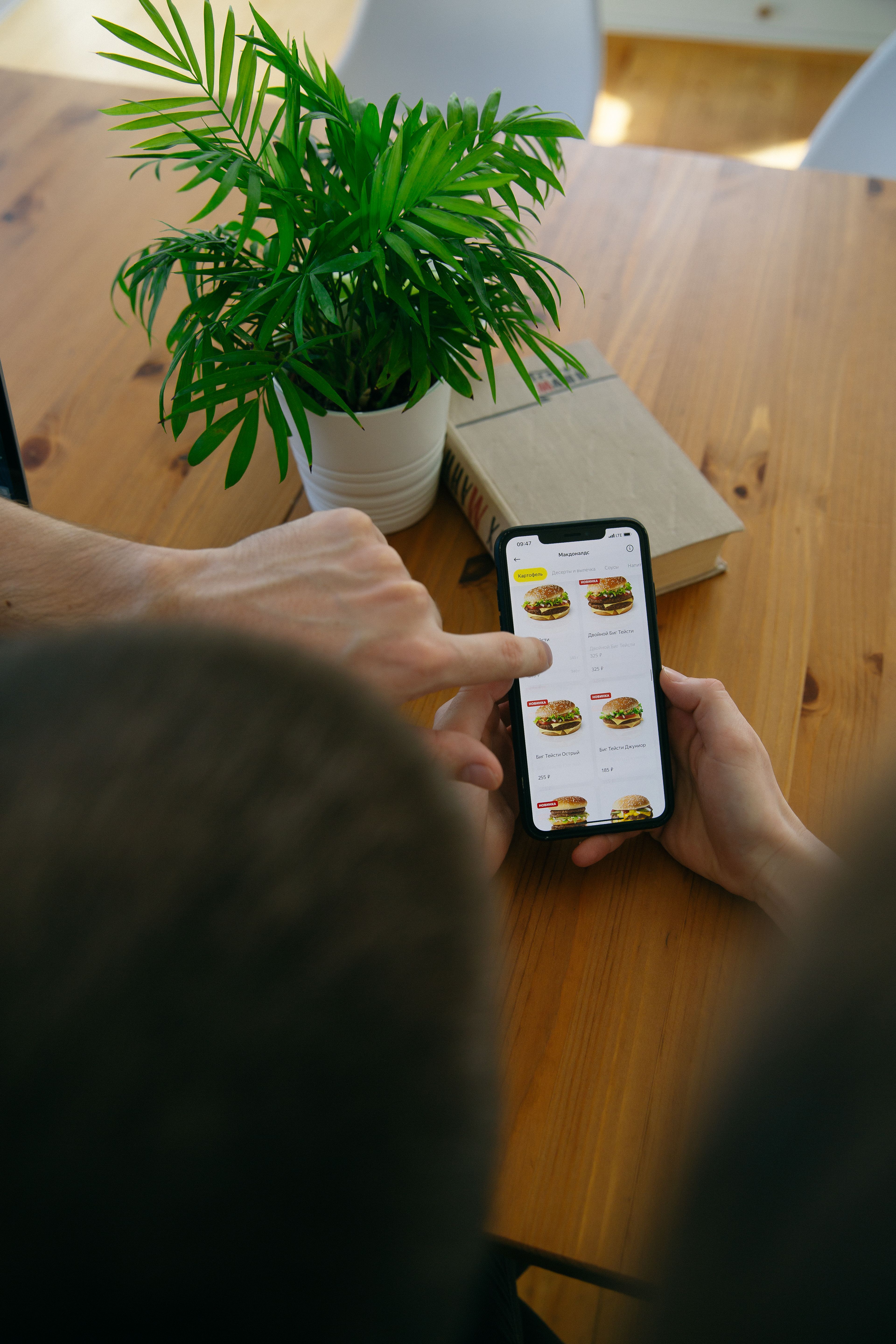
Menus now have to work on screens first. A product that photographs well, bundles neatly, and can be customized in a few taps has a better chance of standing out in an app than an item that needs a long explanation or creates too many kitchen complications.
That has real consequences. Chains are using digital channels to test exclusive bundles, early access launches, and personalized offers based on buying habits. A burger may still anchor the brand, but the app often decides which add-ons, sides, and beverages get the strongest push.
Digital systems also produce better data. Brands can see when customers buy coffee with breakfast sandwiches, or when spicy chicken lifts evening orders. That information helps shape future menus, turning product development into a more precise and less instinct-driven process.
The modern fast food menu is built around frequency

The smartest chains are no longer asking only what their signature sandwich should be. They are asking how to win more occasions per week from the same customer, whether that means breakfast coffee, an afternoon snack, a value dinner, or a late-night dessert run.
That broader approach explains why burgers have become just one part of the strategy. Even iconic burger brands are acting more like all-day convenience businesses, using drinks, chicken, sweets, and targeted offers to stay relevant from morning to midnight.
In the end, the latest menu shift is about traffic, flexibility, and habit-building. Burgers remain important to brand identity, but growth is increasingly coming from categories that feel more adaptable to today's budgets, routines, and digital ordering behavior.


Leave a Reply