
Canadians are seeing a quiet but meaningful change every time they sit down to eat. Menus are no longer just selling dishes. They are explaining them.
Diners want clarity, not clever wording

A growing share of restaurant customers now expect plain, direct language about what they are ordering. Vague descriptions like "chef's special sauce" or "artisan blend" are losing ground to ingredient-specific wording that tells people what they are actually eating.
That shift is tied to trust. Consumers have become more label-aware in grocery stores, and they are bringing that same mindset into restaurants. If packaged food must spell out ingredients, many diners now feel restaurant menus should offer similar honesty, especially when prices are higher than they were a few years ago.
Restaurants have also learned that specificity can increase confidence at the table. A burger described as "Canadian beef, brioche bun, dill pickles, aged cheddar, garlic aioli" is easier to understand than a more poetic but less clear description. Better understanding often leads to faster ordering and fewer disappointed guests.
Allergies and dietary needs are a major driver

For many people, menu detail is not just helpful. It is essential. Food allergies, celiac disease, lactose intolerance, and other dietary restrictions have pushed restaurants to be much more precise about ingredients, preparation methods, and cross-contact risks.
Health Canada has long emphasized the seriousness of priority allergens, including peanuts, tree nuts, milk, eggs, sesame, soy, wheat, mustard, fish, shellfish, and sulfites. As public awareness has grown, diners have become more likely to ask direct questions about hidden ingredients in dressings, marinades, spice mixes, and desserts.
That pressure has changed menu writing. More establishments now identify gluten-free items, dairy-free substitutions, and common allergens directly on the menu or through QR code systems. Some also include short kitchen notes so guests know whether an item is made in a shared fryer or prepared on shared surfaces.
Ingredient sourcing has become part of the sales pitch
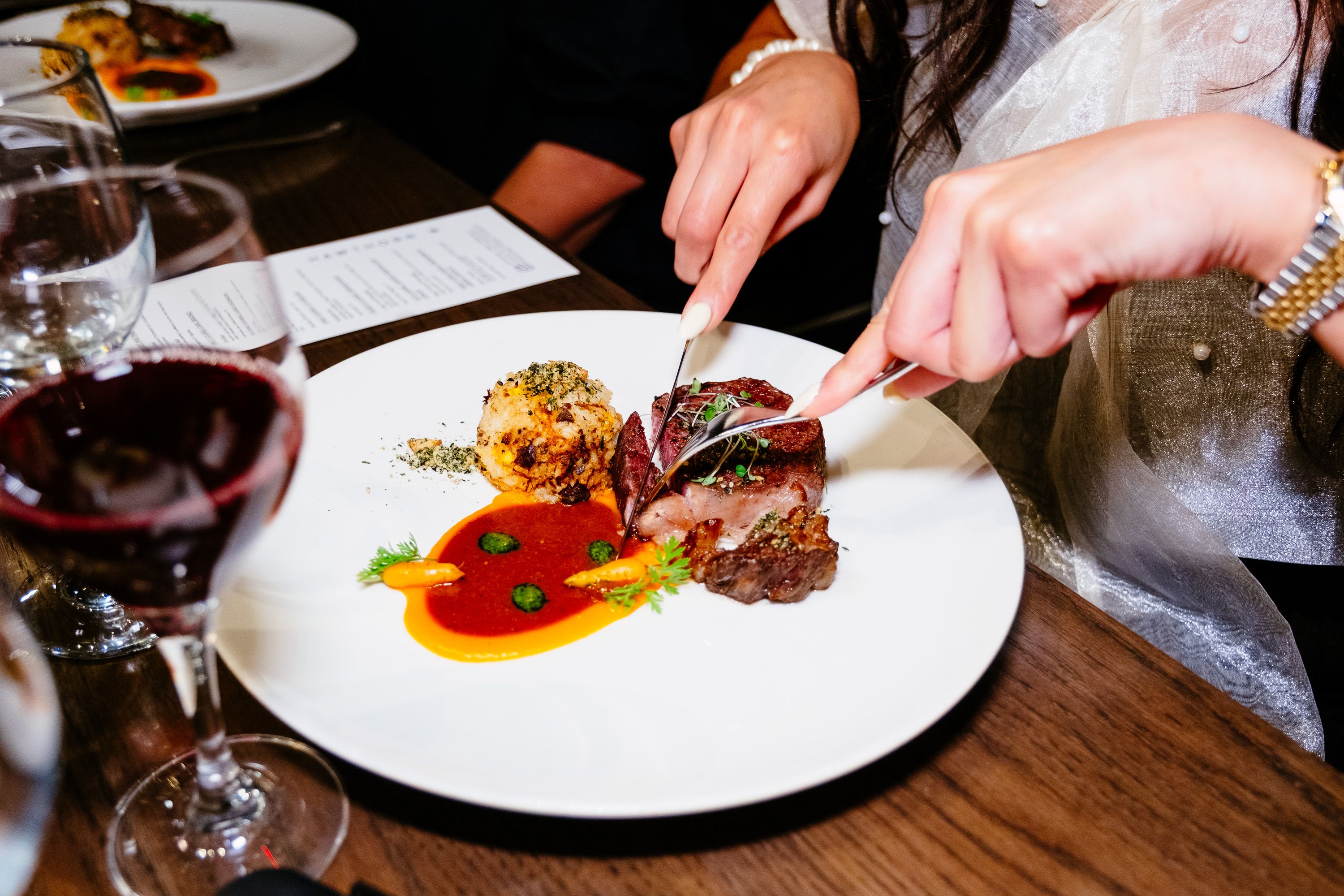
Another reason menus are getting more specific is that ingredients now carry marketing value. Restaurants know many customers care where food comes from, whether that means Atlantic salmon, Alberta beef, Ontario peaches, or produce from a nearby farm.
The local-food movement helped drive this change, but it has broadened into a bigger demand for transparency. Diners often want to know whether seafood is wild or farmed, whether meat is raised without certain antibiotics, or whether eggs are free-run. Specific terms suggest accountability, even if customers do not ask for proof every time.
This is especially visible in independent restaurants and premium chains. A menu that names a region, producer, or method can make a dish feel more credible and more worth its price. In a competitive market, details about sourcing help restaurants stand out without changing the dish itself.
Nutrition rules changed how menus communicate

Policy has also shaped what people now see on menus. Ontario's calorie-labeling rules for chain restaurants, introduced under the Healthy Menu Choices Act, made nutritional disclosure far more visible in one of the country's largest dining markets.
Even outside Ontario, the effect has spread. Large brands often prefer consistency across provinces, so menu design changes made for one jurisdiction can influence national standards. Once calorie counts and nutrition disclaimers became normal in major chains, ingredient specificity felt like a natural next step.
At the same time, public debate around ultra-processed foods, sodium intake, and added sugars has raised expectations. Diners may not read every number, but they increasingly notice when a menu explains whether a smoothie contains real fruit, whether soup is made in-house, or whether a meat alternative contains soy or pea protein.
Digital menus make detail easier to add
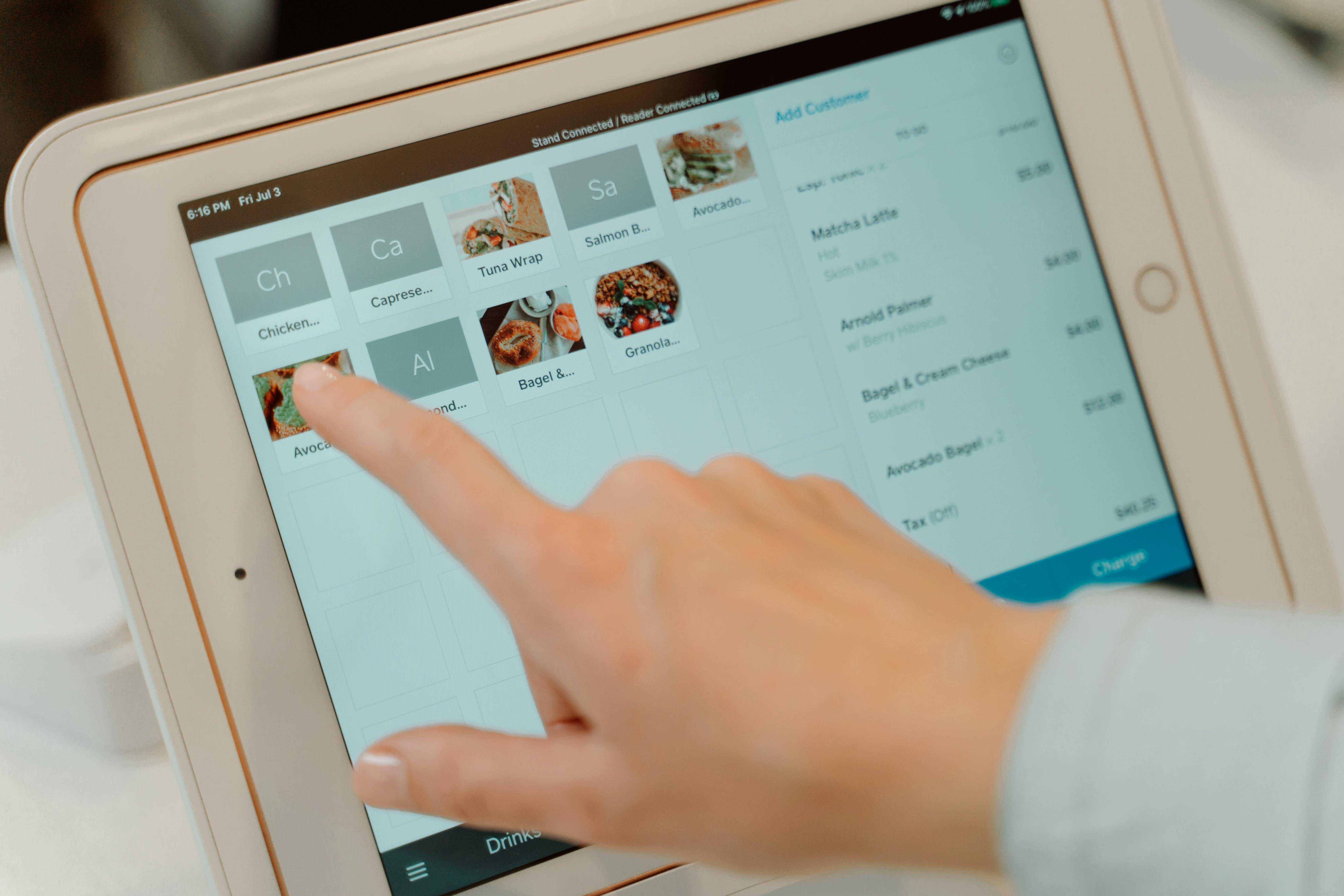
Technology has made specific menu language much easier to manage. Printed menus have limited space, but digital boards, restaurant apps, and QR code menus allow businesses to provide more information without cluttering the main dish description.
That matters because recipes change. Prices shift, suppliers rotate, and seasonal items come and go. With digital systems, restaurants can quickly update ingredients, note substitutions, or flag temporary allergen concerns without waiting for a full reprint.
This flexibility is useful for both chains and independents. A café can note that its soup contains sunflower seeds instead of pumpkin seeds that week. A national brand can standardize allergy disclosures across locations. The result is a menu that is more responsive and often more accurate than older static formats.
Specificity is becoming a long-term expectation

What started as a mix of regulation, health concerns, and marketing is turning into a new standard. Detailed menu language now signals professionalism. It tells customers that a restaurant knows its product and respects the diner's right to make an informed choice.
That does not mean every menu will become a technical document. Good restaurants still need appealing descriptions and a sense of personality. But the strongest menus are increasingly those that combine appetite appeal with concrete facts about ingredients, sourcing, and preparation.
In Canada, this trend is likely to deepen, not fade. As food prices remain sensitive and health awareness keeps rising, diners will continue to reward restaurants that are open, specific, and easy to understand. Clear menus are no longer a niche feature. They are becoming part of basic service.




Leave a Reply