
Most food worries focus on what seems extreme. In reality, the bigger threat often comes from ordinary foods that show up in Canadian kitchens every single day.
Familiar Foods Can Hide the Biggest Risks

What people eat often matters more than what they fear occasionally. A single fast-food meal may feel like the problem, but repeated exposure to high sodium, refined grains, added sugars, and processed fats does far more damage over time.
Health Canada and Statistics Canada data have long pointed to a similar pattern. Many Canadians consume too much sodium and too many ultra-processed foods, while falling short on vegetables, fruit, whole grains, and plant-based proteins.
That gap matters because chronic disease is built quietly. High blood pressure, type 2 diabetes, heart disease, and some cancers are not usually caused by one dramatic food incident, but by years of ordinary eating habits that feel normal and safe.
Processed Meats Still Get a Free Pass

Bacon, deli turkey, sausages, and pepperoni are deeply woven into Canadian eating habits. They appear in school lunches, breakfast plates, party trays, and quick dinners, which gives them an aura of convenience and harmless familiarity.
Yet processed meat is one of the clearest examples of a food people underestimate. The World Health Organization's cancer research arm classified processed meat as carcinogenic years ago, based on evidence linking regular intake to colorectal cancer.
The concern is not just fat content. Processing methods often involve sodium, nitrites, smoking, and preservatives, all of which can contribute to health risks when these foods are eaten frequently rather than occasionally.
Sugary Drinks Are Still Misread as Minor Treats

Soft drinks are easy to blame, but sweet beverages extend far beyond pop. Sweetened coffees, energy drinks, flavoured waters, fruit cocktails, iced teas, and large restaurant smoothies can deliver heavy sugar loads with little satiety.
That makes them especially risky in a daily diet. A drink can add hundreds of calories quickly, yet people usually do not compensate by eating less later, which helps explain their strong link to weight gain and metabolic disease.
Canadian public health experts have repeatedly warned that liquid sugar behaves differently from whole foods. It is easy to consume in excess, and many products marketed as refreshing or energizing still function nutritionally as desserts in a cup.
Salty Convenience Foods Shape Everyday Intake

The biggest sodium sources are not always the saltiest-tasting foods. Bread, soups, frozen meals, pizza, sauces, cheese, and restaurant sandwiches can steadily raise intake because they are eaten so often and in combinations throughout the day.
This is where perception fails many households. A person may skip the salt shaker and believe they are eating carefully, while packaged and prepared foods quietly push them well beyond recommended sodium limits.
Excess sodium is strongly tied to hypertension, a major risk factor for stroke, heart attack, kidney disease, and heart failure. Because the effect builds gradually, these routine foods rarely trigger immediate alarm despite their long-term consequences.
Ultra-Processed Snacks Feel Safer Than They Are

Packaging can make risk look controlled. Portion packs, baked chips, granola bars, crackers, sweetened yogurt, and breakfast cereals are often marketed as balanced, active-lifestyle choices even when they remain highly processed and nutritionally weak.
Research in recent years has linked high ultra-processed food intake to poorer overall diet quality and greater risk of obesity, cardiovascular disease, and other health problems. The mechanism is not one ingredient alone, but the overall food matrix and eating pattern.
These products are designed for convenience, repeat use, and palatability. That combination can encourage overconsumption while displacing foods that offer fibre, protein quality, micronutrients, and the slower digestion that helps people feel full and satisfied.
Safety Should Mean More Than Avoiding Food Poisoning
Many people hear the word safe and think of bacteria, recalls, or expiry dates. Those issues matter, but nutritional safety deserves equal attention because foods can be microbiologically safe and still harmful when they dominate the diet.
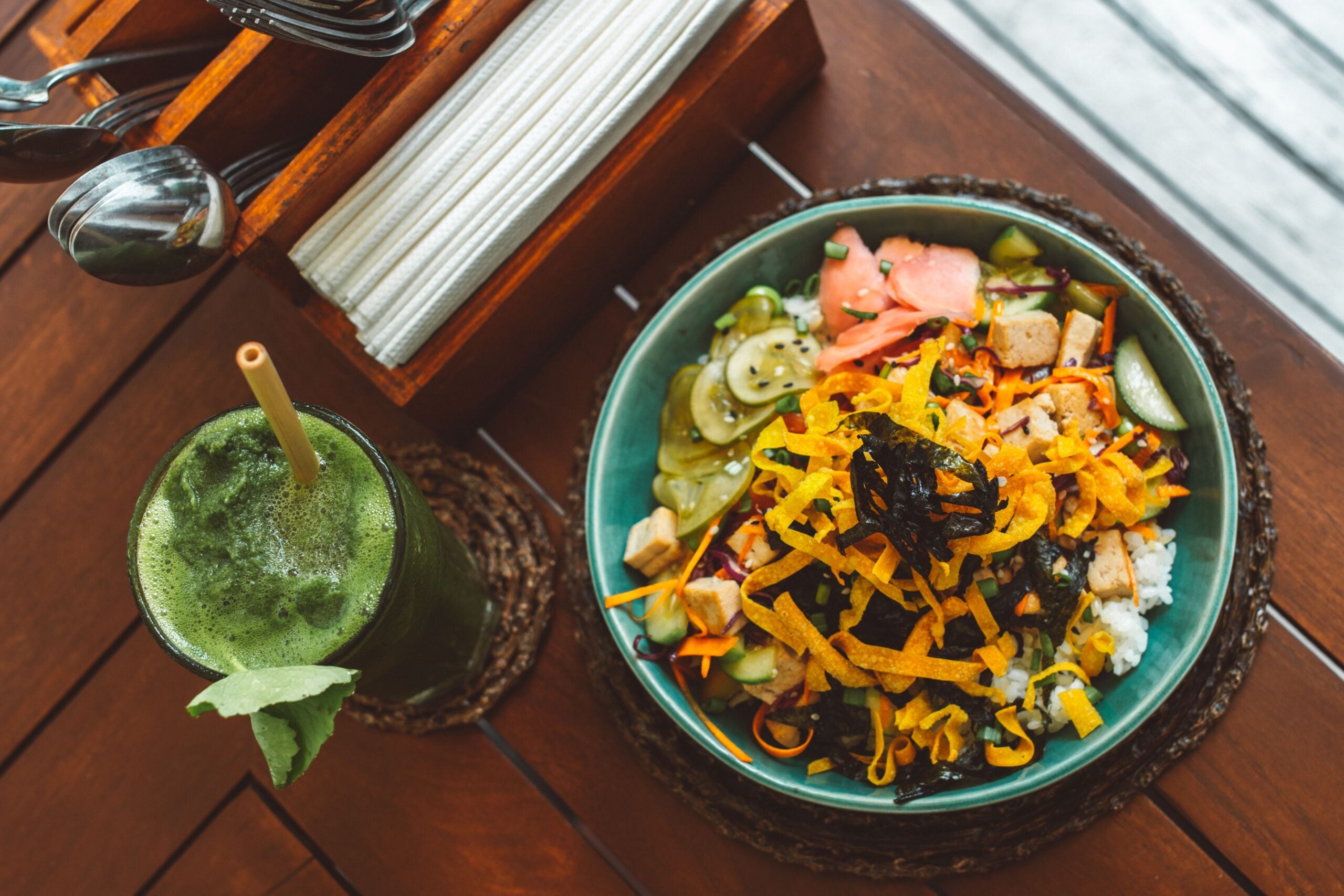
A safer everyday pattern is not complicated, though it does require honesty about routine choices. Meals centered on vegetables, beans, lentils, fruit, fish, eggs, yogurt, nuts, and whole grains generally lower the risks tied to heavily processed staples.
For Canadians, the real shift is mental as much as nutritional. The most familiar foods are not automatically the safest, and the quietest risks are often the ones repeated so often that they stop looking like risks at all.




Leave a Reply