
Most Canadians know salmon, maple, and poutine. Far fewer have heard of kelp, even though it may be one of the country's most promising food trends.
Why kelp is suddenly getting serious attention

What makes kelp different is that it arrives with both culinary appeal and a strong environmental case. This large brown seaweed grows in cold ocean waters, including along Canada's Atlantic and Pacific coasts, and it does not need fresh water, fertilizer, or arable land. In an era of climate pressure and rising food costs, that matters.
Researchers and food policy experts have increasingly pointed to sea vegetables as a practical part of future diets. Kelp contains iodine, fiber, and minerals, and some varieties offer a naturally savory taste that chefs value. That umami quality makes it useful in broths, seasonings, salads, and snacks without demanding major changes from diners.
Canada is especially well positioned because it has vast coastlines and an established seafood sector. For producers looking to diversify, kelp farming can complement shellfish and finfish operations. That has helped move the ingredient from niche health-food shelves into broader conversations about domestic food production.
From coastal harvest to restaurant menus

The restaurant world often gives unfamiliar ingredients their first push into public awareness. In Canada, chefs have been experimenting with kelp in ways that feel approachable, not exotic. Instead of presenting it as a novelty, they are folding it into pasta dishes, compound butters, pickles, soups, and even bread.
That strategy matters because adoption usually depends on familiarity. Diners may hesitate at a plate labeled seaweed, but they are much more open to a kelp seasoning on fries or a kelp-rich stock in seafood chowder. The ingredient works best when it enhances dishes people already understand and enjoy.
Some food companies are making similar moves in packaged products. Kelp appears in spice blends, broths, crackers, and salty snacks aimed at shoppers who want local ingredients and cleaner labels. As with oats or pulses before it, broad success may come not from one signature dish but from many quiet uses across the market.
The sustainability argument is unusually strong

Every major food trend now needs a convincing environmental story, and kelp has one of the clearest. Unlike many land crops, it requires no irrigation and no synthetic inputs to grow. It also absorbs nutrients from surrounding waters and captures carbon as it develops, which is why ocean farming attracts so much scientific and policy interest.
That does not mean every claim should be accepted uncritically. Experts regularly note that carbon accounting in marine systems is complex, and the climate benefits depend on how kelp is grown, processed, and used. Still, compared with resource-intensive foods, its footprint looks notably light.
For Canadian consumers, the appeal is practical as well as ethical. A food that can be produced domestically with relatively low input costs offers resilience at a time when global supply chains remain vulnerable. That combination of sustainability and food security gives kelp unusual momentum.
The biggest hurdle is not farming but familiarity

The central challenge is simple. Most diners still do not know what kelp tastes like, how to cook with it, or why they should buy it. New food trends often fail not because the ingredient lacks value, but because the public has no clear entry point.
Education will likely shape the next phase of growth. That can happen through chef-led menus, grocery sampling, school food programs, and better packaging that explains flavor and use. If consumers learn that kelp can add saltiness, depth, and nutrition to everyday meals, the barrier starts to shrink quickly.
Price will also matter. If kelp products remain expensive specialty items, mainstream adoption will be limited. But if Canadian producers scale up and offer useful formats such as flakes, broths, or ready-to-eat snacks, the ingredient becomes much easier to bring into regular household routines.
Why Canada could become a leader in this category

Canada has several advantages that other markets would like to have. It has long coastlines, cold nutrient-rich waters, and growing expertise in aquaculture science. It also has consumers who are increasingly interested in local sourcing, climate-smart foods, and ingredients that carry a strong national identity.
Government agencies, universities, and private firms have all shown rising interest in marine agrifood development. Across Atlantic Canada in particular, seaweed farming has been discussed not only as a culinary opportunity but also as an economic development tool for coastal communities facing pressure on traditional fisheries.
If investment continues, Canada could do more than simply consume kelp. It could shape premium standards, processing methods, and branded products for export. In other words, the country has a chance to turn a little-known ingredient into both a domestic staple and an international specialty.
What diners should expect next
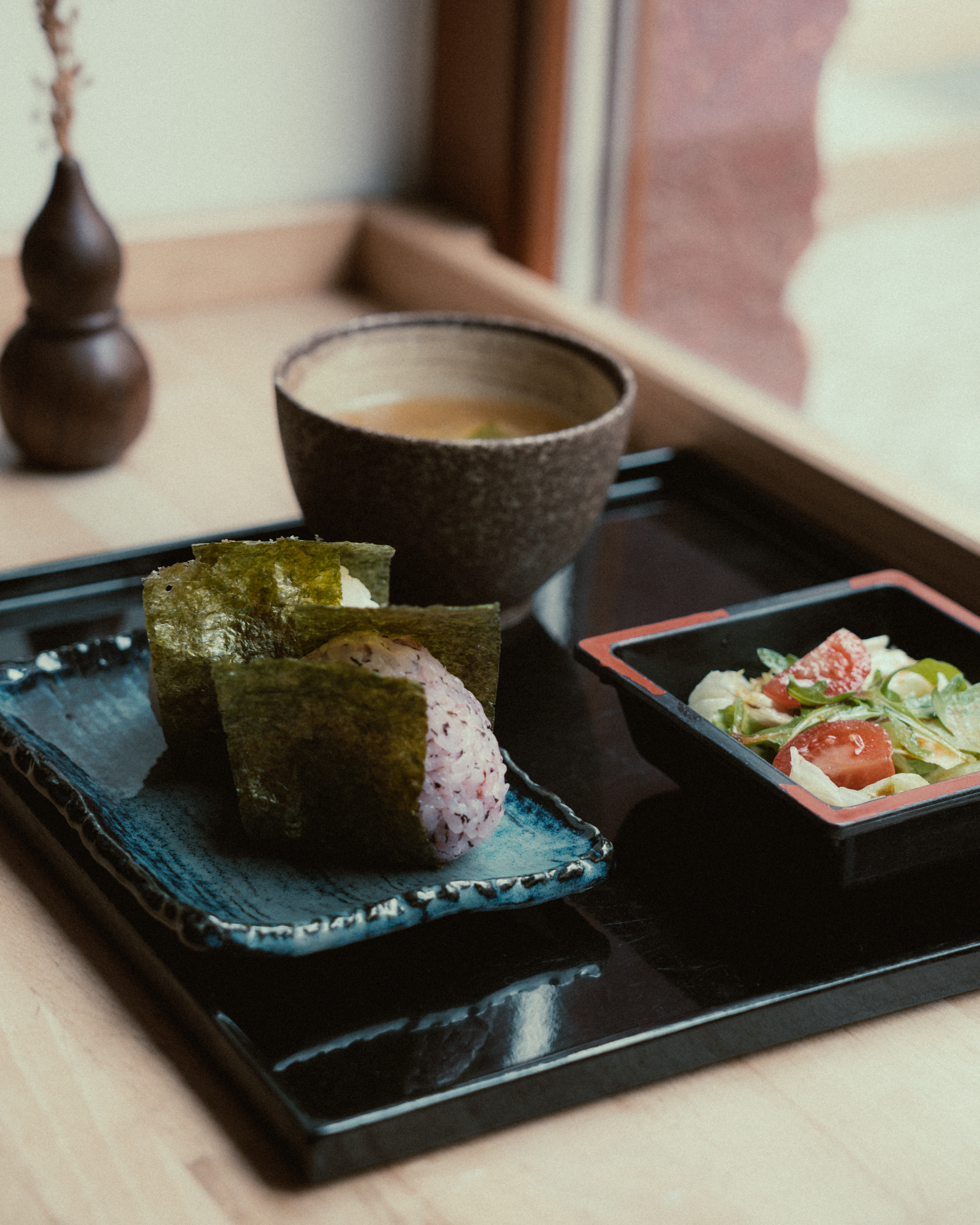
The most likely future is not a sudden kelp craze but a steady normalization. Canadians may first notice it in soup bases, seasoning blends, chips, salads, and frozen prepared foods before seeing it featured more boldly. That pattern is common when an unfamiliar ingredient enters the mainstream.
The good news for diners is that kelp does not ask much of them. Its best uses are often subtle, adding depth rather than dominating a dish. That makes it well suited to a market where curiosity is growing, but convenience still drives many food choices.
If current signals hold, kelp could become one of those ingredients people seem to discover all at once, even though the groundwork has been building for years. For Canada, that would make this humble sea vegetable far more than a niche curiosity. It would make it a defining modern food story.




Leave a Reply