
The microwave is one of the greatest kitchen shortcuts ever invented, but it is not a miracle worker. Food scientists, chefs, and safety experts all agree that certain foods lose their texture, flavor, or even quality when blasted with fast, uneven heat. If you have ever wondered why leftovers turned rubbery, soggy, or strangely dry, these are the foods experts say deserve a different approach.
Pizza
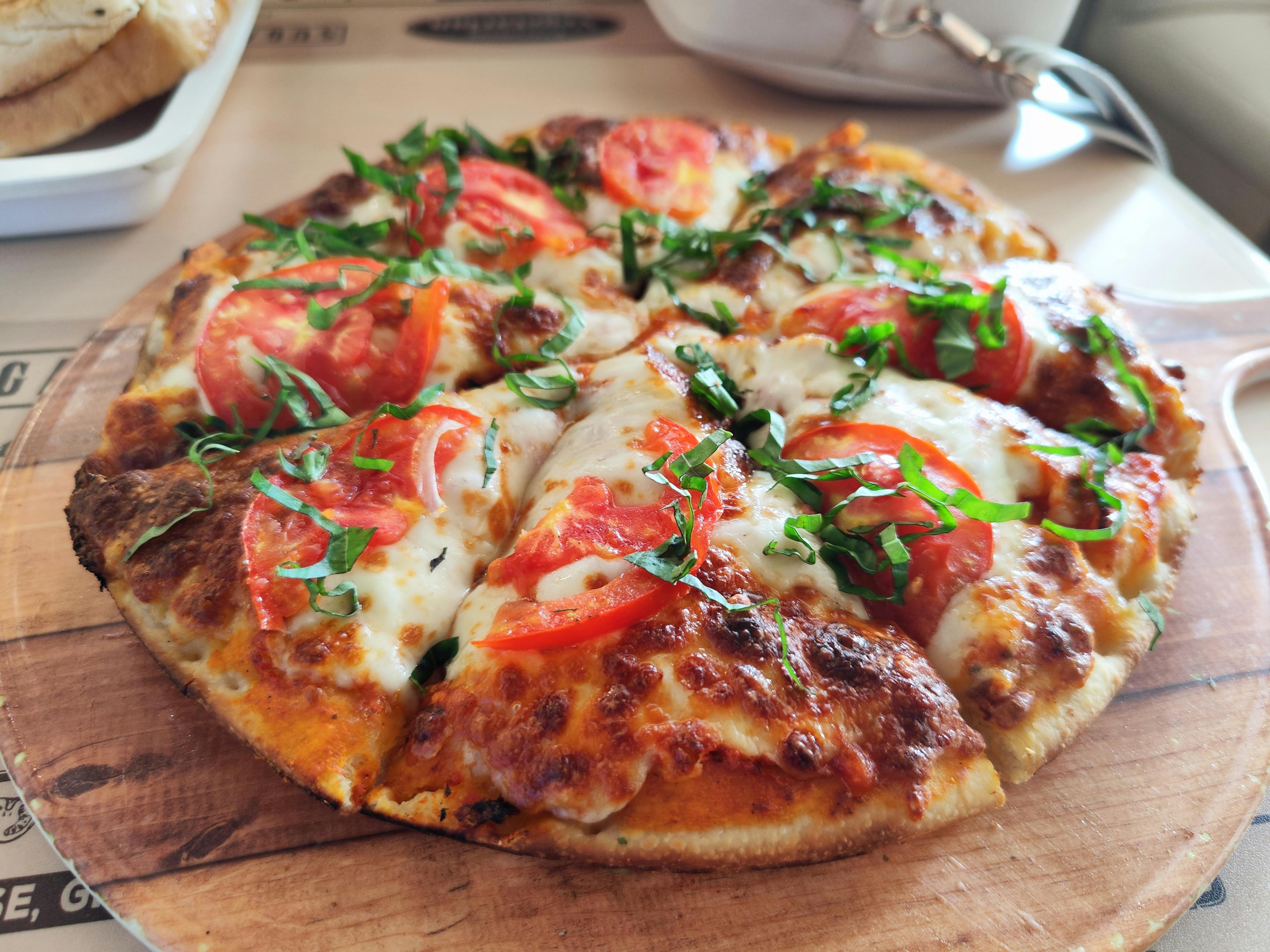
Leftover pizza feels like the ultimate microwave food, but it is also one of the fastest ways to turn a great slice into a disappointment. The microwave heats moisture in the crust and toppings quickly, which leaves the base limp and chewy instead of crisp.
Cheese also suffers. Rather than melting evenly, it can turn oily on top while the center stays oddly cool. Tomato sauce often gets scorching hot before the crust has a chance to improve.
Chefs usually recommend a skillet, toaster oven, or regular oven instead. Those methods restore crispness and warm the slice more evenly, so the texture tastes much closer to fresh pizza.
Steak
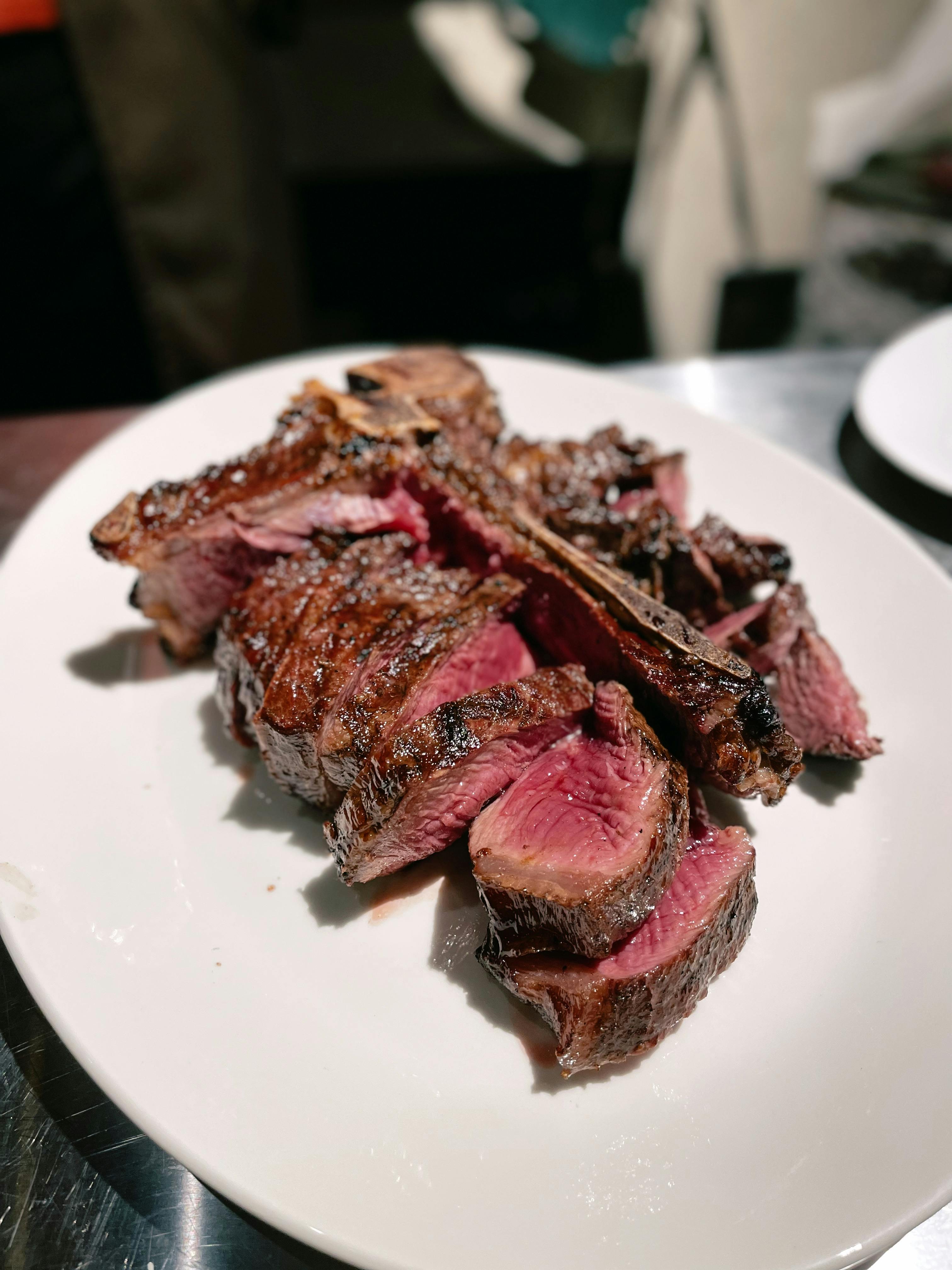
A good steak depends on contrast. You want a browned crust, a juicy interior, and fat that has softened without turning greasy. The microwave is bad at preserving any of that, because it heats unevenly and pushes moisture out of the meat.
What you often get is a gray, overcooked outer layer and a center that may still be lukewarm. The texture becomes firmer and less pleasant as muscle fibers tighten under fast heat.
Many chefs suggest reheating steak gently in a skillet or low oven, then finishing with a quick sear if needed. That slower method protects tenderness and keeps the meat from tasting tired and dry.
Fried Chicken
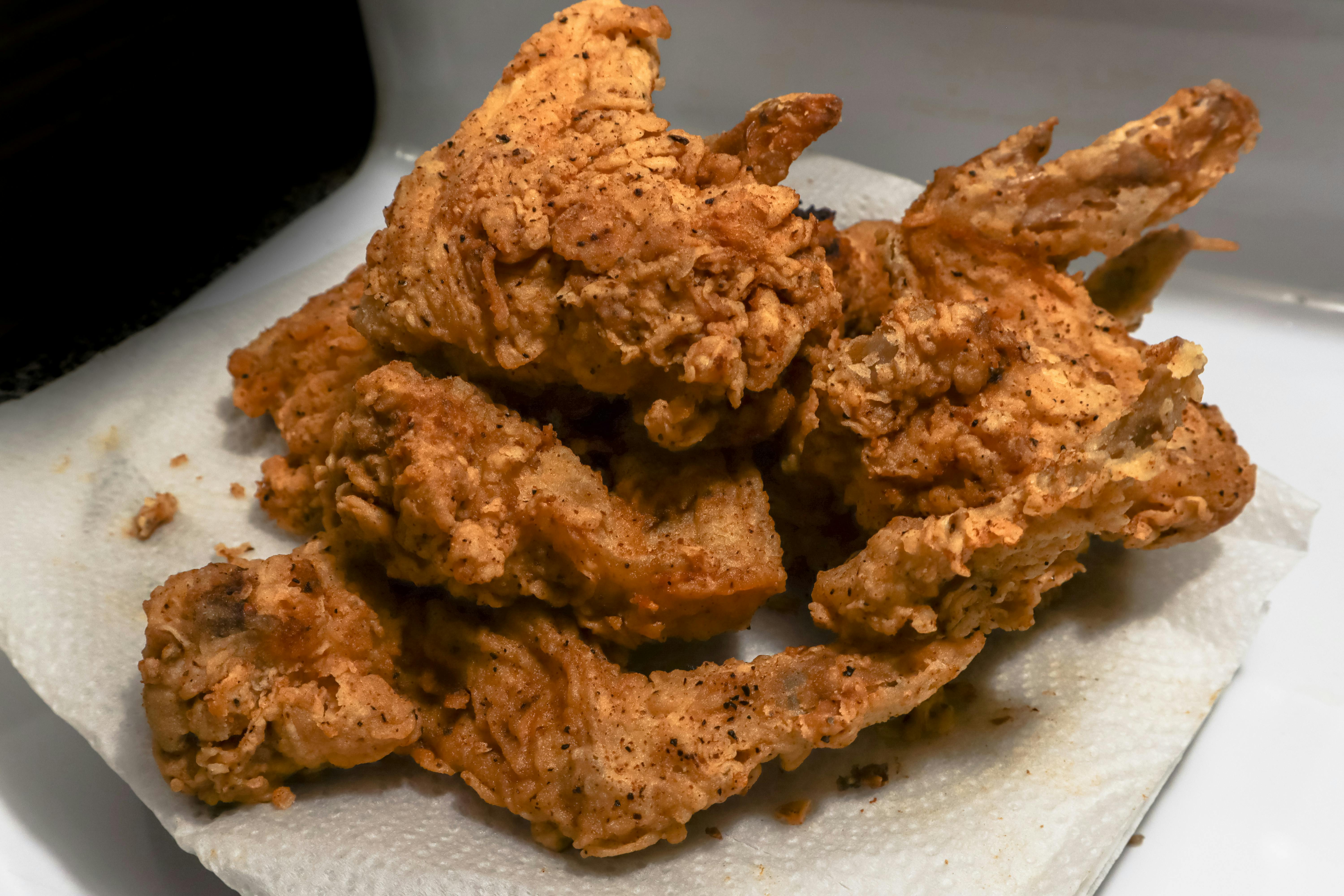
Fried chicken is all about crunch, and the microwave destroys crunch with impressive speed. The breading traps steam as the meat reheats, so the once-crisp coating softens and separates from the skin.
At the same time, the chicken inside can heat unevenly. One bite may be piping hot while another is merely warm, which is not ideal for either enjoyment or confidence at the table.
Oven reheating works far better because dry heat revives the crust instead of steaming it. A wire rack helps even more by letting hot air circulate around the pieces, giving fried chicken a fighting chance to stay crisp and juicy.
French Fries
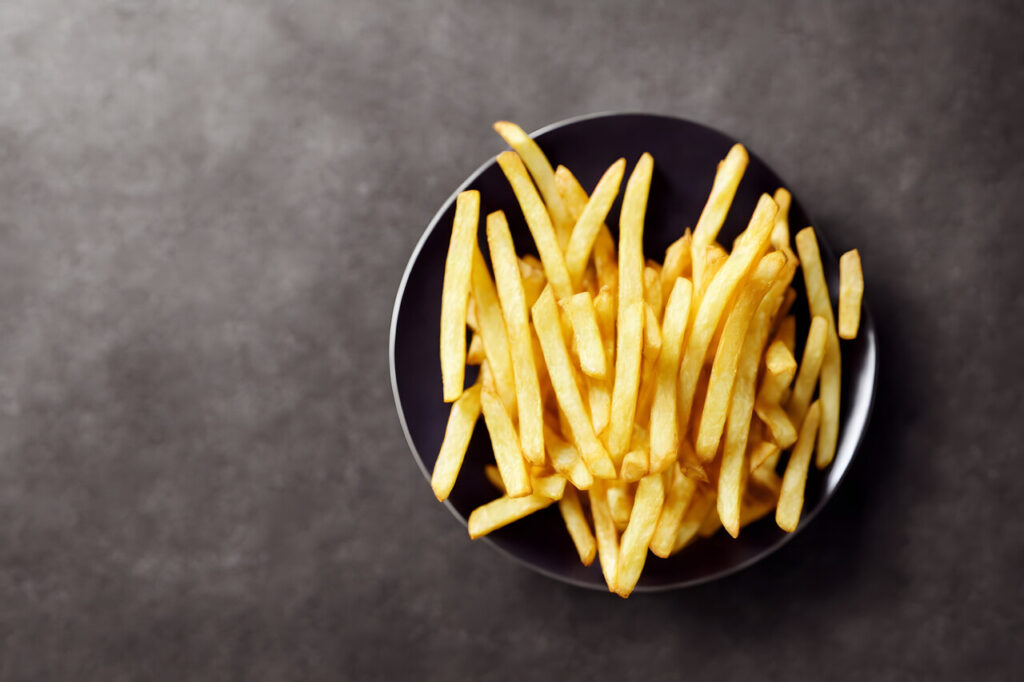
Few foods have a shorter path from irresistible to sad than leftover fries in the microwave. Their original appeal comes from a crisp shell and fluffy center, but microwave heat pulls moisture outward and turns that shell limp.
Instead of staying golden and snappy, fries become bendy, damp, and sometimes leathery around the edges. If they were salted heavily, the softened surface can make them taste even heavier.
Restaurant pros and home cooks alike usually get better results with an air fryer, hot oven, or skillet. Those methods drive off excess moisture and bring back some of the exterior crunch that made the fries worth eating in the first place.
Pasta
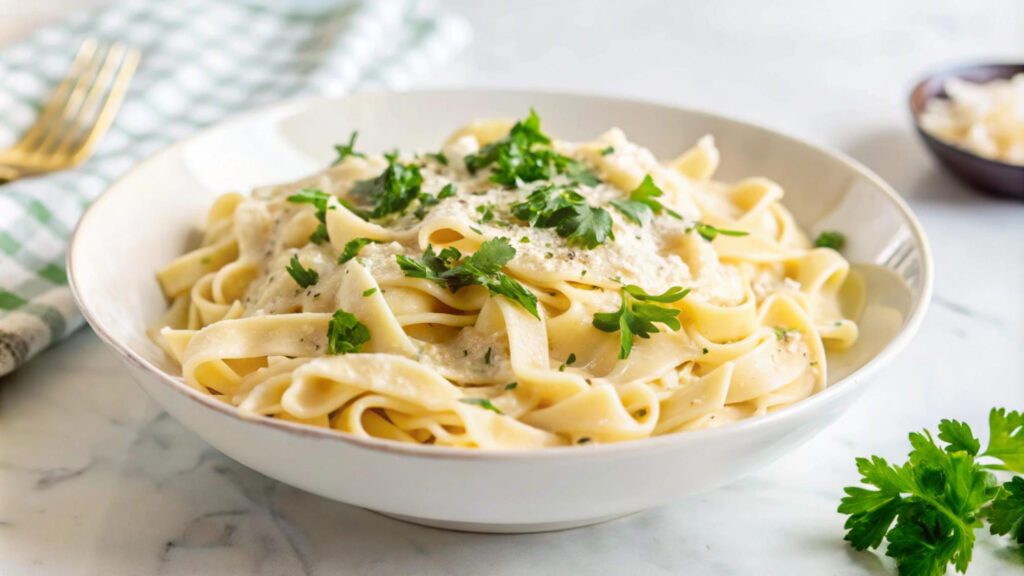
Microwaving pasta sounds harmless, but noodles can go from tender to gummy in a hurry. The starches on the surface absorb and release moisture unpredictably, which is why some bites feel mushy while others dry out.
Sauce creates another problem. Thicker sauces often heat faster around the edges, while the center stays cool, and cheese-based sauces can split into oily patches. Delicate pasta shapes may also overcook and lose their structure.
A pan on the stove usually gives you more control. A splash of water, broth, or extra sauce helps restore moisture gradually, so the pasta warms evenly and tastes like a proper second meal instead of a compromise.
Seafood
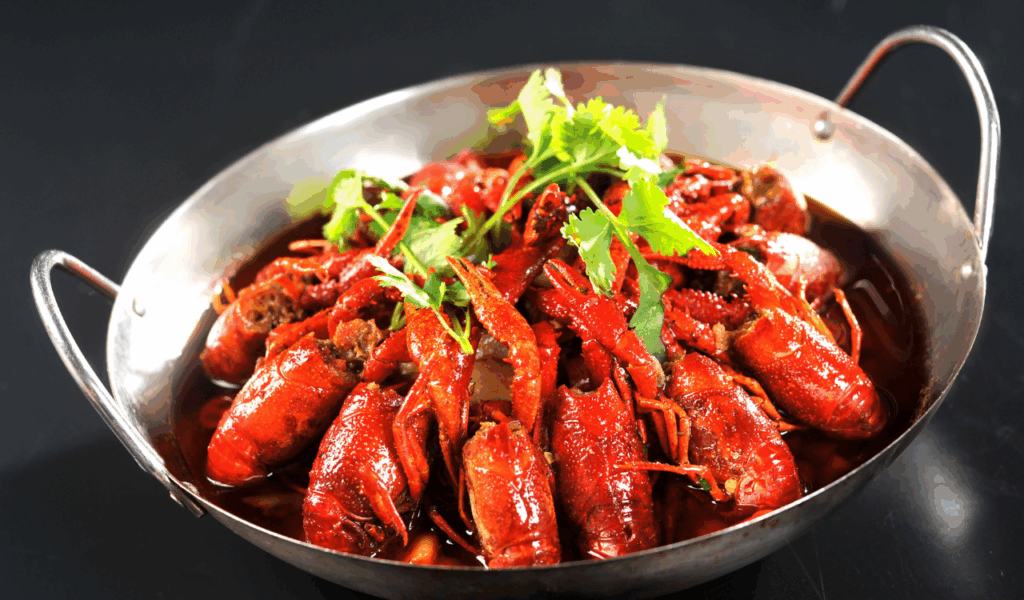
Seafood is famously unforgiving, and the microwave often pushes it over the edge. Fish, shrimp, and scallops are naturally delicate, so fast heat can turn them tough, dry, and overly aromatic in a matter of minutes.
That strong smell many people notice is partly a result of proteins and fats heating rapidly in a closed space. The flesh can also become chalky, especially with lean fish like cod or halibut.
Cooks generally prefer gentle reheating for seafood, whether in a low oven, covered skillet, or with steam. That slower approach helps preserve moisture and texture, which matters because once seafood turns rubbery, there is no real way back.
Hard-Boiled Eggs

Hard-boiled eggs have a surprising reputation for going wrong in the microwave. Because moisture can build up inside the egg, reheating one whole may create internal pressure that can lead to popping during or after heating.
Even when there is no dramatic explosion, the texture often suffers. The whites turn rubbery, and the yolk can become dry and crumbly, which is the opposite of what makes a boiled egg pleasant to eat.
Food safety specialists and kitchen experts usually suggest slicing the egg first or avoiding the microwave altogether. If you want it warm, gentler methods work better and lower the chance of both uneven heating and an unpleasant mess.
Rice
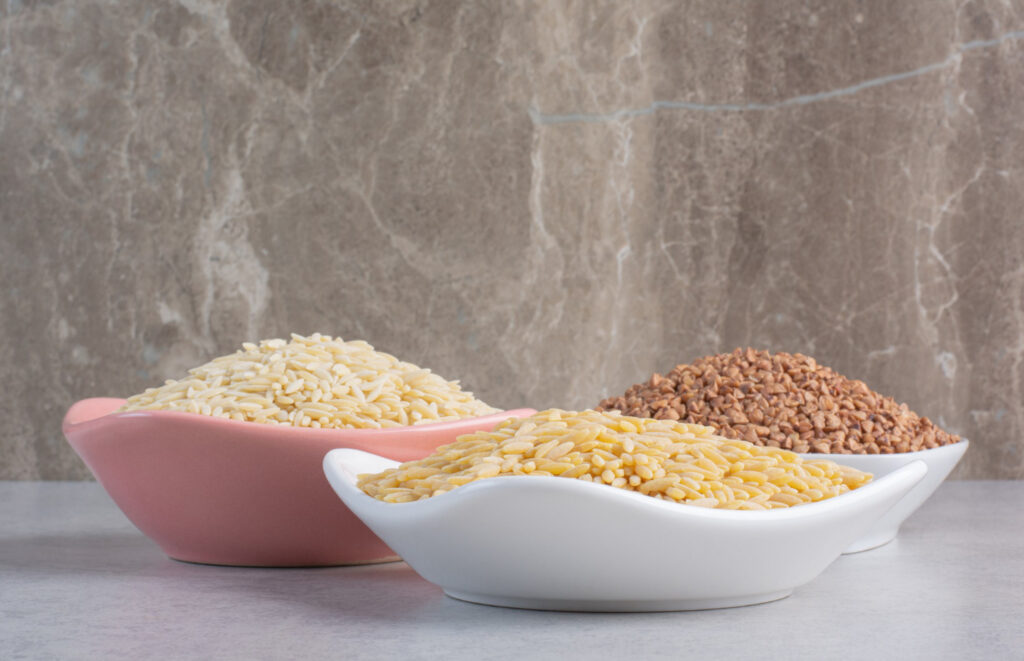
Rice is not ruined by the microwave every single time, but it is easy to mishandle. Texture is the first issue, since cold rice often reheats unevenly and ends up dry in some spots and mushy in others.
The bigger concern is how it was stored before reheating. Food safety experts warn that cooked rice can harbor Bacillus cereus, a bacterium whose spores may survive cooking and multiply if rice sits too long at room temperature.
If you are going to microwave rice, proper storage matters more than anything. Refrigerate it quickly, add a little moisture before reheating, and make sure it gets steaming hot throughout. Otherwise, the stovetop is a safer and more reliable choice.
Leafy Greens
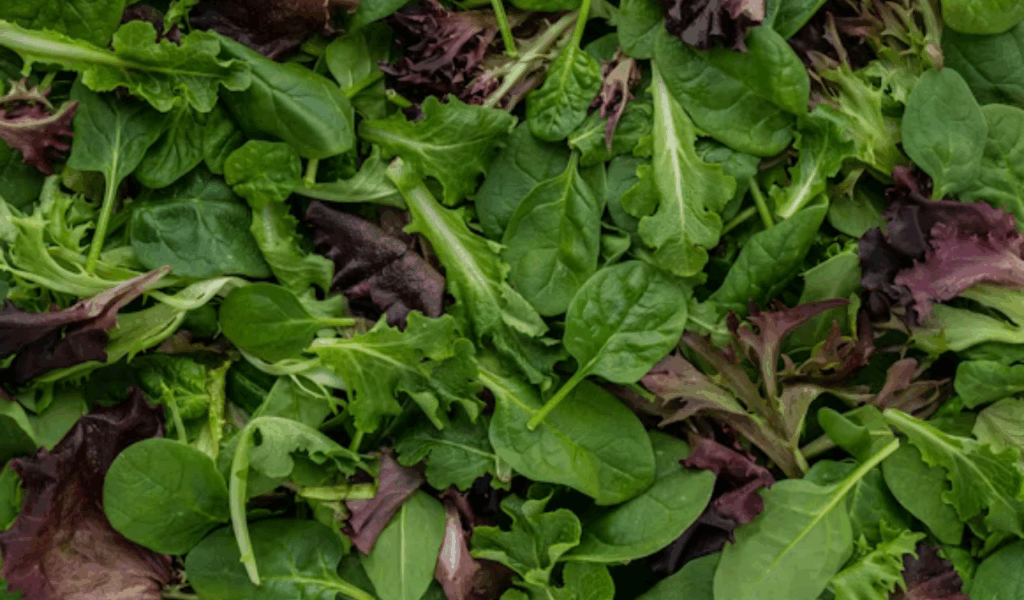
Leafy greens look innocent enough, but microwaving leftovers can produce disappointing results fast. Spinach, kale, and similar greens contain a lot of water, so they collapse further under microwave heat and often become limp, patchy, and overly soft.
There is also a nutritional talking point experts sometimes raise around nitrate-rich vegetables. While normal reheating is not automatically dangerous, repeated poor storage and reheating are not ideal for either quality or peace of mind.
From a flavor standpoint, these greens are better refreshed briefly on the stove. A quick sauté warms them more evenly, lets excess moisture escape, and keeps them from turning into the kind of soggy side dish nobody actually wants.
Bread
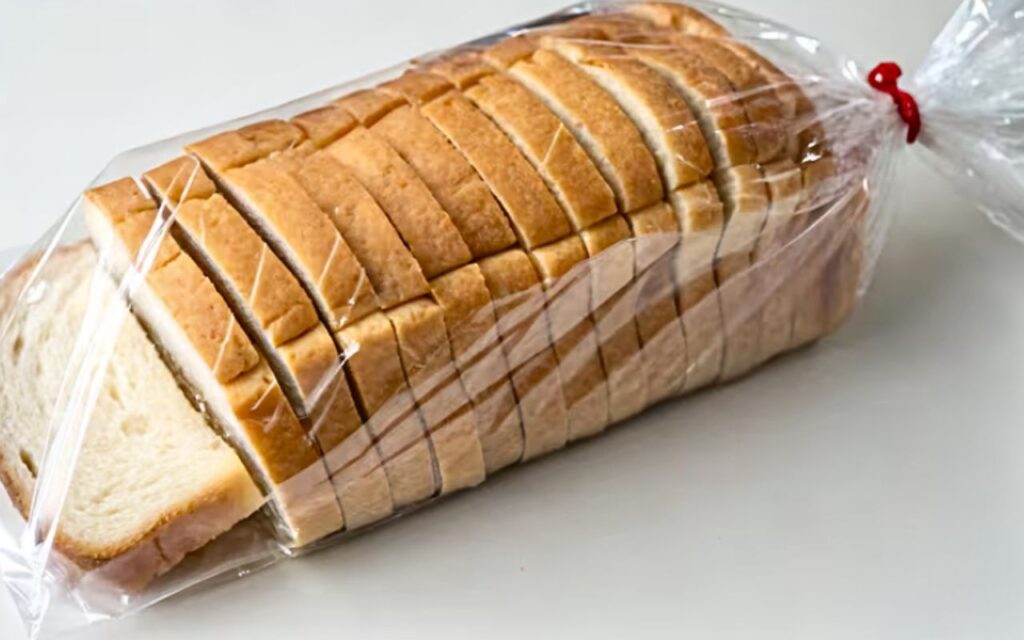
Microwaving bread is a tiny race against time, and bread usually loses. For a few seconds it may seem softer, but that effect fades quickly as the starches and moisture redistribute, leaving the slice tough and chewy.
Crusty bread turns especially sad. The crust softens instead of reviving, and the interior can feel oddly damp at first, then stale just minutes later. It is not a satisfying tradeoff.
Bakers and cooks almost always prefer the oven, toaster, or even a dry pan. Those methods restore warmth without wrecking structure, and they keep bread tasting like bread rather than a steamed sponge with a brief window of usefulness.
Creamy Sauces
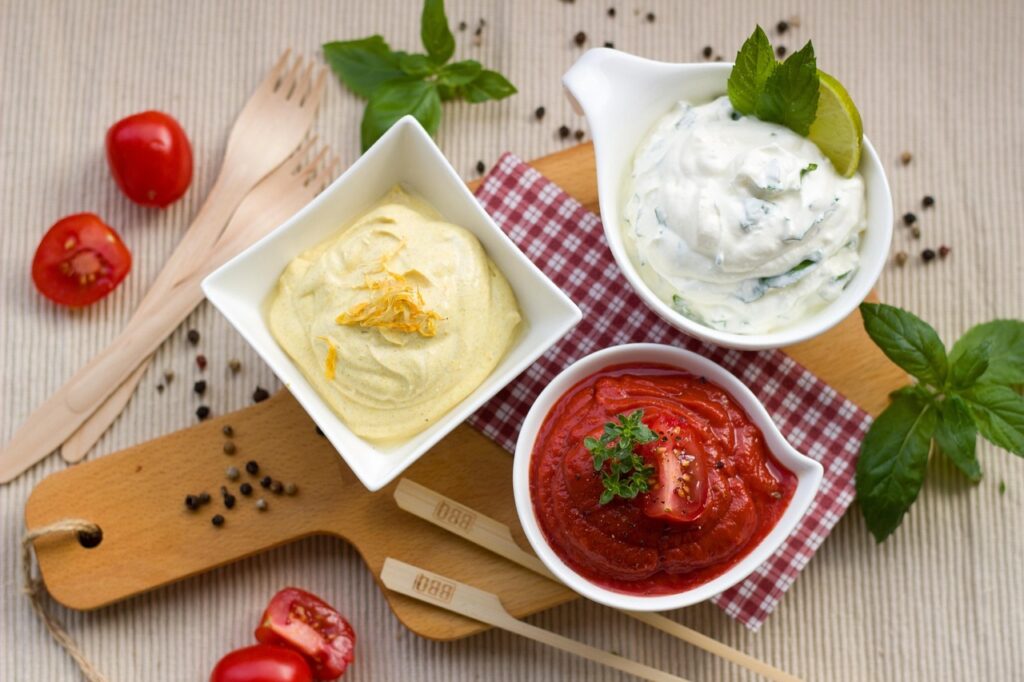
Cream-based sauces seem convenient to reheat in the microwave, but they are notorious for separating. Fast, uneven heat can cause the fat, protein, and liquid to break apart, which leaves a grainy or oily texture instead of a smooth finish.
This is especially common with Alfredo, cream soups, and cheese sauces. One edge of the bowl may bubble aggressively while the middle stays cool, and stirring after the fact does not always bring it back together.
A saucepan over low heat gives you much more control. Gentle warming and frequent stirring help keep the emulsion stable, so the sauce stays silky rather than splitting into a glossy mess that looks and tastes far less appealing.
Burgers
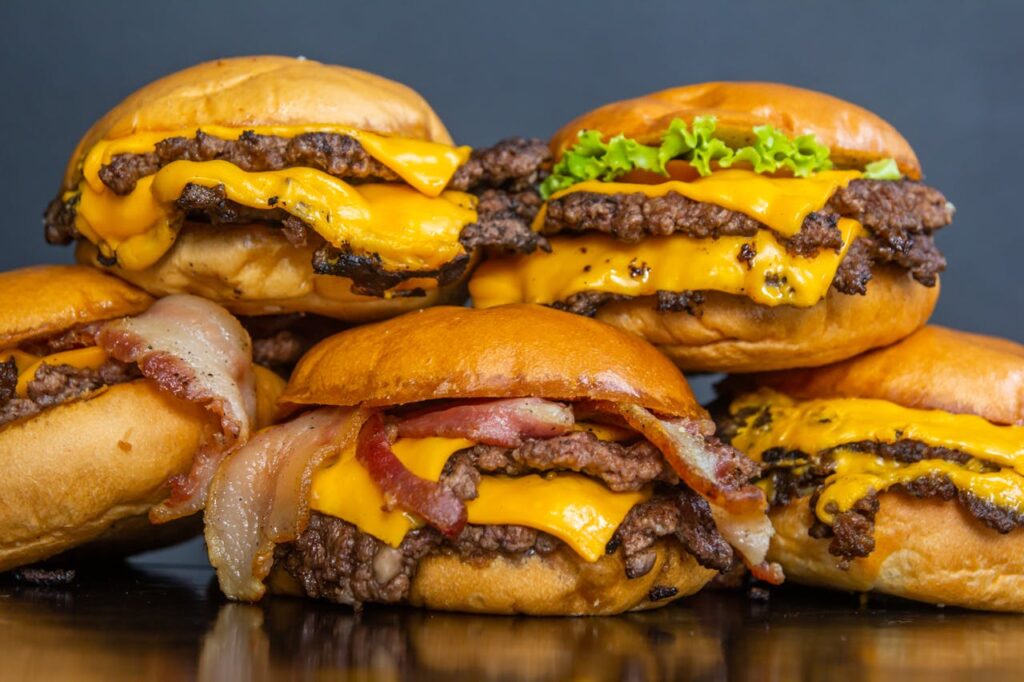
A burger is built from layers that each respond differently to heat, which makes the microwave a poor fit. The bun traps steam and turns soft, the patty can become dry and rubbery, and toppings like lettuce and tomato wilt almost instantly.
Cheese may melt unevenly, while any juices released by the meat soak into the bread. The result is a sandwich that feels tired instead of satisfying, even if the flavors were great the night before.
Taking the burger apart before reheating works far better. Warm the patty in a skillet or oven, refresh the bun separately, and add cold toppings at the end. That small effort saves the whole meal.
Chicken Breast

Chicken breast already walks a fine line between juicy and dry, so microwave reheating can be brutal. Because the meat is lean, it does not have much fat to cushion the loss of moisture, and the fibers tighten quickly under intense heat.
That is why leftover chicken breast often emerges with dry edges and a strangely firm bite. Thick pieces are even trickier, since the outside may overcook before the center is fully hot.
A covered skillet, low oven, or a little broth in a pan usually gives better results. Those gentler methods help the chicken warm through without squeezing out every bit of moisture that made it enjoyable to begin with.




Leave a Reply