
Some desserts go viral because they look dramatic. This one is taking off because it is easy, quick, and reliably delicious.
Why this 20-minute dessert is everywhere right now
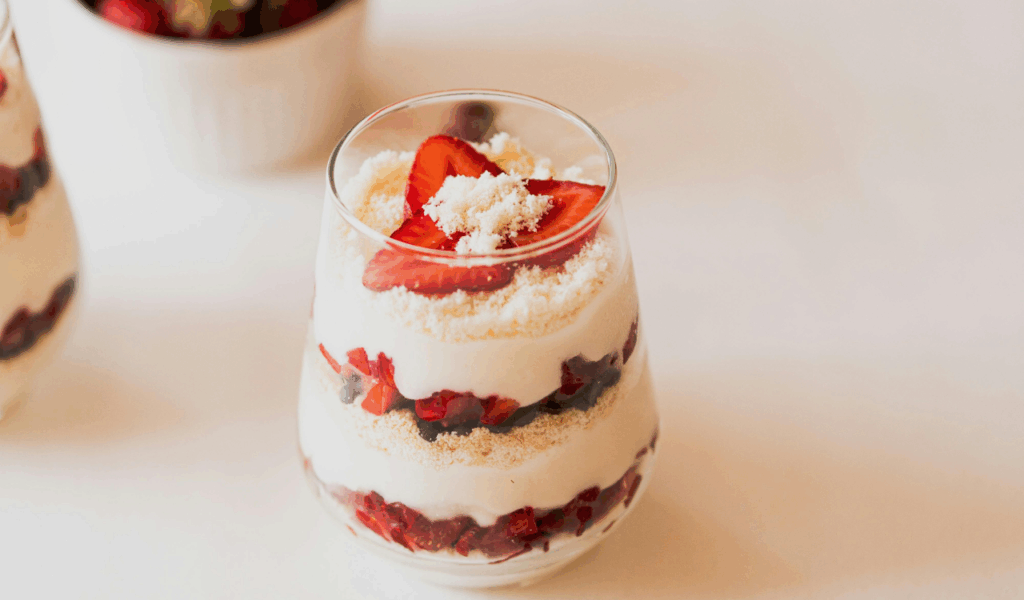
At the center of the trend is a simple idea: a layered no-bake dessert made with whipped topping or fresh cream, softened cream cheese, a lightly sweet base, and a cookie or graham layer that turns tender in the refrigerator. It lands somewhere between an icebox cake, cheesecake fluff, and a layered pudding dessert. That flexibility is a major reason it has spread so quickly across home kitchens, social feeds, and family group texts.
The timing also makes sense. Home cooks want recipes with fewer steps, less heat, and almost no cleanup, especially during warm weather or busy weeks. According to long-running consumer food trend reporting, convenience remains one of the strongest drivers in home cooking decisions, and no-bake sweets fit that demand perfectly. A dessert that looks polished without turning on the oven solves a real problem, not just a social media one.
There is also a cost factor. Most versions use familiar supermarket ingredients such as cream cheese, instant pudding, whipped topping, cookies, fruit, and condensed milk. Those ingredients are widely available and easy to swap based on budget. When a recipe works for a weekday dinner, a potluck, and a birthday table with only minor changes, it quickly becomes part of regular rotation.
Another reason it is trending is that it is highly forgiving. You do not need perfect knife skills, advanced baking knowledge, or specialty tools. Even if the layers are uneven, the chilled final result still looks inviting. That low-risk, high-reward balance is exactly what makes a recipe catch on with both beginners and experienced cooks.
What the dessert actually is and why the method works
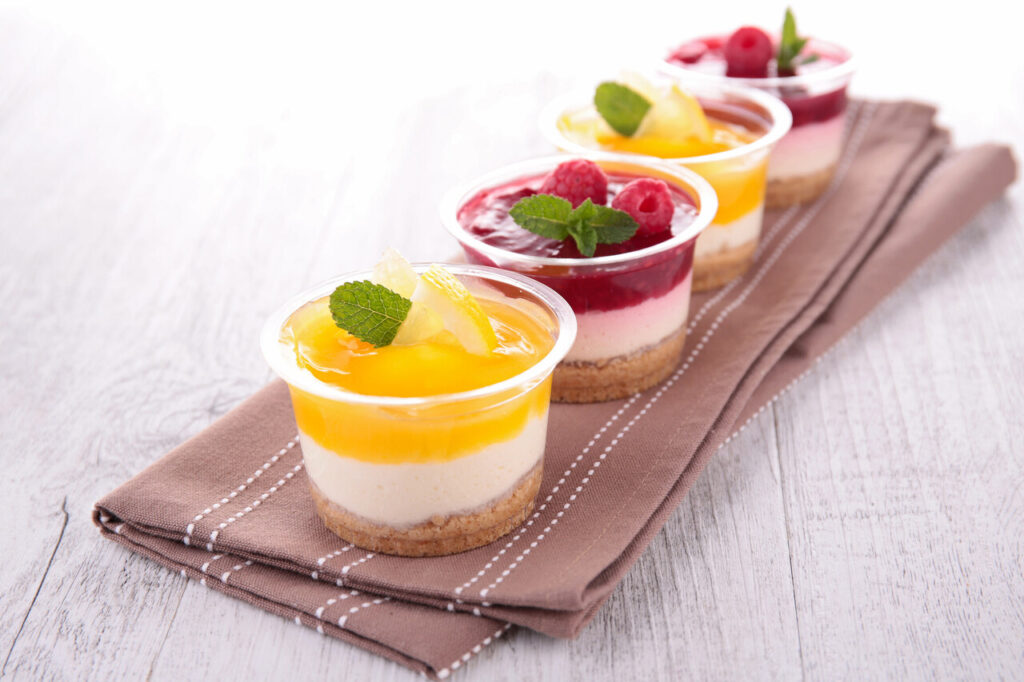
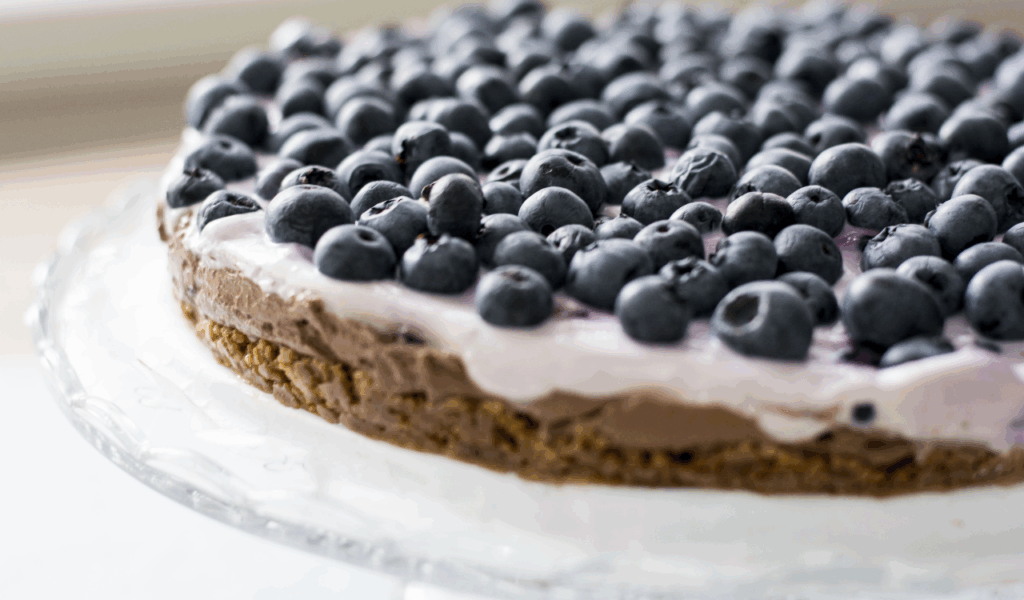
This dessert usually follows a very efficient structure: a quick crumb or cookie base, a creamy middle, and a soft top layer finished with crushed cookies, chocolate, citrus zest, or fruit. Some versions are assembled in a dish like a classic icebox cake. Others are spooned into cups or jars for individual servings. In either form, the appeal is the same: rich texture with almost no technical difficulty.
The food science behind it is straightforward. Cream cheese or mascarpone provides body because its fat and protein help stabilize the filling. Whipped cream or whipped topping adds air, making the mixture lighter and easier to spread. Instant pudding, when used, strengthens the structure further because starches and gums absorb moisture quickly. That is why many versions can be assembled in minutes and still hold clean layers after chilling.
The cookie layer matters more than people realize. Wafers, graham crackers, digestive biscuits, or tea cookies absorb moisture from the filling and soften into a cake-like texture. This transformation is the signature of many no-bake desserts and a major part of their appeal. The dessert improves as it rests, which means the refrigerator does part of the work for you.
Flavor balance is the final key. A successful version is sweet but not flat. A pinch of salt, a spoonful of lemon juice, espresso powder, or fresh berries can sharpen the whole dish. That is why the best recipes taste more thoughtful than their short ingredient list would suggest.
How to make it in 20 minutes without sacrificing quality
The fastest path starts with mise en place, even if the recipe is casual. Pull all ingredients out first, soften the cream cheese slightly, and choose a shallow dish so layering goes quickly. If you are using fresh cream instead of whipped topping, chill the bowl beforehand for faster whipping. Small efficiencies like these are what keep the total prep time close to 20 minutes.
For a dependable base, crush cookies finely and combine them with a modest amount of melted butter, just enough for the crumbs to hold when pressed. You can also skip the pressed crust entirely and layer whole cookies for an icebox-style version. That second option is often quicker and gives a softer, spoonable finish. It is especially useful when you want speed over precision.
The filling should be mixed in stages. Beat the cream cheese first so no lumps remain, then add sweetened condensed milk or sugar, followed by vanilla, citrus, or pudding mix if using. Fold in whipped cream last to preserve volume. This order matters because it prevents a dense filling and gives the dessert a lighter texture that feels more expensive than it is.
Assembly is where presentation happens almost automatically. Alternate cream and cookies, or cream and fruit, then smooth the top and add a simple garnish. Refrigerate for at least a short rest if time allows, though even a brief chill improves texture. If you need it faster, individual cups set more quickly than a deep pan and look intentional at the table.
The best flavor combinations home cooks are making now
The current favorites lean on familiar flavors with a twist. Strawberry cheesecake versions remain popular because they combine fresh fruit with a rich filling and a graham or vanilla wafer layer. Lemon is another standout because acidity cuts through the dairy and makes the dessert feel lighter. In warm months, that brightness is often what turns a good recipe into one people make repeatedly.
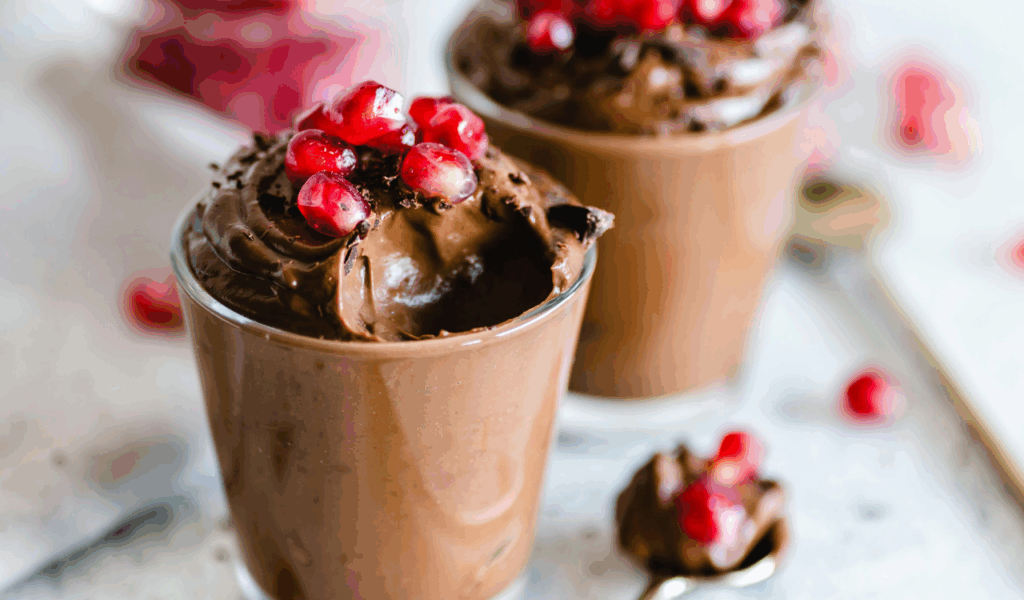
Chocolate-based versions are also having a strong moment. Crushed chocolate sandwich cookies paired with a cream cheese filling create a cookies-and-cream style dessert that appeals to both adults and children. Some cooks add a thin layer of chocolate ganache or a dusting of cocoa powder for more depth. Coffee and chocolate together are especially effective because bitterness keeps the sweetness in check.
Tropical combinations travel well and look impressive with little effort. Mango, pineapple, toasted coconut, and lime create a dessert that feels vacation-like while using a familiar no-bake structure. Banana pudding-inspired versions, built with vanilla wafers and sliced bananas, are another enduring favorite. Their popularity comes from nostalgia as much as flavor.
For more grown-up tables, pistachio, cherry, espresso, and tiramisu-inspired versions are rising. These flavors borrow from restaurant desserts but remain easy to execute at home. The broader pattern is clear: people want the comfort of a simple chilled dessert, but they also want enough variation to make it feel new each time they serve it.
Common mistakes and the fixes that make a big difference
The most common problem is a filling that turns loose or grainy. This usually happens when ingredients are too cold to blend smoothly or when whipped cream is overmixed and starts to collapse. The fix is simple: soften the cream cheese just enough, mix until smooth before adding anything else, and fold gently once air has been incorporated. A stable filling depends more on handling than on complicated ingredients.
Another mistake is over-sweetness. Because many versions use pudding mix, whipped topping, cookies, and condensed milk, the sugar can stack up quickly. Balancing with salt, lemon juice, plain yogurt, or less-sweet cookies can make the dessert taste more polished. Professional pastry cooks often stress contrast, and even an easy refrigerator dessert benefits from that same principle.
Texture issues often come from timing. If served immediately, cookies may still feel dry and separate from the filling. If left too long, fruit can leak water and make the layers sloppy. The ideal window depends on the ingredients, but many versions are best after a few hours in the refrigerator. That rest allows softening and flavor melding without sacrificing structure.
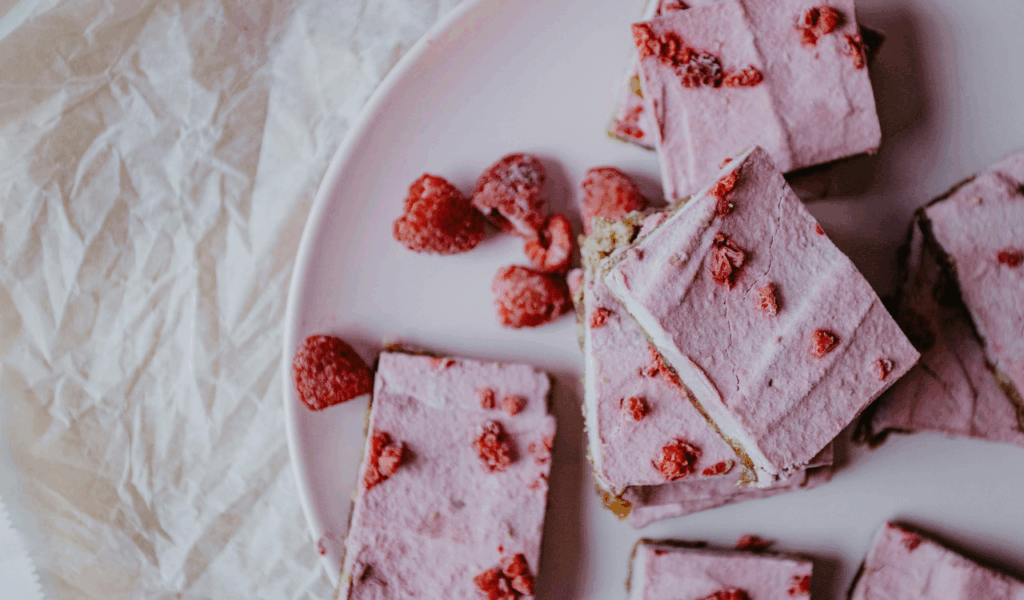
Portioning is another overlooked detail. Rich no-bake desserts are more satisfying in moderate servings than oversized slices. A smaller square topped with fresh berries or a spoonful of crushed nuts feels balanced instead of heavy. In practical terms, that also stretches the recipe further, which is one reason these desserts work so well for gatherings.
Why this trend has staying power beyond social media
Some food trends vanish because they are all appearance and no usefulness. This one has real staying power because it solves several everyday needs at once. It is quick enough for weeknights, scalable for parties, and adaptable to dietary preferences, seasonal produce, and pantry limitations. Recipes that survive beyond trend status usually earn that place through convenience and repeatability, and this dessert has both.
It also fits how many people cook now. There is a stronger appetite for semi-homemade food that still feels personal, especially when schedules are tight. Using a boxed pudding mix or store-bought cookies no longer carries the same stigma it once did. What matters more is the final result, and when a dessert tastes excellent, looks attractive, and comes together in 20 minutes, people tend to make it again.
The emotional appeal matters too. Chilled layered desserts feel generous, nostalgic, and low-pressure. They show up at family reunions, office celebrations, school events, and summer dinners because they are easy to transport and easy to like. A recipe that works across that many occasions becomes more than a trend. It becomes part of a home cook's permanent toolkit.
That is why everyone seems to be making this dessert right now. It is not just fast. It is the rare shortcut recipe that still delivers comfort, flexibility, and a result people genuinely remember after the plates are cleared.




Leave a Reply