
A photo gallery on how family dinner in Canada shifted from a fixed early ritual to a more flexible part of modern life, shaped by work, school, immigration, convenience foods and changing home routines.
The early supper table
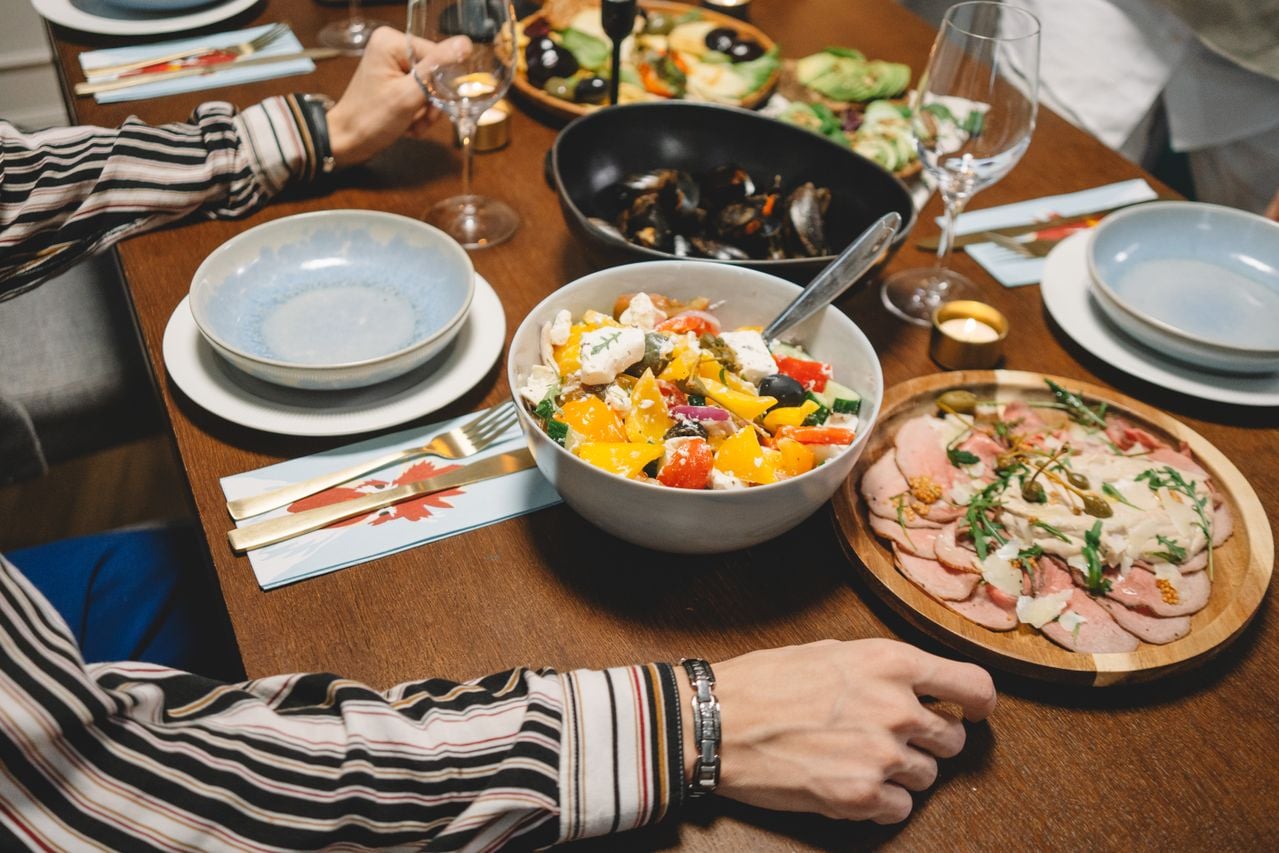
For much of the 20th century, many Canadian households treated supper as a fixed point in the day. Parents often worked closer to home, children were expected back before dark, and the evening meal came early by today's standards. A table set for roast meat, potatoes and seasonal vegetables captured more than a menu. It reflected a routine built around regular shifts, fewer after school commitments and the idea that everyone should be present at once.
The kitchen as command center
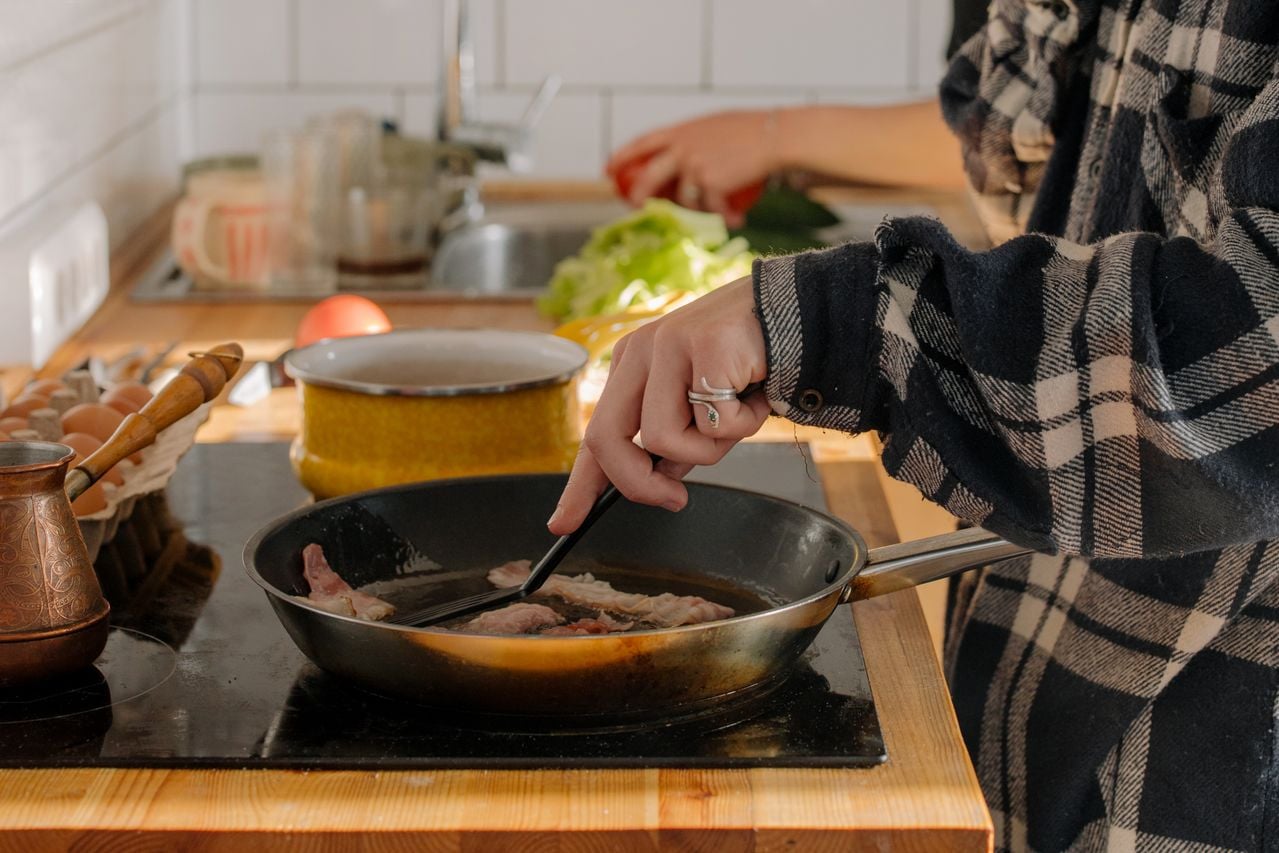
As more Canadian mothers entered paid work in greater numbers, the family meal did not disappear, but the way it was managed changed. The kitchen became a scheduling hub where lunches were packed, homework was discussed and dinner had to fit tighter time limits. That shift encouraged practical cooking. Slow cookers, freezer meals and familiar pantry staples helped families hold onto supper together, even when the person preparing it had less time than earlier generations did.
After school, after practice

One of the biggest changes to Canadian mealtimes came from children's schedules. Sports, music lessons, tutoring and longer commutes turned the old everyone sits down at once model into a challenge on many weekdays. Dinner started to split into waves. One child might eat before hockey, another after dance, and a parent might reheat a plate later. The family meal remained important, but it often moved from a daily ritual to something families worked harder to preserve.
The rise of convenience foods
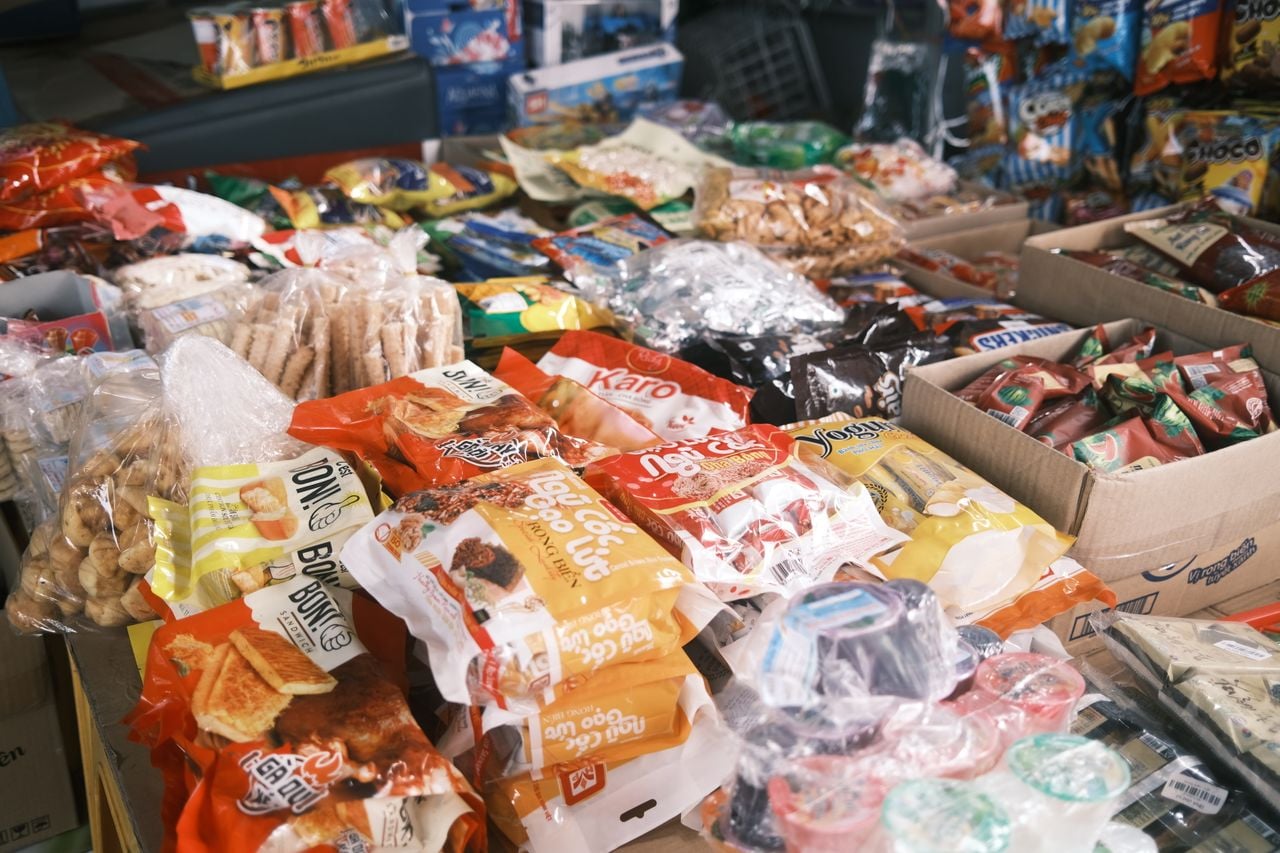
Packaged foods changed the timing of dinner as much as the menu itself. Frozen vegetables, canned soup, boxed pasta and prepared sauces shortened cooking time, giving families a way to get a meal on the table without starting from scratch. Later, supermarket rotisserie chickens, salad kits and ready made entrées pushed that convenience further. These foods did not simply replace home cooking. In many homes, they became the compromise that kept some version of a shared dinner alive on busy nights.
New Canadians, new dinner hours
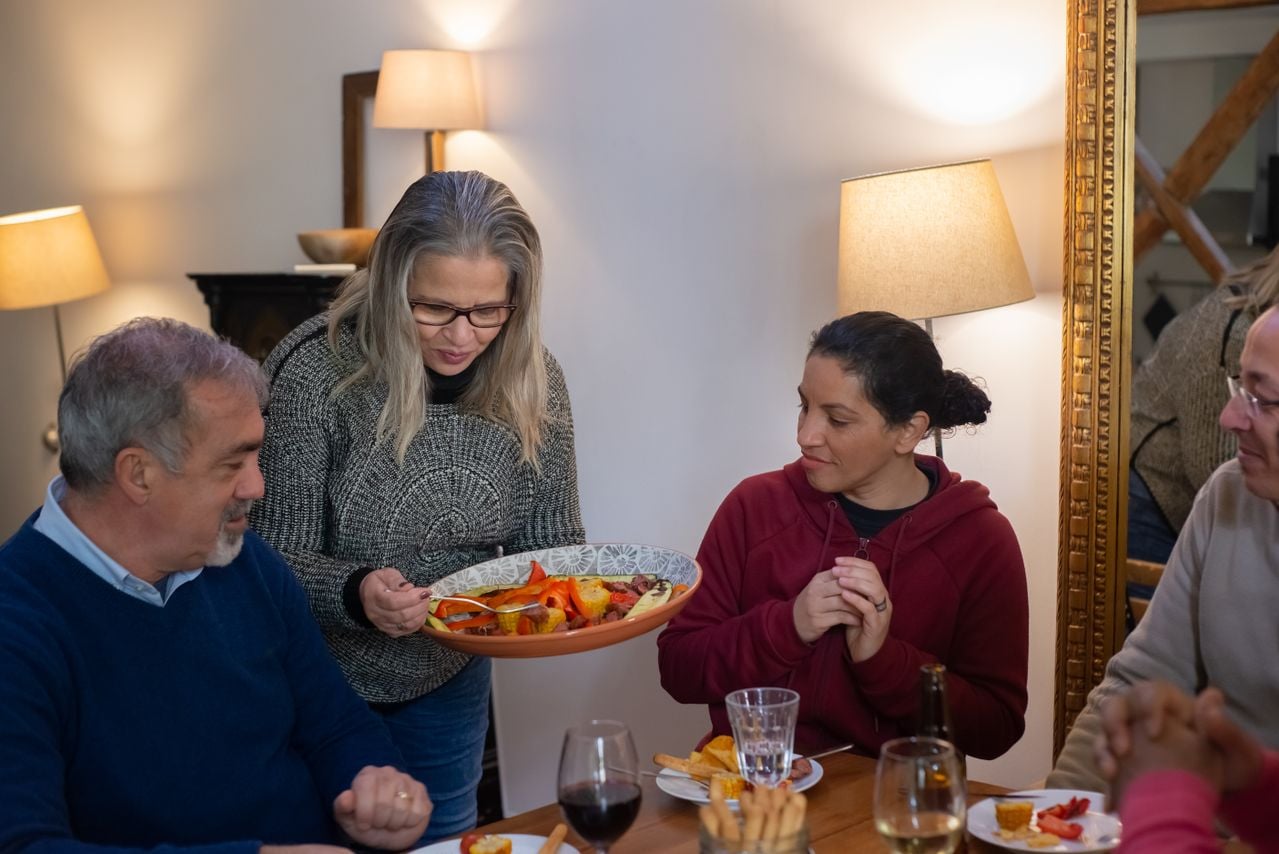
Canada's family dinner has never been one single tradition. Immigration brought different eating schedules, dishes and ideas about what counts as the main meal, making the national dinner hour more varied over time. In some homes, a lighter meal came earlier and a fuller dinner arrived later in the evening. In others, several generations shared a table with foods from more than one culinary tradition. The result was not the end of family dinner, but a broader picture of what it could look like in Canada.



Leave a Reply