
For many adults, one packaged brownie can unlock an entire school lunch era. In Canada, few treats spark that kind of instant recognition quite like the Cosmic Brownie.
Why this brownie feels so universal
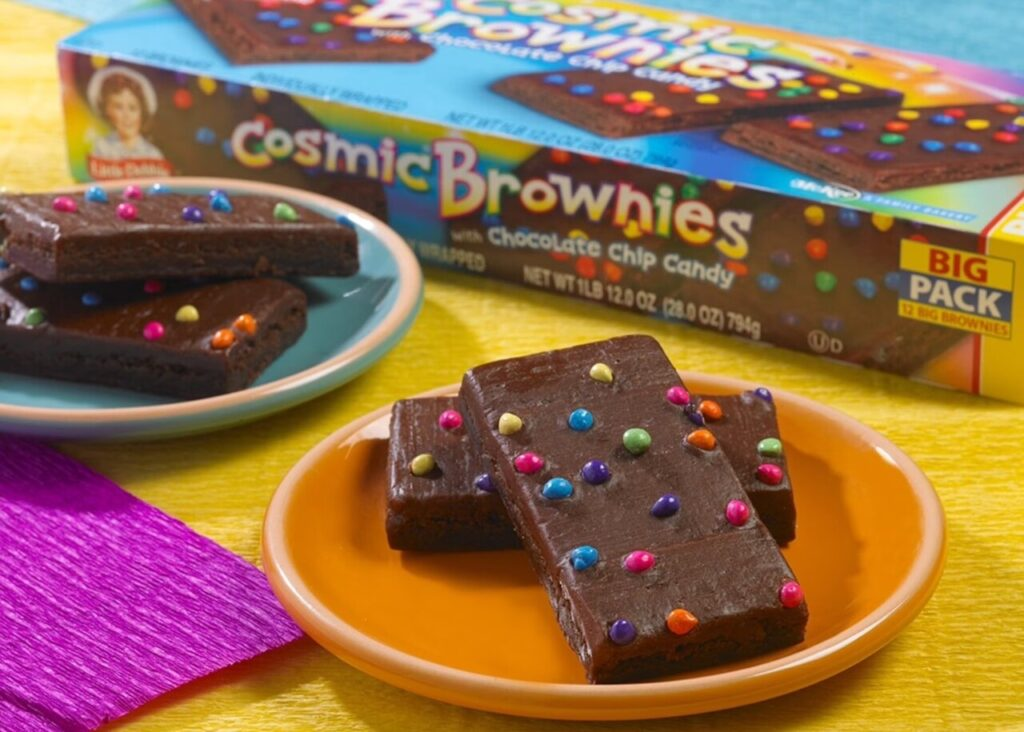
The idea that every Canadian grew up eating Cosmic Brownies is emotionally true for many people, even if it is not literally accurate. The snack became closely tied to recess, lunch bags, after-school treats, and convenience-store cravings. That kind of repeated exposure creates the feeling of a shared national experience.
Part of the brownie's staying power comes from its unmistakable look. The dense chocolate square topped with glossy icing and bright candy-coated chips stood out from plainer snack cakes. Children remembered it not just as dessert, but as a treat with personality.
Brand familiarity also mattered. Packaged snacks that appear consistently in grocery aisles, school lunches, and big-box stores often become cultural markers. In Canada, Cosmic Brownies reached that point for many families, especially in the late 1990s and 2000s.
The lunchbox years that built the legend

A snack does not become iconic by taste alone. It becomes iconic by showing up at the right time, usually when habits are still forming and food is tangled up with memory, routine, and reward. Cosmic Brownies fit neatly into that pattern.
For school-age kids, portability was everything. Parents wanted individually wrapped items that were easy to pack, did not require refrigeration, and felt like a small win inside a lunch. Cosmic Brownies checked every one of those boxes.
The product also benefited from comparison. In a lunch full of sandwiches, fruit, and crackers, a frosted brownie with rainbow chips looked indulgent. That visual contrast made it feel special, even when it was a standard grocery purchase rather than a rare treat.
Not every region or household had the same experience

Canada is too large and too varied for any single snack to define every childhood. Regional availability, family budgets, shopping habits, and cultural food traditions all shaped what children actually ate. What felt universal in one province may have been rare in another.
Some households preferred homemade baking over packaged desserts. Others bought different snack brands, chose store labels, or avoided sweets in school lunches entirely. For immigrant families in particular, lunchbox treats often reflected home-country tastes as much as mainstream supermarket culture.
That nuance matters because food nostalgia can flatten differences. When people say, "every Canadian grew up with this," they are usually describing a strong shared trend, not a statistical reality. Cosmic Brownies were widespread, but they were never the only childhood sweet in circulation.
What made Cosmic Brownies so memorable
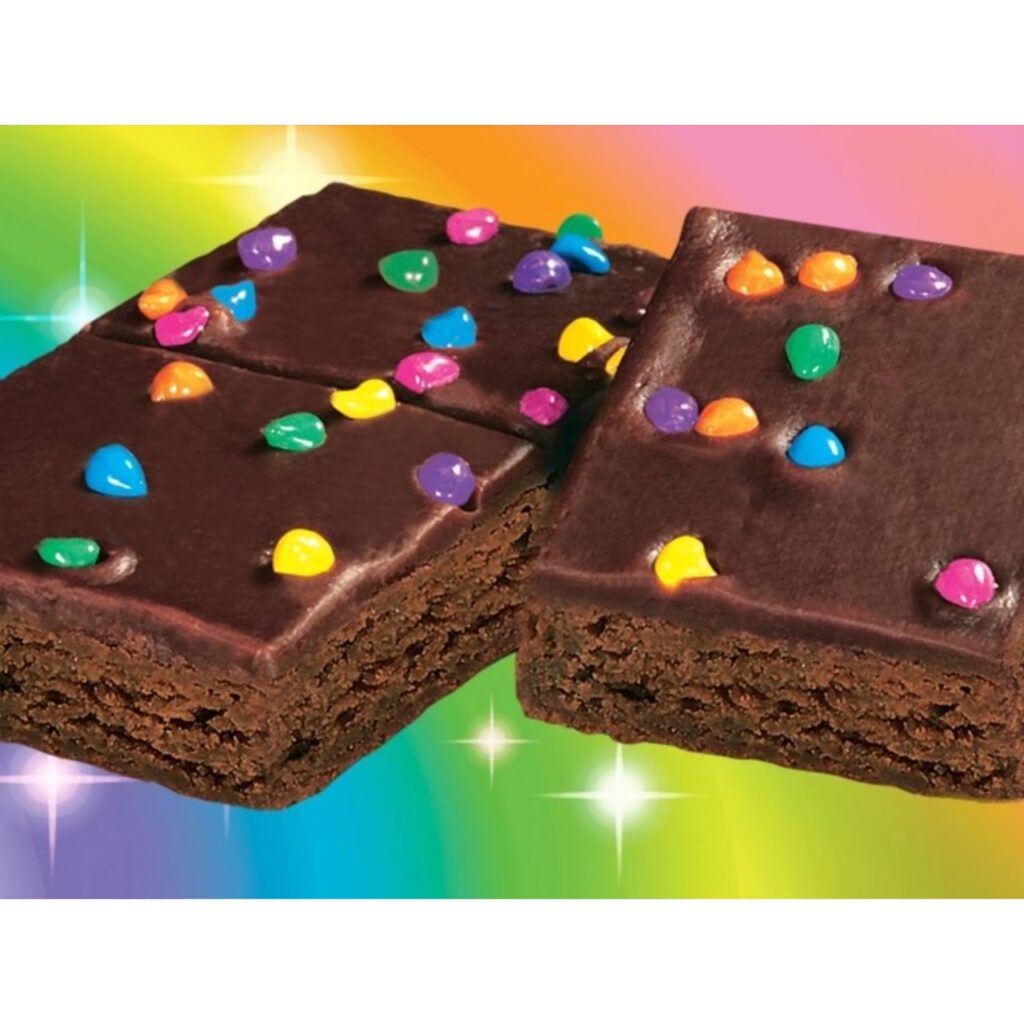
Texture played a major role in the product's identity. Unlike airy cake-style snacks, Cosmic Brownies were known for being dense, fudgy, and very sweet. That richness made them feel more substantial than their size suggested.
The topping did the rest of the work. Those colorful candy pieces turned a basic chocolate square into something playful and instantly recognizable. Children could spot one at a glance, which is exactly how strong snack branding works.
There is also the power of sensory imprinting. Bright colors, sticky icing, the soft chew of the brownie, and the crinkle of the wrapper all combined into a memory package. Food psychologists often note that repeated multisensory experiences help explain why certain childhood foods stay vivid for decades.
The role of nostalgia in today's snack culture
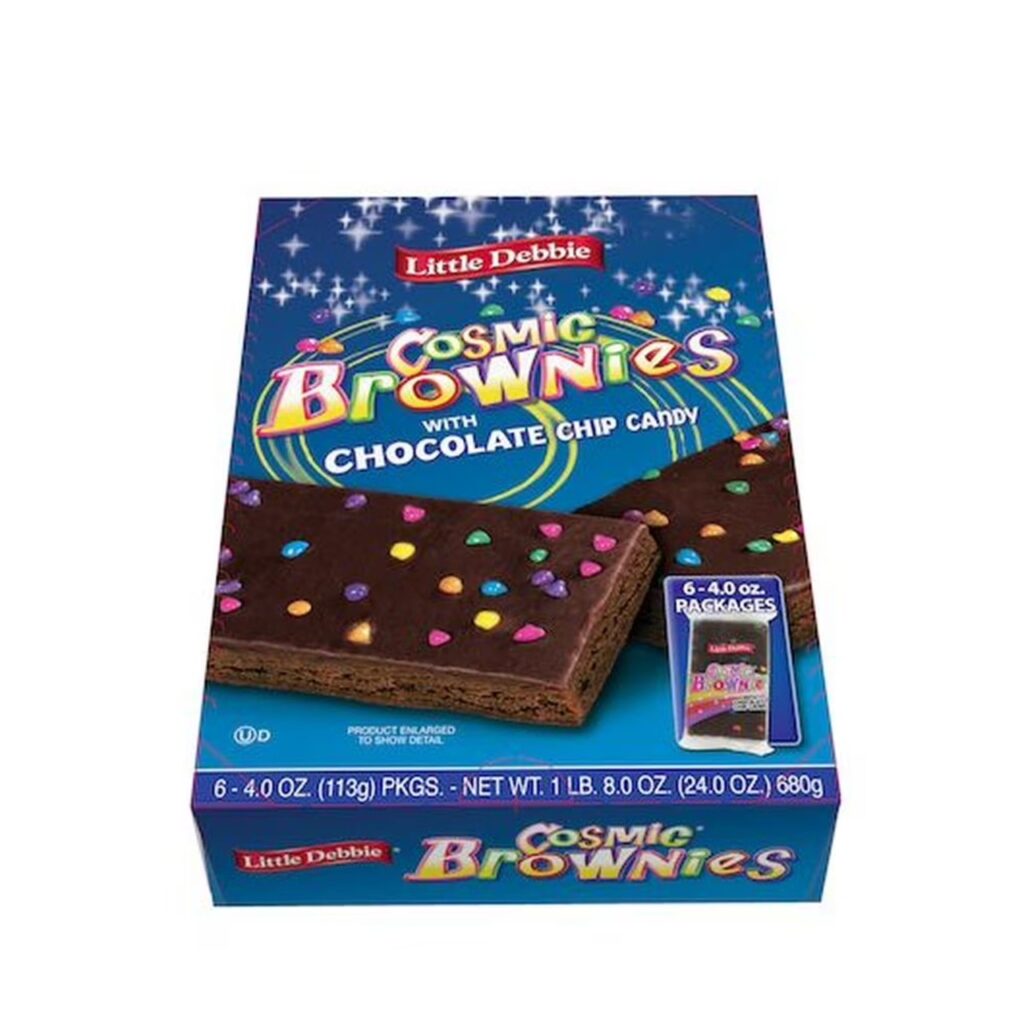
Nostalgia has become one of the strongest forces in modern food marketing. Brands know that adults who once ate a snack in elementary school are likely to revisit it later, whether out of curiosity, comfort, or pure sentiment. Cosmic Brownies benefit heavily from that cycle.
Social media has amplified the effect. Posts about retro lunchbox foods often turn into instant memory exchanges, with commenters comparing school snacks, trading stories, and debating whether the brownie still tastes the same. That public remembering makes the product feel even more culturally entrenched.
Retailers also understand the value of recognizable classics. When stores stock products associated with childhood, they are not just selling sugar and chocolate. They are selling a quick emotional return to a simpler moment, and that is a powerful commercial advantage.
So, did every Canadian grow up eating one?
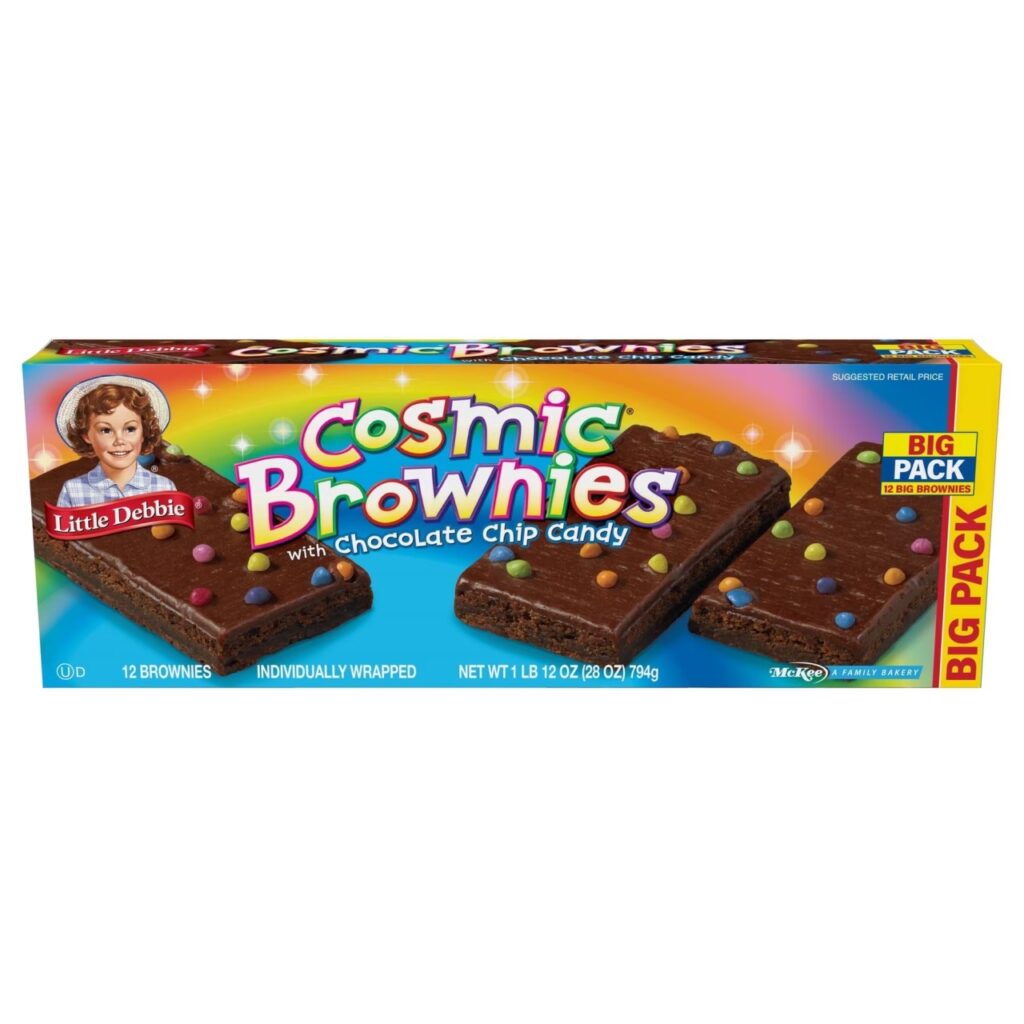
The honest answer is no, not every Canadian did. But enough Canadians encountered Cosmic Brownies during their childhood that the snack has earned a real place in the country's pop-food memory. Its cultural footprint is broader than any one household's experience.
In practical terms, Cosmic Brownies belong to a category of foods that symbolize an era. Like certain cereals, juice boxes, or cafeteria desserts, they act as memory anchors. They help people date their childhood and connect with others who remember the same rituals.
So while the claim is exaggerated, the feeling behind it is understandable. Cosmic Brownies were not a universal Canadian childhood requirement, but they were absolutely a defining snack for a large share of kids who came of age in the packaged-lunch generation.




Leave a Reply