
Delivery is no longer a side business for restaurants in Canada. It has become a major operating reality that is changing how food is cooked, packed, timed, and sold.
Delivery has moved into the financial center of the business
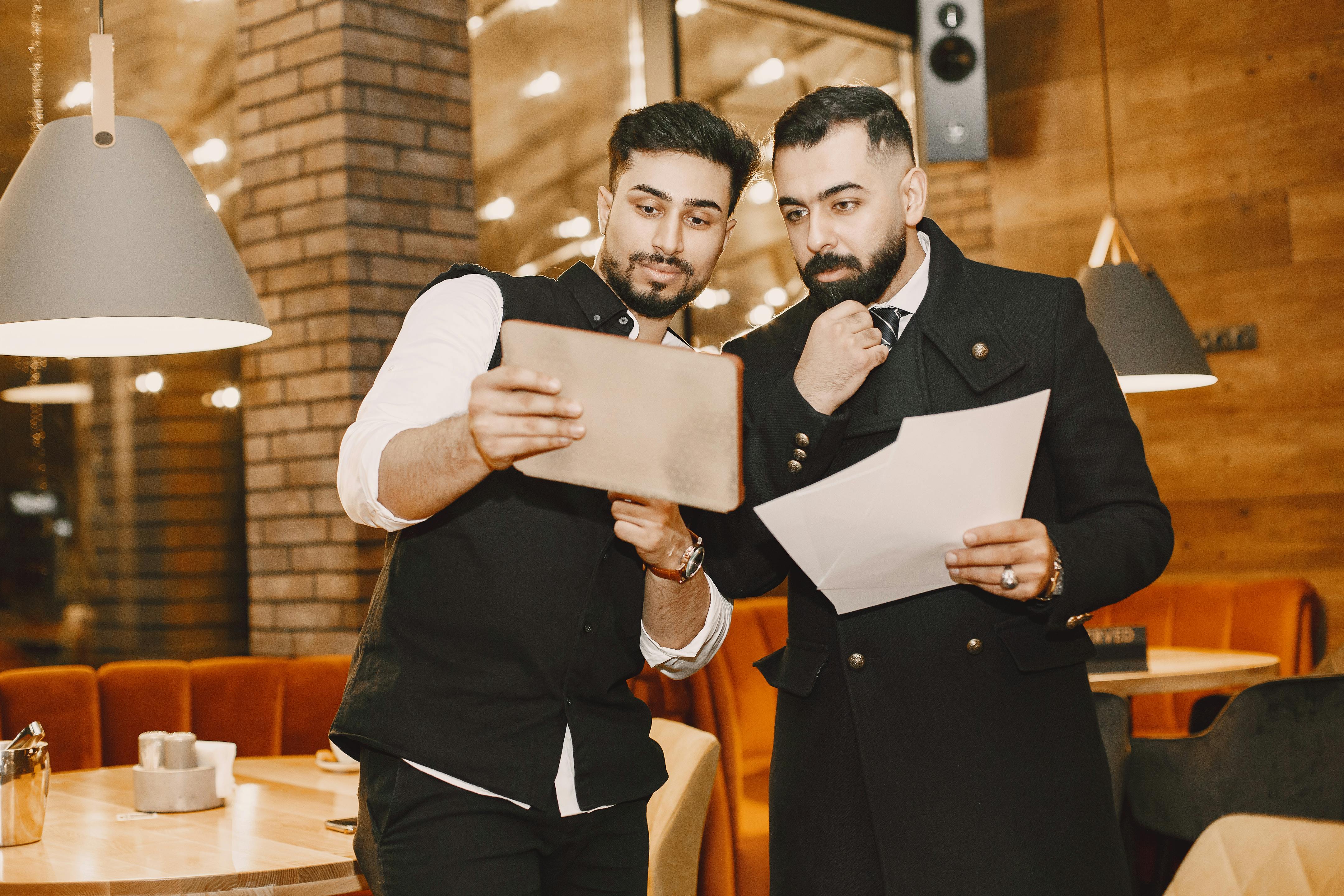
What used to be an add-on order at dinner is now a meaningful share of weekly sales. Across Canada, many restaurants report delivery now accounts for 20-30% of total revenue, a level that makes it impossible to treat off-premise demand as secondary.
That range matters because it changes how owners budget labor, negotiate leases, and forecast inventory. A dining room may still shape the brand, but delivery increasingly shapes the cash flow.
The rise reflects both habit and convenience. Customers who became comfortable ordering from apps during the pandemic kept the behavior, especially in major cities where long work hours, traffic, and weather make home delivery attractive year-round.
Kitchens are being redesigned around speed, consistency, and flow

A full dining room and a screen full of courier orders create very different pressures. In response, many operators are reorganizing stations so online tickets can move through the line without disrupting dine-in service.
Some kitchens now dedicate a make line just for delivery orders. Others create separate pickup shelves, courier waiting zones, and packaging stations to reduce congestion during lunch and dinner rushes.
This is not just about moving faster. It is about protecting quality when food may spend 15 to 30 minutes in transit, which means the kitchen has to think beyond the plate and into the customer's front door experience.
Menus are being engineered for travel, not just taste
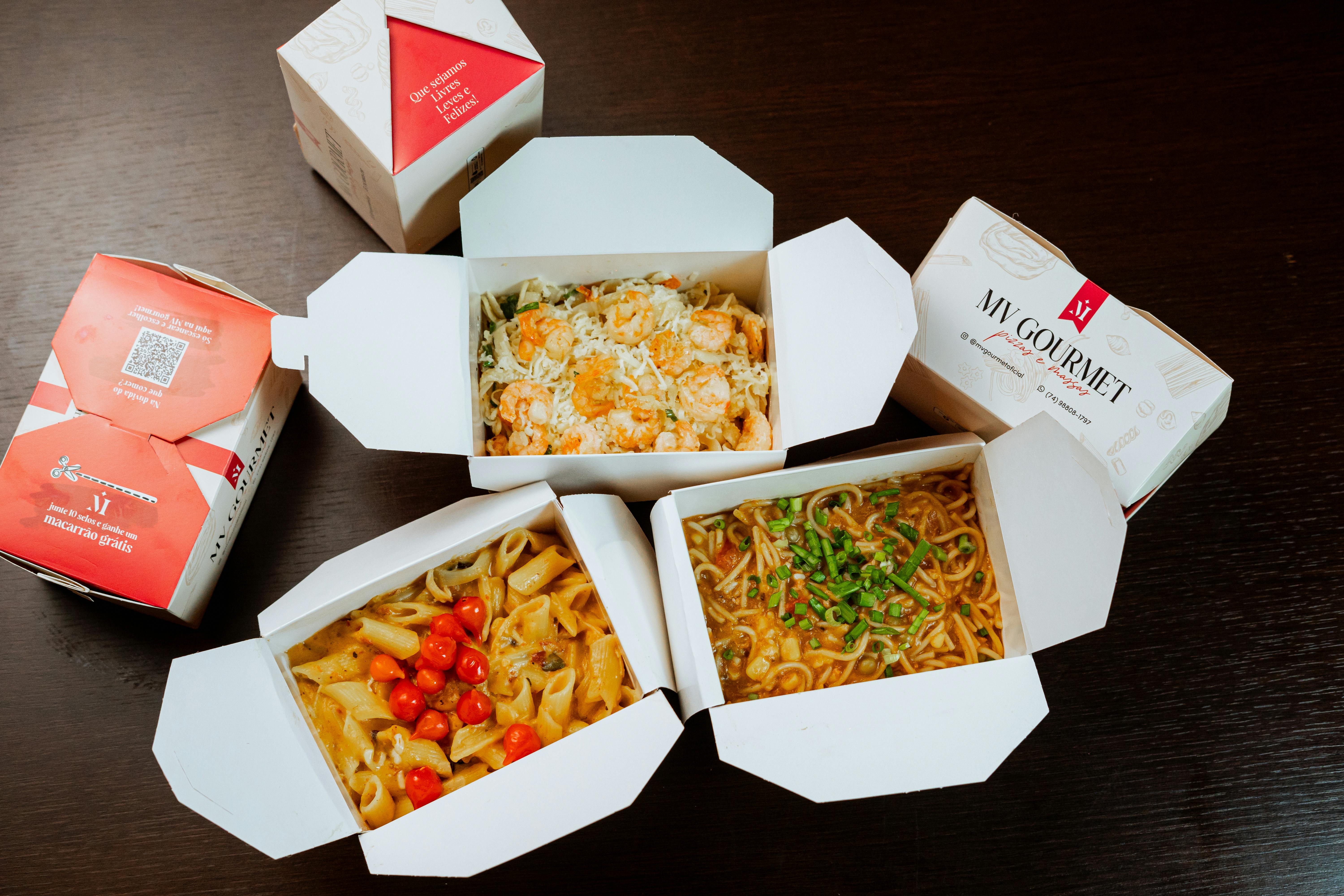
A dish that performs beautifully in the dining room may arrive soggy, separated, or lukewarm after delivery. That reality is pushing chefs and operators to trim menus and prioritize items that hold heat, texture, and presentation.
Fried foods are being vented differently, sauces are packed on the side, and ingredients that wilt quickly are being swapped or repositioned. In many cases, restaurants are testing delivery-specific versions of existing dishes instead of sending the exact dine-in format.

Packaging has become part of product development. Containers now affect everything from crispness to brand perception, and rising packaging costs are forcing businesses to weigh sustainability, durability, and margin at the same time.
Staffing models are changing behind the line
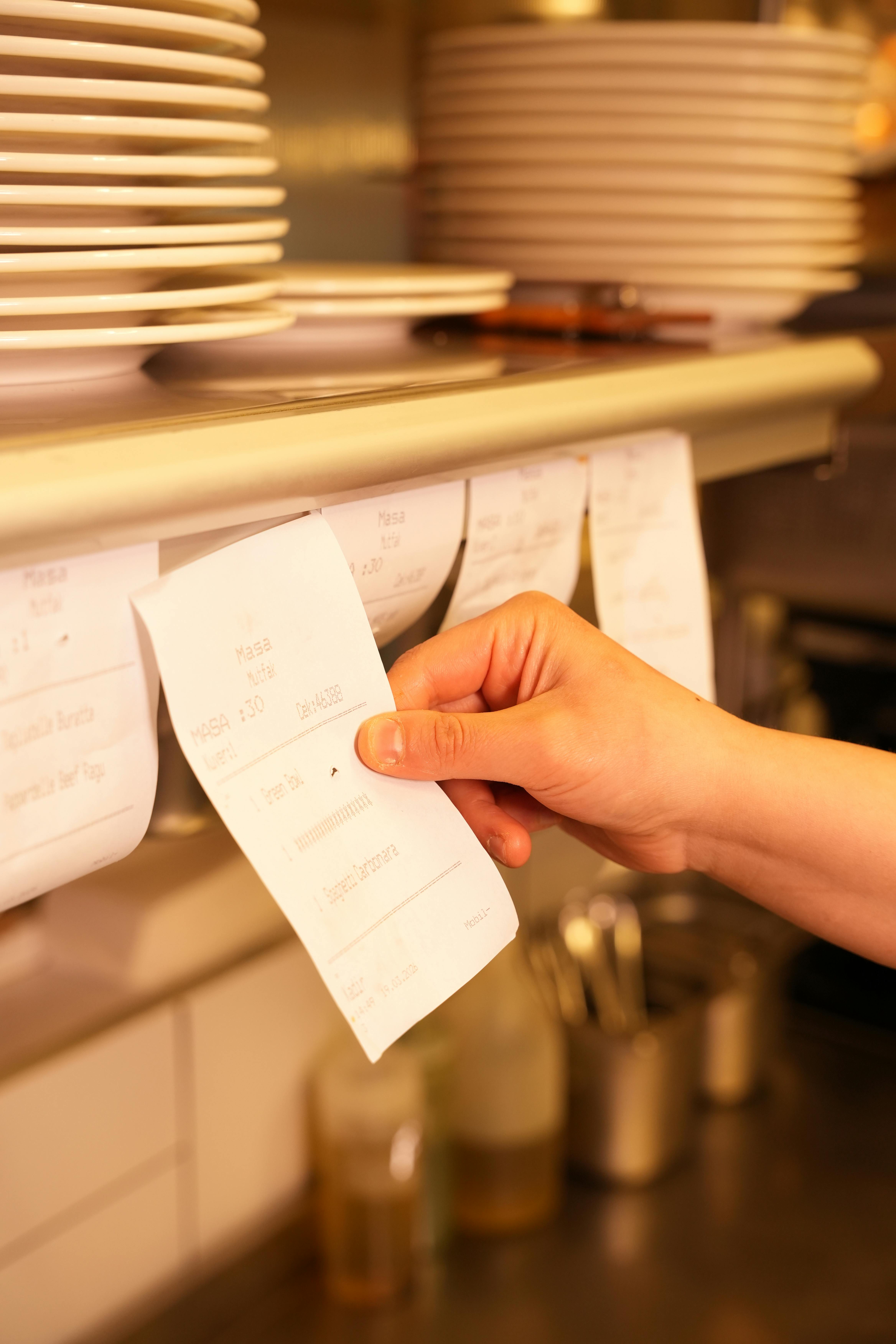
The growth of delivery does not always mean more cooks in a simple one-to-one sense. Instead, restaurants are adjusting roles so teams can handle waves of digital orders that arrive unpredictably and often all at once.
Expediters, bagging staff, and order coordinators are becoming more important, especially in higher-volume urban locations. Their job is to verify items, manage courier handoff, and prevent mistakes that can be expensive when a customer is off-site.
Technology is playing a larger role as well. Integrated point-of-sale systems, kitchen display screens, and demand forecasting tools help reduce bottlenecks and allow managers to schedule labor around ordering patterns instead of dining room intuition alone.
Profitability remains the biggest tension in the delivery boom

More sales do not automatically mean better margins. Third-party delivery platforms can take sizable commission fees, and those costs come on top of packaging, promotion, refunds, and the operational complexity of handling remote orders.
That is why many restaurant owners now treat delivery as a channel that must be actively managed. Some increase menu prices for app orders, some promote direct ordering, and others limit delivery radius to protect food quality and labor efficiency.
According to industry reporting and operator interviews across Canada, the strongest performers tend to know exactly which menu items travel well and which dayparts actually produce profit. Volume alone is no longer the goal. Smart mix matters more.
The next phase will separate efficient operators from everyone else
This shift is still unfolding. As delivery settles into a permanent 20-30% revenue role for many Canadian restaurants, the businesses that adapt fastest will likely gain a durable edge.
That edge may come from ghost kitchens, smaller footprints, or hybrid formats built equally for dine-in, pickup, and courier dispatch. In dense urban markets, the kitchen itself is becoming a logistics hub as much as a culinary space.
For customers, the change may feel simple: tap, order, eat. For restaurants, it is a structural transformation that reaches into every decision, from menu design to staffing to equipment investment. Delivery is not reshaping the edges of the industry. It is reshaping the center.




Leave a Reply