
Costco's biggest pain point may finally be getting serious attention. For many members, the most noticeable change ahead could happen right at the checkout line.
Faster lines may start before you reach the register

Costco is testing a simpler idea than many shoppers expect: scan items before the cart even reaches the cashier. In some warehouses, employees use handheld devices to scan merchandise while members wait in line. That means fewer products need to be lifted, handled, and rescanned once the cart arrives at the front.
This approach matters most during the busiest periods, when long lines can shape the entire shopping trip. Weekends, holidays, and end-of-day rushes often create bottlenecks that frustrate even loyal members. By shifting part of the transaction earlier in the process, Costco can reduce pressure on the register itself.
The system also fits Costco's high-volume model. Shoppers often buy oversized goods, heavy cases, and multi-item carts that take longer to process than a typical grocery basket. Pre-scanning helps cashiers move members through faster without asking customers to completely unload everything.
Handheld scanners could change the flow of the warehouse
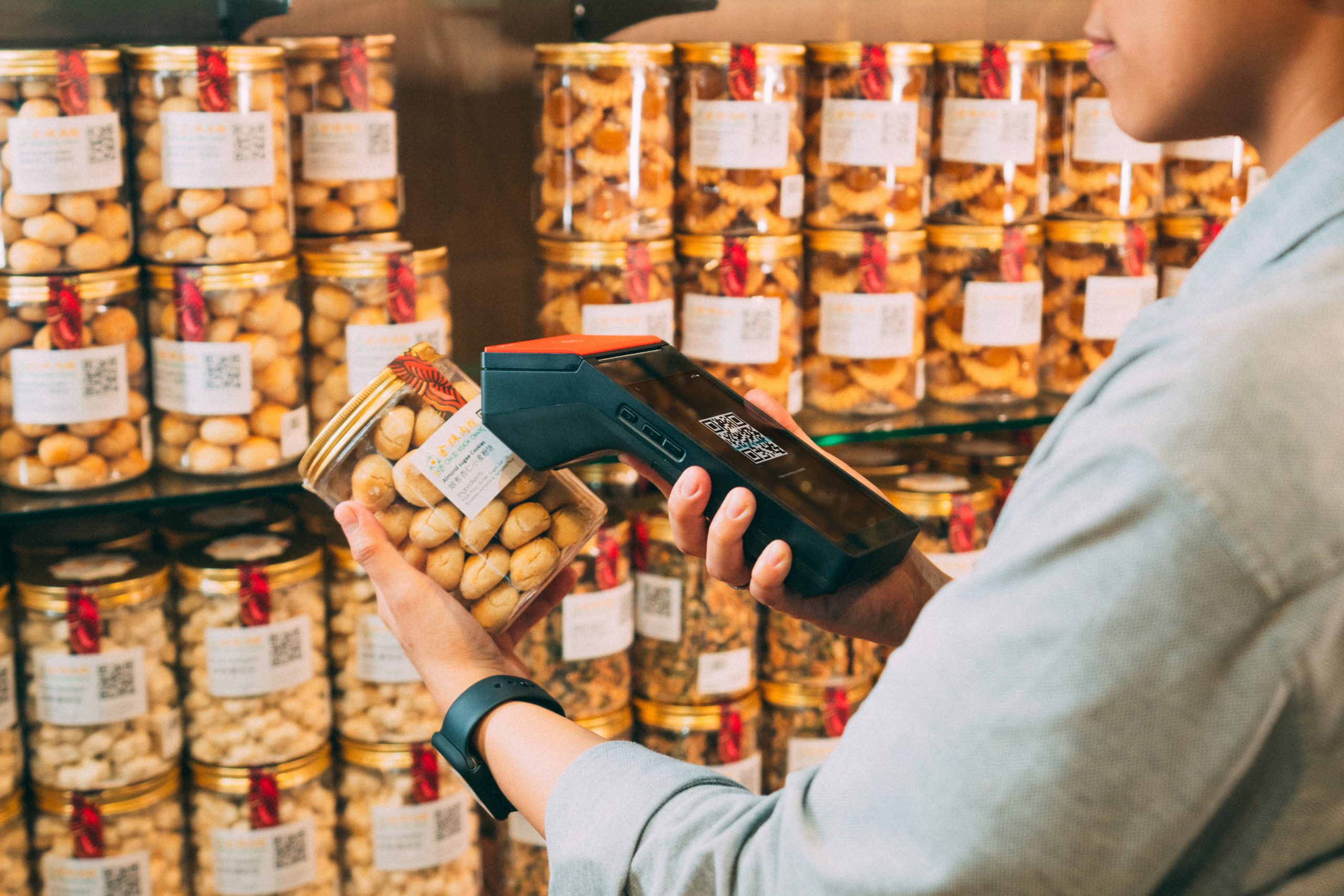
The technology may look small, but its effect on store operations could be significant. A handheld scanner lets an employee verify merchandise directly in the cart, reducing duplicate handling and helping preserve a steady pace at checkout. In a warehouse environment, even a modest improvement in transaction time can add up quickly across hundreds of carts.
Retail analysts have long pointed to friction at checkout as one of the easiest problems to identify and one of the hardest to solve at scale. Costco's model depends on speed, labor efficiency, and high member satisfaction. Any tool that cuts seconds from each order can produce meaningful gains over a full day.
For shoppers, the visible difference may simply be a line that keeps moving. For Costco, the deeper value is operational. Faster carts mean less congestion near front-end lanes, fewer backups around impulse areas, and a smoother rhythm for both employees and members.
Verification technology is becoming part of the member experience
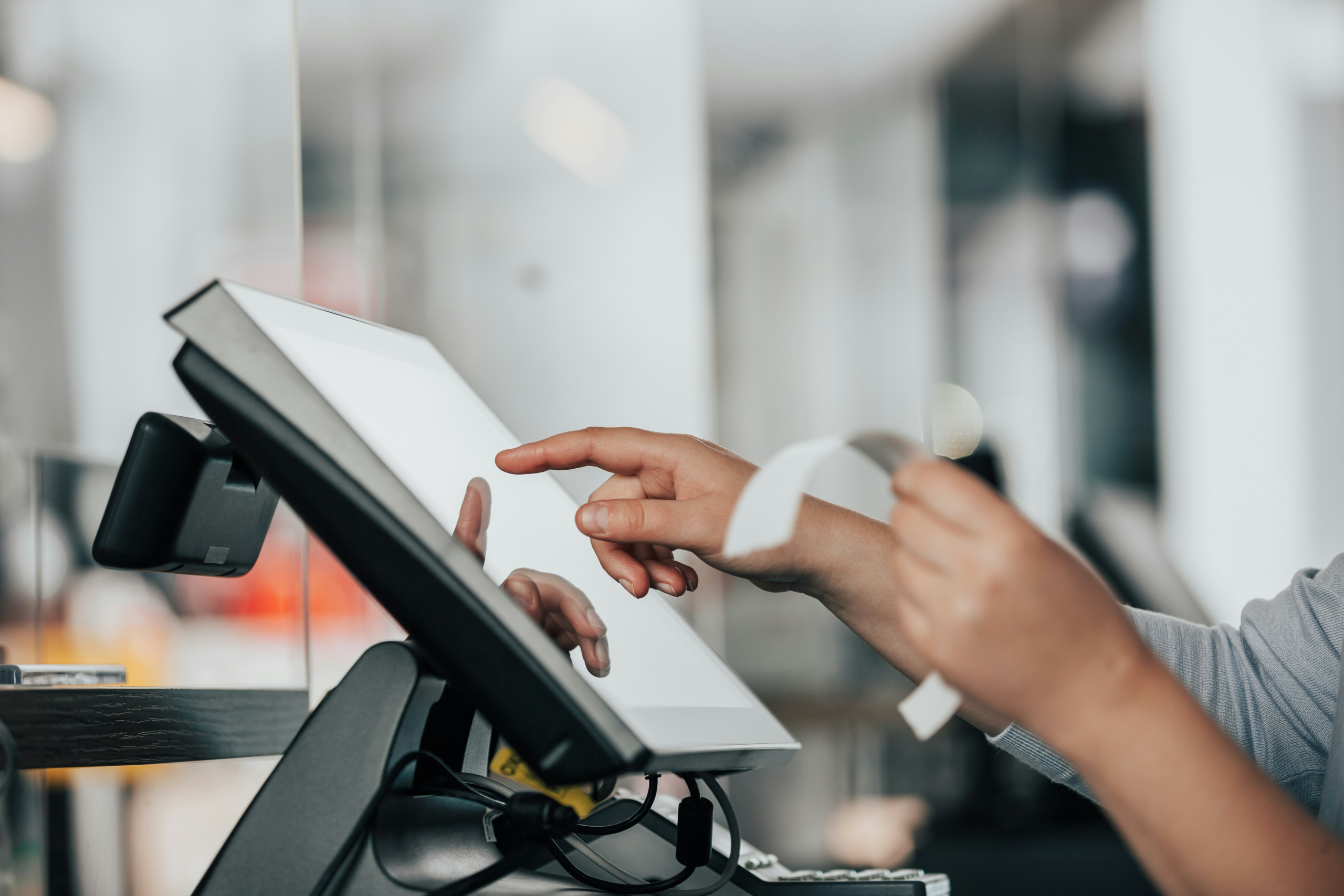
Checkout upgrades are not the only technology members may notice. Costco has also increased membership card verification efforts, a change aimed at limiting unauthorized account sharing and protecting one of the company's most important revenue streams. That effort already signals a broader willingness to use technology more directly in customer-facing moments.
For many warehouse clubs, membership integrity is central to the business model. If more stores pair identity checks with faster checkout systems, Costco could create a front-end experience that is both tighter and quicker. That balance matters because stricter enforcement can frustrate shoppers if it slows entry or payment.
The challenge is execution. Members are usually willing to accept more verification if the process feels efficient and consistent. New technology gives Costco a chance to strengthen rules while avoiding the impression that every visit now comes with extra hassle.
Costco is modernizing beyond the checkout lane

These tests are part of a much broader modernization push. Costco has been investing in warehouses, supply chain improvements, and digital services as competition intensifies across retail. The checkout lane is just the most visible place where shoppers can see that investment in action.
This strategy reflects larger retail trends. Big chains are using automation, mobile tools, and upgraded payment systems to improve throughput without dramatically altering the in-store format customers already understand. Costco appears to be taking the same measured path rather than rushing into flashy but disruptive changes.
That approach makes sense for a retailer with a loyal customer base. Costco shoppers tend to value consistency, low prices, and efficiency over novelty. New technology is more likely to succeed if it quietly removes friction instead of forcing members to learn a completely different shopping routine.
What members are most likely to notice first

The first change many shoppers will notice is not a dramatic new machine but a different interaction with employees near checkout. An associate may approach the cart, scan items in advance, and help prepare the order before it reaches the cashier. The process can feel more organized, especially when carts are packed with bulk items.
Some members may also notice that transactions involve less unloading and fewer repeated movements. Heavy products like bottled water, paper goods, and large food packs are especially good candidates for in-cart scanning. That could make the process feel easier for both shoppers and front-end staff.
Not every warehouse will look the same right away. Costco has not announced a full national rollout timeline, so the experience may vary by location. For now, members should expect gradual testing rather than an overnight transformation across the chain.
Why these changes matter for Costco's future
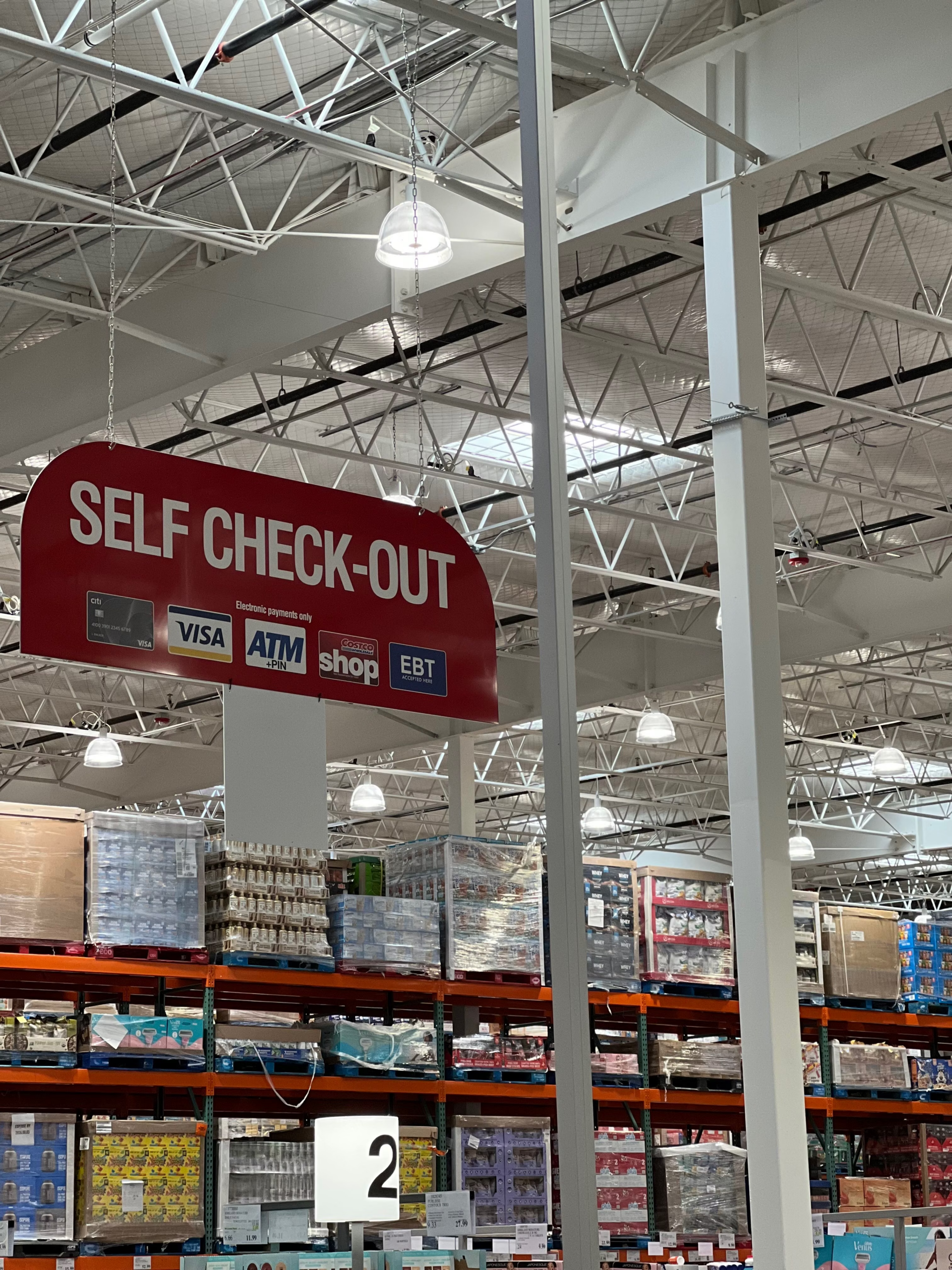
Long checkout lines have been one of the most common complaints about Costco for years. Solving that problem, even partially, could improve satisfaction in a way that shoppers feel immediately. In a membership-based business, those small improvements can support renewals and reinforce loyalty.
There is also a competitive angle. As retailers fight for customer time and convenience, speed matters almost as much as price. Costco does not need to become a tech-first retailer, but it does need to show members that efficiency can improve without sacrificing the value that defines the brand.
If current tests expand, shoppers may soon see a Costco that feels more modern while still familiar. That is likely the company's goal: not reinvent the warehouse trip, but make it faster, smoother, and easier to repeat.



Leave a Reply