
Costco's latest milestone says as much about shopper behavior as it does about corporate scale. In Canada, that behavior has turned into one of the strongest loyalty stories in retail.
A membership milestone that means more than scale
Costco ended its latest quarter with 84.1 million paid members and 150.4 million cardholders, according to company results reported by Canadian Grocer. That is not just a big number. It signals a retail model that keeps convincing people to pay before they even start shopping.
Even more important is what happened after sign-up. Costco's renewal rate in the U.S. and Canada reached 92.3%, a remarkably high figure in an era when consumers regularly cancel subscriptions and switch stores for small savings.
That loyalty is backed by growth in actual shopping behavior. Worldwide traffic rose 3.3%, while average transaction size climbed 5.9%, showing that members are not simply holding onto cards. They are using them often and spending more when they do.
Canadians respond to price trust, not just low prices
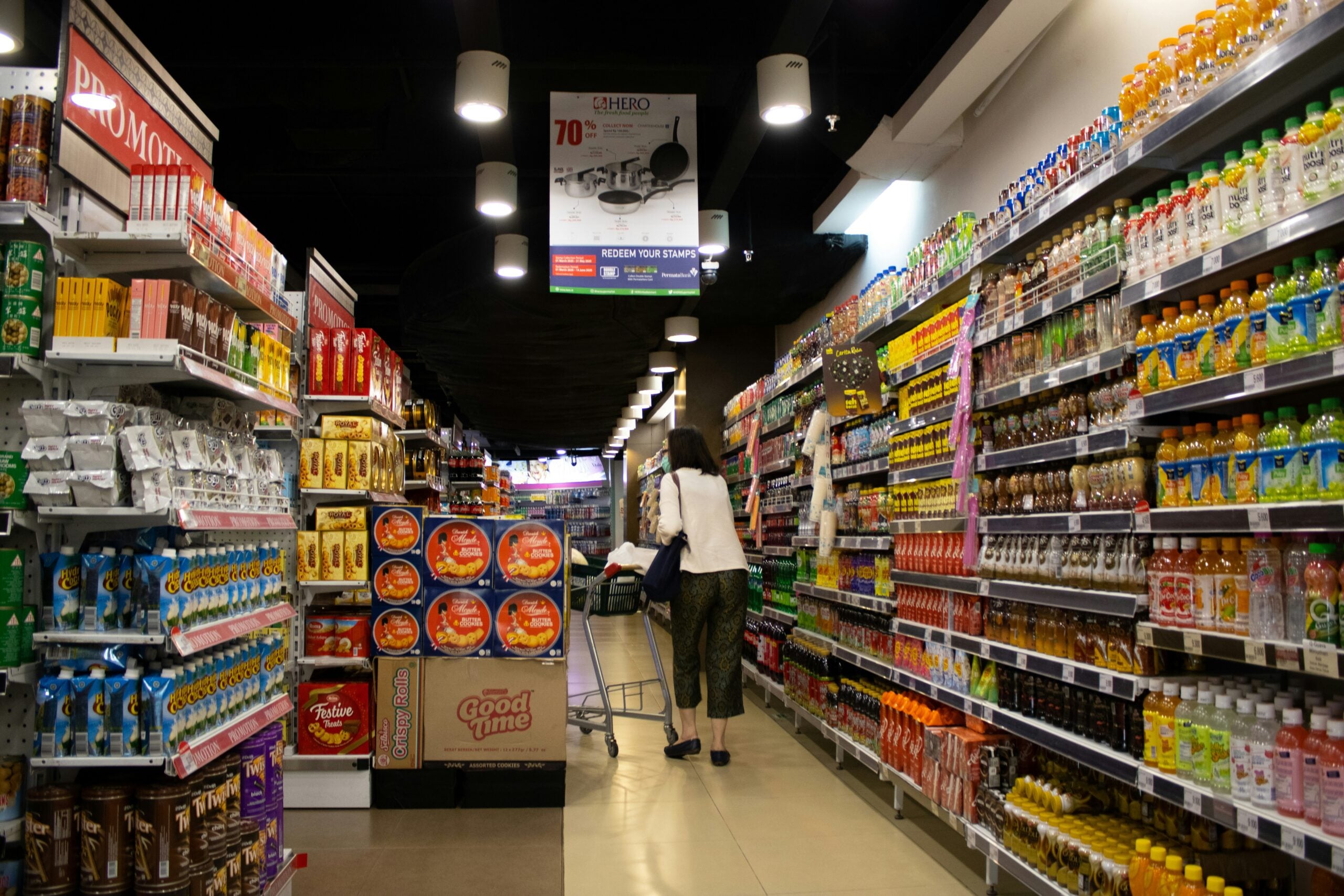
Canadian shoppers have become especially disciplined about value after years of food inflation, high housing costs, and elevated borrowing expenses. In that environment, Costco's biggest advantage is not merely that some items are cheaper. It is that shoppers trust the prices to be consistently fair.
That trust matters because grocery shopping has become mentally exhausting. At many chains, promotions can feel unpredictable, package sizes change, and loyalty offers vary week to week. Costco simplifies the decision by signaling that members are getting strong value without having to decode every shelf tag.
The warehouse format also reinforces that perception. When shoppers buy staples in larger sizes, they can see savings in a concrete way, especially on products they use repeatedly, from meat and bakery items to household paper goods and cleaning supplies.
The Canadian household uses Costco for more than groceries

One reason Canadians stay loyal is that Costco has become part grocery store, part pharmacy, part gas station, and part household stock-up destination. That broad utility makes the membership feel less like a retail fee and more like a practical tool for managing monthly expenses.
Costco's ancillary businesses have been particularly strong, with gas, pharmacy, and travel all growing faster than the overall business. CEO Ron Vachris said the gas business had a record year as members chased value, a pattern that resonates strongly in car-dependent suburban Canadian markets.
When one membership helps lower costs across several categories, the switching barrier rises. A shopper may join for groceries, but they stay because fuel, prescriptions, seasonal purchases, and even occasional travel bookings keep reinforcing the sense that the annual fee pays for itself.
Product strategy keeps members engaged between stock-up trips

Loyalty weakens when stores feel repetitive. Costco avoids that by balancing dependable staples with rotating new items, a strategy executives often describe as a blend of value, quality, and newness.
The latest quarter showed that fresh categories performed well, especially bakery and meat. Food and sundries also grew, led by packaged foods, frozen items, and everyday pantry products that households rely on regardless of economic conditions.
Costco also tracks where demand is moving. CFO Gary Millerchip highlighted stronger sales in healthier packaged foods and protein-focused items such as meat snacks, sardines, canned tuna, chicken, edamame, and granola snacks. In nonfood, health and beauty stood out, including fast-selling K-beauty products.
Digital growth is helping loyalty, not replacing the warehouse
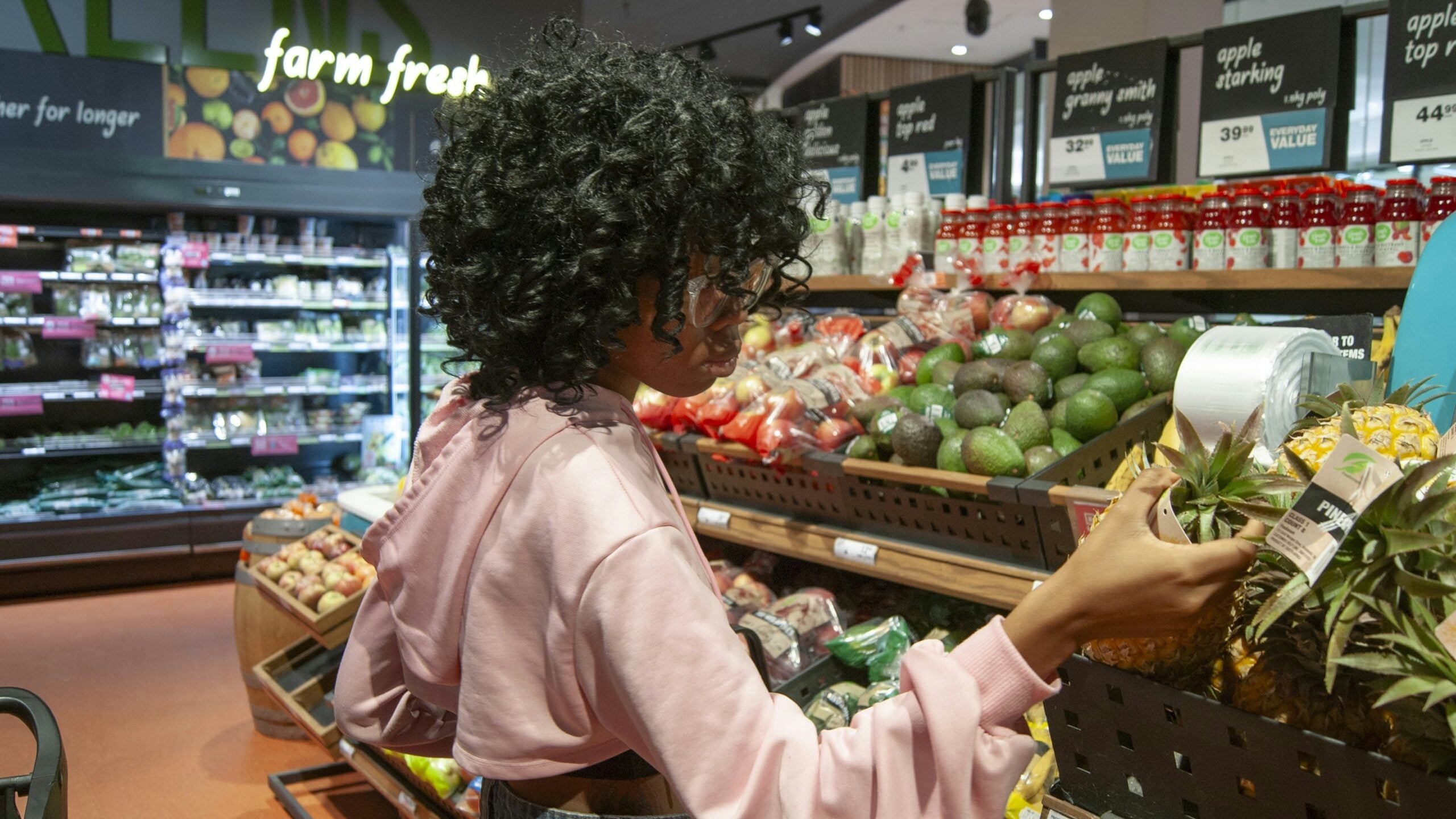
Costco's e-commerce operation is growing faster than its core merchandise business, with digitally enabled comparable sales up 19.5% in the quarter and 20.9% for the fiscal year. That is notable because Costco's model was once seen as heavily tied to in-person treasure-hunt shopping.
Instead of replacing warehouses, digital tools are extending their reach. Expanded delivery partnerships and more online engagement options give members another reason to keep the card active, especially for convenience purchases or replenishment orders between bigger store visits.
For Canadians, this matters because loyalty today is omnichannel. People want the ability to browse, compare, and occasionally order from home, while still relying on the warehouse for major trips. Costco is proving that convenience and bulk retail can coexist.
Why Costco's loyalty edge in Canada looks durable
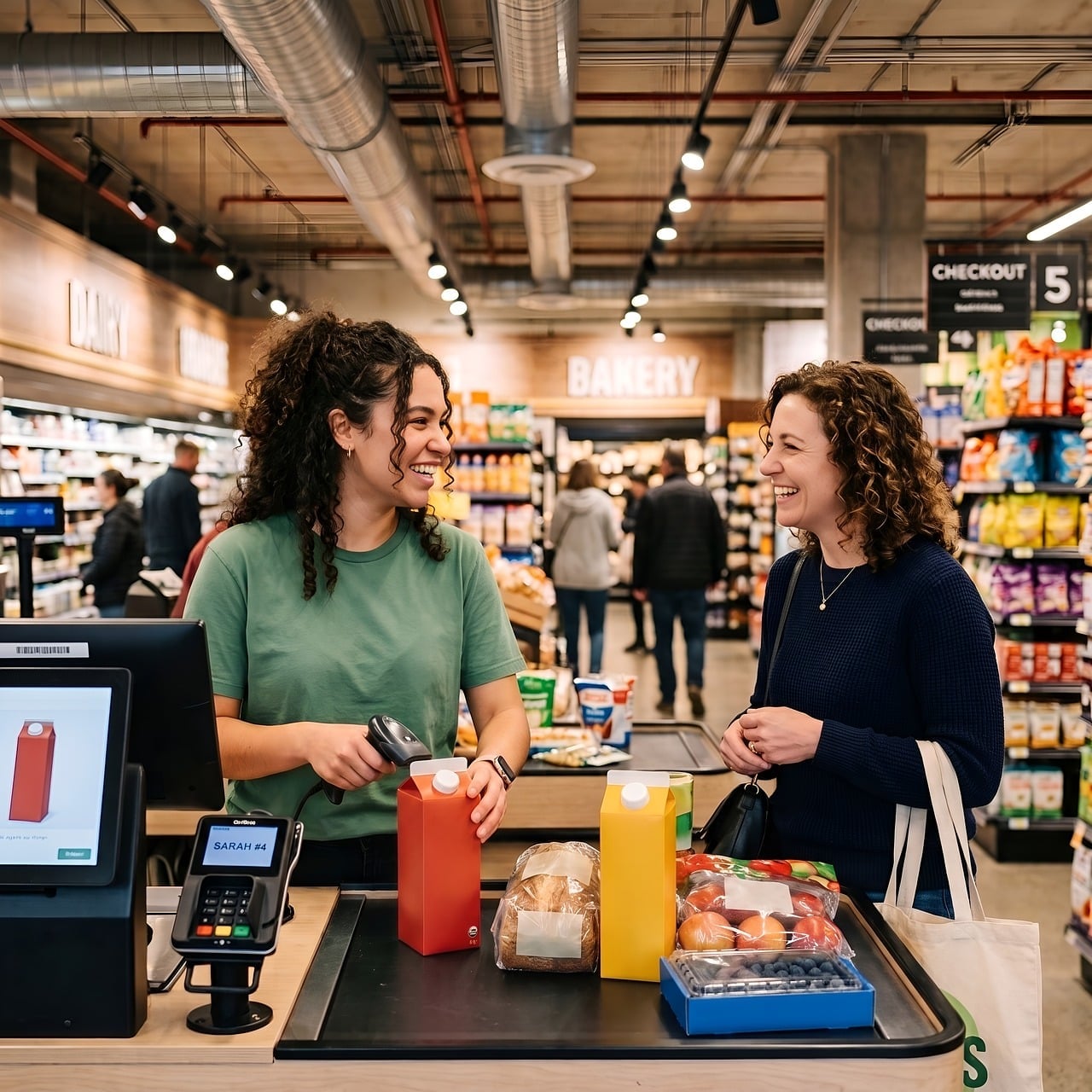
Costco's financial performance shows that its loyalty engine remains powerful. Quarterly net sales rose 11.2% to $93.87 billion, while full-year net sales increased 10.1% to $297.2 billion. Strong sales growth and high renewal rates usually point to a customer relationship that is both emotional and economic.
In Canada, that relationship is especially sticky because it matches how many households now shop. People want fewer trips, fewer pricing surprises, and more certainty that the products they buy will deliver solid quality for the money.
That is why Costco's 84 million-member milestone matters. It is not only evidence of global expansion. It also reflects a simple truth about Canadian consumers: when a retailer repeatedly saves them money, time, and decision fatigue, loyalty stops being promotional and starts becoming habitual.



Leave a Reply