
Food collaborations keep getting stranger, and that is exactly why people pay attention. KD's latest move with Solly's Cream Soda takes a familiar Canadian pantry brand and drops it into full novelty mode.
Why this mashup feels more extreme than past KD stunts

KD has experimented with attention-grabbing products before, including KD Ramen and the much-talked-about KD Mac & Cheesecake concept. Those launches worked because they stretched the brand without completely breaking it. Noodles and dessert still connect, however loosely, to comfort food culture.
This time, the leap is sharper. Cream soda carries a very specific identity: sweet, fizzy, nostalgic, and often brightly colored. Pairing that profile with Kraft Dinner instantly creates a contrast people can picture, question, and debate.
That reaction is not accidental. Food marketers know that surprise drives conversation, especially when the combination feels just plausible enough to try once. The result is a product that functions as both snack-world experiment and social media event.
The brands behind the collaboration know exactly what they are doing
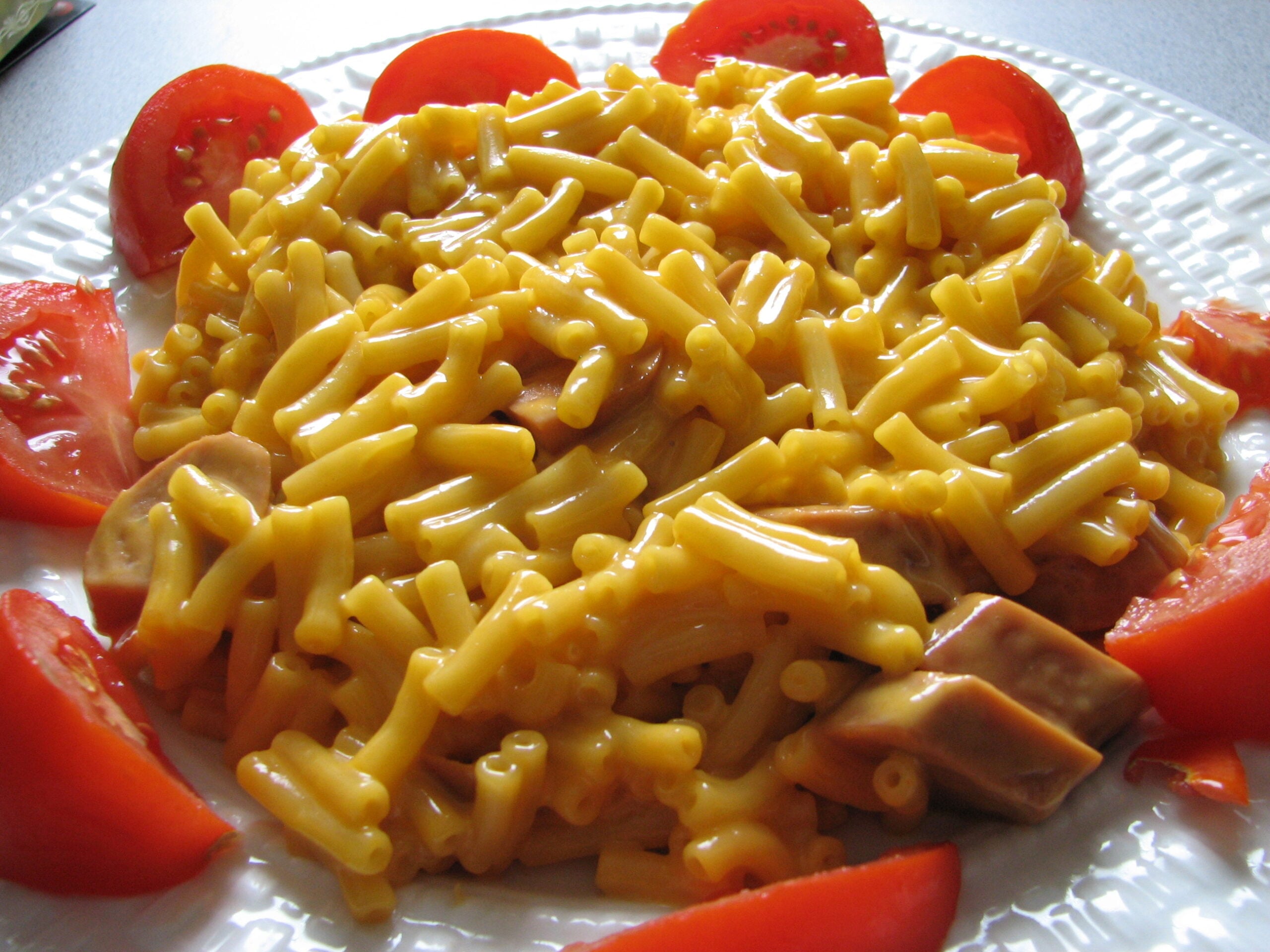
At first glance, KD and Solly's may look like an odd match. In practice, the partnership makes strategic sense because both brands trade heavily on familiarity, comfort, and a distinctly playful sense of indulgence.
KD has spent years evolving from budget staple to cultural symbol. It is no longer just a box of macaroni and cheese. It is a shorthand for childhood meals, student kitchens, and ironic late-night cravings, which gives the brand room to take bigger creative risks.
Solly's Cream Soda brings its own appeal. Cream soda is already a nostalgia product, tied to corner-store treats and old-school soda flavors that feel charmingly over the top. Put together, the two brands create a crossover built to trigger curiosity across generations.
What the flavor experience is likely trying to achieve
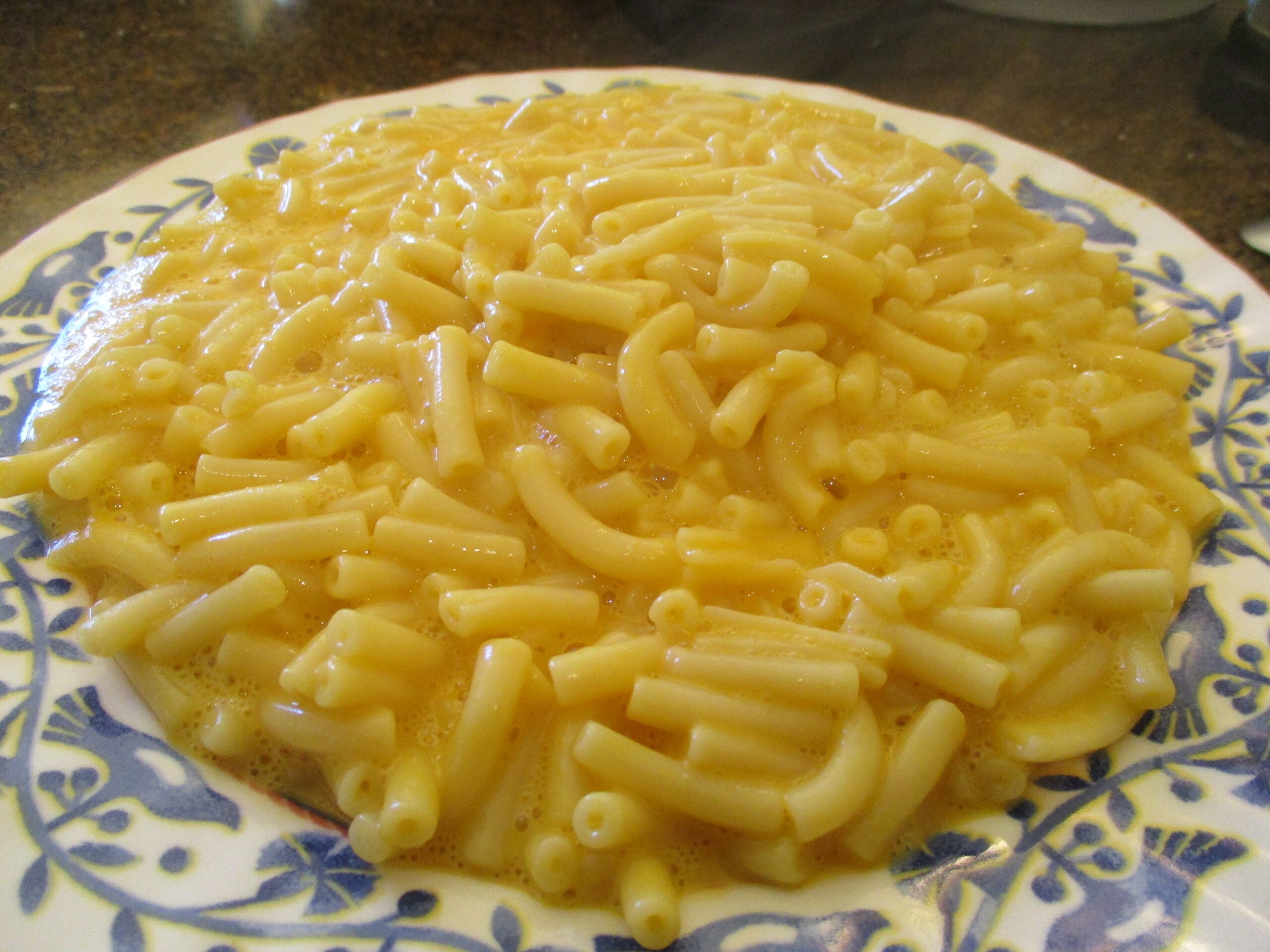
The most interesting part of a product like this is not whether it sounds sensible. It is whether it creates a memorable sensory contrast. Cream soda usually delivers vanilla-like sweetness, soft carbonation, and a candy-shop aroma that instantly signals fun rather than sophistication.
KD, by contrast, is salty, creamy, and deeply savory. That means the collaboration is probably designed less around culinary harmony and more around the thrill of collision. In modern limited-edition food launches, shock value is often part of the taste architecture.
That does not mean the idea is random. Sweet-and-savory pairings already succeed in mainstream foods, from salted caramel to maple bacon. The difference here is intensity: KD x Solly's appears engineered to turn an existing flavor principle into something louder and far more visual.
Why limited-edition food products keep winning attention
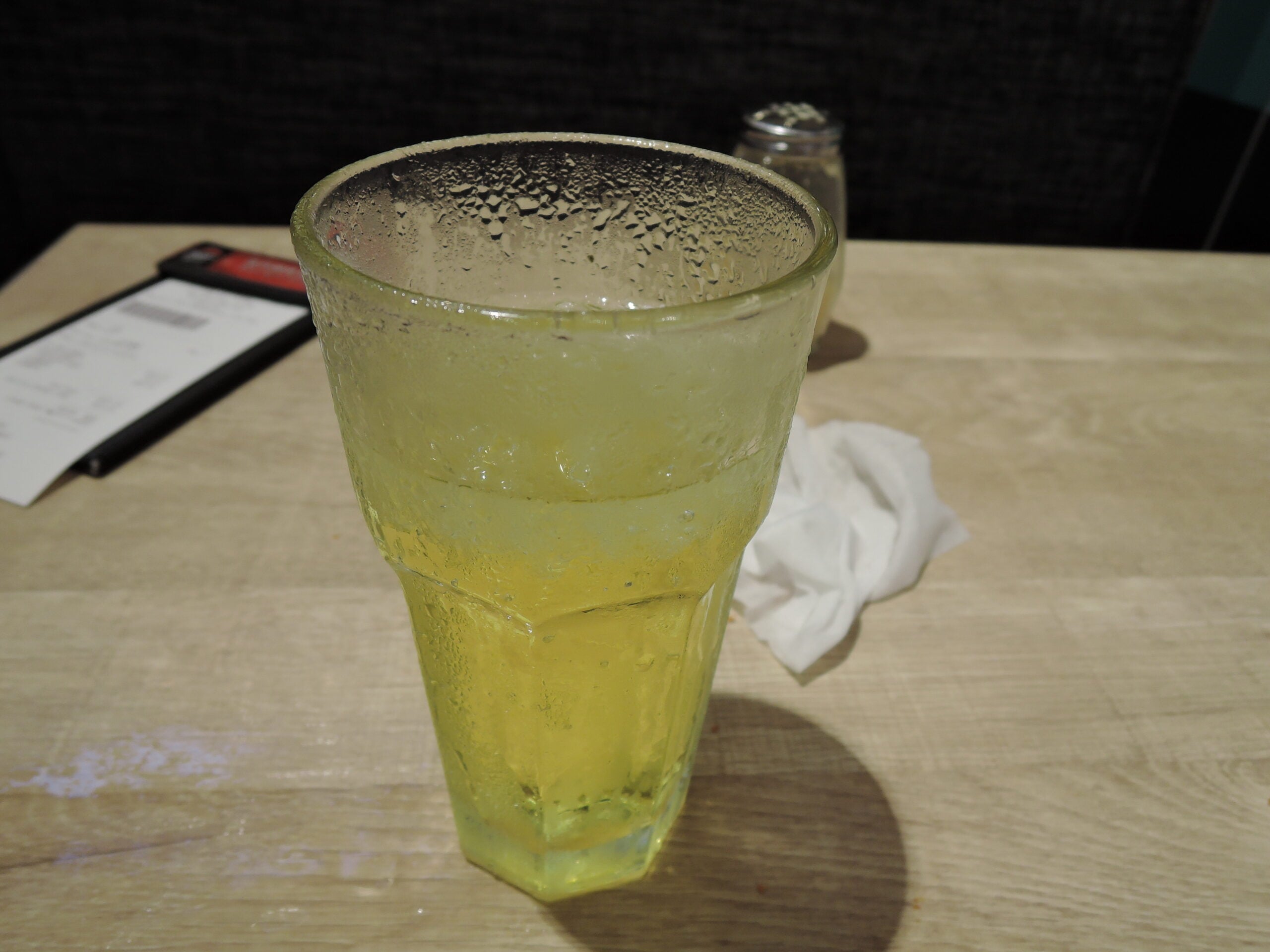
Novelty foods perform well because they offer low-risk adventure. Consumers do not need to commit to a permanent lifestyle change to buy a strange box, pour a bright drink, or post a first-reaction video. The barrier to entry is small, but the entertainment value is high.
That dynamic matters in a crowded grocery and convenience landscape. A standard launch can disappear on shelves, while an unusual collaboration gets discussed before many people even taste it. According to common retail marketing logic, attention itself becomes part of the product's value.
There is also a collector mindset at work. Limited releases create urgency, and urgency boosts trial. Even skeptical shoppers often buy these items for parties, gifts, or curiosity alone, which helps explain why brands keep leaning into increasingly unexpected combinations.
The bigger story is about identity, not just taste
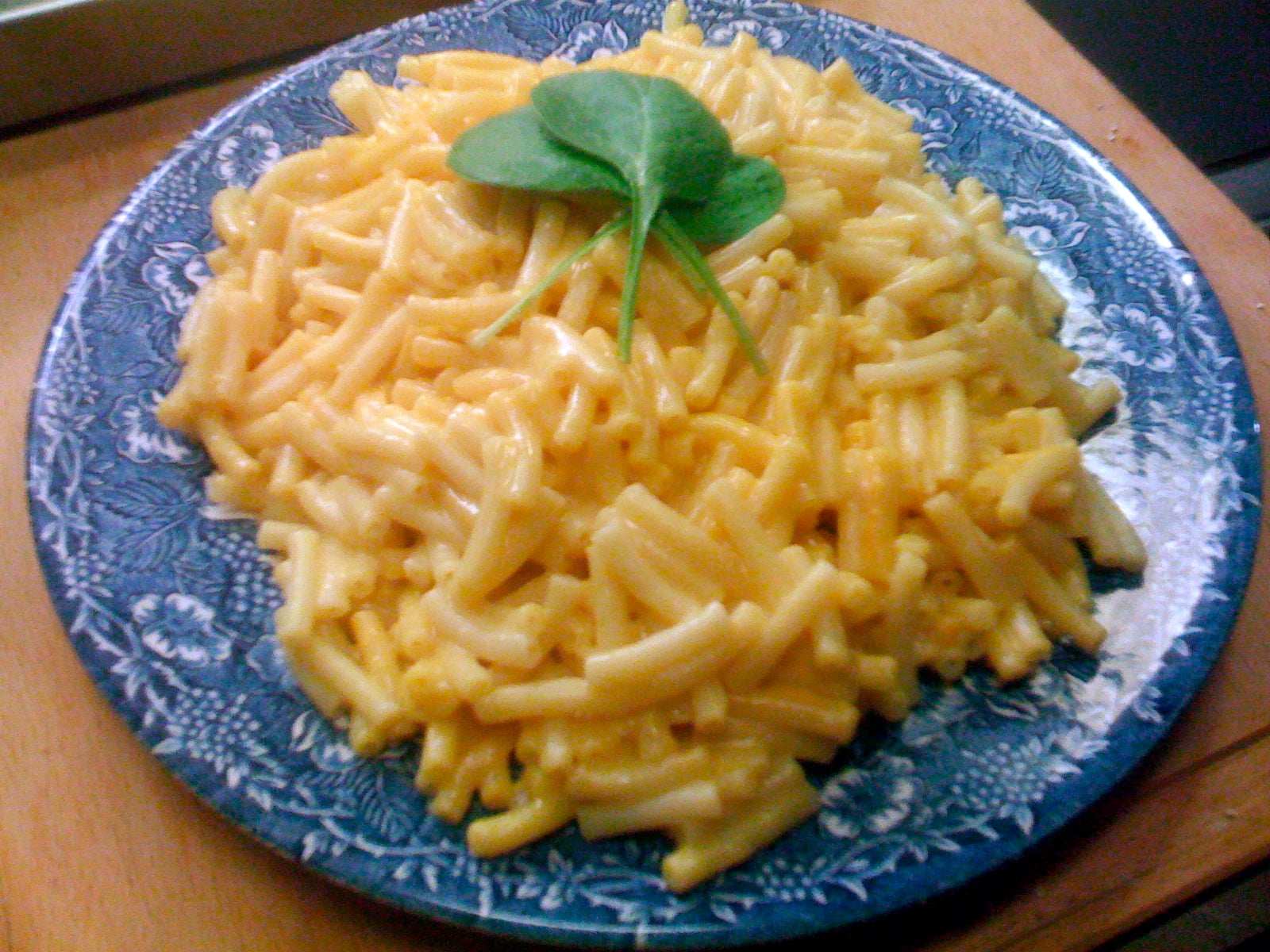
One easy mistake is to treat a launch like this as pure gimmick. In reality, it reflects how major food brands now compete for relevance. Products need to do more than satisfy hunger; they need to signal personality, spark conversation, and fit into shareable online culture.
KD understands this shift especially well. Its recent playbook suggests that staying iconic now means being self-aware and occasionally absurd. A collaboration with Solly's Cream Soda tells consumers that the brand is willing to laugh with them while still banking on affection for its core identity.
That is a powerful balance. Brands that can be both comforting and surprising tend to stay culturally visible longer. In that sense, the real product here may not just be a flavor, but a fresh moment in KD's long-running reinvention strategy.
Will people actually like it, and does that even matter?
Some shoppers will genuinely enjoy the novelty, while others will try it once for the story. That split is common with high-concept launches, and it does not necessarily signal failure. Success is often measured in buzz, trial, and brand lift as much as repeat purchase.
If the product tastes better than expected, that is a bonus. If it tastes strange but memorable, it can still win commercially by keeping both brands in public conversation. In today's food landscape, being unforgettable often matters more than being universally loved.
So if KD Ramen and KD Mac & Cheesecake felt wild, KD x Solly's Cream Soda is the logical next step in brand experimentation. It is weird on purpose, smart in design, and perfectly built for a culture that rewards curiosity almost as much as flavor.




Leave a Reply