
Some chip flavors vanish so quietly that even frequent snack buyers forget they ever existed. Yet many of those discontinued varieties say a lot about how food trends rise, peak, and disappear.
Cajun Squirrel
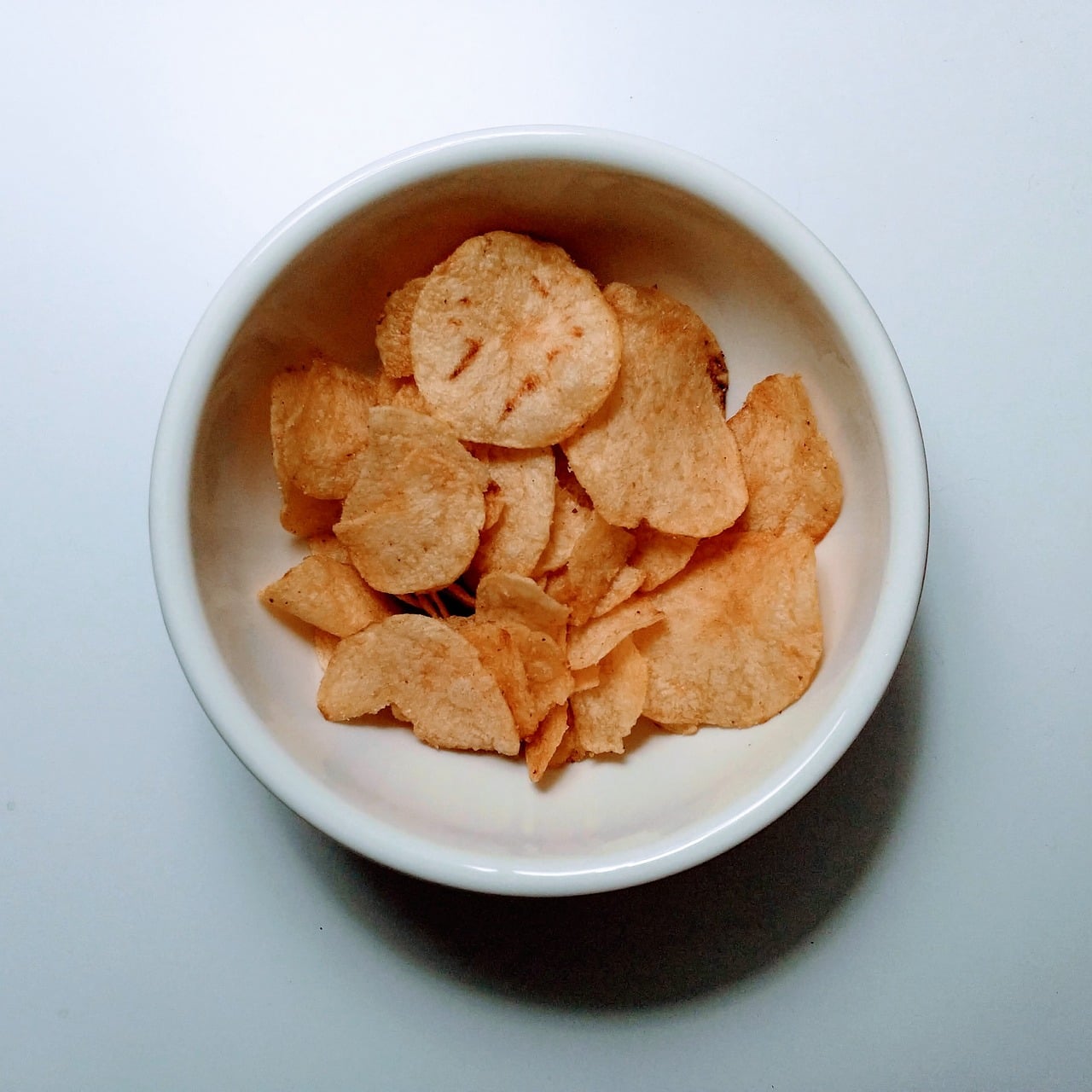
Few potato chip flavors caused as much double-take confusion as Cajun Squirrel. Walkers introduced it in the United Kingdom in 2009 as part of its "Do Us a Flavour" campaign, a crowdsourced promotion that invited the public to invent unusual tastes. The idea alone made headlines because squirrel is not an everyday food for most consumers, and the spicy Cajun framing made it even more eccentric.
What made the flavor memorable was not simply shock value. Reviewers at the time often described it as savory, peppery, and closer to seasoned game or smoky barbecue than its name suggested. In other words, the flavor was built to be edible first and provocative second, which is one reason it gained a cult following after its limited run ended.
Its disappearance also reflects how novelty works in the snack aisle. Consumers may buy one bag for the joke, but repeat sales require familiarity and comfort. Cajun Squirrel succeeded as a conversation piece, yet it never had the broad household appeal needed for long-term shelf space.
Cappuccino
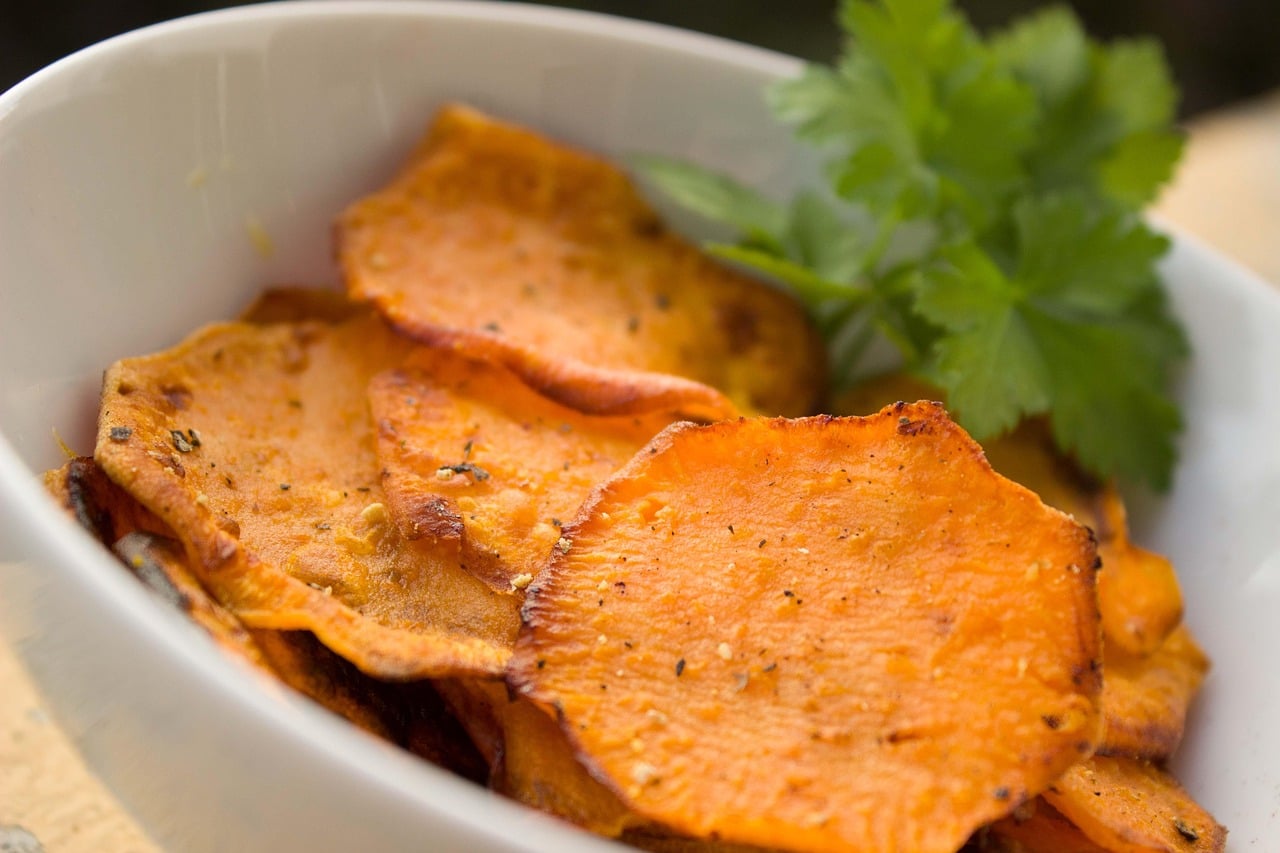
Sweet chips are not new, but cappuccino-flavored potato chips still sound like a product invented on a dare. Pringles tested this flavor in limited markets during the 2014 holiday season, pairing the salty crisp base with coffeehouse notes like cream, cinnamon, and a faint roasted bitterness. The result landed in a strange middle ground between dessert snack and breakfast experiment.
Consumer reaction was sharply divided. Some tasters enjoyed the sweet-salty contrast, which had already proven successful in kettle corn, chocolate-covered pretzels, and maple bacon products. Others found the aroma unsettling because coffee flavor on a potato chip challenged expectations in a way that sweet coatings on popcorn never do.
That disconnect helps explain why the flavor slipped away so quickly. Snack companies often use seasonal launches to test boundaries without promising permanence. Cappuccino chips became a vivid example of how an interesting idea can earn attention, social media chatter, and curiosity purchases without ever becoming a true staple.
Cheeseburger
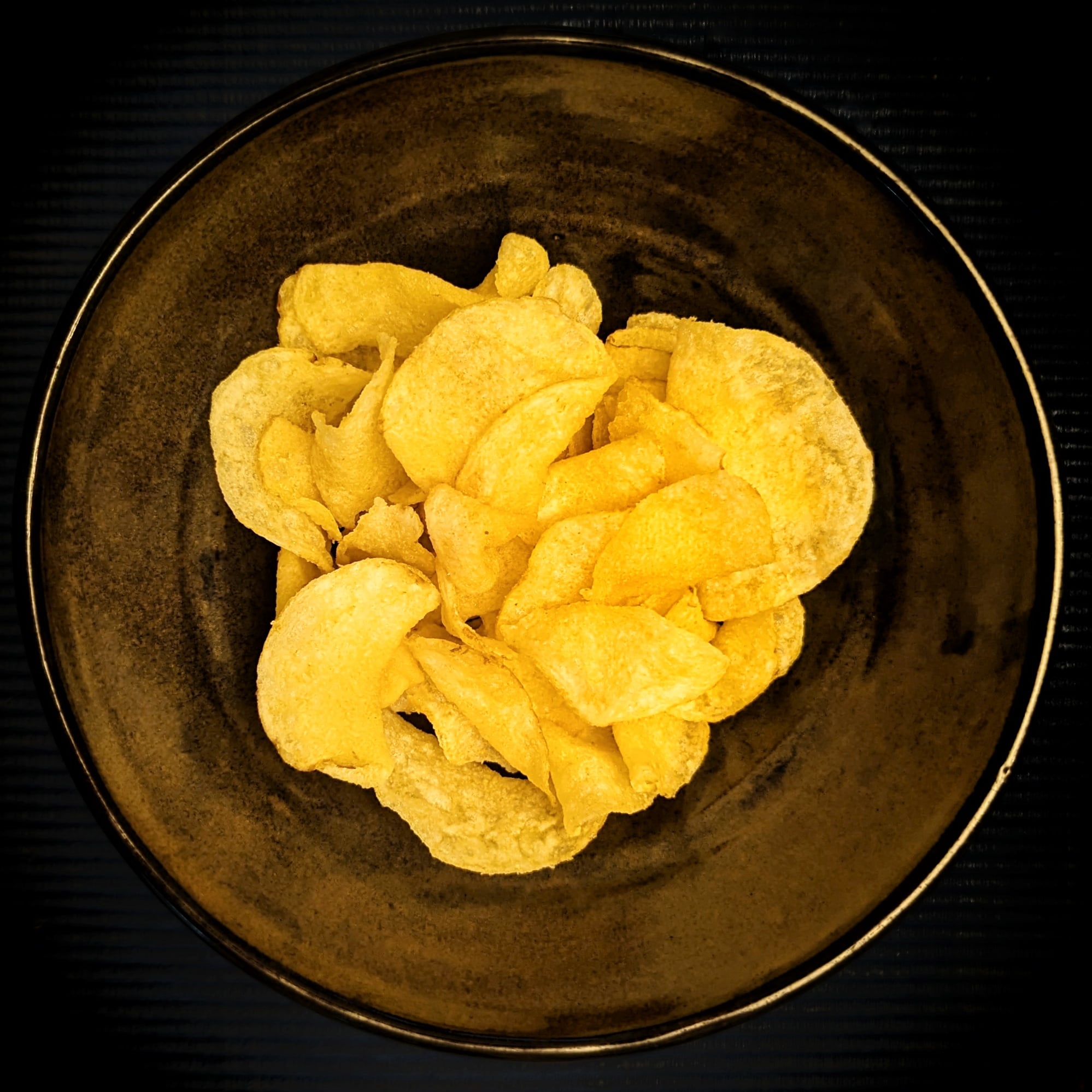
A full diner meal turned into a chip was always going to be ambitious. Several brands, including Walkers and later Pringles in certain markets, experimented with cheeseburger-inspired flavors that tried to mimic beef, cheese, onion, mustard, and pickle in one bite. It was part of a larger industry push to transform familiar fast-food combinations into portable snack form.
The challenge was balance. A good cheeseburger works because its elements are layered, warm, and texturally varied, while a potato chip has one temperature and one crunch. Flavor scientists can reproduce smoky, tangy, and umami notes, but translating the full experience into a dry seasoning is considerably harder than it sounds.
Even so, cheeseburger chips remain fascinating because they anticipated modern mash-up foods. Today, consumers are more comfortable with burger-flavored crackers, sandwich-inspired dips, and savory novelty snacks. In that sense, cheeseburger chips may have arrived slightly ahead of the moment that could have sustained them.
Cinnamon & Sugar
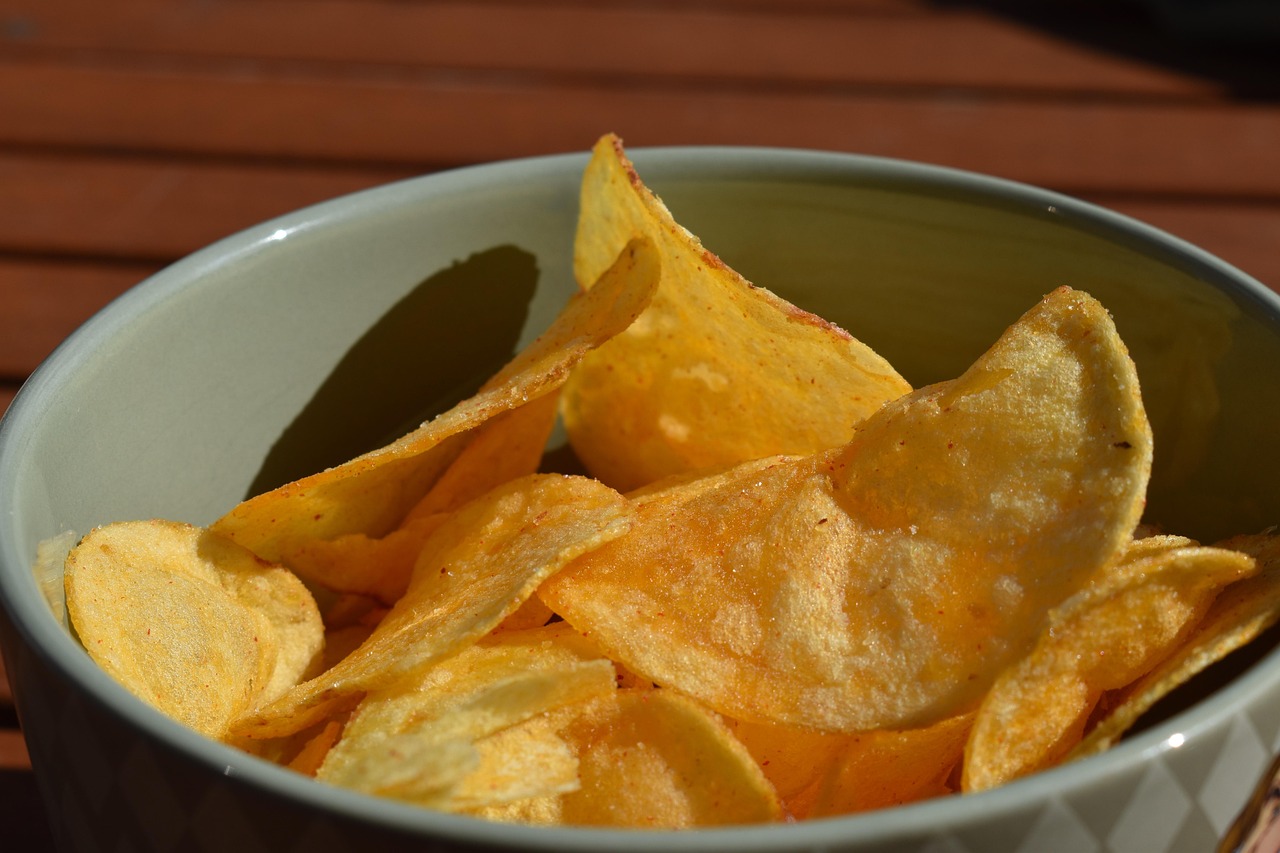
The idea of cinnamon and sugar on a potato chip sounds less outrageous than many failed flavors, which is exactly why its disappearance is so interesting. Brands such as Lay's have tested sweet chip concepts in limited runs, and this profile leaned into a flavor combination already loved on toast, churros, and fried dough. On paper, it had far more mainstream potential than many savory oddities.
The issue was identity. Consumers who want a sweet crunchy snack often reach for cookies, cereal, caramel corn, or tortilla chips dusted with dessert-style seasoning. A potato chip still signals salt, oil, and a savory eating occasion, so even a pleasant flavor can feel mismatched if the category cues are too strong.
That tension matters in product development. Food companies do not just sell taste, they sell expectation. Cinnamon and sugar chips may have been perfectly decent, but they struggled against the deeply ingrained idea of what a potato chip is supposed to be.
Ketchup
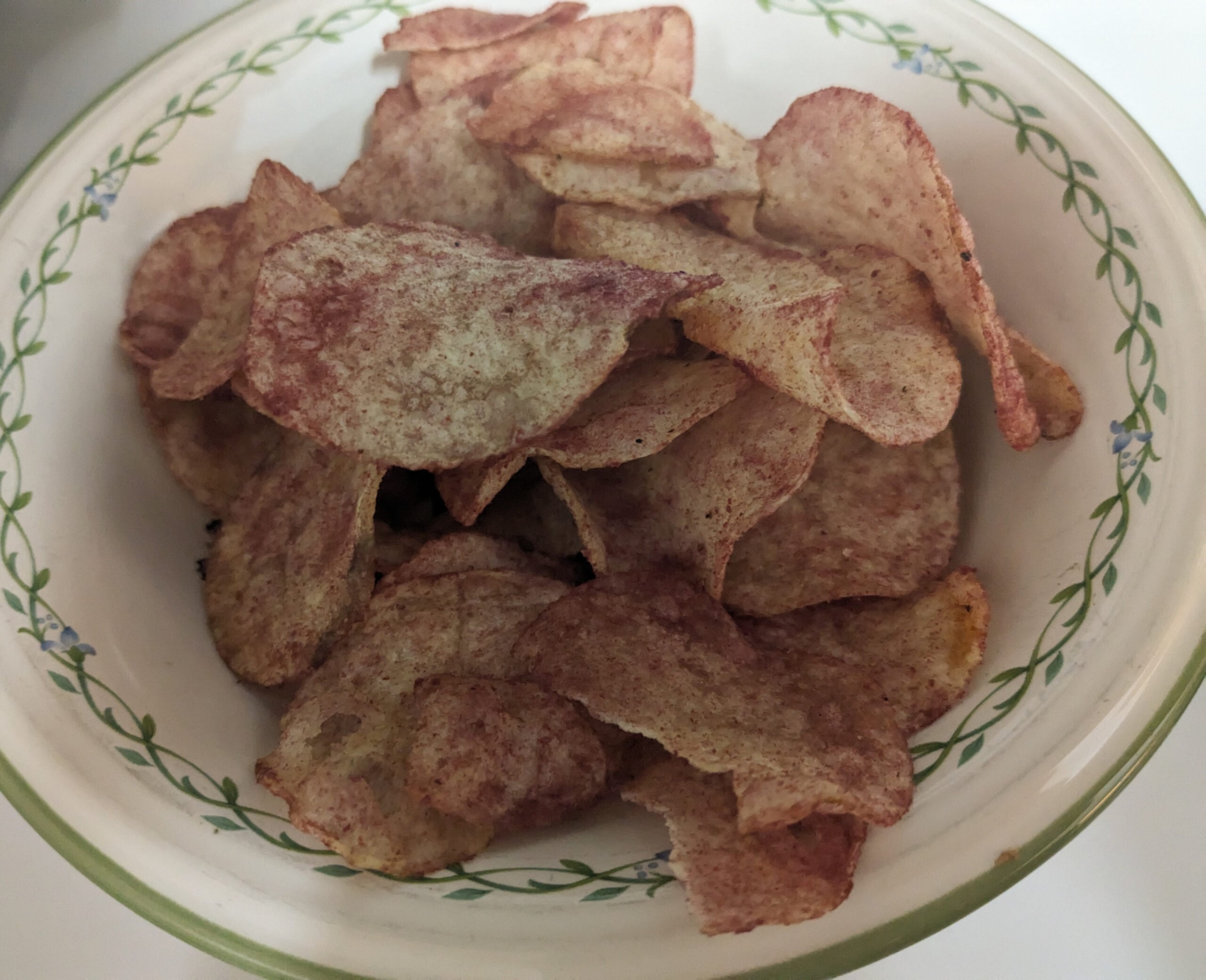
In Canada, ketchup chips never truly disappeared, but in many other places they remain a forgotten or misunderstood curiosity. Their bright red seasoning and sweet-tangy profile have long made them a national staple north of the border, yet attempts to broaden their reach have often been inconsistent. For American shoppers in particular, ketchup chips tend to reappear briefly and then retreat again.
The flavor itself is more complex than the label suggests. Good ketchup chips usually combine tomato powder, vinegar tang, sugar, onion, and a little spice, creating something closer to barbecue and salt-and-vinegar blended together. That layered profile helps explain why devoted fans speak about them with surprising loyalty.
Their uneven history shows how strongly regional taste can shape snack success. What feels ordinary in one country can seem niche in another, even when the underlying ingredients are familiar. Ketchup chips were never inherently too strange, only too culturally specific to spread easily.
Prawn Cocktail
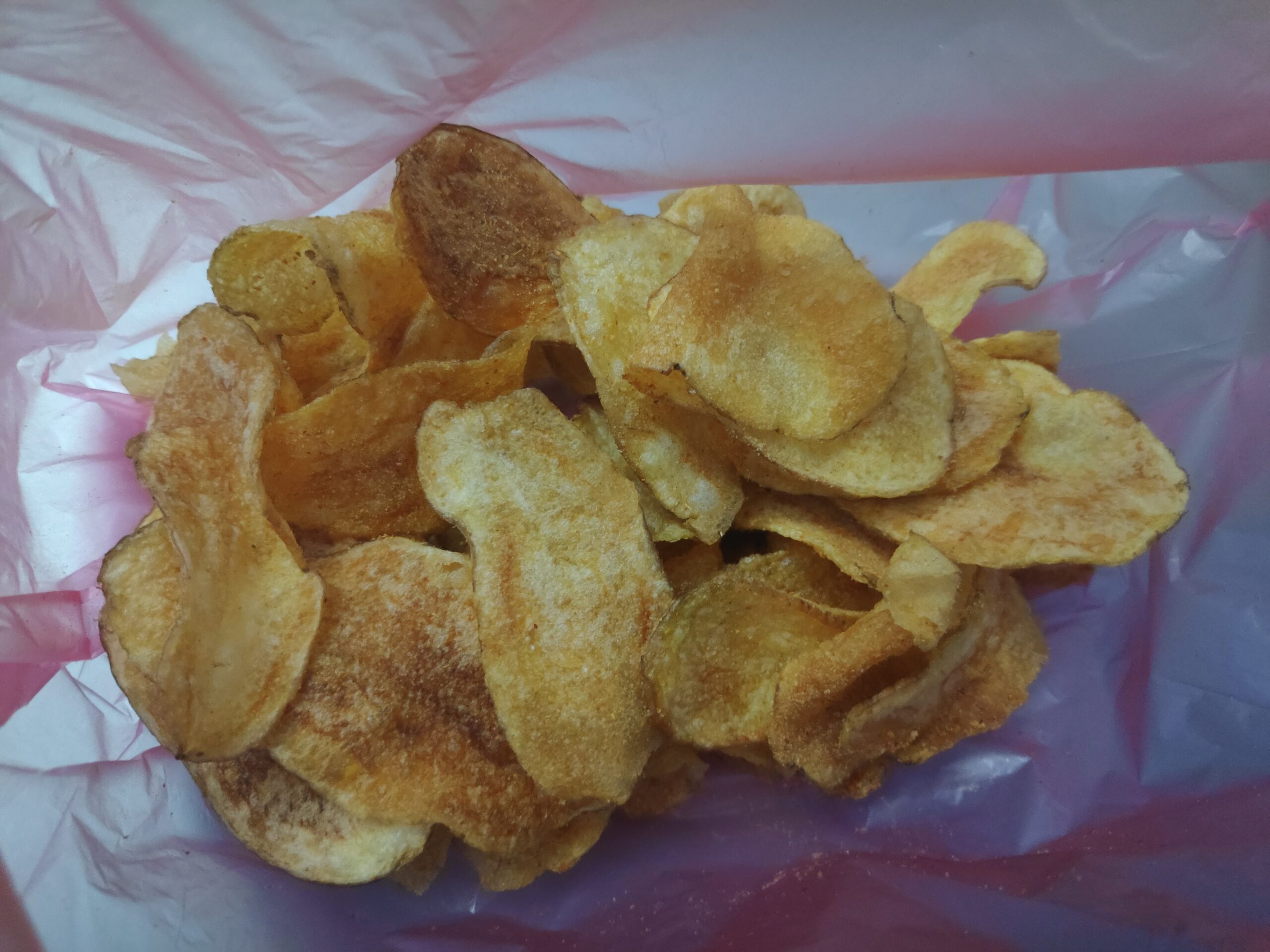
British snack aisles have long embraced flavors that puzzle outsiders, and prawn cocktail is one of the best examples. This variety, associated especially with Walkers and other U.K. brands, draws on the classic seafood starter made with prawns and a tangy pink sauce. The chip version typically emphasizes tomato, vinegar, sugar, and a light shellfish note rather than heavy seafood intensity.
That balance is why the flavor endured for years in one market while remaining obscure elsewhere. To British consumers, it reads as nostalgic and familiar, tied to older restaurant menus and party food culture. To many international buyers, however, the name alone suggests a far stronger seafood taste than the chip actually delivers.
As food historians often note, nostalgia is one of the strongest drivers in packaged snacks. Prawn cocktail chips survived where the memory meant something. Outside that context, they were easy to dismiss, which is why so many people elsewhere barely remember them.
Wasabi Ginger
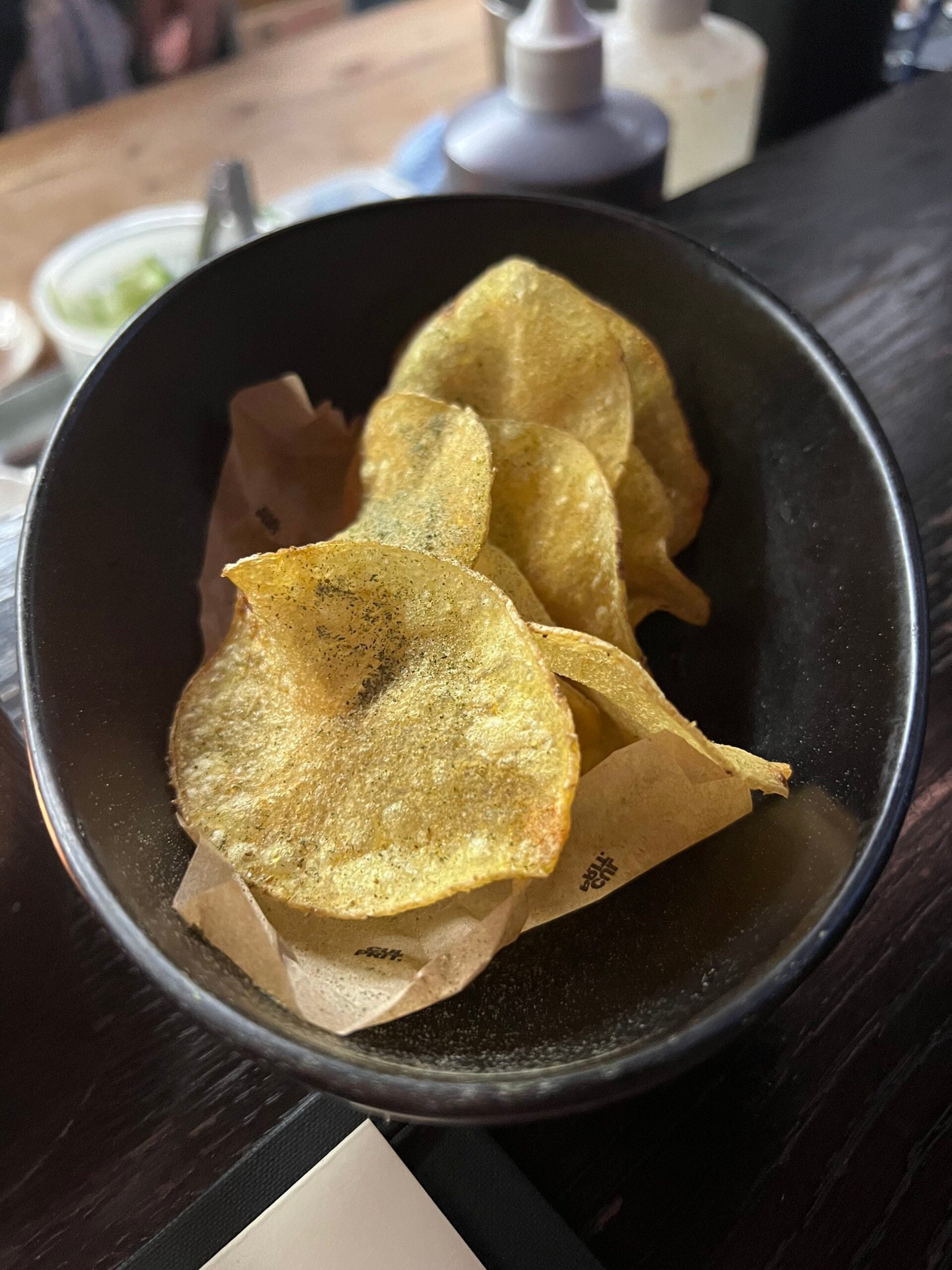
Some forgotten chip flavors aimed for sophistication rather than shock, and wasabi ginger fit that model neatly. Kettle Brand released a limited-edition version that leaned into Japanese-inspired pantry notes, combining sharp wasabi heat with the cleaner, lightly sweet edge of ginger. At a time when consumers were becoming more adventurous, it looked like a smart move toward upscale snacking.
The flavor profile was arguably too restrained for some buyers and too unusual for others. Wasabi fans often expect a strong sinus-clearing punch, while casual snackers may prefer familiar seasonings like sour cream, cheddar, or jalapeño. When a flavor lands between specialty and mainstream, it can struggle to build a large, dependable audience.
Still, wasabi ginger deserves remembering because it represented a real shift in the chip business. It showed that brands were no longer drawing only from burgers, barbecue, and cheese, but also from global flavor systems. Even if it faded, it helped open the door for the internationally inspired snacks now common on store shelves.



Leave a Reply