
Some of the healthiest foods in Canada are not exotic, expensive, or trendy. They are the familiar staples sitting in kitchen cupboards, lunch bags, and weeknight dinners across the country.
Potatoes are far more than "empty carbs"

The potato has spent years being blamed for everything from weight gain to blood sugar spikes. Yet nutritionists often note that plain potatoes are rich in potassium, vitamin C, vitamin B6, and filling carbohydrates that help fuel the brain and muscles.
Preparation changes the story. Deep-fried potatoes loaded with salt and fat are not the same as roasted, boiled, or baked potatoes. Eaten with the skin, they also provide useful fiber, especially when part of a meal with protein and vegetables.
There is another overlooked advantage. Cooked and cooled potatoes develop resistant starch, which behaves more like fiber and may support gut health and steadier blood sugar responses. That makes leftover potato salad or chilled boiled potatoes more nutritionally interesting than many people realize.
Peanut butter delivers more than comfort

For many Canadians, peanut butter is a lunchbox classic, not a health food. But nutritionists consistently rate natural peanut butter as a practical source of plant protein, unsaturated fat, magnesium, niacin, and vitamin E.
Its staying power is one of its best traits. Spread on whole grain toast or paired with apple slices, peanut butter can slow digestion and improve satiety, helping people stay full longer than they would with refined snacks alone.
The key is choosing the right kind and the right portion. Peanut butter with minimal ingredients, ideally just peanuts and perhaps a little salt, avoids the added sugars and hydrogenated oils found in some older formulations. In sensible amounts, it is nutrient-dense rather than something to fear.
Eggs have made a nutritional comeback

Eggs were once treated cautiously because of their cholesterol content. Today, most nutrition experts take a broader view, noting that for many healthy people, dietary cholesterol has a smaller effect on blood cholesterol than once believed.
What eggs offer is impressive for their price. They provide high-quality complete protein, choline for brain and nerve function, selenium, vitamin B12, and lutein and zeaxanthin, two antioxidants linked to eye health.
They are also remarkably versatile, which increases the odds that people will actually use them well. Scrambled with vegetables, boiled for snacks, or added to grain bowls, eggs turn simple meals into more balanced ones without much cost or effort.
Canned salmon is one of the smartest pantry buys

Fresh salmon gets praise, but canned salmon deserves more credit than it usually receives. It is rich in protein and omega-3 fatty acids, nutrients associated with heart health, lower inflammation, and better overall diet quality.
In many canned varieties, the soft edible bones are included, which adds a substantial calcium boost. That makes canned salmon especially useful for people who do not eat much dairy or who want another convenient way to support bone health.
Its shelf stability is another nutritional advantage in practice. Foods only help if people keep them on hand, and canned salmon makes it easier to throw together a quick lunch or dinner with crackers, salad, potatoes, or whole grain pasta.
Oatmeal is a quiet powerhouse at breakfast
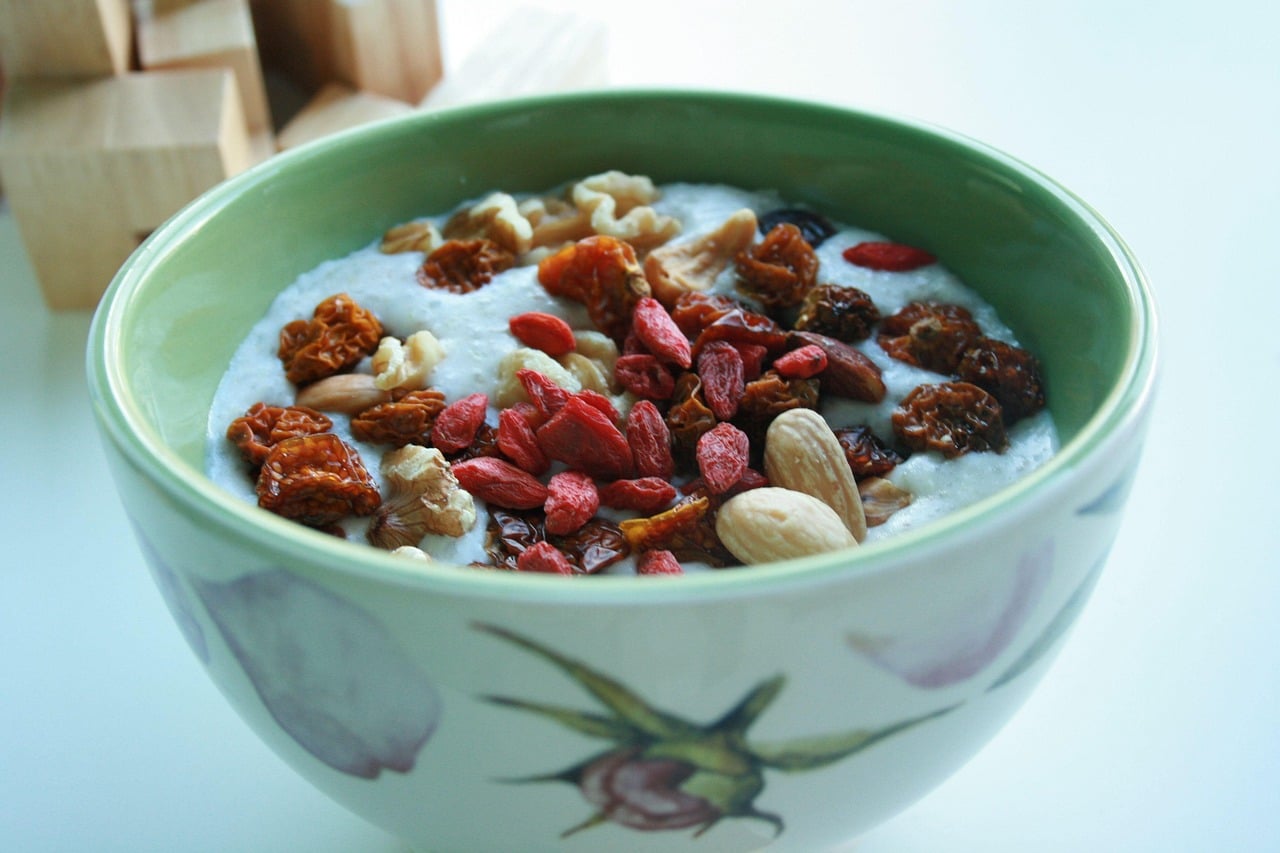
Oatmeal often gets overshadowed by high-protein trends, yet it remains one of the most evidence-backed breakfast foods available. Oats contain beta-glucan, a soluble fiber known to help lower LDL cholesterol and support heart health.
That same fiber also promotes fullness. People who start the day with oatmeal often find it easier to avoid the mid-morning crash that follows sugary cereals or pastries, especially when oats are topped with nuts, seeds, yogurt, or fruit.
Oats also support gut health in a practical way. Their fiber feeds beneficial gut bacteria, and because they are inexpensive, widely available, and easy to prepare, they can improve diet quality consistently rather than occasionally.
Yogurt supports the gut, bones, and appetite

Yogurt is sometimes dismissed because flavored versions can contain added sugar. But plain or lightly sweetened yogurt remains one of the most useful staples nutritionists recommend, especially Greek yogurt and other higher-protein styles.
It offers calcium, protein, potassium, and often probiotics, depending on the product. Those live cultures may support digestive health, while the protein helps maintain fullness and muscle health across the lifespan, including in older adults.
Yogurt also adapts well to real meals. It can replace sour cream, become the base of dips and dressings, or serve as breakfast with berries and oats. That flexibility helps people eat better without feeling like they are following a strict diet.
Cabbage is a bargain vegetable with serious benefits

Cabbage rarely gets the excitement given to kale or spinach, but nutritionally it belongs in the same conversation. It is low in calories and provides vitamin C, vitamin K, fiber, and protective plant compounds found in cruciferous vegetables.
Those compounds, including glucosinolates, have been studied for their role in supporting the body's natural defense systems. While no single vegetable prevents disease on its own, regular intake of cruciferous vegetables is consistently linked with better long-term health outcomes.
Cabbage also succeeds where many healthy foods fail. It is cheap, stores well, and works in soups, stir-fries, slaws, roasted dishes, and fermented foods like sauerkraut. A food that is nutritious and easy to use repeatedly is a real public health asset.
Beans are among the most underrated staples in the kitchen
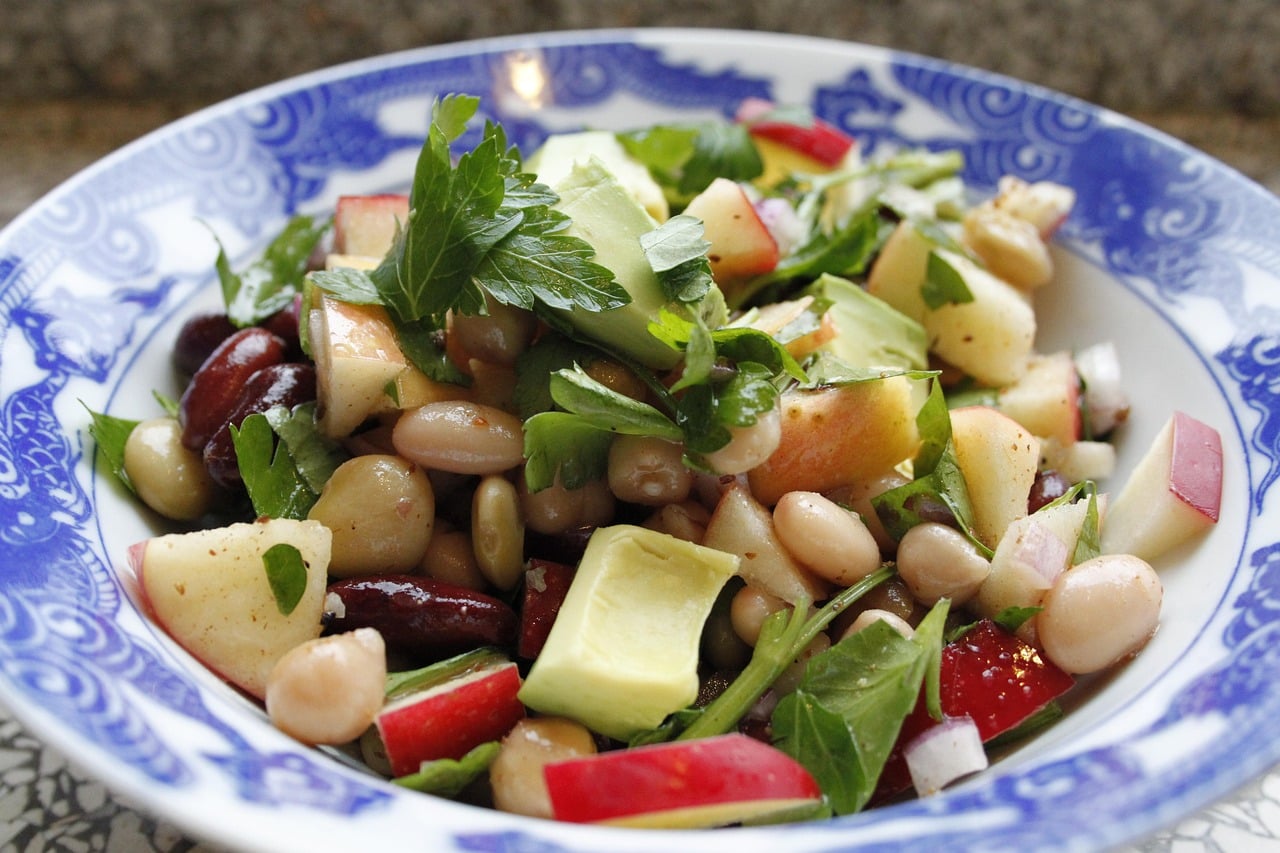
Beans still suffer from an image problem. Some people see them as a backup food rather than a nutritional standout, yet dietitians routinely highlight beans as one of the best foods for heart health, blood sugar control, and digestive wellness.
They combine fiber and plant protein in a way few foods do. Black beans, kidney beans, chickpeas, and navy beans can help lower LDL cholesterol, support fullness, and produce a slower rise in blood sugar than many refined carbohydrates.
They also stretch meals economically. Adding beans to chili, soups, tacos, pasta sauces, or grain bowls improves nutrition without driving up grocery bills. In a country facing persistent food costs, that combination of value and health matters enormously.
Frozen berries can be just as valuable as fresh

Fresh berries have a strong health reputation, but frozen berries often deserve equal praise. They are usually picked and frozen close to peak ripeness, helping preserve vitamin C, anthocyanins, and other antioxidant compounds.
That matters because berry intake has been associated with better cardiovascular and metabolic health in many studies. Blueberries, strawberries, raspberries, and mixed berries provide fiber along with vivid pigments linked to reduced oxidative stress and inflammation.
Frozen fruit also solves practical problems. It is available year-round, often costs less than fresh, and reduces food waste because it does not spoil quickly. In smoothies, oatmeal, yogurt, or baking, it offers an easy way to eat more fruit consistently.
Whole grain bread is not the enemy

Bread has become one of the most misunderstood foods in modern nutrition debates. Yet true whole grain bread can be a valuable part of a healthy eating pattern, especially when it contains intact grains or whole grain flour as the first ingredient.
Compared with white bread, whole grain versions generally provide more fiber, magnesium, B vitamins, and a slower effect on blood sugar. That can support digestion, fullness, and energy balance, particularly when bread is paired with protein or healthy fats.
The issue is not bread itself but quality and context. Toast with eggs, sandwiches with lean protein, or whole grain bread alongside soup can create balanced meals that are simple, familiar, and nutritionally sound for busy households.
Cheese offers more nutrition than critics admit

Cheese often gets judged mainly for saturated fat and sodium, and those are reasonable considerations. Still, nutritionists increasingly emphasize that cheese is more than an indulgence. It also delivers protein, calcium, phosphorus, vitamin B12, and other useful nutrients.
Fermented dairy foods may have more complex health effects than their fat content alone suggests. Some research has found that yogurt and cheese do not affect cardiometabolic health in the same way as heavily processed foods high in saturated fat.
Portion size remains important, but that is different from calling cheese unhealthy. A modest amount added to meals can improve satisfaction, make vegetables more appealing, and contribute meaningful nutrition, which helps people build eating habits they can actually sustain.




Leave a Reply