
Some of the smartest grocery savings never came from apps. They came from observation, routine, and patience.
The trick is not really a trick at all

In many small Canadian towns, seniors have long treated grocery shopping as a pattern to study rather than a chore to rush through. They know which days the meat is reduced, when bakery racks are restocked, and what time produce managers start marking down items that need to move. That knowledge turns an ordinary supermarket into a place where timing matters as much as price.
What city shoppers are now discovering is that this habit works almost everywhere. Large urban stores may feel more anonymous, but the same retail logic still applies. Perishables have shelf-life pressure, departments have markdown routines, and staff often follow predictable workflows. The edge comes from learning the rhythm of a store, not simply chasing flyers.
This is why many older shoppers in smaller communities rarely pay full price on flexible items. They plan dinners around what is being cleared rather than insisting on one exact recipe. That approach reduces waste at home and stretches a fixed income, which is one reason it became second nature for retirees watching every dollar.
Why seniors learned it before everyone else

For many older Canadians, especially in rural or small-town settings, frugality was never a trend. It was a practical response to pensions, weather disruptions, and fewer nearby store options. When replacing a forgotten ingredient could mean another drive across town, planning ahead and shopping carefully became a life skill.
That generation also grew up with a stronger habit of talking to store workers. They asked when shipments arrived, whether chicken would be marked down in the evening, or if day-old bread was available in the morning. In smaller communities, that kind of relationship-based shopping was normal. It often gave customers better information than any loyalty app.
Statistics Canada has repeatedly shown food price pressure shaping household budgets, especially for seniors and lower-income households. In response, experienced shoppers adapted by becoming flexible rather than brand-loyal. If yogurt, soup ingredients, or sandwich meat hit a markdown bin, the week's menu changed. That kind of adaptability is exactly what many urban shoppers are only now beginning to embrace.
What city dwellers are finally noticing

Urban consumers have spent years focusing on digital coupons, cashback offers, and price-match policies. Those tools help, but they can distract from a more powerful savings method: buying highly usable food at the point when stores need to clear it quickly. A 30% markdown on chicken, berries, or prepared foods can beat many promotional offers outright.
The shift is partly economic. With food inflation reshaping shopping behavior over the past few years, more households are paying close attention to expiration windows, freezer-friendly products, and markdown shelves. Social media has also played a role, with shoppers sharing store haul videos that highlight yellow stickers, manager specials, and end-of-day bakery reductions.
Yet the core insight is older than any trend video. Stores are constantly balancing freshness and inventory loss. When shoppers understand that system, they stop shopping only by list and start shopping by opportunity. That is the same mindset small-town seniors have practiced for decades, often without ever calling it a strategy.
How the system works inside most grocery stores

Most grocery stores follow internal routines shaped by delivery schedules, staffing levels, and food safety timelines. Meat, dairy, deli items, baked goods, and cut produce are especially likely to be marked down as sell-by dates approach. The exact timing varies, but many stores reduce perishables early in the day, late in the evening, or just before a new shipment cycle.
Managers would rather recover part of the price than throw products away. That is why shoppers often find strong value in items that are still perfectly usable that day or easy to freeze immediately. Soup vegetables, ripe bananas, yogurt packs, rotisserie chicken, and family-size meat trays are common examples. For households willing to cook soon, the savings can be significant.
This method works best when shoppers know the difference between best-before dates and true spoilage. The Canadian Food Inspection Agency has long distinguished quality dating from food safety in many categories. Seniors who learned to inspect texture, smell, packaging, and storage conditions often became far more confident around markdown shelves than younger shoppers raised to avoid them.
The best way to use the tactic without wasting food
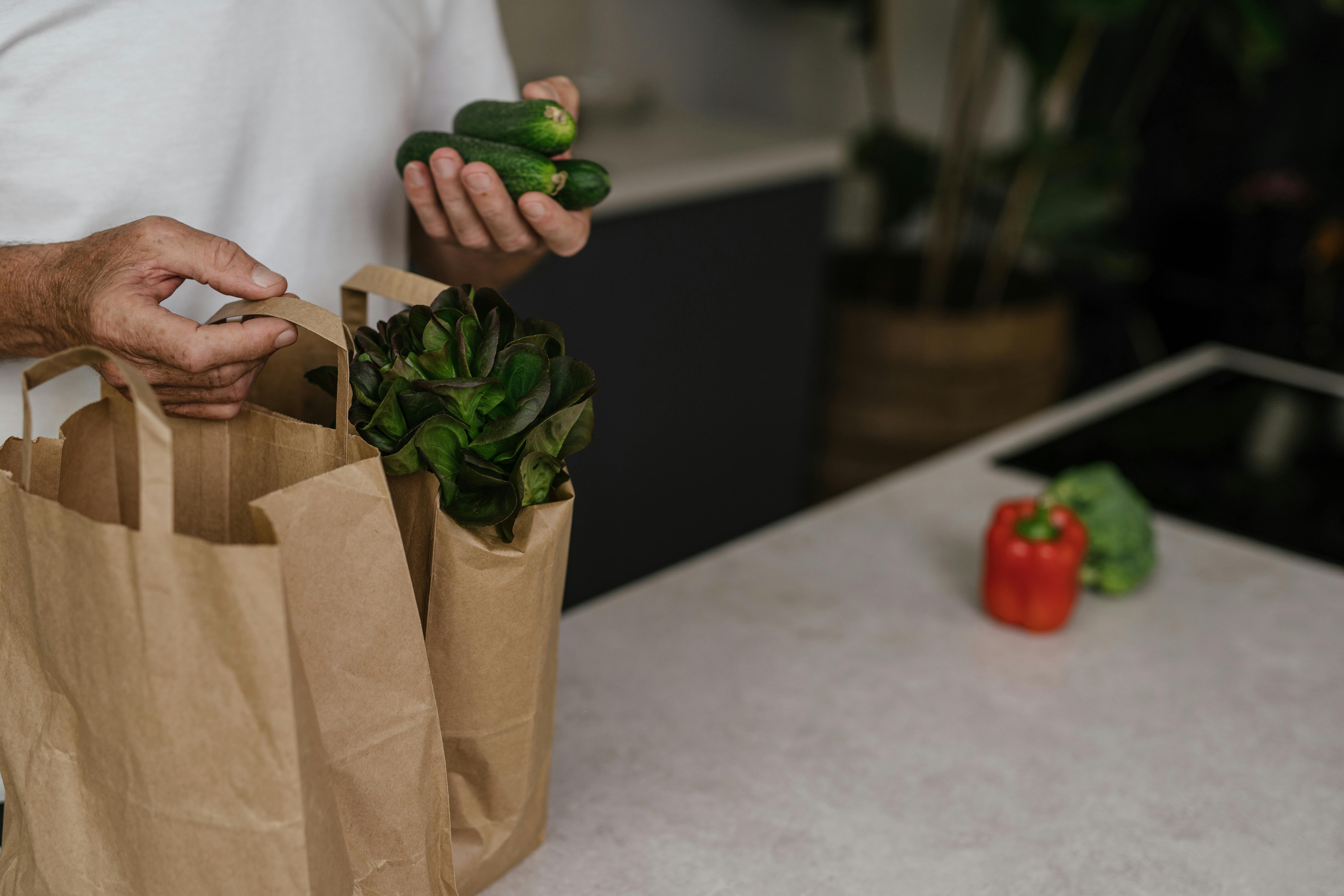
The smartest shoppers do not buy markdowns just because they are cheap. They buy foods they can use fast, freeze well, or turn into multiple meals. A reduced pack of mushrooms can become soup, pasta, and omelets. Discounted bread can be frozen in slices, while ripe fruit can become muffins, compote, or smoothies the same day.
It also helps to build a flexible pantry. Eggs, rice, lentils, pasta, broth, canned tomatoes, and onions allow marked-down items to become real meals with little effort. This is another lesson small-town seniors know well: savings only count if the food actually gets eaten. Otherwise, a discount is just delayed waste.
City shoppers can start simply. Visit one store at two different times on different days and note what gets reduced and when. Speak politely with staff if they seem available. Over a few weeks, patterns emerge. Once those patterns are clear, shopping becomes less reactive and much more strategic, even in the busiest neighbourhood supermarket.
Why this old habit matters now more than ever
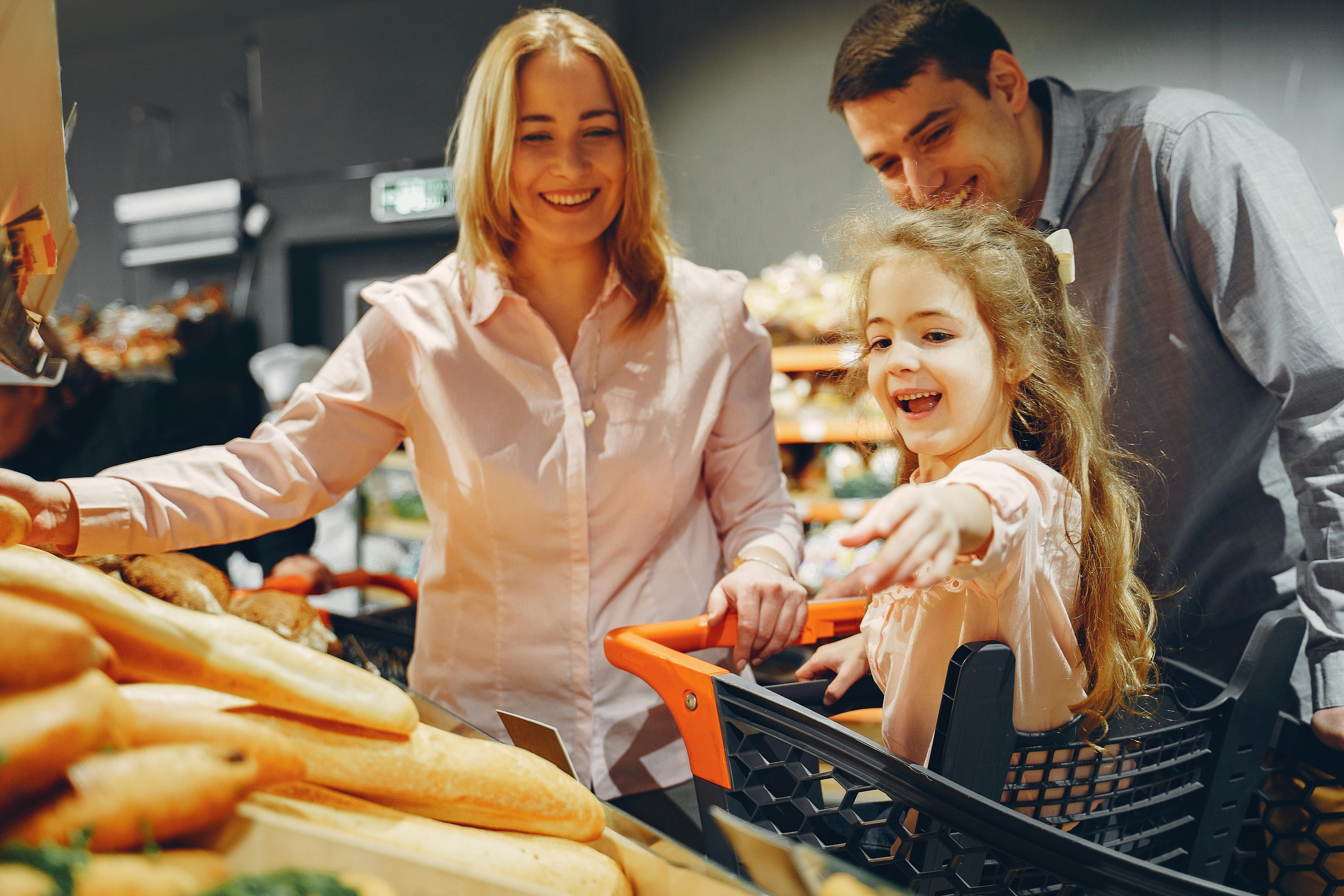
This grocery habit is gaining attention because it answers several modern pressures at once. It lowers food bills, reduces household waste, and makes shoppers less dependent on expensive impulse buying. In an era when many Canadians feel squeezed by housing, transportation, and food costs, practical methods like this travel well from small towns to major cities.
There is also a larger cultural lesson in it. Many seniors developed these habits not from nostalgia, but from close attention to how local systems worked. They understood that value often hides in routine, not in flashy promotions. That kind of literacy around food retail may be one of the most overlooked consumer skills in the country.
So the so-called trick is really a form of everyday expertise. Watch the store, learn the timing, stay flexible, and buy with purpose. Small-town Canadian seniors have known for years that grocery savings are often hiding in plain sight. City dwellers are simply arriving at that insight later, and with good reason.




Leave a Reply