
A regional snack launch rarely stays regional for long. This one crossed the border online almost instantly.
A Canada-only release is driving outsized attention

Cheetos has introduced a flavour in Canada that is not currently available in the United States or other markets, turning an ordinary product rollout into a cross-border talking point. The launch stands out because PepsiCo and its snack brands often tailor products to local tastes, but truly exclusive flavours still create a special kind of buzz. In this case, the exclusivity itself is part of the appeal. Shoppers are reacting not just to what the flavour tastes like, but to the fact that it cannot easily be bought elsewhere.
That scarcity has become a marketing advantage. Food brands have learned that limited regional releases can spark more conversation than a wide national launch, especially when social platforms amplify every shelf sighting and first taste test. Canadian consumers have seen this pattern before with chips, chocolate, and soft drinks that differ from U.S. versions. What is different here is the speed of the reaction. Americans began noticing the rollout almost as soon as photos appeared online.
The complaints, while often playful, reflect a real consumer dynamic. U.S. snack buyers are used to getting broad access to new flavor experiments, from spicy variations to mashups inspired by restaurant dishes. When a neighboring market gets something they cannot try, it can feel unusually personal. That is why a single Canadian snack release has become part curiosity, part envy, and part brand win for Cheetos.
Why snack companies create country-specific flavours

The idea may sound simple, but localizing snack products is backed by years of market testing and retail strategy. Companies such as PepsiCo, which owns Cheetos, regularly adjust seasonings, heat levels, and familiar food references to match regional preferences. Canada has long supported flavors tied to its own snack identity, including ketchup, all dressed, and bolder cheese-forward profiles. A release aimed at Canadian shoppers is not random. It is usually based on what performs best in taste panels and repeat-purchase studies.
Retail structure also matters. Grocery buyers want products that feel new without being too risky, and an exclusive national flavour can help chains generate excitement in a crowded aisle. If the flavour catches on, it may later expand or inspire related products. If it underperforms, the brand can treat it as a contained test instead of a costly international rollout. That makes Canada an attractive proving ground because it is a sizable market with strong snack consumption and clear regional taste patterns.
There is also a cultural layer. Snack foods often succeed when they tap into familiar comfort flavors or local pride. A Canada-only launch signals that the market is important enough to deserve something custom, not simply a copy of what is sold in the United States. That message resonates with shoppers, and it helps explain why these product drops generate attention well beyond the grocery aisle.
Americans are reacting exactly how brands expect
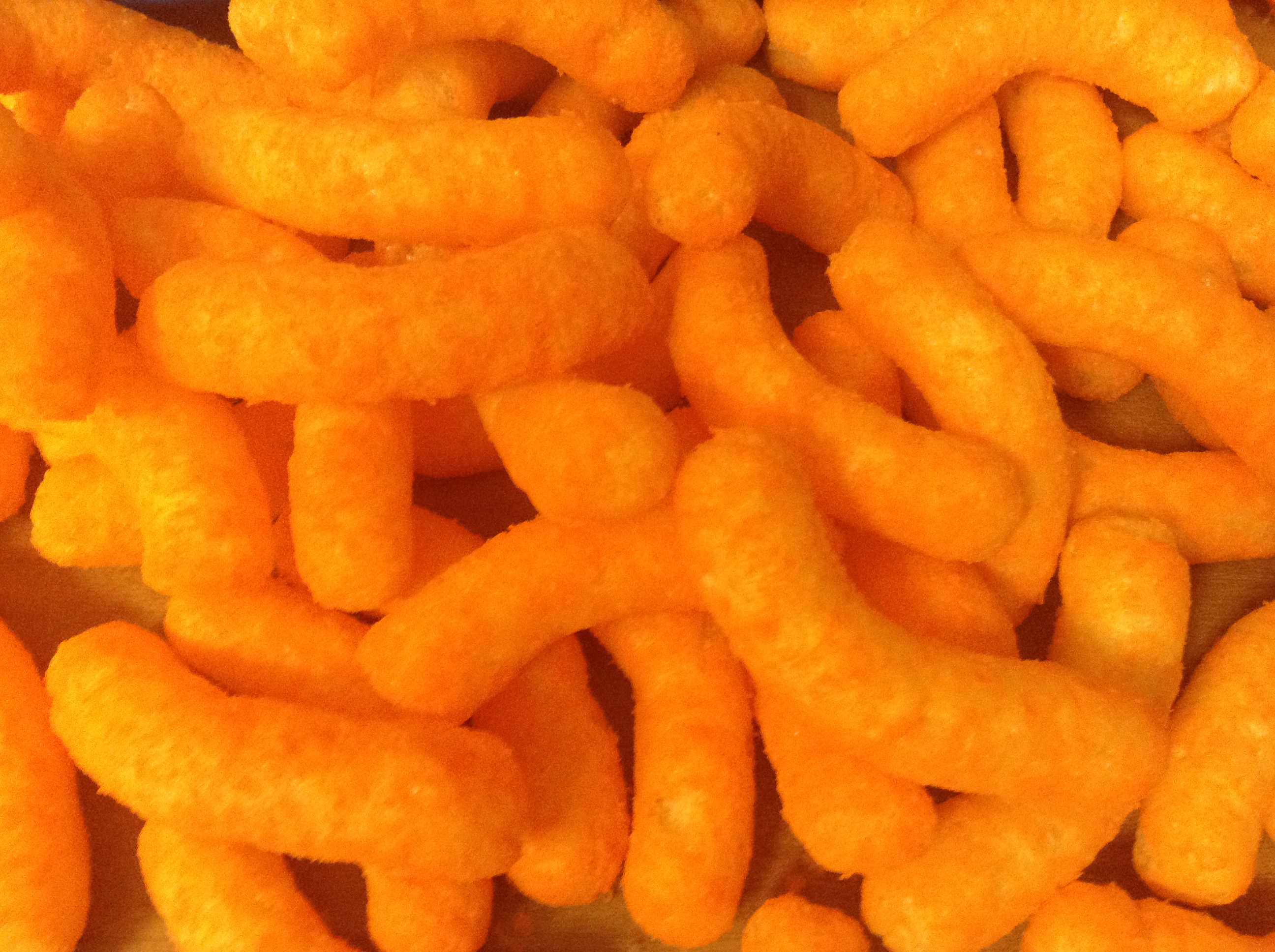
The online frustration from U.S. consumers is not a surprise. In fact, brands often count on it. When Americans post that they need a friend in Toronto, cannot believe the flavor is unavailable stateside, or accuse Canada of getting the better snacks again, they are doing free promotional work. Every complaint doubles as awareness. It tells more people the product exists and gives the launch a sense of urgency that standard advertising often struggles to create.
This reaction follows a familiar pattern in food culture. Americans regularly notice Canada-only candy bars, fast-food menu items, and chip varieties that seem more adventurous than domestic options. The contrast is powerful because the two countries share so much media and retail visibility. When one side of the border gets something different, the comparison is immediate. Consumers do not need a major campaign to feel left out. Social media creates that emotional response in minutes.
There is also a practical reason the complaints feel loud. Cross-border access is limited enough to be annoying but possible enough to tempt people. Some consumers can ask friends to mail products, visit Canadian stores near the border, or pay inflated reseller prices online. That in-between status makes the exclusivity more irritating than if the product were sold in a faraway market with no realistic path to purchase.
What this says about modern snack marketing

The Cheetos rollout highlights how snack marketing now depends as much on conversation as on traditional distribution. A new flavour used to live or die by shelf space, television ads, and in-store displays. Today, a product can gain national attention in another country without ever being stocked there. Photos, reaction videos, and taste tests turn a local launch into international snack news, giving brands broader exposure at relatively low cost.
Scarcity plays a central role in that model. Consumers are more likely to talk about products that feel temporary, hard to find, or geographically restricted. That is why limited-edition drinks, seasonal cereals, and retailer exclusives often overperform in visibility relative to their scale. The point is not just to sell units immediately. It is to build a narrative around the brand, reminding shoppers that something unexpected could appear next.
For Cheetos, that matters because the brand has built much of its identity around novelty. Flamin' Hot variations, shape changes, texture differences, and crossover flavors have helped keep it relevant across generations. A Canada-only release fits neatly into that strategy. It reinforces the idea that Cheetos is not a static snack brand, but an experimental one that knows how to turn a small launch into a broader pop culture moment.
Will the flavour stay exclusive or expand later?

Exclusivity does not always last in the snack industry. Brands frequently use one market to test demand, gather feedback, and assess whether a product deserves a broader rollout. If the Canadian launch shows strong sales, rapid repeat purchases, and sustained online conversation, a U.S. release becomes more plausible. Companies watch those signals closely because they reveal not just curiosity, but actual buying behavior. Viral attention helps, but velocity at the register matters more.
There are many precedents for this kind of expansion. Flavors that start as local experiments often reappear in other forms, whether as temporary national runs, retailer exclusives, or slight recipe adjustments tailored for new markets. Sometimes the exact original stays regional while a close cousin appears elsewhere. That approach lets companies preserve the special status of the first launch while still benefiting from wider interest.
Still, exclusivity itself has value, so Cheetos may not rush to broaden distribution. A product that remains uniquely Canadian can continue generating periodic waves of discussion every time new shoppers discover it. From a brand perspective, that long tail of attention can be useful. It keeps the product culturally alive and gives the company flexibility to decide later whether wider availability would strengthen or dilute the appeal.
Why a single snack flavour can become a bigger story

At first glance, the uproar may seem exaggerated. It is only a new Cheetos flavour. But snack foods occupy a surprisingly emotional space in everyday life. They are tied to nostalgia, convenience, national habits, and small pleasures that people feel strongly about. When a familiar brand introduces something exclusive, consumers read it as a signal about who a product is for and who is being left out. That emotional layer is why the reaction travels so far.
The Canada-only drop also taps into a long-running idea that neighboring countries often get different versions of the same consumer culture. Canadians and Americans watch many of the same trends, follow the same brands, and compare shelves constantly. A tiny product difference becomes symbolic because it turns an ordinary grocery item into a marker of national distinction. People are not just debating taste. They are debating access, fairness, and bragging rights.
For Cheetos, that makes the release more than a snack launch. It becomes a case study in how modern brands create demand through local specificity and social spillover. Canada gets the exclusive. America gets the envy. And the brand gets exactly what most companies want when a new product hits the shelf: attention that feels organic, immediate, and impossible to ignore.




Leave a Reply