
Local apples have become surprisingly hard to spot in parts of BC. The reasons go far beyond a simple bad harvest.
A rough season hit BC orchards hard
The biggest reason for fewer local apples is weather, and BC growers have been dealing with several damaging years in a row. Orchard production in the Okanagan and Similkameen has been pressured by extreme cold snaps, summer heat, smoke exposure, and erratic spring conditions. Apples are resilient, but they are not immune to repeated climate stress. When trees are pushed too hard, fruit quality drops and total yields shrink.
The deep freeze events that have hit BC in recent winters have been especially destructive. In some cases, cold temperatures damaged buds, wood, and even whole blocks of trees, cutting into future harvests as well as the current one. Growers do not simply lose one crop and move on. Orchard recovery can take multiple seasons, particularly if trees need pruning, retraining, or replacement.
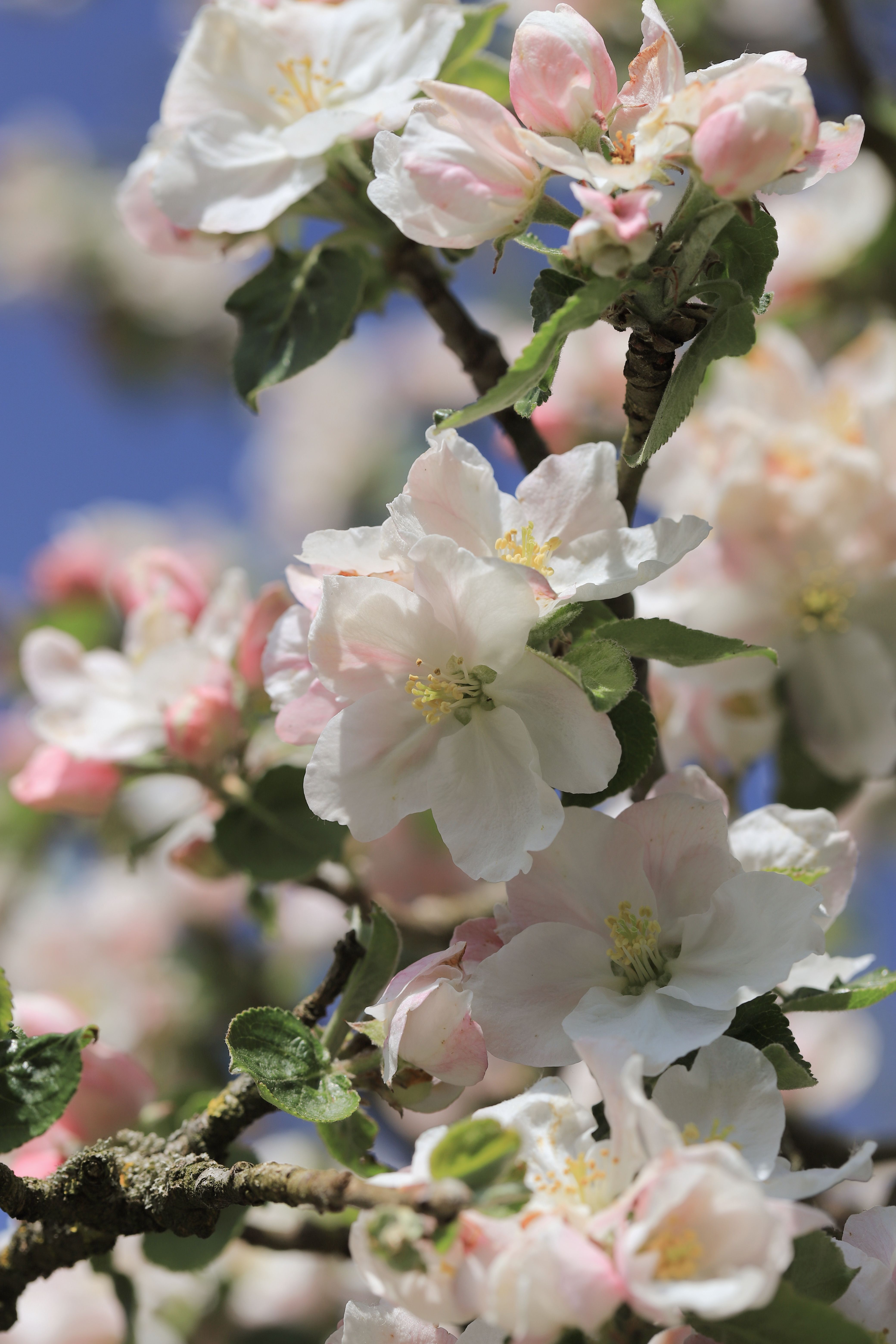
Spring weather also matters more than many shoppers realize. If bloom arrives early because of warm conditions and a frost follows, flowers can be damaged before fruit ever sets. That means fewer apples months later, even if summer weather looks normal. By the time consumers notice empty displays, the real problem often started back in March or April.
Fewer apple orchards are producing at full strength
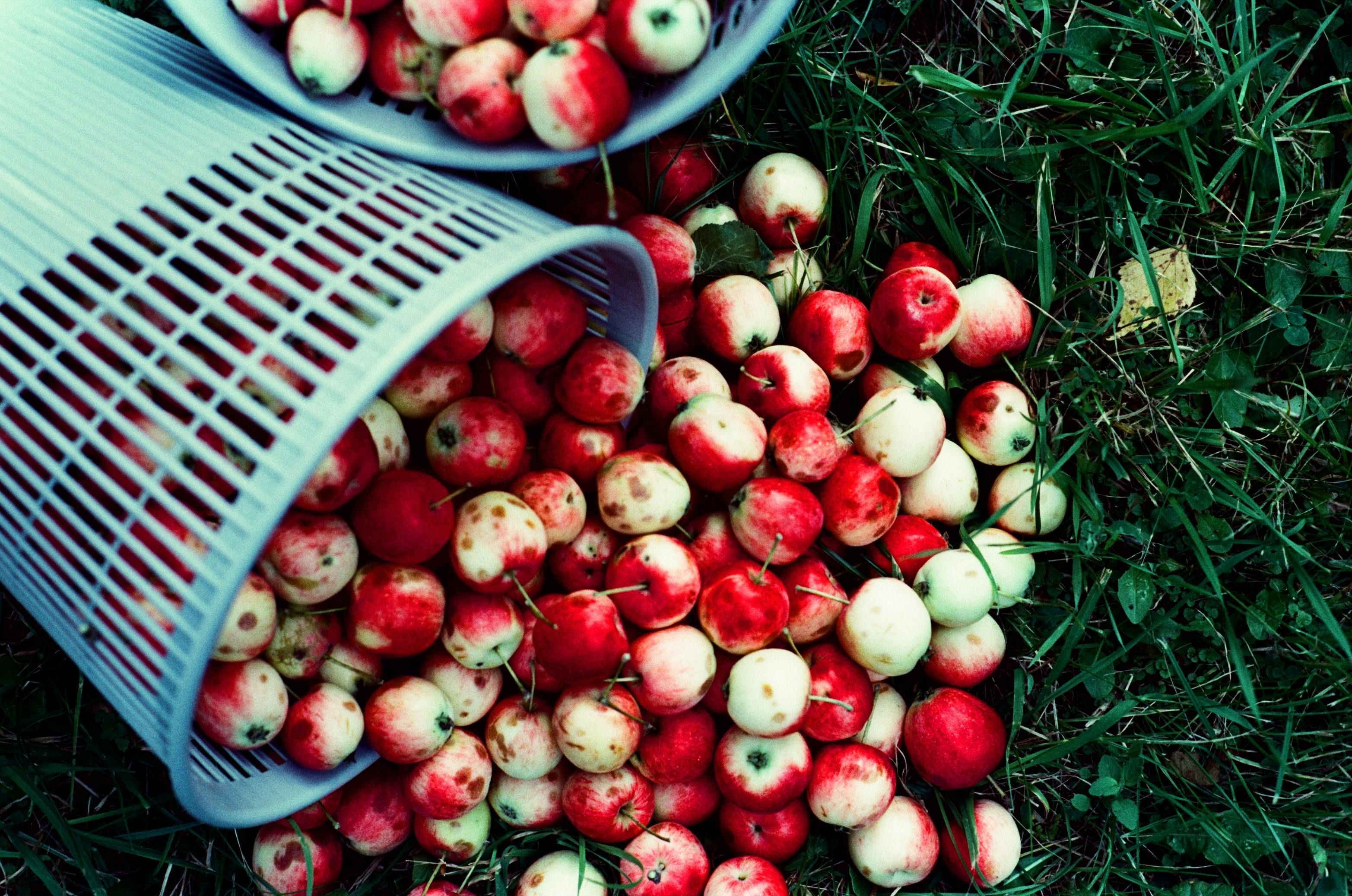
Another important shift is structural, not seasonal. BC has been losing some apple-growing capacity as orchard land is replanted, redeveloped, or switched to other crops that may offer better returns. Cherries, grapes, and high-value specialty plantings have attracted some growers, especially when apple margins are tight. That reduces the province's apple footprint over time.
Even orchards that remain in apples are not always producing at full volume. Some older blocks are being removed and replaced with newer high-density systems designed for better efficiency and fruit quality. That transition makes long-term business sense, but young trees do not immediately replace mature production. It can take years before a replanted orchard reaches full output.
Labour and input costs also shape what ends up in stores. Pruning, thinning, harvesting, packing, and storage have all become more expensive. When margins narrow, growers may scale back lower-performing varieties or reduce acreage that no longer pencils out. The result is less local fruit available for wholesale channels and retail programs.
Storage and timing affect what shoppers see
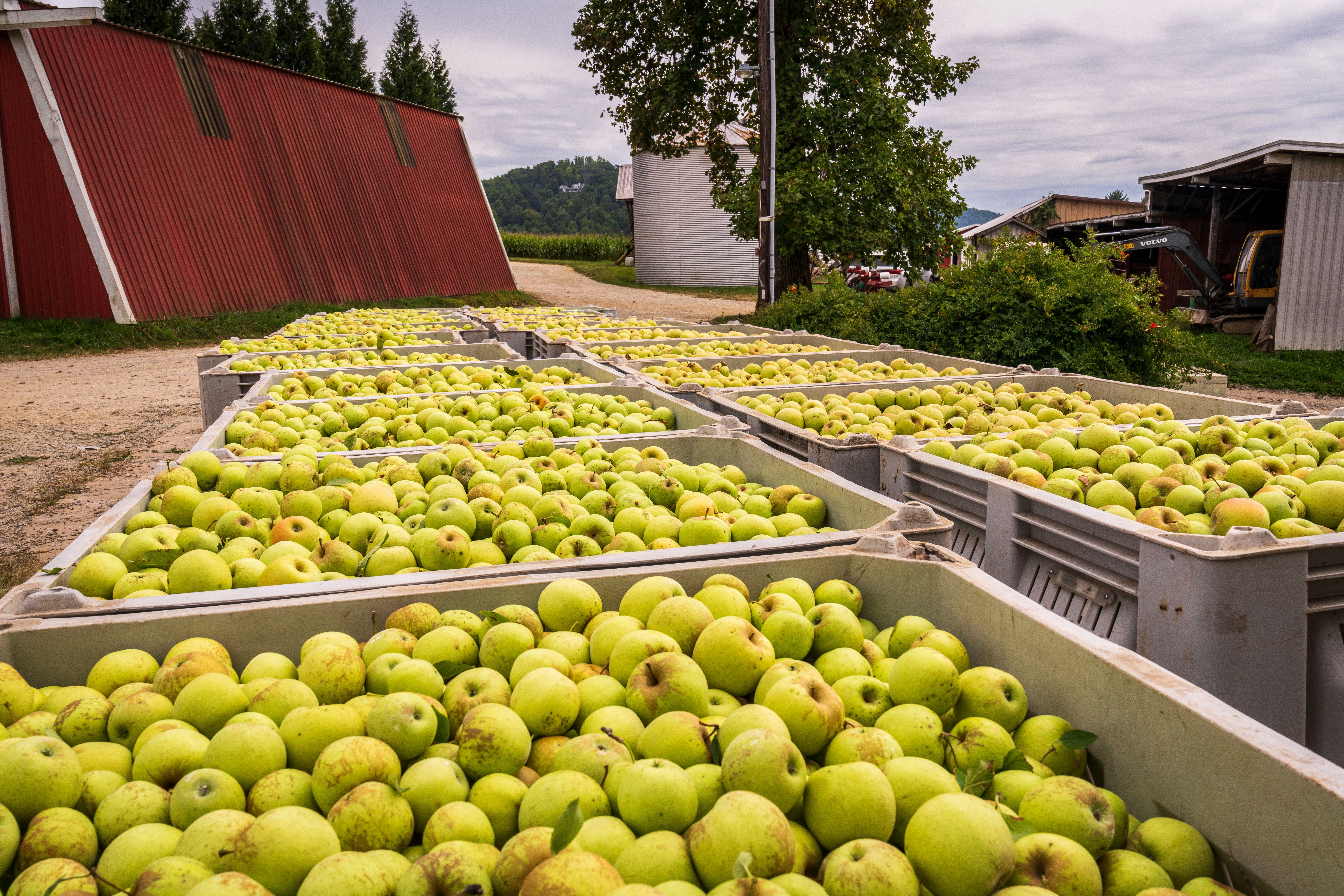
Many people assume apple season ends at harvest, but that is only part of the story. A large share of BC apples are held in controlled-atmosphere storage so they can be sold over many months. If the crop is smaller to begin with, that stored supply runs out earlier. Shelves may still carry apples, just not local ones.
Retail timing can make the shortage feel uneven. One chain may secure local fruit for longer because of stronger contracts with packers, while another may switch to imports sooner. Independent grocers, farm markets, and large supermarkets do not all draw from the same supply lines. That is why one neighbourhood store may have BC Ambrosia while another has only Washington or imported fruit.
Variety matters too. Shoppers often look for popular apples such as Ambrosia, Gala, Honeycrisp, or Spartan, but some of those can sell out faster than others. If a specific variety had lower yields or shorter storage life, it disappears first. Consumers may interpret that as a total shortage, when the shortage is actually concentrated in the apples they know best.
Imports are filling the gap on store shelves
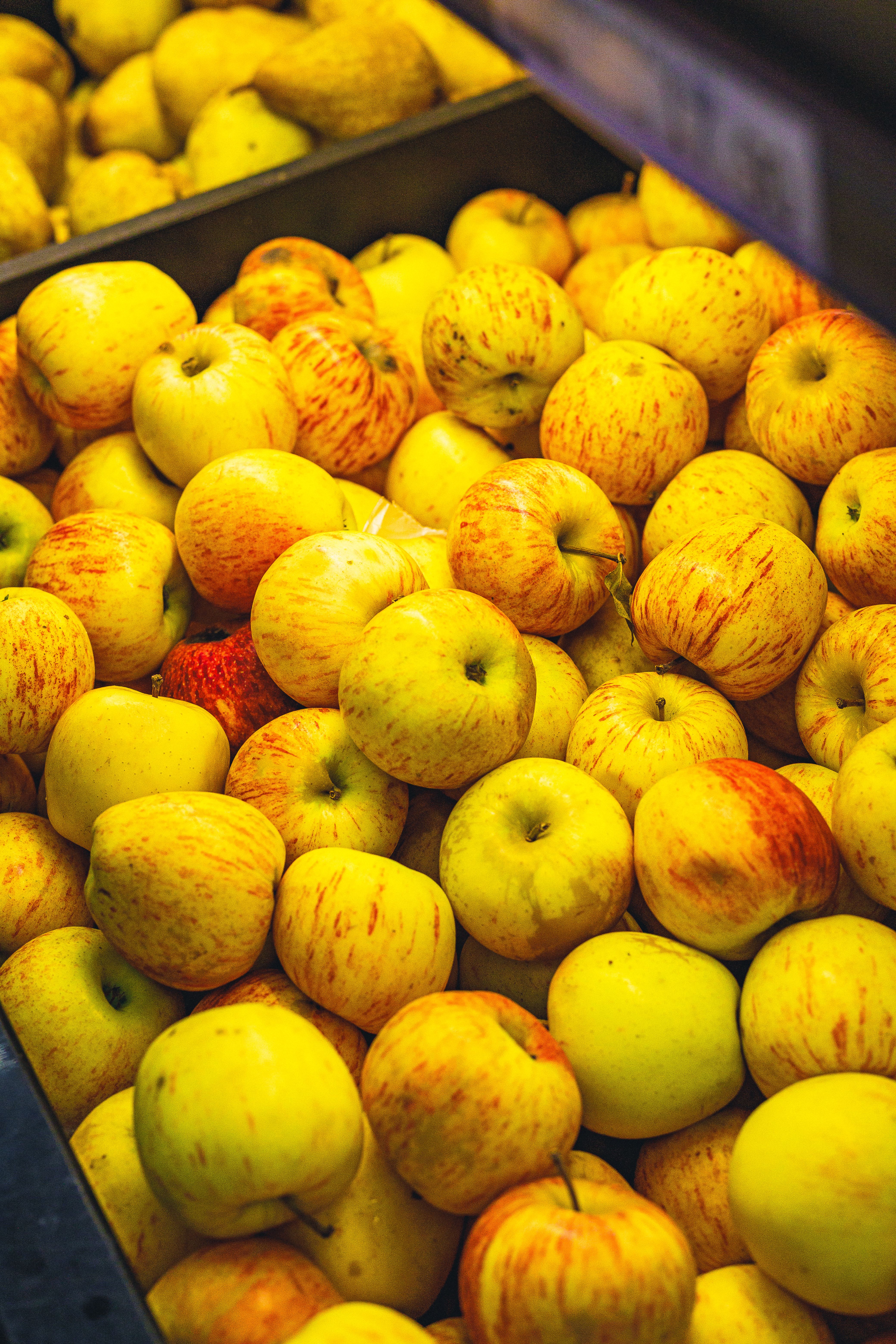
When local supply tightens, retailers do what the food system is built to do: they source from elsewhere. Apples from Washington State, other Canadian regions, and overseas suppliers can step in quickly because they are packed, graded, and shipped through large established networks. From a store's perspective, keeping the apple display full is a business necessity. From a shopper's perspective, it can feel like local fruit vanished overnight.
Imported apples are not necessarily lower quality, but they do change the local buying experience. BC shoppers often expect fresher fruit, recognizable regional brands, and varieties tied to nearby orchards. When imports dominate, that sense of season and place becomes weaker. Price can shift too, depending on exchange rates, freight costs, and broader supply conditions.
There is also intense competition at retail. Large buyers want consistent size, appearance, and year-round availability, which can favour bigger supply regions. In years when BC volume is down, shelf space becomes easier for imports to capture and harder for local growers to win back quickly. Once that transition happens, local apples can become less visible even when some supply still exists.
What this means for BC growers and consumers
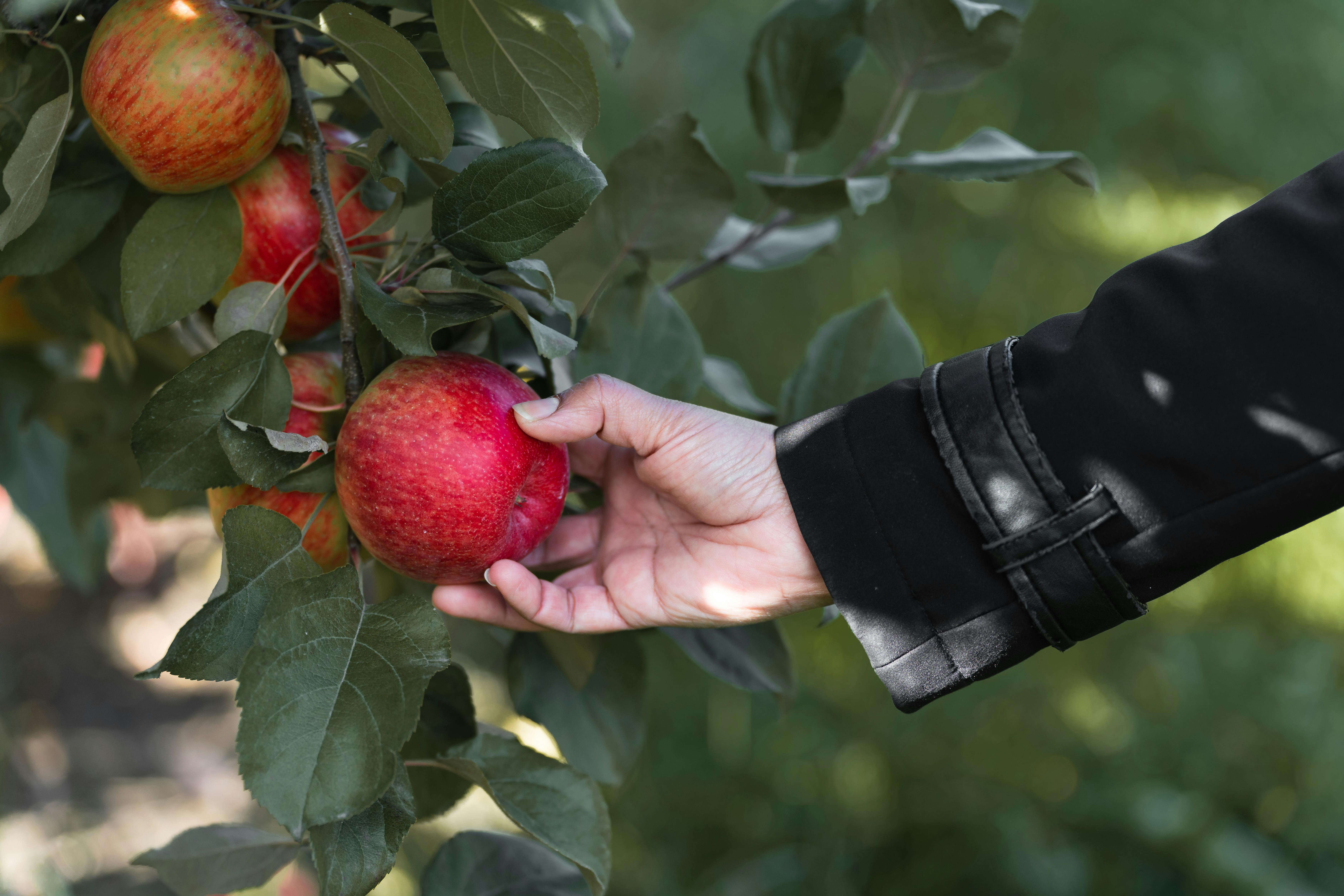
For growers, a short local apple supply is more than a temporary inconvenience. Reduced volume means fewer boxes to sell, but many fixed costs remain the same, from land and irrigation to equipment and storage facilities. That financial squeeze can delay reinvestment just when orchards need climate adaptation, replanting, and improved infrastructure most. Over time, that can deepen the supply problem.
For consumers, scarcity usually shows up in three ways: fewer local labels, less variety, and higher prices. You may still find apples, but not the exact kind you want or at the price you remember. Farm stands may sell out earlier in the season. Grocery stores may reserve local fruit for premium displays or limited promotional windows.
There is also a broader food-security angle. BC does not produce every apple eaten in the province even in strong years, so any hit to local production increases reliance on outside supply. That is manageable in the short term, but it leaves shoppers more exposed to transport disruptions, trade shifts, and weather problems in other regions too.
When local apples may become easier to find again
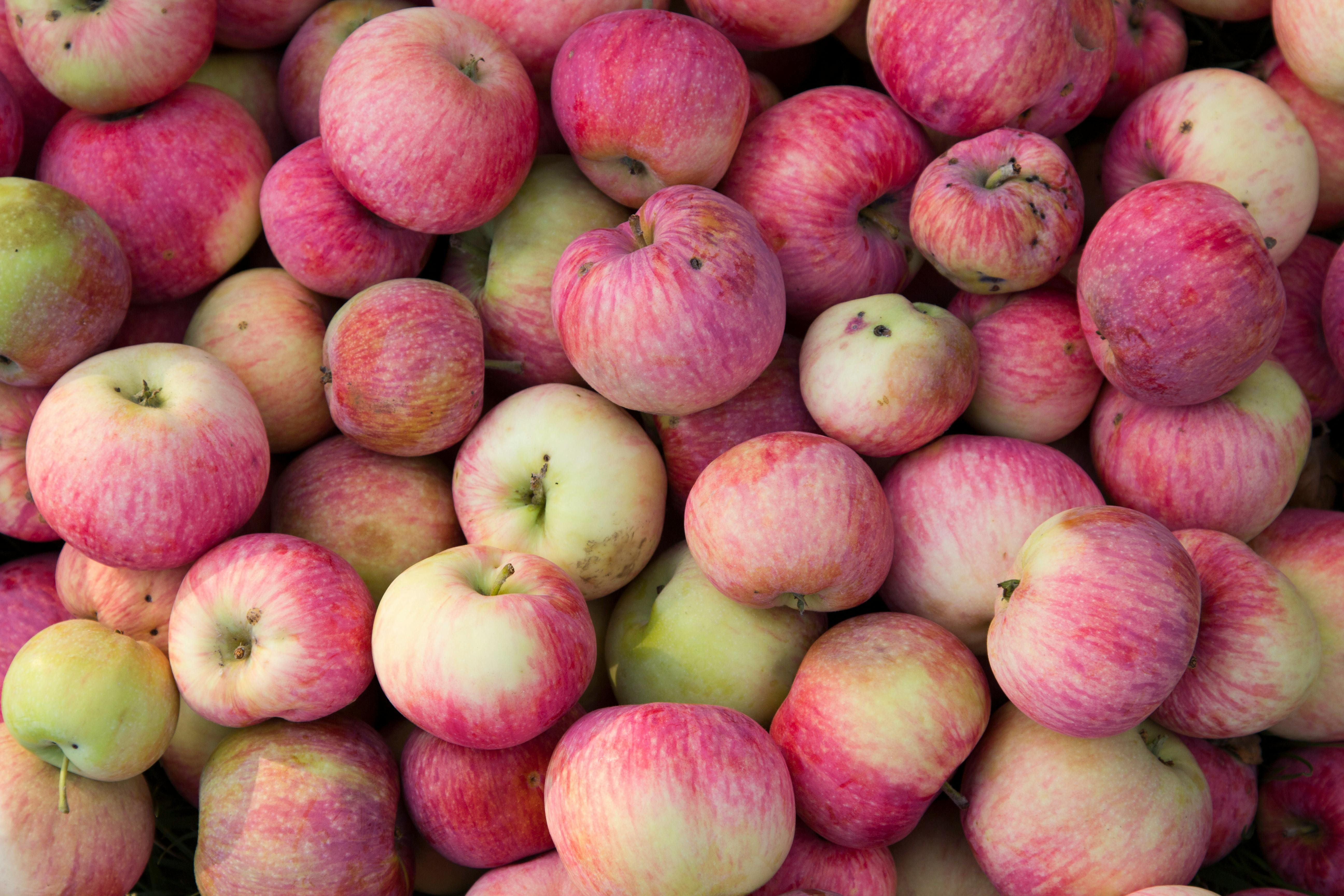
The outlook depends on weather, orchard recovery, and how quickly replanted acreage matures. If BC avoids major winter injury and gets a stable bloom period, local volumes can improve noticeably in a better year. Apples are a long-cycle crop, though, so recovery is rarely instant. One favorable season helps, but it does not erase several difficult ones.
Shoppers who want BC apples should watch timing and location carefully. Early fall is usually the best window for broad local selection, while late winter and spring depend heavily on storage carryover. Farmers' markets, orchard shops, and retailers that actively promote provincial produce often offer the clearest picture of what is actually available. Asking staff where apples were packed can also reveal when imports have taken over.
The bigger story is that BC's apple shortage is not caused by one single failure. It is the result of climate pressure, orchard economics, supply-chain timing, and retail realities all meeting at once. If local apples seem harder to find, that is because the system behind them has become much more fragile than it used to be.



Leave a Reply