
For many Canadians, cutting the grocery bill has become less about coupons and more about choosing the right store. As frustration over rising food prices pushed some shoppers away from Loblaws, many say they found better value elsewhere without giving up the staples they buy every week. These six stores come up again and again in conversations about lower prices, smarter promotions, and shopping strategies that actually make a difference.
Walmart
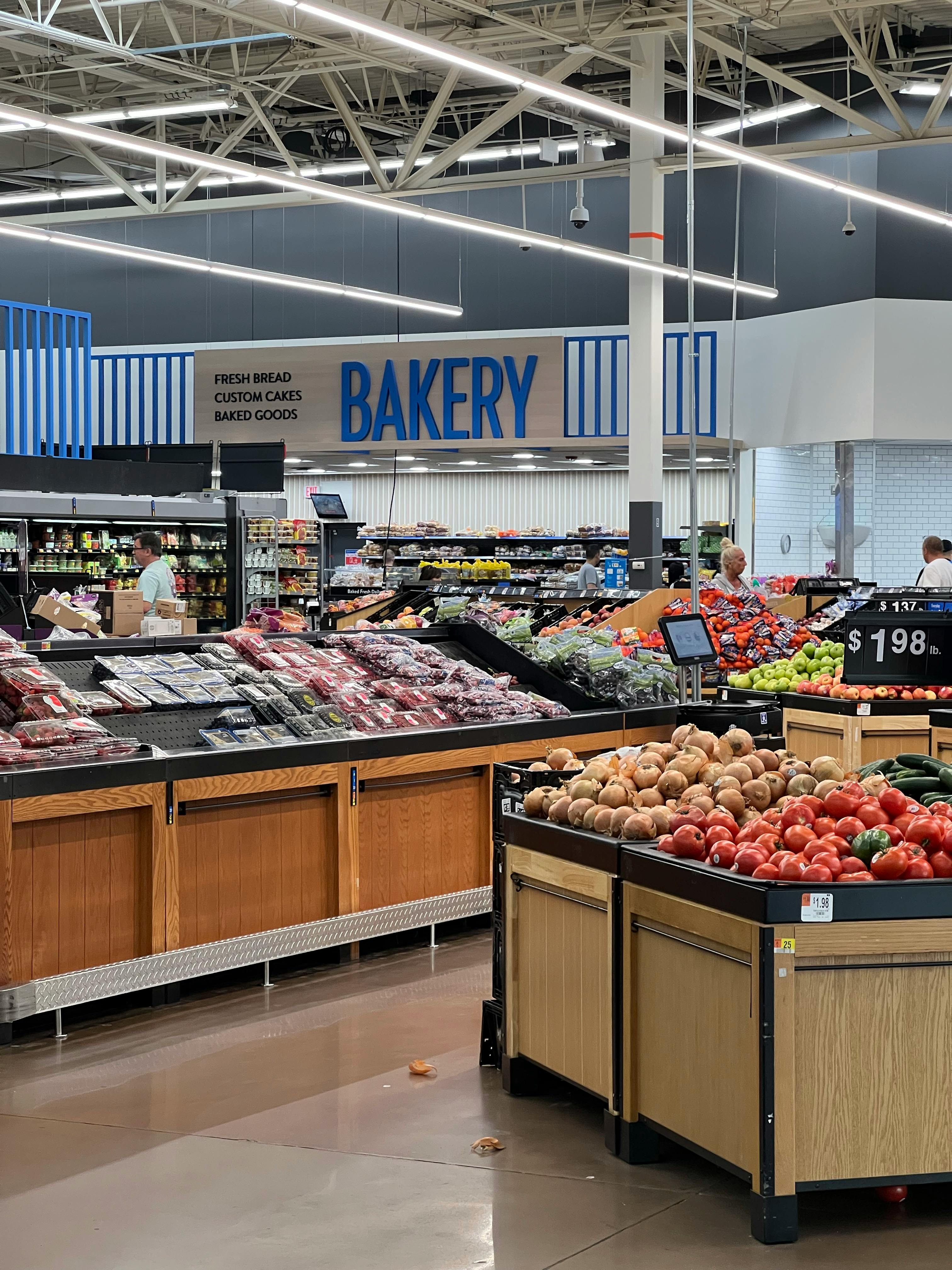
For shoppers who wanted a one-stop trip with fewer pricing surprises, Walmart often became the first place they tested after leaving Loblaws. The appeal was simple: broad grocery selection, aggressive pricing on pantry staples, and frequent rollback promotions that made everyday items feel more predictable from week to week.
Many Canadians say the biggest savings showed up in packaged foods, dairy, frozen items, and household basics. Walmart's private-label Great Value line also helped stretch budgets, especially for families buying lunchbox snacks, cereal, pasta sauce, and cleaning products in the same run.
The catch is that produce quality can vary by location, and stock levels are not always consistent. Still, for shoppers focused on lowering the total bill rather than chasing premium variety, Walmart often delivered the most noticeable difference.
Costco
For households that shop with a plan, Costco became less of a splurge store and more of a math exercise that worked. Canadians who left Loblaws often say the warehouse chain paid off when they focused on high-use staples and avoided impulse buys that can quickly eat into any savings.
The strongest value usually came from bulk purchases of meat, eggs, bread, cheese, paper goods, and pantry items. Kirkland Signature products also built a loyal following because many shoppers felt the quality was strong enough to justify buying larger quantities without feeling like they were settling.
Of course, Costco is not ideal for everyone. Smaller households can struggle with package sizes, and the annual membership fee only makes sense if the cart is used strategically. But for families and meal preppers, the per-unit savings were often hard to beat.
FreshCo

FreshCo stood out for shoppers who wanted discount-store pricing without giving up too much choice. Many Canadians describe it as a practical middle ground, less polished than traditional supermarkets perhaps, but often stronger where it matters most: sale pricing, culturally diverse products, and price matching in many locations.
That price-match option became a major reason budget-conscious shoppers made the switch. Instead of driving across town for one or two flyer deals, people could combine lower advertised prices from competitors into a single trip, which saved both money and time.
FreshCo also earned points for produce and meat specials that rotated regularly. Selection can differ a lot by neighbourhood, but for shoppers willing to buy around the flyer and stay flexible, it often felt like a reliable way to control weekly spending.
No Frills
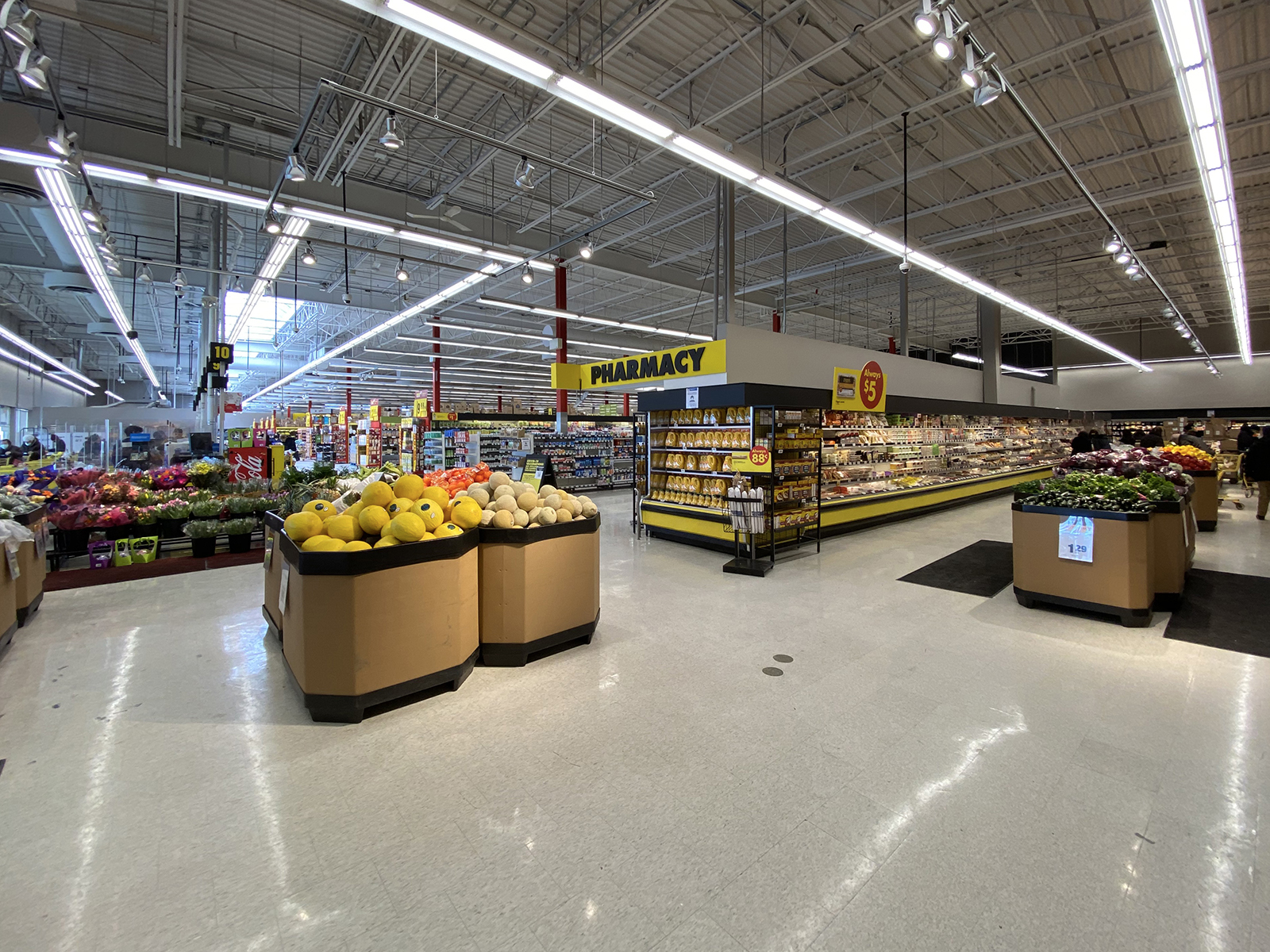
It may be part of the Loblaw family, but No Frills still comes up repeatedly when Canadians talk about spending less. That might sound contradictory at first, yet many shoppers say the discount format offered lower shelf prices than a standard Loblaws store, especially on basics that make up most of a weekly basket.
The store's value comes from a straightforward setup: less décor, fewer extras, and more focus on promotions and store-brand products. President's Choice and No Name items gave many households a cheaper path to pantry refills, dairy, canned goods, and frozen foods without a dramatic quality drop.
Savings often depended on sticking to the discount mindset and avoiding assumptions that every item was cheapest there. But for shoppers who compared flyers and bought selectively, No Frills still felt meaningfully easier on the wallet than its full-service sibling.
Food Basics

Food Basics won over many former Loblaws shoppers by keeping the proposition clear: low prices first, store experience second. For people who were tired of paying more for branding, layout, or premium merchandising, that tradeoff felt perfectly reasonable once they saw what the receipt looked like at checkout.
Across Ontario in particular, shoppers often point to strong flyer deals on produce, meat, and dairy. The chain's private-label Selection products also gave budget-minded customers another option when national brands climbed beyond what many households wanted to pay.
Like most discount grocers, the experience can vary by location, and not every aisle will beat competitors every week. But for shoppers who build meals around what is on sale, Food Basics frequently proved it was possible to eat well while keeping spending tighter.
Giant Tiger

Giant Tiger does not always get mentioned first in grocery debates, but many Canadians say that is exactly why it became a pleasant surprise. The chain blends discount retail with a smaller grocery assortment, and for shoppers who value simple trips and sharp deals, that smaller footprint can actually work in its favour.
Where Giant Tiger often shines is on weekly specials, frozen foods, snacks, pantry goods, and household essentials. Some shoppers also like the chance to combine grocery purchases with low-cost basics like socks, kids' clothing, and seasonal items without stretching the budget much further.
It is not a full supermarket replacement in every community, and fresh selection can be limited compared with larger chains. Still, as part of a two-store strategy, many found Giant Tiger useful for picking off the kinds of deals that quietly lower the monthly total.




Leave a Reply