
Few fast-food debates get people talking faster than burger prices. In Canada, one chain is mentioned again and again when the word "overpriced" comes up.
Why Five Guys Often Gets Singled Out

Sticker shock is usually the first complaint. In many Canadian cities, a regular burger, fries, and drink at Five Guys can push a meal into the $20 range before taxes, and in some downtown locations it lands even higher. That puts it far above traditional fast-food rivals like McDonald's, Wendy's, and Burger King.
What makes Five Guys such an easy target is that it still operates in a counter-service format. Customers order at the till, wait for a numbered bag, and carry their own meal to the table. For many people, that experience does not feel premium enough to justify a near sit-down-restaurant bill.
The chain's pricing also becomes more noticeable because burgers are sold à la carte. At first glance, the base price can seem manageable. Once fries and a drink are added, though, the total quickly turns into the kind of number that sparks online complaints and social media comparisons.
The Case for Calling It Overpriced
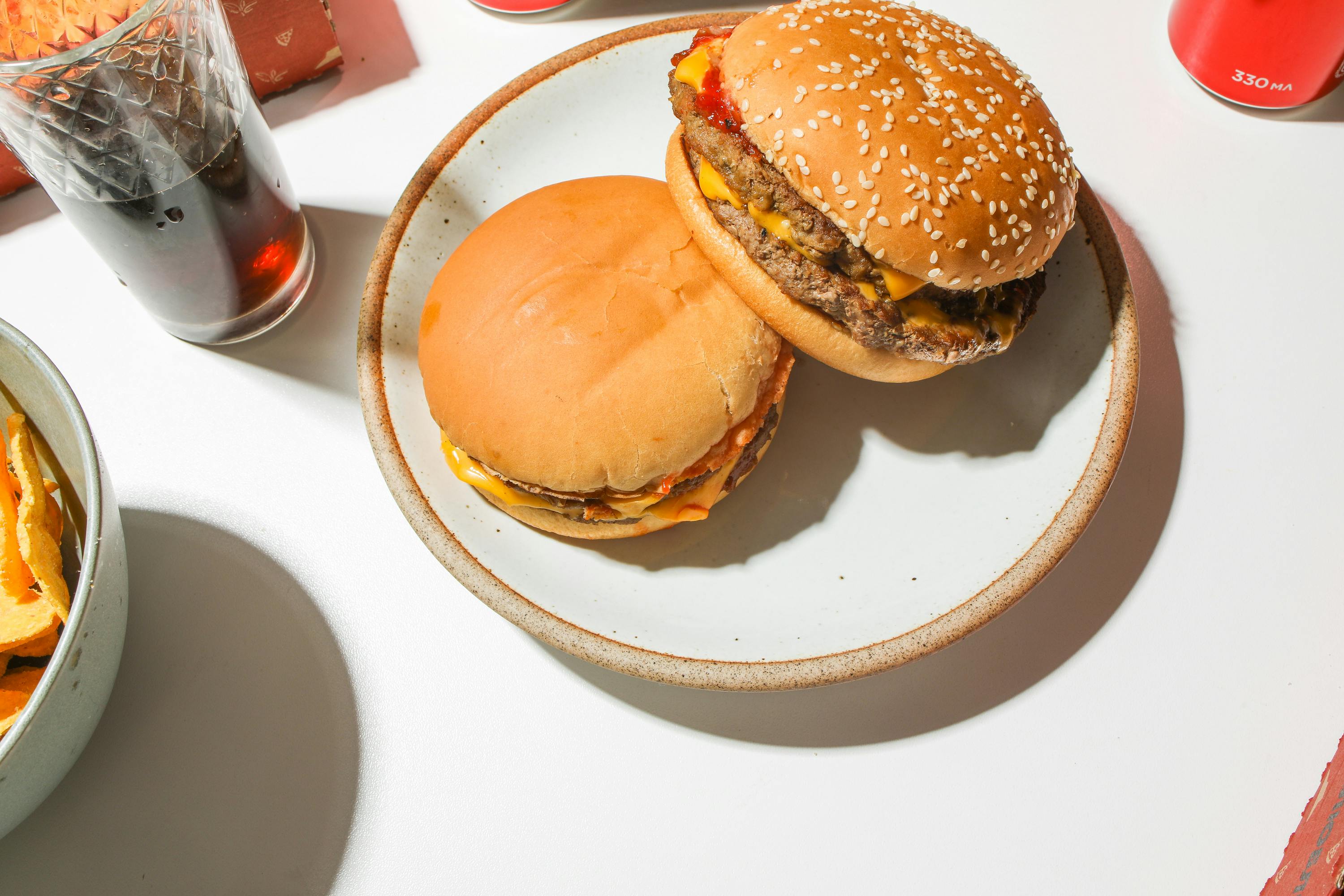
Value is not just about food quality. It is also about what customers expect to pay within a category, and Five Guys sits in an awkward middle ground. It is not budget fast food, but it is not a full-service gourmet burger experience either, which creates a gap between expectation and reality.
Canadian diners are especially sensitive to that gap right now. Food inflation has changed the way people judge restaurant spending, and even households with solid incomes are increasingly comparing every meal against grocery costs, meal deals, and app-based discounts from competitors. In that environment, Five Guys can look like a luxury impulse rather than a dependable go-to.
There is also the issue of customization no longer feeling unique. Years ago, a long list of free toppings helped the brand stand out. Today, many chains offer broad topping options, digital coupons, combo pricing, and loyalty rewards, making Five Guys' premium seem harder to defend for cost-conscious customers.
Why Some Customers Still Defend the Price
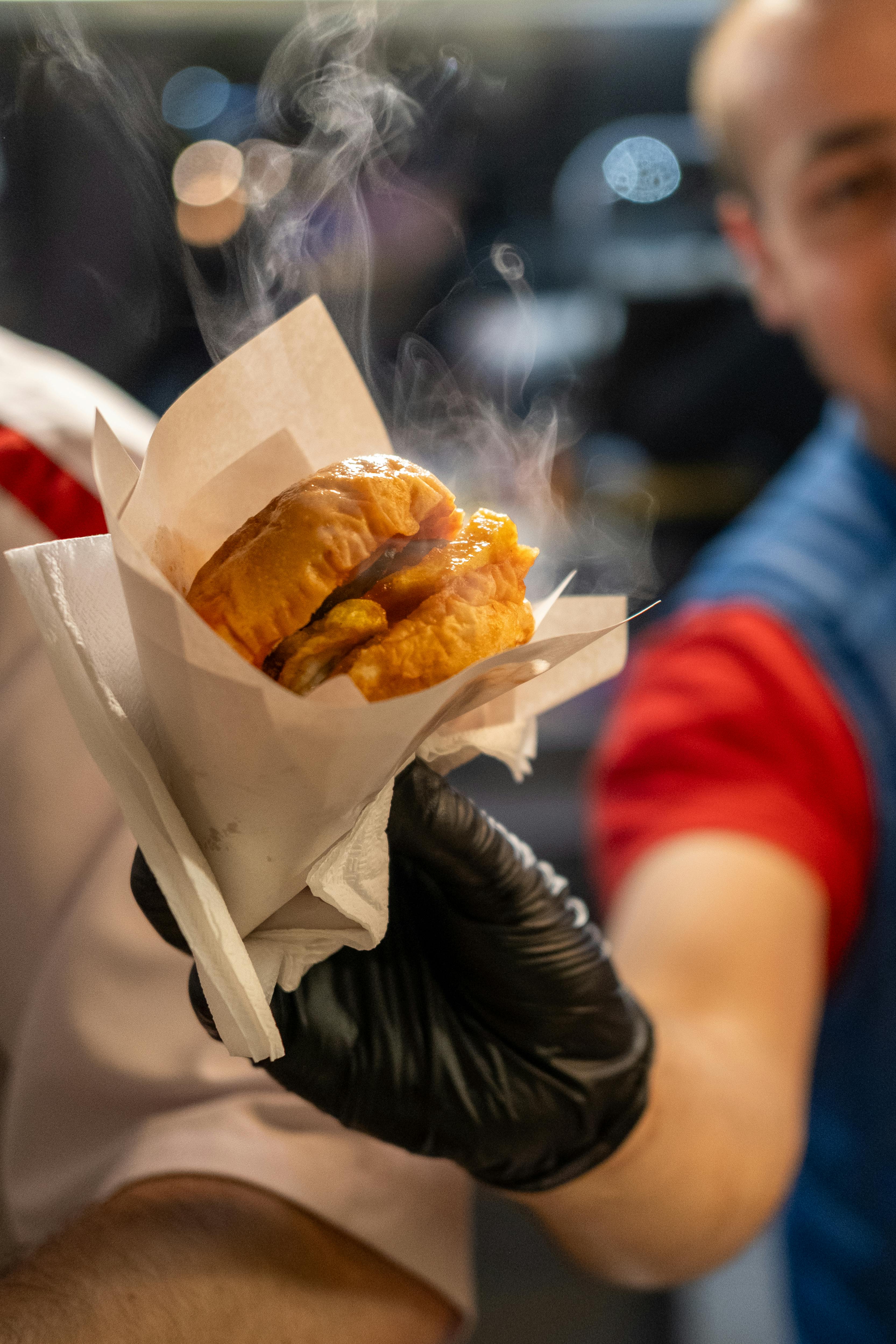
Portion size is the strongest argument in Five Guys' favour. The chain's fries are famously generous, often spilling well beyond the cup into the bag, and many customers split one order between two people. If diners judge value by how much food they actually receive, the price starts to look less extreme.
Ingredient perception matters too. Five Guys has built its reputation around fresh ground beef, open-kitchen preparation, and a made-to-order approach. For customers who notice the difference between a freshly assembled burger and a heat-lamped fast-food sandwich, the extra cost can feel like a reasonable tradeoff.
Consistency is another factor that loyal customers bring up. While some chains vary dramatically by location, Five Guys generally delivers a very similar burger from store to store. That reliability, especially for travelers or busy families, adds a kind of practical value that is easy to overlook when focusing only on the receipt.
How It Compares With Other Burger Chains in Canada

A fair comparison depends on which lane Five Guys is placed in. Against classic value chains, it is undeniably expensive. Against premium burger brands, however, it often lands closer to the middle, especially in major urban markets where restaurant rents, labour, and ingredient costs are high.
Chains such as A&W have worked hard to occupy a more balanced position. They market better ingredients and Canadian beef while still offering frequent combo structures and promotions that soften the final bill. That makes Five Guys look more exposed, because its pricing is rarely buffered by limited-time deals or rewards programs.
Smash-burger specialists and local gourmet spots add even more pressure. In many neighbourhoods, consumers can now spend a similar amount for a burger that feels trendier, comes with house-made sauces, or offers a more distinct atmosphere. That weakens Five Guys' value proposition, even if the food itself remains solid.
What "Overpriced" Really Means to Canadians

The word overpriced often means "not worth it to me," not "objectively priced too high." That distinction matters. A chain can charge more because its costs are higher, its portions are larger, or its ingredients are better, yet still lose the public on value if customers walk away feeling underwhelmed.
In Canada, that feeling is shaped by taxes, tipping culture spillover, and regional cost differences. A burger meal that already looks expensive on the menu can feel even pricier at checkout. Consumers rarely separate those emotional reactions from the brand itself, so the chain absorbs the frustration.
There is also a psychological threshold at work. Once a fast-casual burger meal crosses into the same spending territory as casual dining, people start asking tougher questions. Could that money have bought table service, a local pub burger, or groceries for a full dinner at home? Increasingly, Canadians think the answer is yes.
Do I Agree With Canadians on This One?

Yes, with an important caveat. Five Guys is probably the burger chain that most clearly feels overpriced to the average Canadian customer, especially when judged against the expectations people still attach to counter-service burgers. The final bill simply rises faster than many diners expect.
That said, overpriced does not automatically mean bad. Five Guys still delivers a filling, consistent, high-quality burger experience, and for customers who value portion size and freshness, the math may still work. The problem is less the food and more the widening gap between the brand's format and its premium price.
So do I agree? Broadly, yes. In today's Canadian market, Five Guys has become the clearest symbol of burger inflation, even if some loyal fans can still make a fair argument that they are paying for exactly what they get.




Leave a Reply