
Snack aisles are entering a very different chapter. As GLP-1 medications reshape appetite, snack brands are learning that selling more bites is no longer the only way to grow.
Appetite suppression is changing the basic math
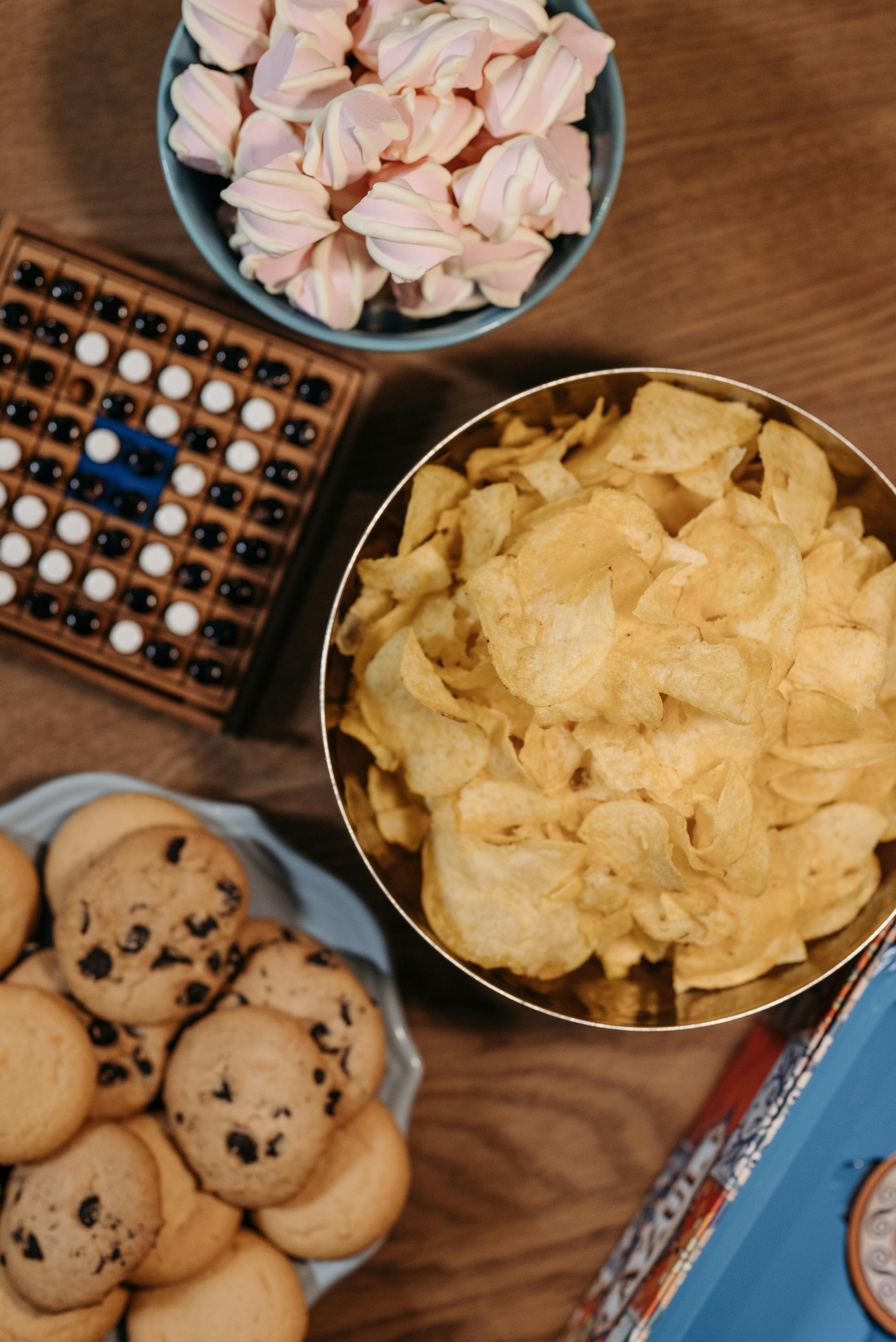
For years, the snack business relied on a familiar assumption: many consumers would keep reaching back into the bag. GLP-1 medications challenge that habit by slowing gastric emptying, increasing feelings of fullness, and reducing food noise, the constant mental pull toward eating. That matters because demand for snacks has often been driven as much by impulse as by hunger.
A growing number of food executives now openly discuss the issue. According to Reuters and major earnings commentary over the past year, large packaged food companies have been studying whether users of drugs such as Wegovy, Ozempic, and Zepbound buy fewer chips, cookies, and candy. The concern is not abstract. Morgan Stanley has projected that GLP-1 adoption could affect calorie consumption at a meaningful scale if use keeps expanding.
The first consequence for brands is simple: volume may soften in some categories. If a consumer wants fewer eating occasions in a day, brands can no longer depend on sheer frequency. That pushes snack makers to think less about how often people snack and more about whether their product earns one of the fewer moments a consumer still wants.
Portion size is becoming a product strategy
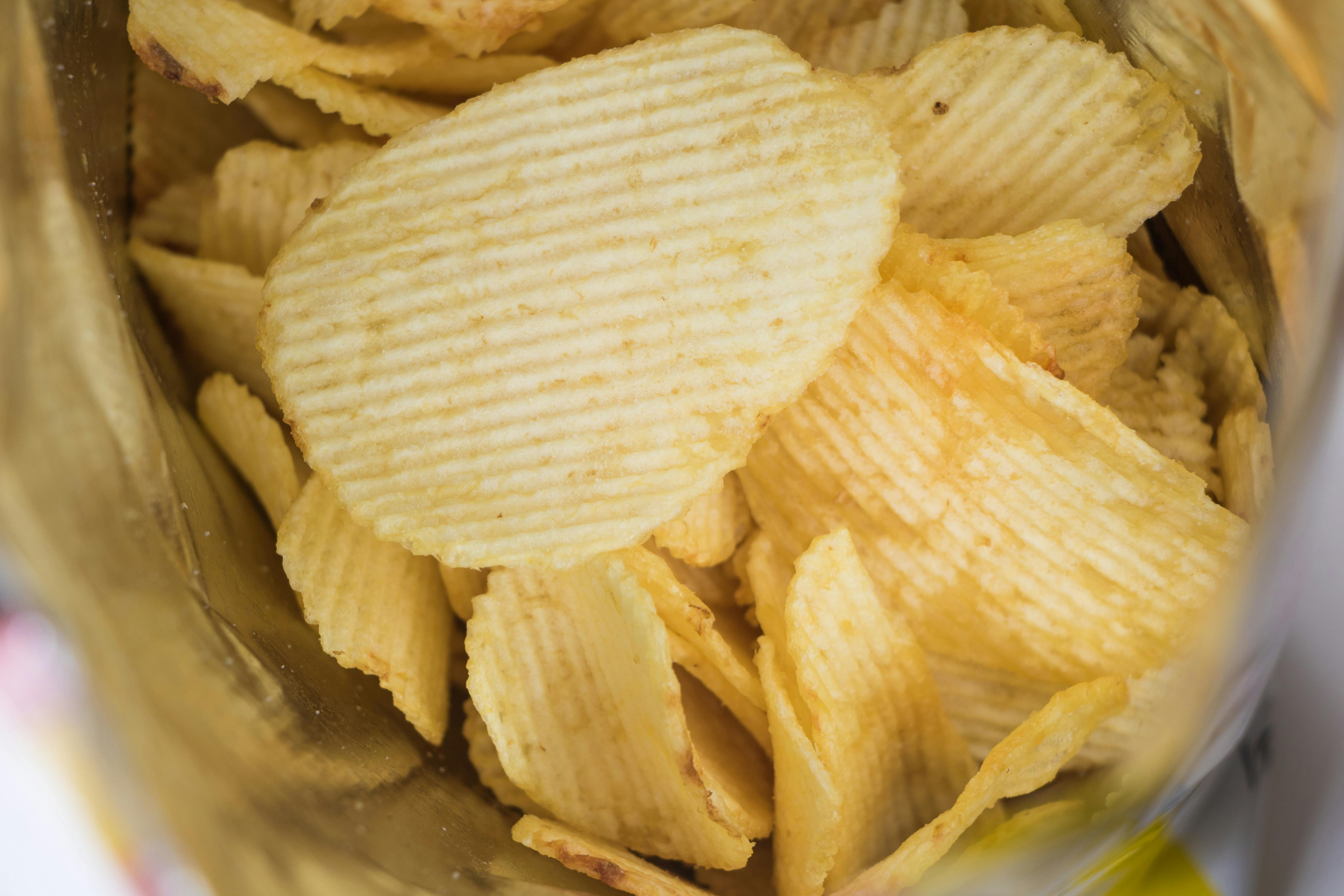
Here is the twist: smaller appetites do not automatically mean consumers stop snacking. They may simply want a different format. For GLP-1 users, oversized packs can feel wasteful, physically uncomfortable, or misaligned with how they now eat. This is one reason portion-controlled items are gaining fresh strategic value beyond traditional diet positioning.
Single-serve packs, resealable mini portions, and clearly measured bundles can appeal to people who want precision without the emotional baggage of restriction. In this environment, packaging becomes part of the product promise. A 100-calorie pack is no longer just a tool for calorie counters. It can also signal practicality, convenience, and respect for changed appetites.
This has implications across channels. In convenience stores, smaller packs can protect trial and reduce regret. In club retail, multipacks of modest portions may outperform giant formats for households with one GLP-1 user and others who still snack normally. The winning offer may be less about abundance and more about flexibility.
Nutrition quality matters more when every bite counts
When people eat less overall, the nutritional value of each eating occasion becomes more important. That reality puts pressure on snack brands that have long competed primarily on indulgence. Consumers using GLP-1s often report prioritizing protein, fiber, and satiety-supporting foods, partly to avoid losing muscle mass and partly to make smaller meals feel more worthwhile.
Dietitians and obesity medicine specialists have increasingly stressed protein intake for patients on these therapies. That creates an opening for jerky, roasted legumes, Greek yogurt-based snacks, cheese crisps, nuts, and bars with credible nutrition profiles. It also raises the bar for legacy brands trying to add protein claims without improving overall product quality.
The risk for marketers is superficial reformulation. A snack sprinkled with protein isolate but still loaded with sodium, refined starch, and low satiety value may not win repeat purchases. Consumers who are more intentional about eating tend to read labels with sharper attention. In this market, trust can become as important as taste.
Texture, digestibility, and comfort are now central
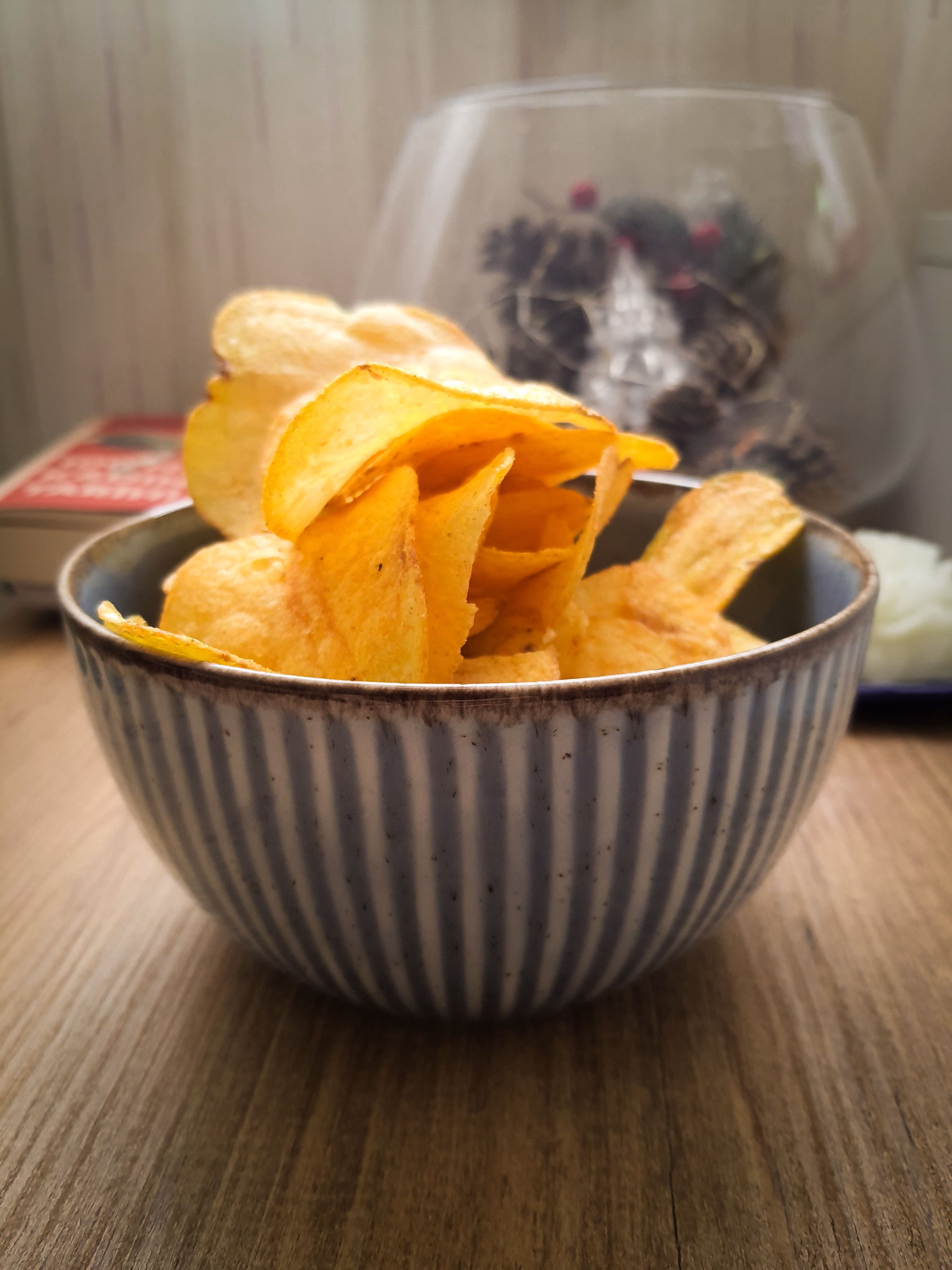
One underappreciated shift involves how food feels in the body. GLP-1 users commonly report nausea, early fullness, bloating, or sensitivity to greasy and very heavy foods, especially during dose changes. That means sensory pleasure alone is not enough. A snack also has to feel manageable before, during, and after eating.
Brands may need to reconsider richness, density, and fat load. Extremely oily chips, oversized bakery items, and intensely sweet products can become less appealing if they trigger discomfort or simply feel like too much. Lighter textures, simpler ingredient decks, and gentler flavor profiles may benefit, particularly in categories consumed between meals rather than as treats.
This does not mean indulgence disappears. It means indulgence may become more selective. A consumer with reduced appetite may still want chocolate or ice cream, but the experience has to justify the space it takes up. Products that deliver satisfaction in a few bites without causing heaviness could gain ground.
Marketing has to shift from craving to relevance

Old snack advertising often celebrated abundance, spontaneity, and irresistible temptation. In the GLP-1 era, that language can sound out of step for a growing segment of consumers trying to eat more deliberately. Brands do not need to become clinical, but they may need to evolve from "can't stop eating" messaging toward ideas like satisfaction, quality, balance, and purpose.
That change is already visible in adjacent categories. Better-for-you brands often emphasize ingredients, protein, portion clarity, and sustained energy rather than overconsumption. Mainstream snack makers may borrow that playbook while still protecting enjoyment. The challenge is to avoid shaming indulgence or alienating shoppers who are not taking these medications.
Retail data will guide much of this transition. Brands that segment households by behavior, not just demographics, will be better positioned to understand who is buying less, who is trading up, and who is seeking function. The smartest companies will treat GLP-1 use not as a niche medical trend but as a broader behavioral signal.
The biggest opportunity is smarter innovation
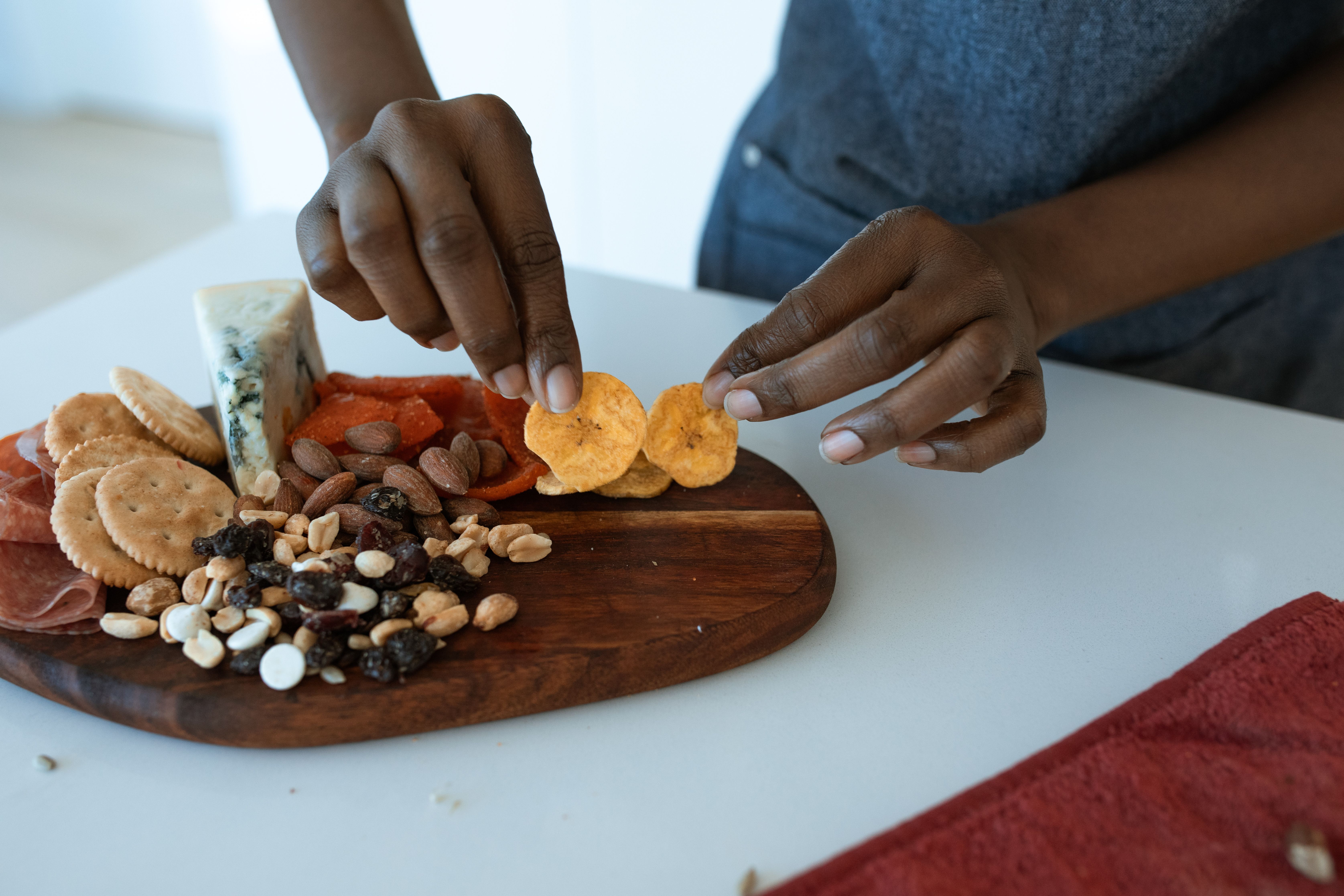
Every major food shift eventually rewards the companies that adapt fastest. The GLP-1 era is likely to do the same. Instead of asking only whether these medications hurt snack sales, leading brands are asking a more useful question: what kinds of snacks fit a world where appetite is lower, choices are more selective, and nutritional expectations are higher?
That opens room for practical innovation. Expect more high-protein savory snacks, smaller premium desserts, digestibility-focused formulations, and packaging that supports intentional consumption. Expect more testing around satiety, repeat purchase, and post-consumption comfort. Some of these ideas were already underway, but GLP-1 adoption gives them new urgency.
The larger lesson is that snacking is not disappearing. It is being edited. In that environment, the brands that win will not just sell less food in smaller packs. They will create products that feel useful, enjoyable, and proportionate to the way people increasingly want to eat.


Leave a Reply