
Two iconic North American desserts, one big argument. If you put a Canadian butter tart beside an American pecan pie, the winner depends on what you value most in a sweet.
The core difference starts with texture
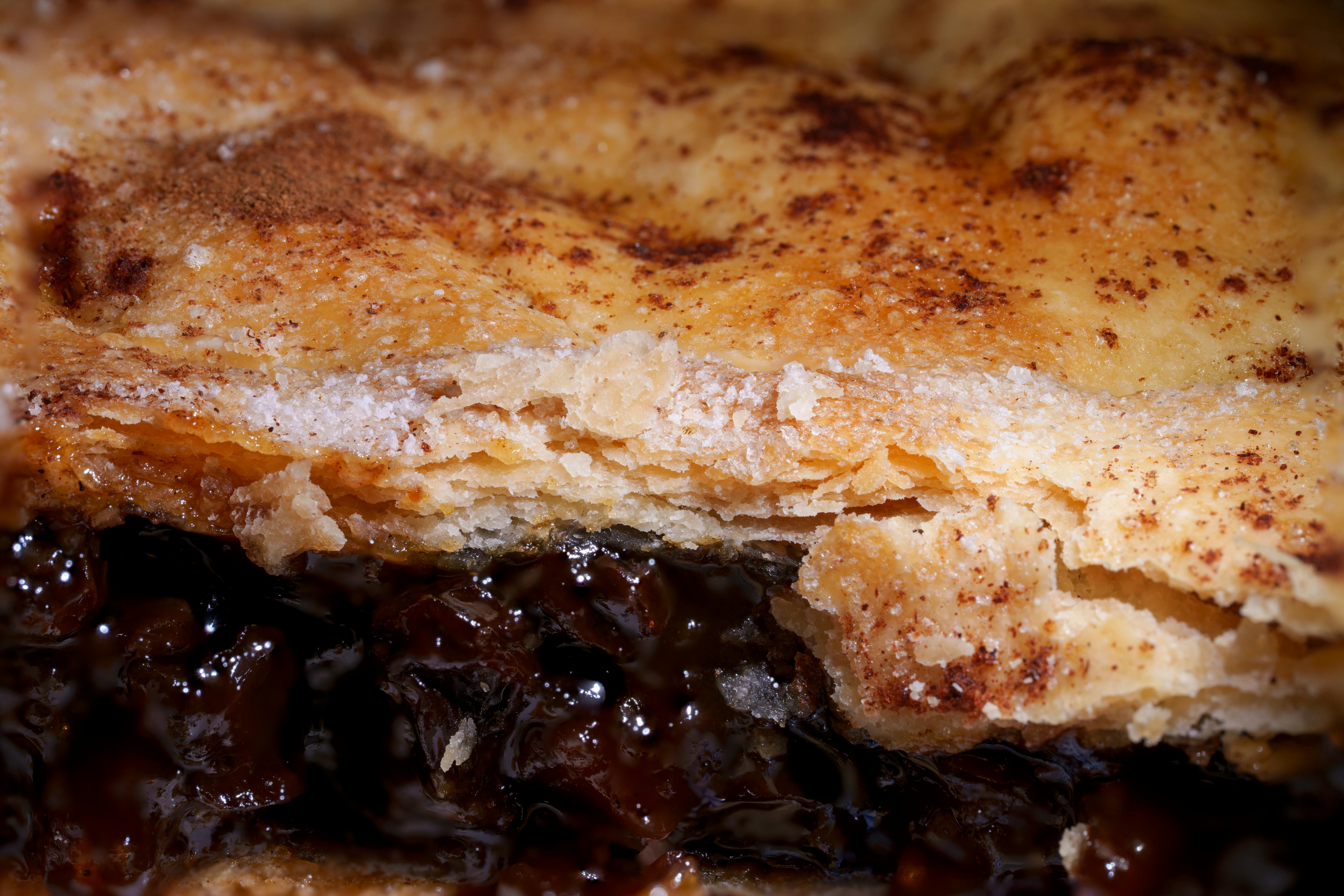
A butter tart is small, compact, and intense. It usually sits in a flaky pastry shell and holds a filling made from butter, sugar, syrup, and egg. The center can be runny, gooey, or firm, and in Canada people debate that point almost as fiercely as sports fans debate championships.
Pecan pie is broader, taller, and more structured. Its filling is built in a similar way, but the nuts change everything. Pecans add crunch, body, and a roasted flavor that balances the sweetness. In most American versions, the filling sets more fully than a classic runny butter tart.
That means the eating experience is very different. Butter tarts hit fast with caramel-like sweetness and a rich, almost molten middle. Pecan pie is steadier and heavier, with texture in every bite. If you want elegance in a small package, butter tarts have the edge. If you want a fuller, more layered bite, pecan pie does.
Their histories tell you what each dessert values
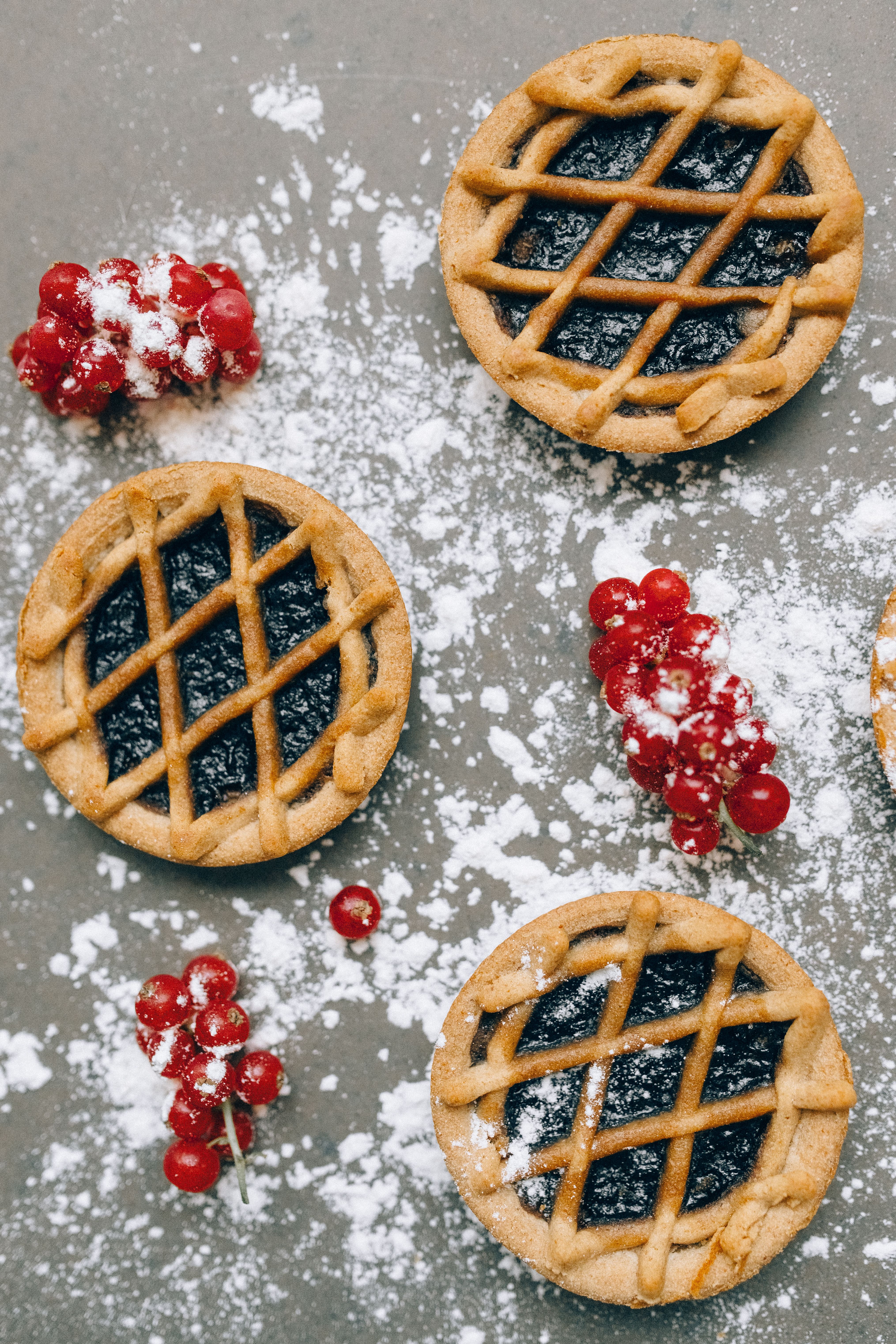
Butter tarts are one of Canada's signature sweets, with recipes appearing in Ontario community cookbooks in the early 1900s. Food historians often point to rural kitchens where simple pantry ingredients had to go a long way. That origin story makes sense when you taste one. It is thrifty, direct, and built around what bakers already had on hand.
Pecan pie has a more regional American identity, especially in the South. Pecans are native to North America, and the pie became closely tied to Southern baking traditions. Its rise in the 20th century also tracks with the popularity of corn syrup in home kitchens, which helped create the glossy filling many Americans now expect.
So even before the first bite, these desserts signal different values. Butter tarts feel homemade in a deeply practical way. Pecan pie feels celebratory and abundant. One came from making something special out of very little. The other became a holiday statement piece.
Sweetness is where the contest gets serious
Let's be honest. Neither dessert is shy. Both are sweet enough that a small serving usually does the job, and both rely on the magic combination of sugar, fat, and pastry. But the sweetness lands differently.
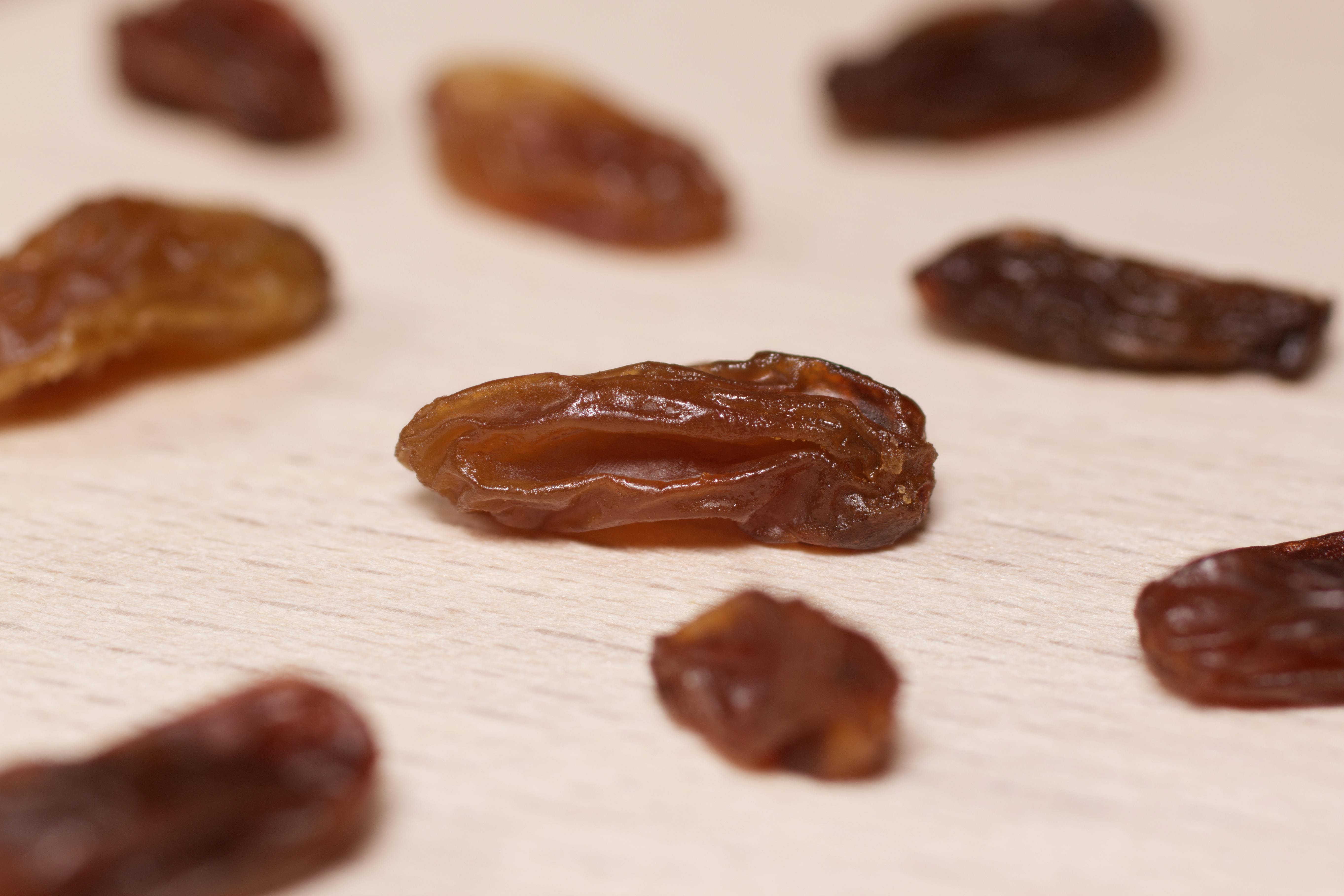
Butter tarts often taste more concentrated because they are small and the filling is exposed. There is nowhere to hide. Raisins or currants, when included, add chew and a little fruit depth. Some Canadian bakers swear by walnuts instead. Others believe adding anything at all is dessert vandalism.
Pecan pie spreads that sweetness over a larger bite and lets the nuts do real work. Pecans bring bitterness, oiliness, and toastiness, which keeps the pie from becoming one-note. For many American eaters, that balance makes pecan pie easier to finish. Butter tarts can be more thrilling, but also more overwhelming if the filling is especially syrupy.
Regional loyalty shapes the verdict
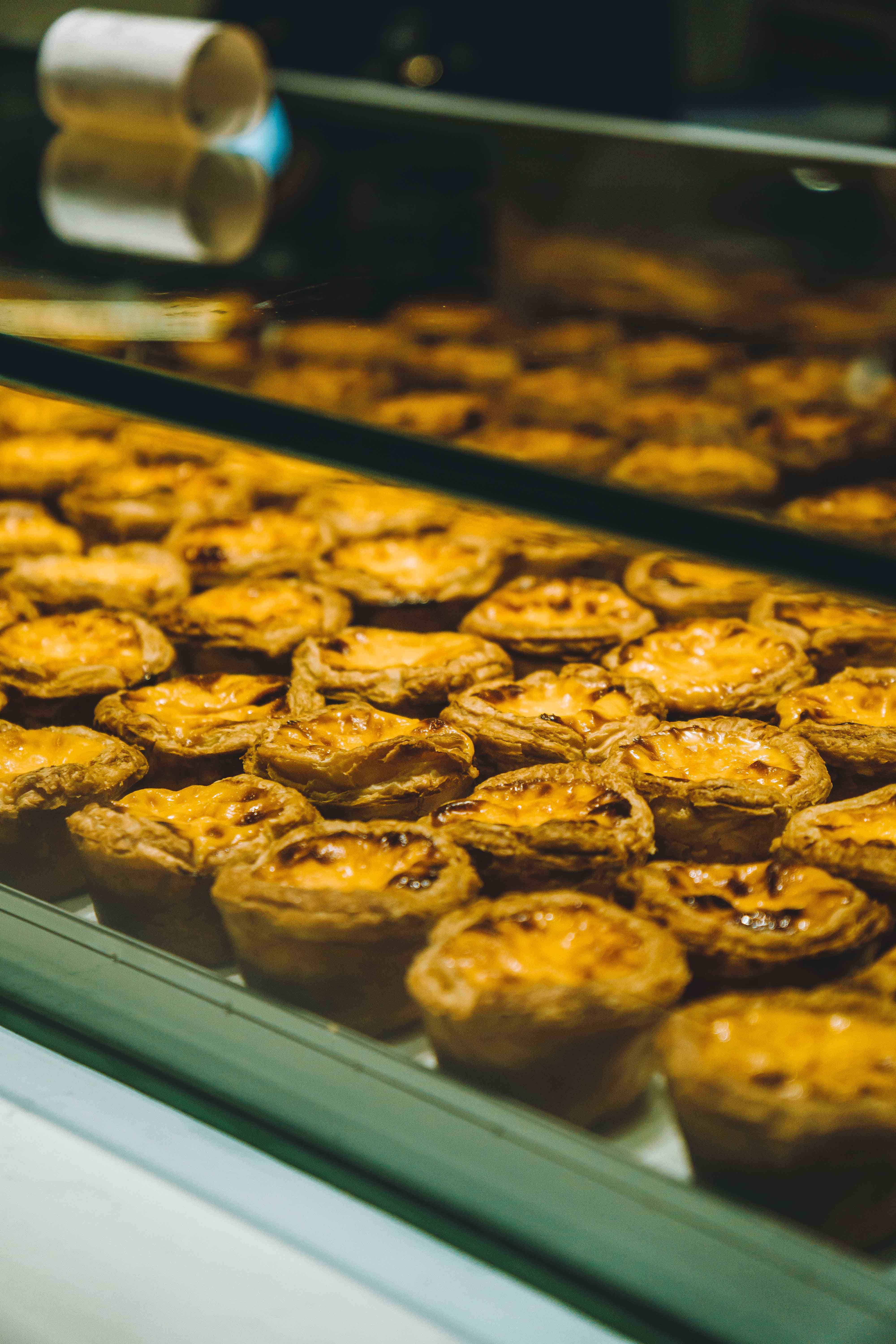
In Canada, butter tarts are not just dessert. They are identity. Bakeries, fall fairs, and butter tart festivals treat them like a point of national pride. There are serious local arguments over shell thickness, filling consistency, and the eternal raisin question. That kind of loyalty usually belongs to foods people grew up with.
In the United States, pecan pie plays a similar role, especially around Thanksgiving and Christmas. It appears beside pumpkin pie as part of a larger holiday table, and that matters. Americans often judge it not as a standalone sweet, but as part of a ritual meal with family, coffee, and leftovers the next day.
That difference is important. Butter tarts often need to win on individual excellence. Pecan pie wins by fitting perfectly into an American holiday setting. One is a specialist. The other is a team player. Depending on your dessert philosophy, either argument is pretty convincing.
What bakers and judges usually look for
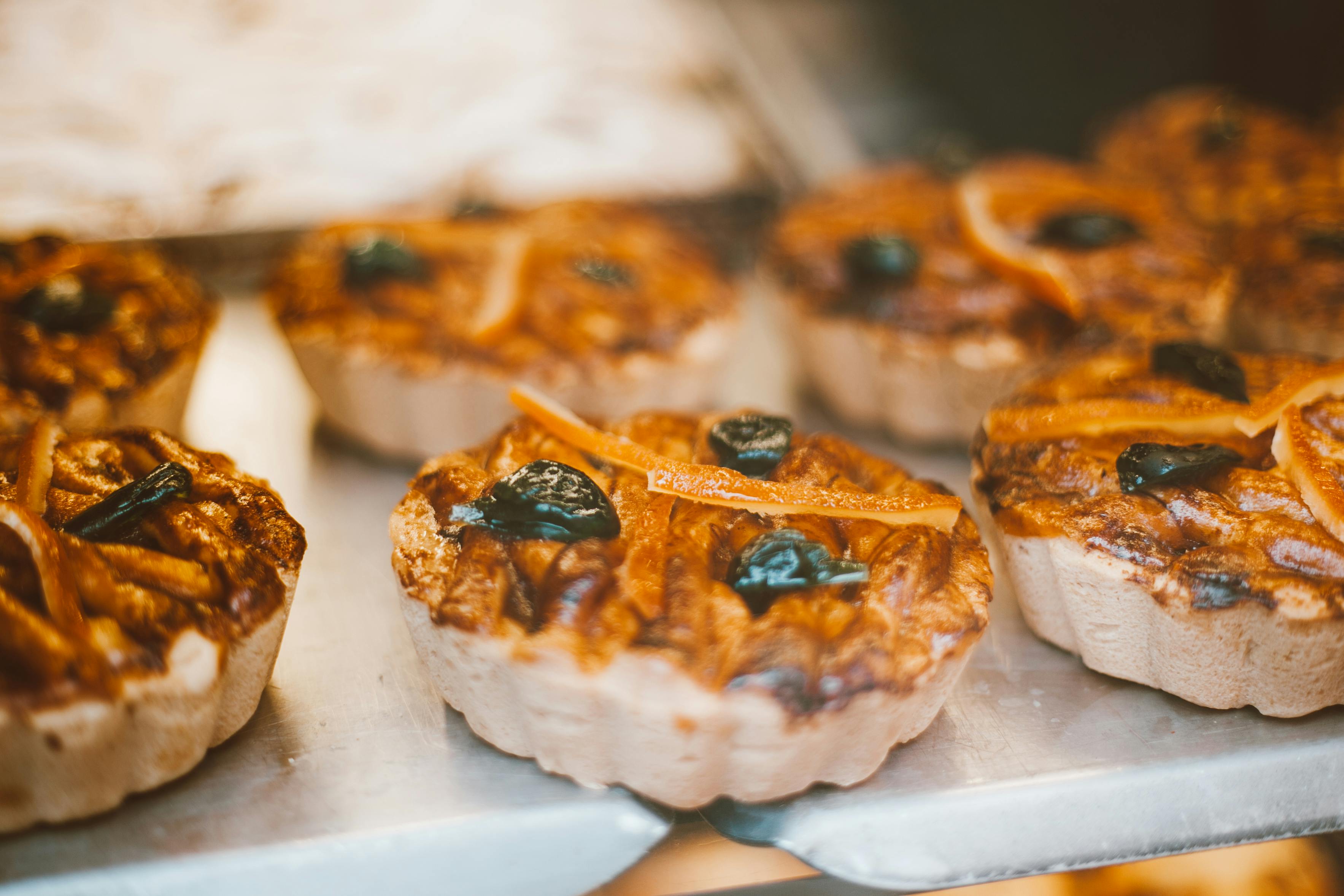
A great butter tart needs contrast. The shell should stay flaky, not soggy. The filling should be rich but not greasy, sweet but not flat. In many Canadian baking competitions, judges care a lot about whether the tart leaks, whether the top crusts correctly, and whether the center matches the baker's intended style.
A great pecan pie is judged a little differently. The filling should set cleanly without turning rubbery. The pecans should taste toasted, not stale, and the pie should slice neatly while still feeling lush. In American test kitchens, balance is usually the key word. Too much syrup and it becomes heavy. Too many nuts and it turns dry.
From a technical point of view, pecan pie is slightly more forgiving because the nuts help cover flaws. Butter tarts expose every mistake. A weak shell, split filling, or cloying sweetness is instantly obvious. That makes the best butter tarts incredibly impressive, but it also means average ones disappoint faster.
So which one actually wins
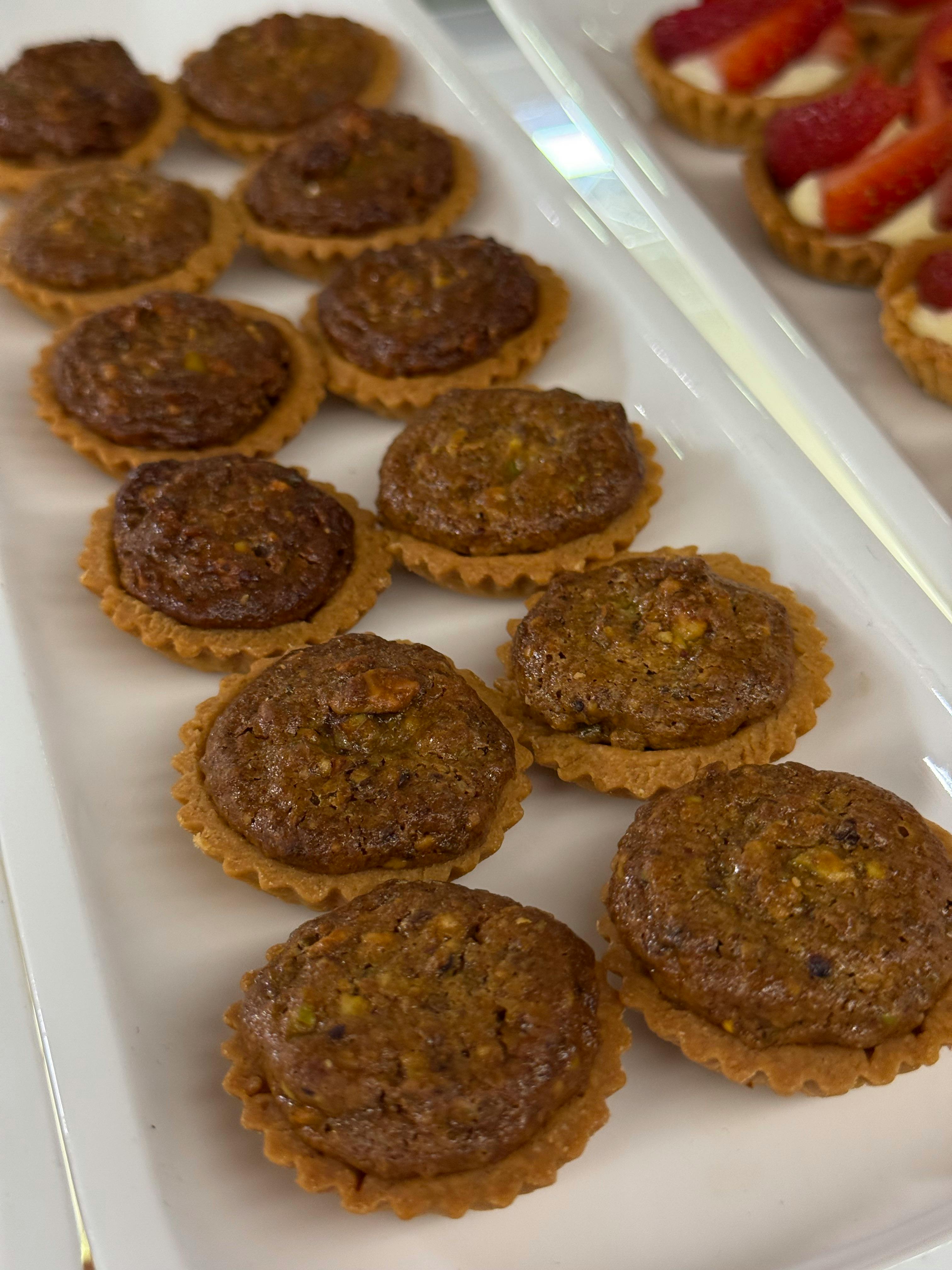
If the contest is about complexity, balance, and crowd appeal, pecan pie wins. It offers more texture, a gentler sweetness, and a stronger place in the rhythm of an American meal. For a general US audience, it is also more familiar, which matters more than food snobs like to admit.
But if the contest is about personality, intensity, and pure pastry drama, butter tarts win. A really good one delivers a sharper, richer, more memorable bite than most slices of pecan pie ever do. It feels less polite and more exciting.
So the honest answer is that there is no universal winner. Pecan pie is the safer champion. Butter tarts are the cult favorite. If you want the dessert most people will love, serve pecan pie. If you want the dessert people will talk about, bet on the butter tart.




Leave a Reply