
Frozen dessert is having a serious moment in Canada. And this time, the biggest story starts in Ontario.
A national rebound is showing up in the freezer aisle
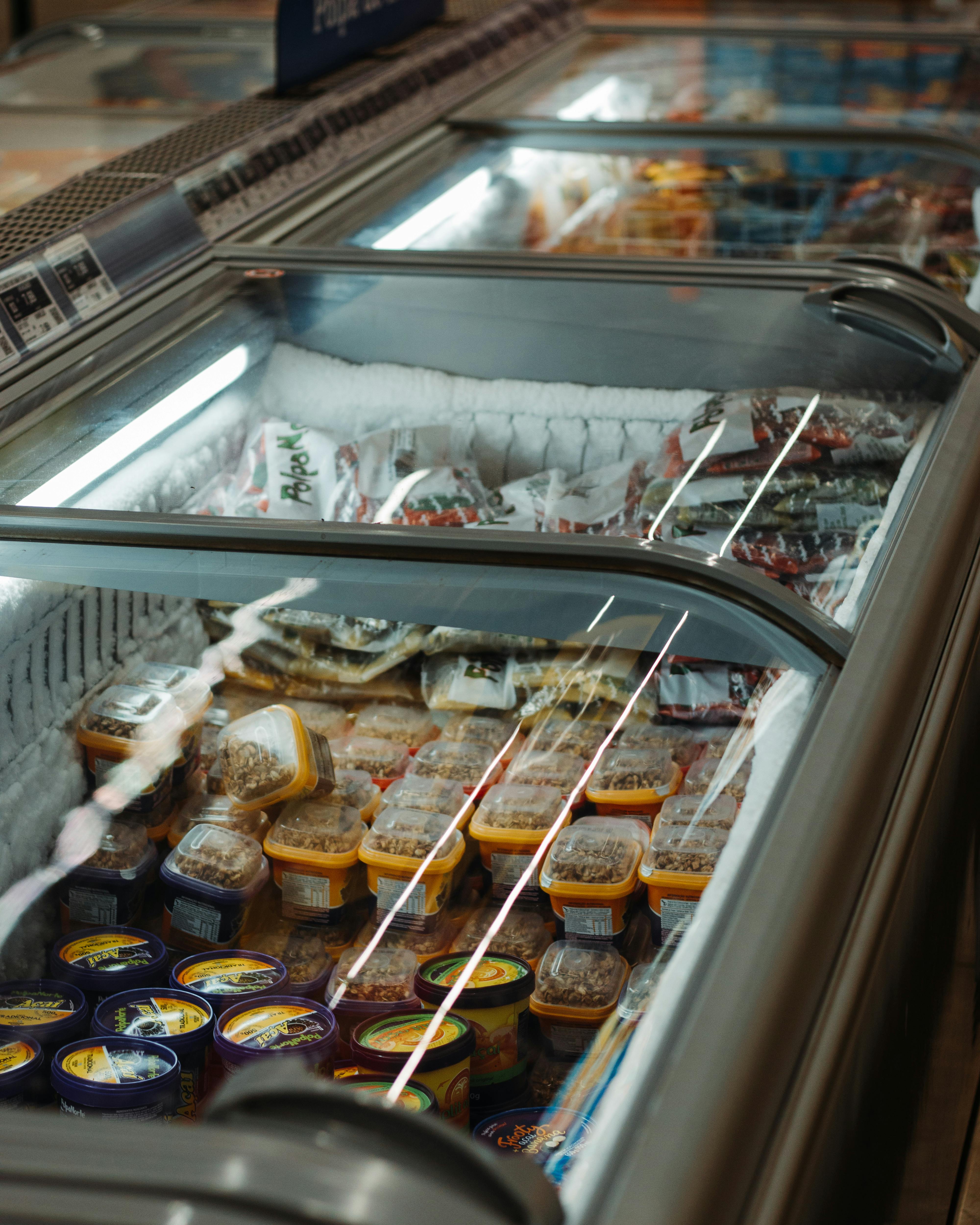
Canada's ice cream production has risen to its highest point in six years, a notable signal for both the dairy industry and food manufacturing sector. The increase reflects more than a seasonal spike. It points to stronger factory output, healthier supply chains, and sustained consumer demand for affordable treats.
What makes this rebound meaningful is its timing. Food manufacturers have spent the last few years dealing with inflation, transport bottlenecks, labour shortages, and shifting shopping habits. Reaching a six-year high suggests producers have regained enough stability to scale up again without sacrificing volume or variety.
Industry data also indicates that consumers continue to treat ice cream as a resilient purchase. Even when household budgets tighten, small indulgences often hold up better than larger discretionary buys. That makes ice cream a useful barometer for how Canadians are balancing caution with comfort in their grocery spending.
Ontario is doing much of the heavy lifting

Ontario's role in this production jump is not surprising, but it is especially important. The province combines Canada's largest population base with a deep food manufacturing network, strong cold-chain logistics, and close access to dairy farms. Those factors give producers a practical advantage when scaling output quickly.
The province is also home to a large share of the country's dairy processing infrastructure. Plants in Ontario are positioned to serve both major grocery chains and foodservice buyers, while also supporting private-label manufacturing. That flexibility matters in a market where retailers want dependable volume and consumers want more choices.
Ontario's proximity to major urban markets like Toronto, Ottawa, and the surrounding Golden Horseshoe further strengthens its position. Shorter transport routes can help lower distribution complexity and protect product quality. For frozen goods, especially, efficient delivery is not just convenient. It is essential to profitability.
Dairy supply and processing capacity are central to the story

Ice cream production begins with milk, cream, butterfat, sugar, and a tightly managed manufacturing process. In Canada, the dairy system provides a relatively stable base for processors, allowing manufacturers to plan around predictable supply. That stability can encourage investment in equipment, packaging lines, and production scheduling.
Processing capacity matters just as much as raw ingredients. A plant may have access to cream, but it still needs labour, energy, freezing systems, storage, and transport readiness to move product at scale. When those pieces align, output can rise quickly, especially during warmer months when demand accelerates.
Recent production gains likely reflect improved efficiency inside plants as well. Manufacturers across food categories have been investing in automation, maintenance upgrades, and better inventory planning. In ice cream, that can mean faster changeovers between flavours, less downtime, and a stronger ability to meet retailer orders without delay.
Consumer demand is broader than simple summer seasonality
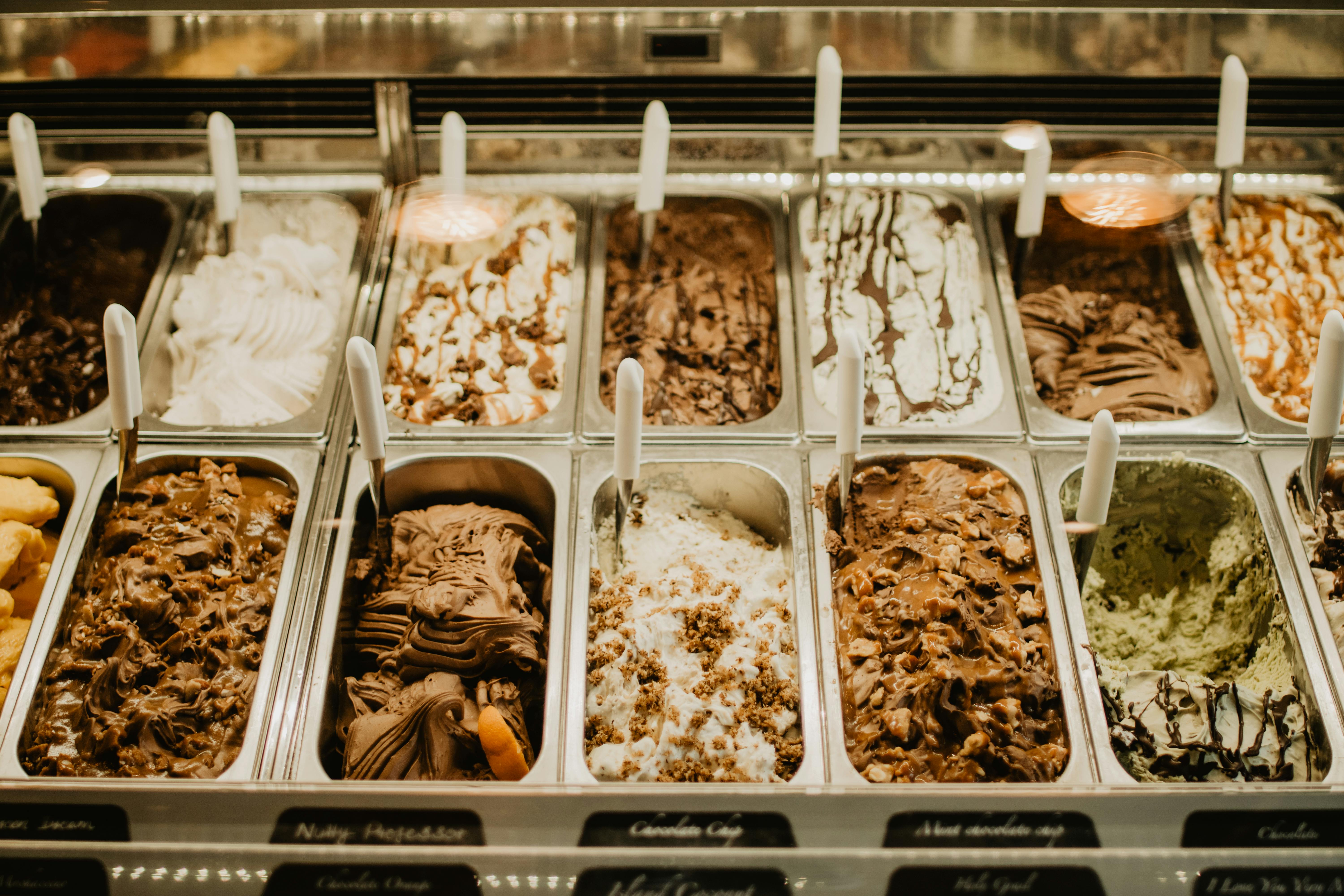
Warm weather always helps, but Canada's recent production growth cannot be explained by summer alone. Ice cream has become a year-round grocery item, helped by premium pints, novelty bars, family tubs, and better in-home freezer habits. Consumers are buying across more formats and more occasions than before.
Another shift is the expansion of product variety. Lactose-free options, higher-protein formulations, smaller portion sizes, and globally inspired flavours have widened the customer base. Producers are not just making more ice cream. They are making more kinds of ice cream for more distinct segments of the market.
Private label has also become more influential. As grocery prices remain elevated, many households are comparing branded products with store brands more carefully. For processors, that opens volume opportunities. A growing private-label business can keep production lines busier even when shoppers trade down from premium national labels.
Higher output has ripple effects beyond dessert

A six-year production high is good news for more than ice cream lovers. It supports dairy farmers, plant workers, packaging suppliers, refrigerated transport companies, and grocery distributors. When one processed food category expands, the economic impact often spreads across multiple layers of the supply chain.
Ontario benefits especially because so many of those supporting industries are clustered nearby. That concentration can create efficiencies in procurement, staffing, equipment servicing, and distribution. It also gives the province an edge when manufacturers decide where to expand capacity or launch new product lines.
There is also a competitive signal here for the broader Canadian food sector. Rising output in a mature category suggests domestic manufacturing still has room to grow when supply conditions improve. In practical terms, ice cream's momentum shows how established industries can still post meaningful gains with the right operating environment.
What to watch next for Canada's frozen treat industry
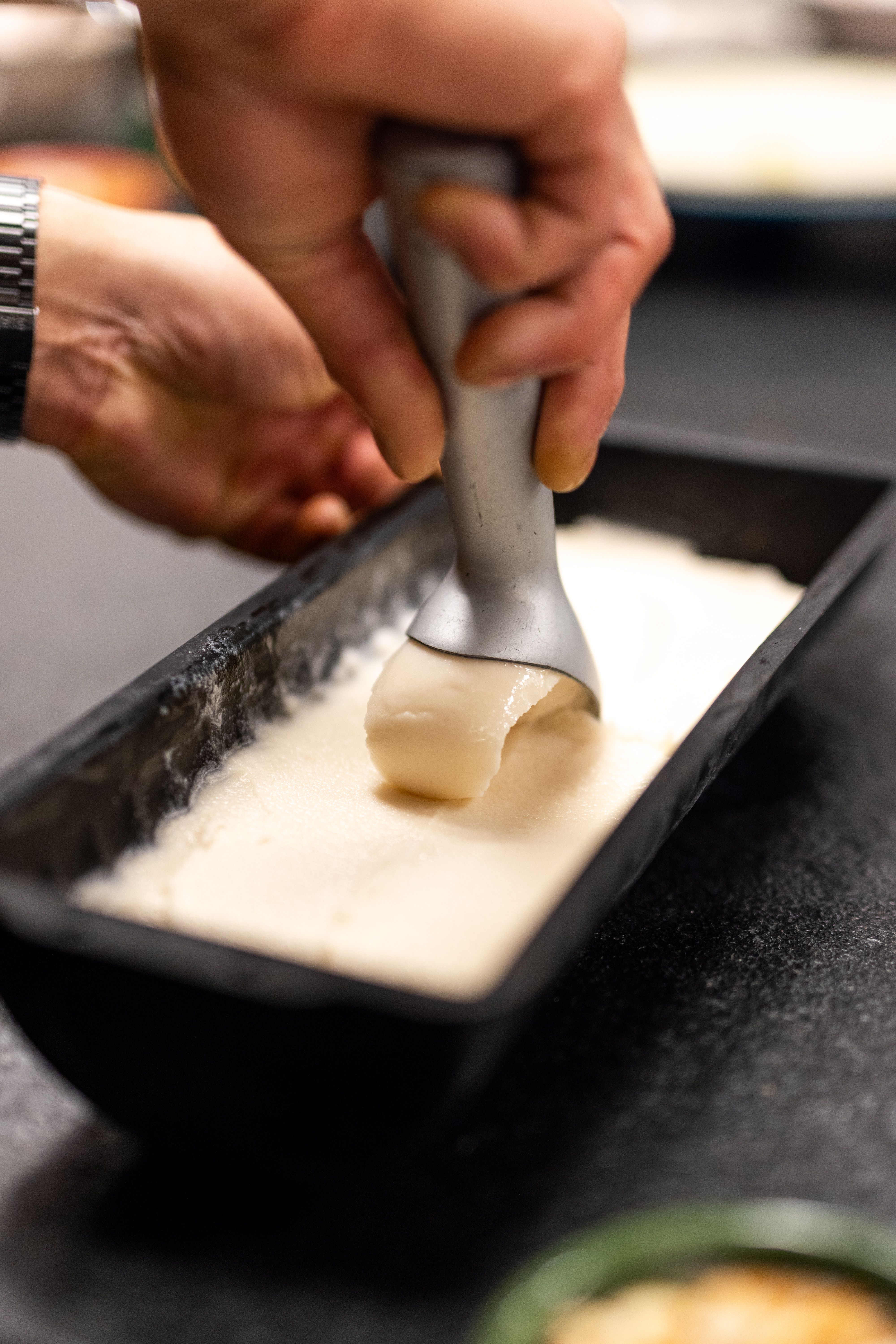
The next question is whether this higher level of production can be sustained beyond peak season. That will depend on input costs, energy prices, labour availability, and how aggressively retailers promote frozen desserts. If consumer demand stays steady, manufacturers may have reason to keep output elevated into coming quarters.
Ontario is likely to remain the center of that momentum, but other provinces could benefit as well. Regional brands, specialty producers, and processors tied to local dairy supply may look for ways to capture more shelf space. Innovation will matter, especially in pricing, packaging, and health-focused offerings.
For now, the headline is straightforward. Canada is making more ice cream than it has in six years, and Ontario is the main engine behind it. In a food economy shaped by cost pressures and cautious consumers, that is a surprisingly strong sign of confidence and capacity.




Leave a Reply