
Canadians have felt the squeeze at the checkout for years. Now the country's competition watchdog is taking a much closer look at the food industry.
Why the Competition Bureau is paying attention
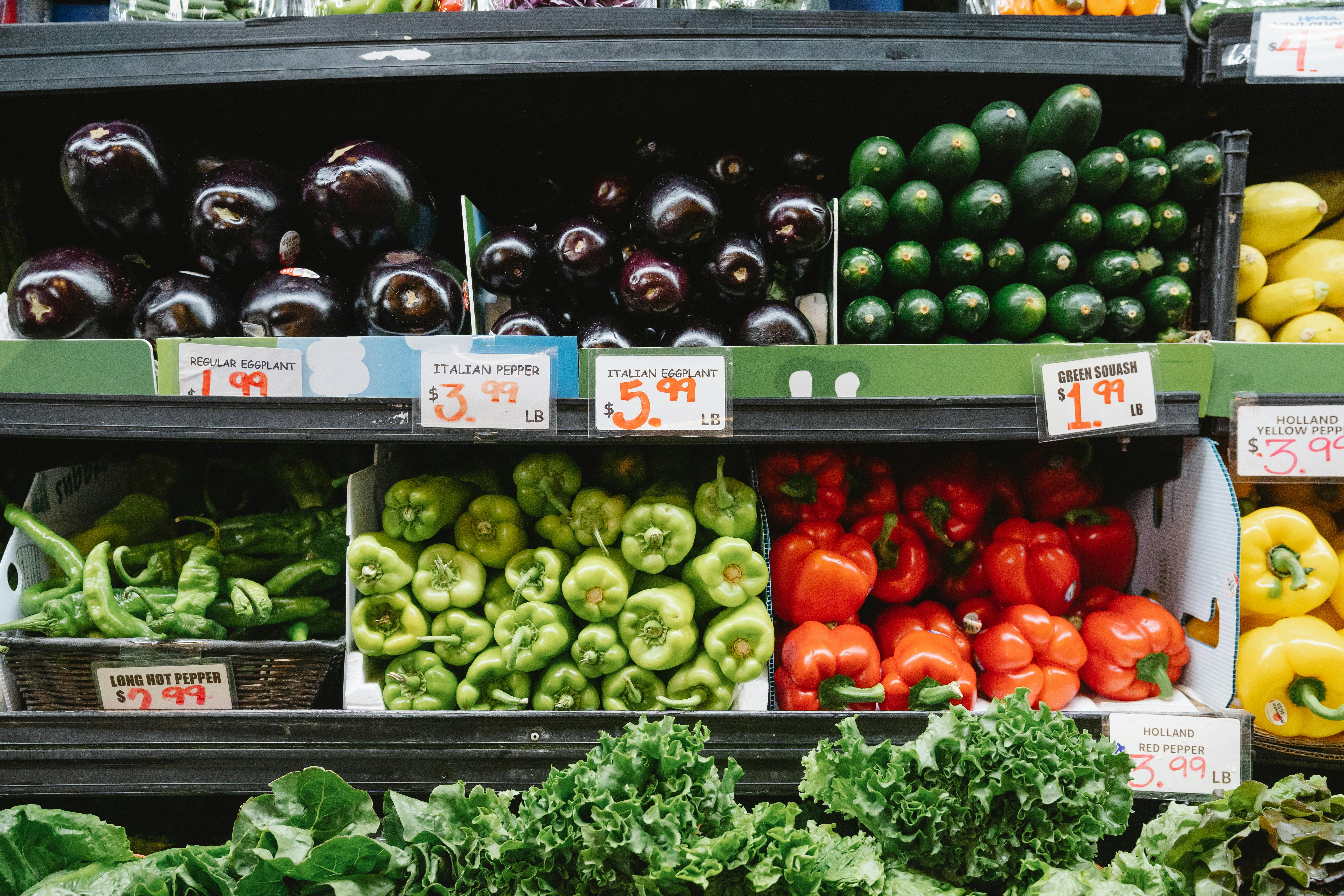
High grocery bills did not appear out of nowhere. Food inflation surged after the pandemic, driven by supply disruptions, energy costs, labour pressures, and global commodity shocks, but public frustration grew because prices stayed elevated even as some of those pressures eased.
The Competition Bureau has been under political and public pressure to examine whether the market itself is part of the problem. Canada's grocery sector is highly concentrated, with a small number of major players holding significant market power in food retail, distribution, and procurement.
That concentration matters because limited competition can weaken price pressure. When fewer companies dominate shelves, warehouse networks, and supplier relationships, shoppers may face fewer deals, slower price drops, and less innovation in everything from private-label products to delivery options.
Recent reforms have also given the Bureau sharper tools. Changes to competition law have expanded its ability to study markets, challenge anti-competitive conduct, and look more closely at practices that may not have drawn serious scrutiny in the past.
What parts of the food industry could face scrutiny

This is not just about the sticker price on a carton of milk. The Bureau's interest can extend across the food chain, including grocers, wholesalers, suppliers, real estate arrangements, data practices, and the agreements that shape who can sell where.
One major concern is conduct that blocks rivals from growing. That can include exclusivity clauses in commercial leases, restrictive covenants that keep competing grocers out of certain locations, or supplier arrangements that make it harder for independent stores to access competitive pricing.
Another area is coordinated behaviour. Investigators do not need to prove a dramatic conspiracy to ask hard questions about whether dominant firms are moving in similar ways, using their bargaining power to entrench positions, or creating conditions that discourage aggressive competition.
The Bureau may also examine merger effects, even after deals are completed. If consolidation reduces local competition in specific communities, the practical result for shoppers can be fewer store options, weaker promotions, and less reason for retailers to fight for loyalty.
Why grocery concentration matters to everyday shoppers
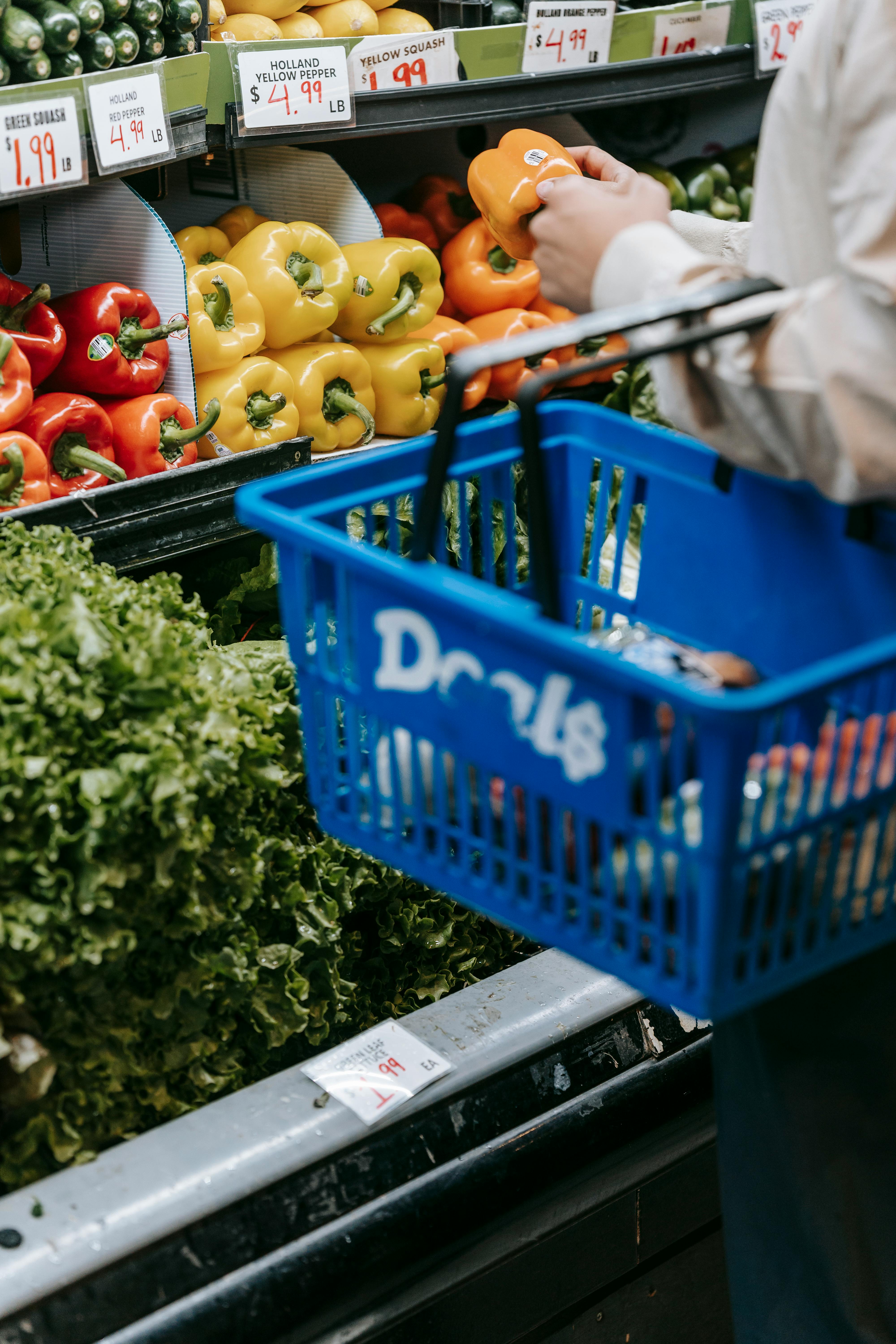
The most immediate issue for households is simple: concentrated markets can keep prices higher for longer. Even when cost pressures ease, companies with stronger market power may have less incentive to pass savings through quickly, especially in regions with limited retail alternatives.
Choice also narrows in less visible ways. A store may look full, but many products can come from the same parent company, the same preferred supplier network, or a procurement system that makes it hard for smaller brands to earn shelf space.
Independent grocers often feel the pressure first. They may pay more for wholesale goods, struggle to secure favourable delivery terms, or face higher occupancy barriers, which can make it difficult to compete with chains that control larger volumes and better locations.
For consumers, that can mean fewer neighbourhood stores, reduced regional variety, and weaker competition on service. Price matching, loyalty offers, and fresh food quality all tend to improve when retailers genuinely fear losing shoppers to a nearby rival.
What shoppers might notice if enforcement increases

A stronger regulatory push will not make food cheaper overnight. Competition cases move slowly, and the Bureau must still gather evidence, test legal arguments, and, where necessary, bring cases before the Competition Tribunal or seek negotiated remedies.
Still, shoppers could eventually see practical changes. If anti-competitive lease restrictions are removed, new grocery entrants may be able to open in underserved areas, giving consumers more nearby choices and forcing incumbents to sharpen prices and promotions.
Supplier access could improve too. If smaller retailers and emerging food brands face fewer barriers, store assortments may become more diverse, including more local products, challenger brands, and niche offerings that large chains do not always prioritize.
Over time, the biggest benefit may be cultural. A market under closer scrutiny often becomes more cautious about aggressive conduct, which can create a more competitive environment even before a major legal ruling lands.
The limits of what the Bureau can actually fix

It is important not to overpromise. Grocery prices are shaped by many forces that competition enforcement cannot control, including weather events, animal disease outbreaks, transportation costs, exchange rates, and global disruptions in grain, fertilizer, and fuel markets.
Canada also has structural challenges that go beyond competition law. A vast geography, a relatively small population, and supply-managed sectors in some categories all influence price formation and distribution costs in ways that are not easily altered by enforcement action alone.
Even so, the Bureau's role is not trivial. It can address artificial barriers that make a difficult market even less competitive, and that matters because every avoidable obstacle can compound the cost burden already facing consumers.
The key distinction is between high prices caused by world events and high prices protected by market power. The Bureau cannot eliminate the first problem, but it can try to reduce the second.
What this means for Canadian consumers now

For now, shoppers should view the Bureau's attention as a medium-term development rather than an instant rebate at the register. The real significance is that food retail behaviour, local market concentration, and supply chain practices are now more likely to face public and legal challenge.
That shift could influence corporate decisions well before any final ruling. Large retailers may think harder about lease tactics, supplier negotiations, and expansion strategies if they believe regulators, lawmakers, and the public are watching more closely than before.
Consumers may also gain from better transparency. Public investigations and policy debates tend to reveal how pricing systems, distribution networks, and competitive barriers actually work, helping shoppers understand why food costs differ so sharply by region and retailer.
In the end, scrutiny alone is not a cure. But in a market as essential as food, tougher oversight can be the difference between a system that merely looks competitive and one that truly works for shoppers.




Leave a Reply