
Food is becoming one of the clearest front lines of the climate crisis. The latest UN findings show that weather shocks are no longer isolated setbacks, but direct and repeated threats to how the world grows, moves, and pays for food.
The warning is no longer theoretical

What makes the new UN report so striking is its tone. It does not describe climate change as a distant force that may one day disrupt agriculture. It says the disruption is already here, visible in failed harvests, damaged fisheries, stressed livestock, and rising volatility across global food markets.
According to UN agencies tracking food security and climate impacts, extreme heat, prolonged drought, intense rainfall, and stronger storms are hitting food production with growing frequency. The losses are not confined to one region. From East Africa to South Asia and from the Mediterranean to Latin America, staple crops are being exposed to more frequent climate stress.
The report's broader point is simple and serious. Modern food systems depend on predictable seasons, workable soils, stable water supplies, and reliable transport. Climate shocks are eroding each of those foundations at once, making food insecurity more likely even in places that once appeared relatively resilient.
Crop failures are spreading through the supply chain
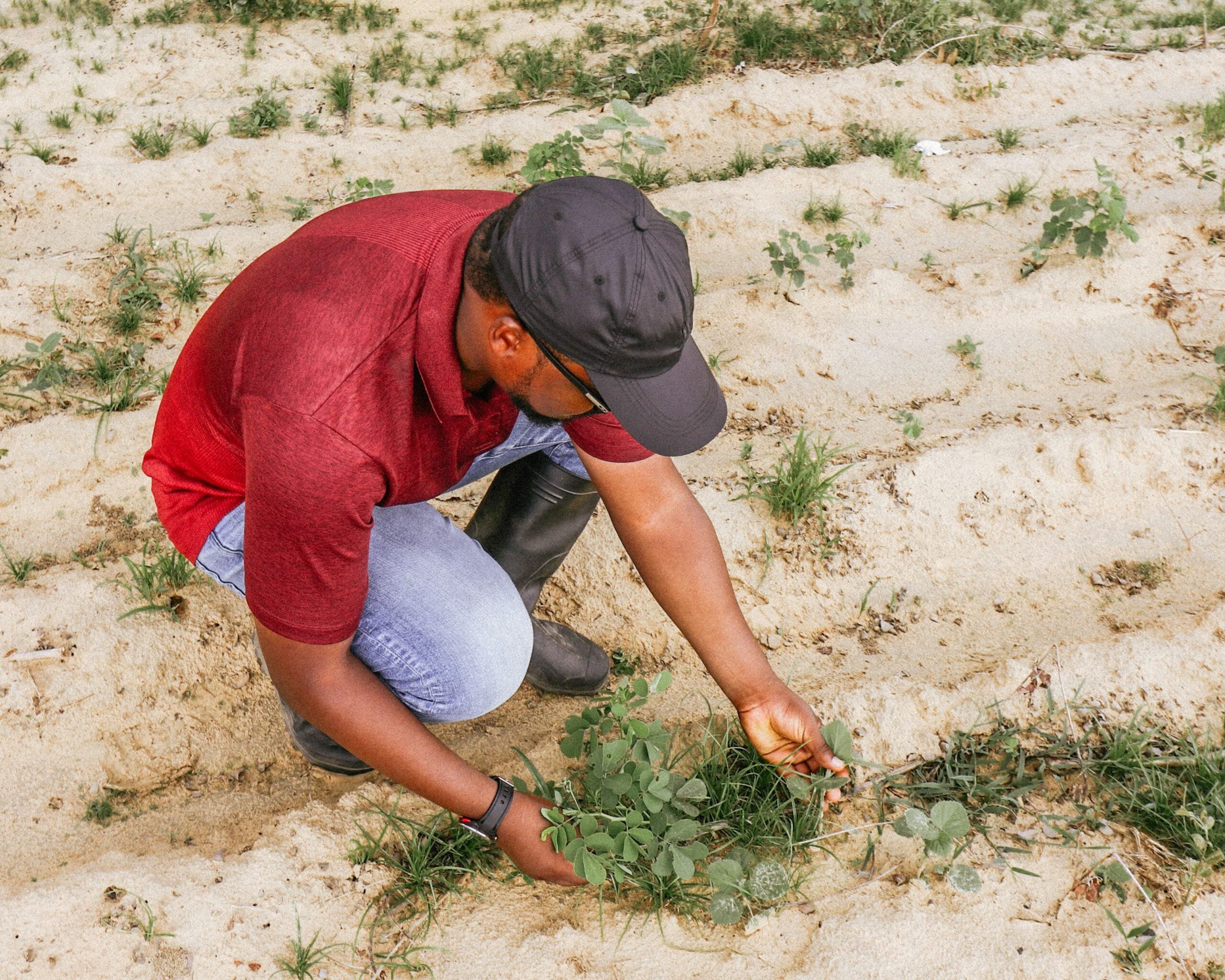
A poor harvest does not stay on the farm. Once drought cuts wheat yields, floods destroy rice paddies, or heat reduces maize output, the effects move quickly into storage, transport, processing, and retail, often pushing up prices far from the original disaster zone.
That pattern has become easier to see in recent years. Severe drought in parts of southern Africa has damaged maize and sorghum production. Flooding in South Asia has repeatedly hurt rice-growing regions. In major exporting countries, heat and water stress have also threatened crops that many import-dependent nations rely on.
The UN report emphasizes that food supply chains are globally connected but not equally protected. A weather disaster in one breadbasket can tighten supplies elsewhere, while poorer countries face the sharpest pain because they spend a larger share of household income on food and often have fewer financial buffers.
Hunger risks are rising fastest where resilience is weakest
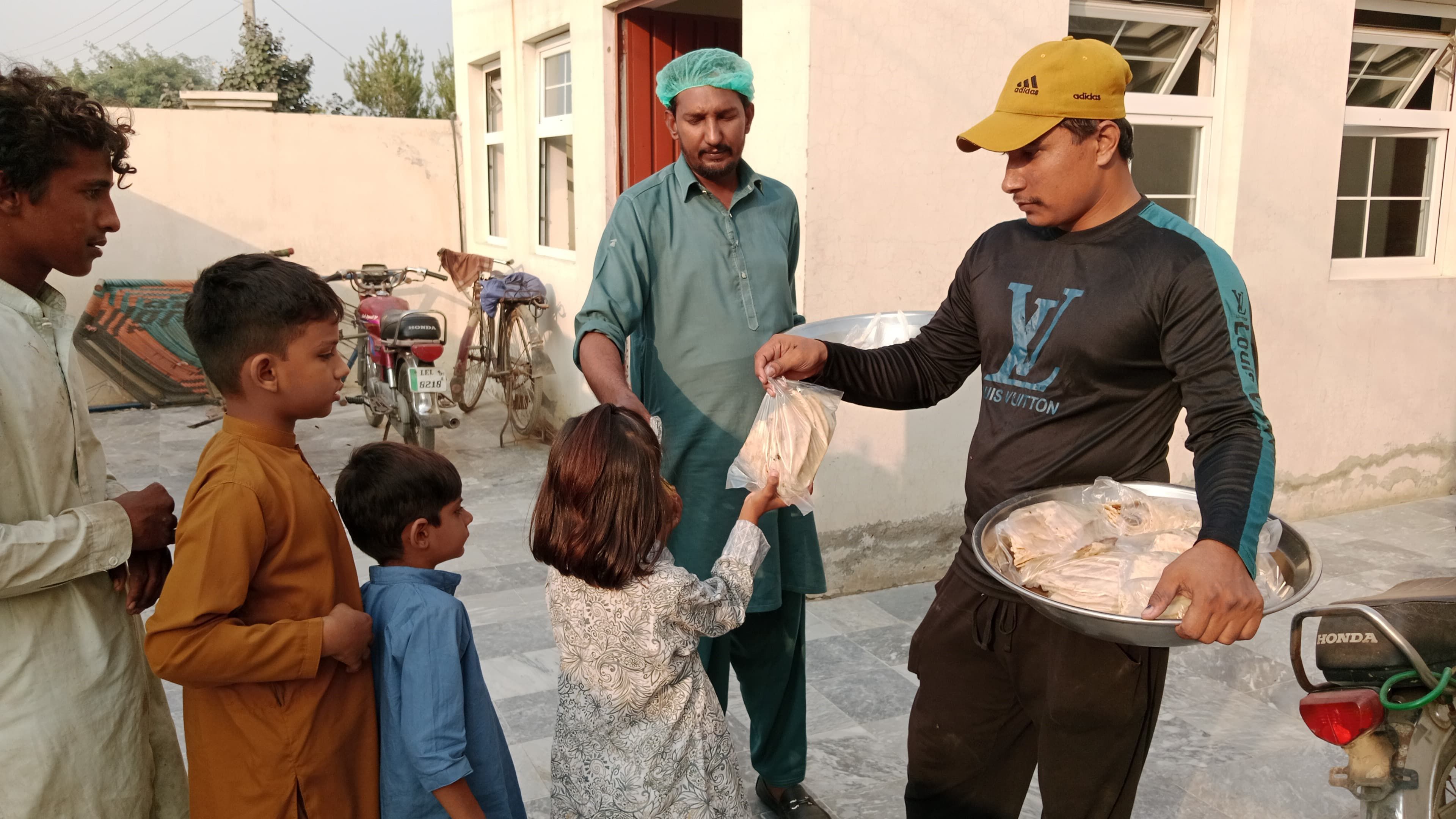
The most alarming part of the picture is how unevenly the burden falls. Communities already facing poverty, fragile infrastructure, conflict, or water scarcity are the least able to absorb climate shocks, which means the same storm or drought can have radically different consequences depending on where it lands.
In the Horn of Africa, repeated drought has wiped out livestock, reduced crop output, and pushed millions deeper into hunger. In parts of Afghanistan and the Sahel, climate pressure has compounded existing instability. When harvests fail in these places, families often sell assets, skip meals, pull children from school, or migrate in search of work.
The UN's message is that food insecurity is not only about production totals. Access matters just as much. Even where food remains available in markets, price spikes can place basic staples out of reach, turning a climate shock into a human nutrition crisis with long-lasting health effects.
Oceans, livestock, and soils are under pressure too
Food supply is about far more than grains. The UN report points to warming oceans, shifting fish stocks, coral decline, and marine heatwaves as growing risks to coastal communities that depend heavily on seafood for both income and protein.
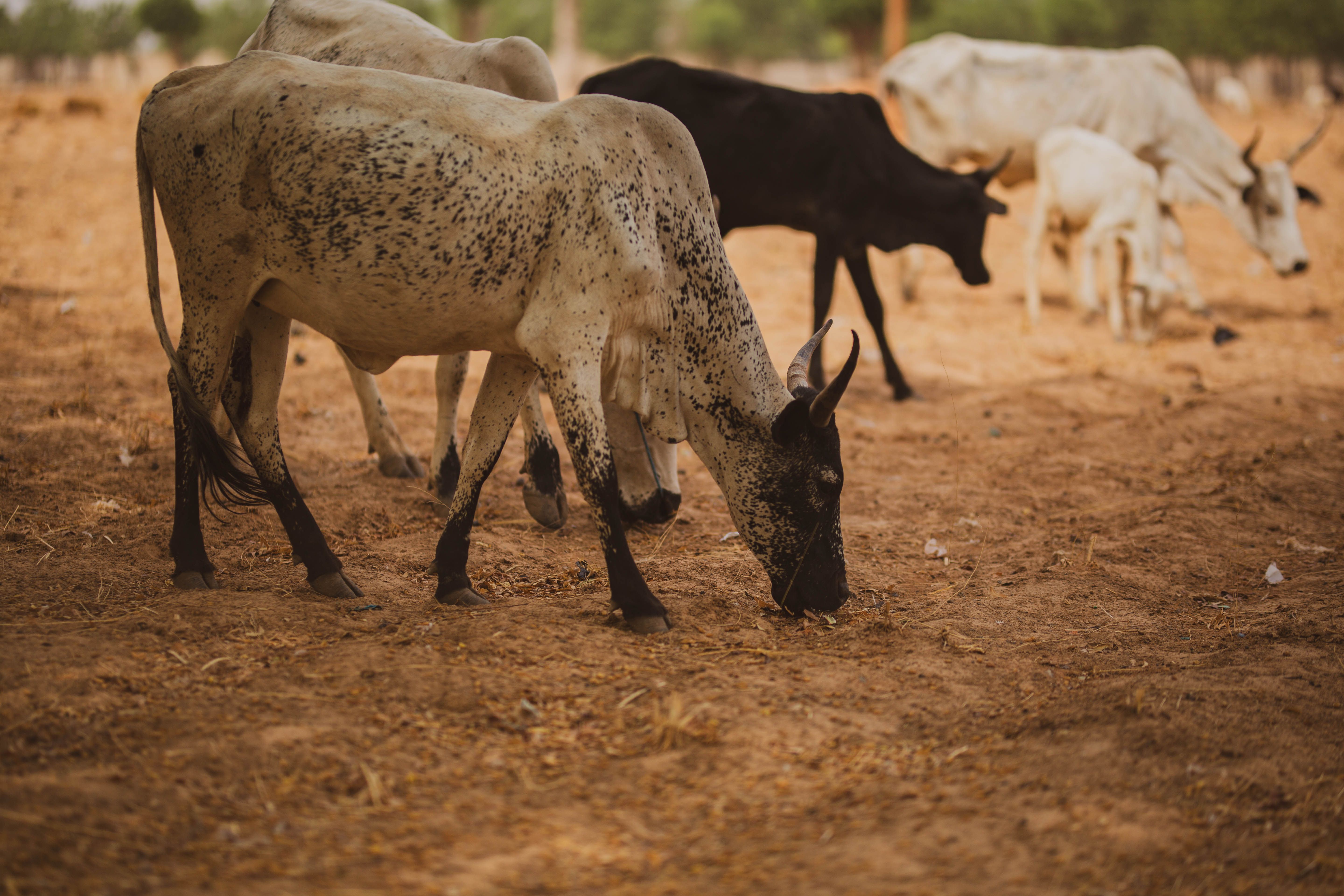
Livestock systems are also under strain. Extreme heat reduces animal productivity, weakens fertility, and raises mortality risk, while drought limits pasture and feed availability. In some regions, warmer conditions are also helping pests and animal diseases spread into new areas, creating another layer of pressure on rural livelihoods.
Then there is the land itself. Heavy rainfall can wash away fertile topsoil, while repeated drought hardens ground and lowers yields over time. Degraded soils retain less water and support weaker harvests, which means each new climate shock lands on an agricultural base that may already be diminished.
Prices, politics, and trade are becoming more unstable

When climate shocks hit food production repeatedly, they do more than shrink supply. They inject uncertainty into markets, encourage export restrictions, unsettle governments, and increase the risk of social tension, especially where food inflation is already politically sensitive.
Recent years have shown how quickly this can happen. A combination of climate stress, high energy costs, and geopolitical disruption has amplified food price volatility across multiple regions. For low-income importers, that can widen budget deficits, strain foreign currency reserves, and reduce governments' ability to protect vulnerable households.
The report suggests that climate risk should now be treated as a core economic and security issue, not just an environmental one. If harvest shocks continue to intensify, policymakers will face harder trade-offs over food reserves, subsidies, water allocation, and emergency relief in a world of tighter margins.
What the report says must happen next

The encouraging part of the UN warning is that many solutions are already known. Governments can expand climate-resilient seeds, better irrigation, early warning systems, crop insurance, cold storage, and rural infrastructure that helps farmers withstand both heat and floods.
But adaptation alone will not be enough if warming continues unchecked. The report aligns with a broader scientific consensus that cutting greenhouse gas emissions remains essential to preventing even deeper damage to food systems. The less the planet heats up, the more manageable future agricultural risks become.
The real test is speed. Protecting the food supply now requires faster financing for vulnerable countries, better planning across trade and agriculture, and stronger support for smallholder farmers who produce much of the world's food. The UN report is ultimately a warning that delay will be measured in both higher prices and empty plates.


Leave a Reply