
School lunch has suddenly become one of Canada's most emotionally charged policy debates. What lands on a cafeteria tray now sits at the intersection of nutrition science, family budgets, culture, and politics.
What the new law is designed to change
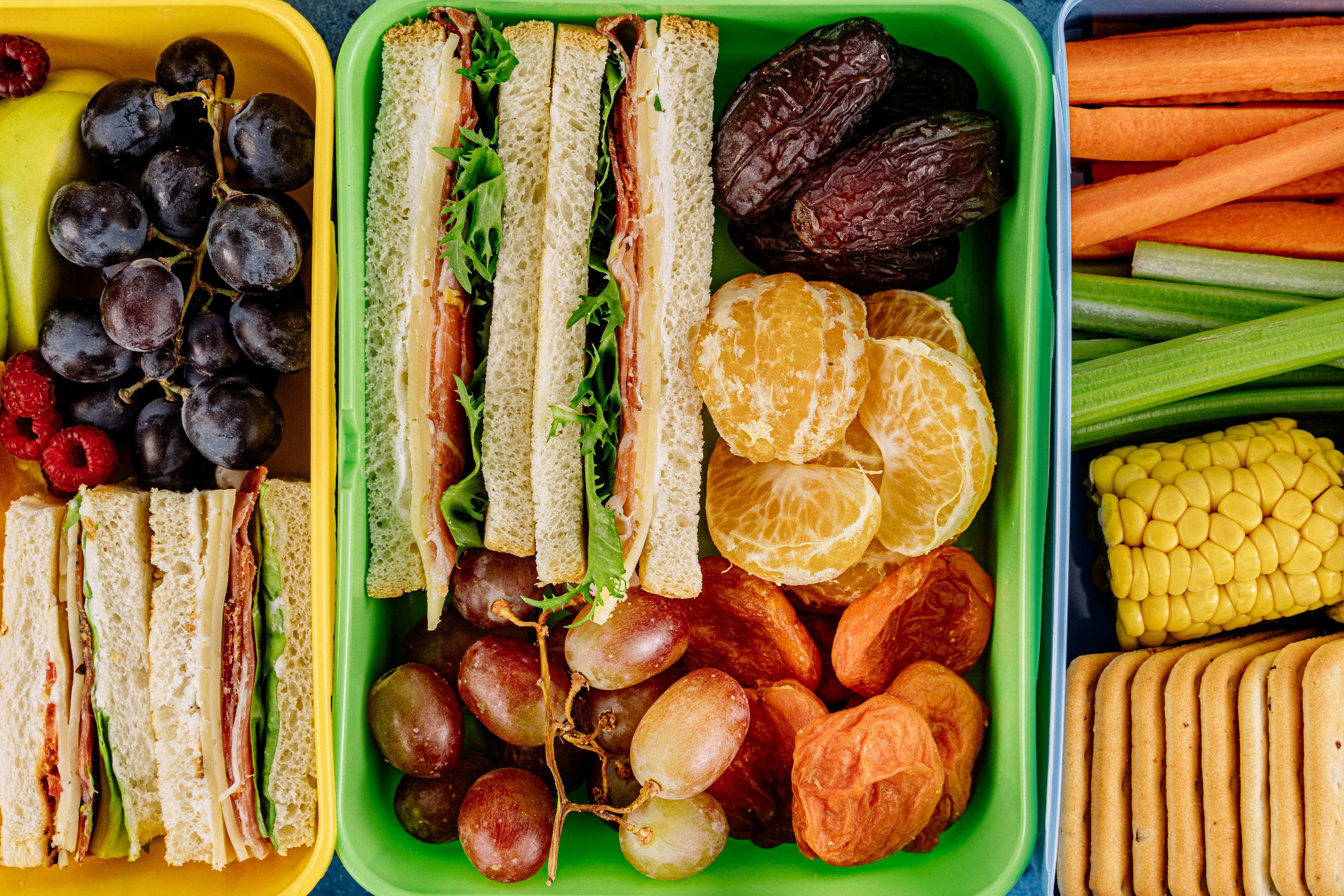
At its core, the new Canadian school food law aims to set a firmer national direction for what students are offered during the school day. The focus is not simply on removing a few unpopular snacks. It is about reshaping the nutritional baseline in school cafeterias by limiting foods high in sodium, added sugars, and saturated fat, while encouraging more whole grains, fruits, vegetables, legumes, and protein-rich staples.
The policy reflects years of concern from public health experts who have argued that children consume too many ultra-processed foods and too few minimally processed ones. Health advocates have long pointed to rising childhood obesity rates, elevated concerns around Type 2 diabetes, and poor diet quality as reasons for stronger standards. In that sense, the law did not appear out of nowhere. It is the result of steady pressure from pediatricians, dietitians, and anti-poverty groups.
What makes this shift especially significant is the setting. Schools are not just another food venue. They serve millions of meals and snacks over the course of a year, and they strongly influence taste preferences, habits, and social norms. According to public health researchers, repeated exposure to healthier foods can gradually improve children's willingness to eat them, even when there is resistance at first.
For many supporters, the law is less about control and more about environment. Their argument is simple: if schools are expected to support learning, then the food sold or served there should align with that mission. To them, cafeterias are an extension of public health policy, not a free-market snack counter.
Why parents are reacting so strongly

Few topics trigger parental emotion faster than food, and that helps explain the intensity of the reaction. For some families, the law feels overdue and practical. They see it as a reasonable correction in a system where pizza, fries, sugary drinks, and packaged snacks became normal school fare despite years of nutritional warnings.
Other parents hear something very different. They worry the government is moving too far into decisions that families should make for themselves. In online forums, school board meetings, and local parent associations, concerns have surfaced about paternalism, loss of choice, and the risk of creating rules that look good on paper but ignore real life. A child who refuses a lentil bowl and throws it away is not necessarily eating better.
Cost is another major source of frustration. Parents are already dealing with high grocery bills, and some fear cafeteria prices will rise if schools switch to fresher ingredients, more scratch cooking, and stricter sourcing standards. In communities where school meals are not fully subsidized, even small price increases can matter. Families with multiple children are especially sensitive to that math.
Culture also plays a role. Canada's population is diverse, and many parents want assurance that healthier menus will still reflect regional and cultural food traditions. A national framework can easily become contentious if families feel their staples are being excluded or misjudged by a one-size-fits-all model.
What cafeterias may look like under the new standards

The most visible changes will likely appear on the tray itself. Foods that rely heavily on deep frying, processed meats, or sweetened sauces may become less common, while menus shift toward baked entrées, vegetable-forward sides, lower-sodium soups, and simpler ingredient lists. Chocolate bars at the till, sugary beverages in coolers, and oversized dessert options are exactly the sort of items critics of old cafeteria models have targeted for years.
Schools will not all change in the same way or at the same pace. Large urban districts with central procurement systems and established nutrition staff may adapt more easily than smaller or rural schools with tighter budgets and fewer suppliers. That uneven capacity is important because implementation often determines whether a law succeeds or becomes a source of ongoing resentment.
Menu redesign is also more complicated than many people assume. Cafeteria teams have to balance nutrient targets, food safety, labor limits, student preferences, and food waste. A quinoa salad may satisfy policy goals, but if it ends up in the garbage every day, schools will be under pressure to adjust. Nutrition experts often stress that healthy standards work best when paired with taste testing, student feedback, and gradual change.
There are models to draw from. Several Canadian schools and provinces have already piloted stronger food standards or farm-to-school programs with positive results, including better fruit and vegetable intake and stronger local supplier relationships. Those experiences suggest the law can work, but not without careful planning and operational support.
The case supporters are making

Supporters of the law argue that schools should not be places where nutrition takes a back seat to convenience and vendor contracts. They point to a substantial body of evidence showing that diet quality affects energy, concentration, mood, and long-term health. For them, this is not an abstract issue. It is a daily condition of learning.
Pediatric dietitians have repeatedly warned that children are surrounded by aggressive marketing for salty, sweet, and heavily processed foods. In that environment, schools can either reinforce those patterns or provide a counterweight. Advocates say the law helps create consistency between classroom health education and the food actually sold a few steps away in the cafeteria or vending area.
There is also an equity argument behind the push. Not every child arrives at school with the same access to nutritious food at home, and supporters say school meal environments can narrow that gap. When healthier food is normalized and broadly available, students who depend more heavily on school meals are not left with lower-quality options. Anti-hunger organizations have often framed this as both a health issue and a fairness issue.
Backers also reject the idea that children will only eat familiar processed fare. They point to schools that introduced yogurt parfaits, bean chili, roasted vegetables, and lower-sugar baked goods with growing acceptance over time. Their position is that taste can evolve, especially when adults stop underestimating what children are capable of enjoying.
The concerns critics do not want dismissed

Skeptics are not necessarily anti-health, and that distinction matters. Many critics say they support better nutrition but question whether legislation is the smartest tool. They worry schools will be handed ambitious standards without enough money, kitchen infrastructure, training, or flexibility to meet them well. In policy terms, that is a classic implementation problem.
Food waste is one of the most common warnings. If stricter menus produce meals students reject, the result could be more garbage, more frustration, and less trust in the system. School nutrition researchers have found that acceptance improves when children have time to adjust, but critics say lawmakers often underestimate that transition period and the operational strain it creates.
Another concern is stigma. If some students bring foods from home that would never be allowed in the cafeteria, schools may unintentionally create social tension or mixed messages. Parents also worry about children with sensory issues, restricted diets, allergies, or medically complex eating needs. A rigid system can look principled while still failing vulnerable students in practice.
Then there is the question of local autonomy. School boards, parent councils, and principals often believe they understand their communities better than distant lawmakers do. Critics argue that broad nutrition goals are reasonable, but schools need room to tailor menus to local tastes, seasonal supply, and cultural expectations.
What happens next for schools and families

The next phase will be less about headlines and more about execution. Provincial authorities, school boards, cafeteria operators, and suppliers will have to translate broad rules into purchasing lists, menu cycles, and day-to-day kitchen decisions. That process can be slow, especially when contracts, staffing shortages, and existing equipment limit what schools can do immediately.
Communication will be crucial. Schools that explain why menus are changing, invite student input, and give families clear nutritional information are likely to face less backlash than those that simply replace familiar items overnight. Experts in school food policy often say transparency matters almost as much as the standards themselves. Parents want to know not only what changed, but how decisions were made.
The law may also accelerate bigger conversations about a national school food system. Canada has spent years debating how to improve meal access, funding, and consistency across provinces. This legislation could become a stepping stone toward broader reforms that combine nutrition rules with expanded meal programs, better procurement, and stronger support for local agriculture.
In the end, the emotional response from parents makes perfect sense. School food is never just about food. It touches health, cost, trust, routine, identity, and children's daily well-being. That is why this law matters so much, and why the argument over cafeteria trays is really a larger argument about what schools owe families now.




Leave a Reply