
Canada's meat rules are getting a fresh look. Ottawa is asking whether long-standing provincial barriers still make sense in a country trying to build a more flexible food system.
Why Ottawa Is Revisiting the Rules

At the center of the consultation is a practical problem. Meat processed in a provincially licensed plant usually cannot be sold across provincial or territorial borders, even if that plant meets strong local inspection standards.
The federal government wants feedback on a proposal that could loosen that restriction. The consultation, open until August 26, is part of a broader push to reduce internal trade barriers that many businesses say fragment Canada's domestic market.
This issue has mattered for years, but recent supply chain shocks gave it urgency. Pandemic disruptions, transportation bottlenecks, and regional shortages exposed how hard it can be to reroute food within Canada when provincial rules keep products from moving freely.
What the Current System Looks Like
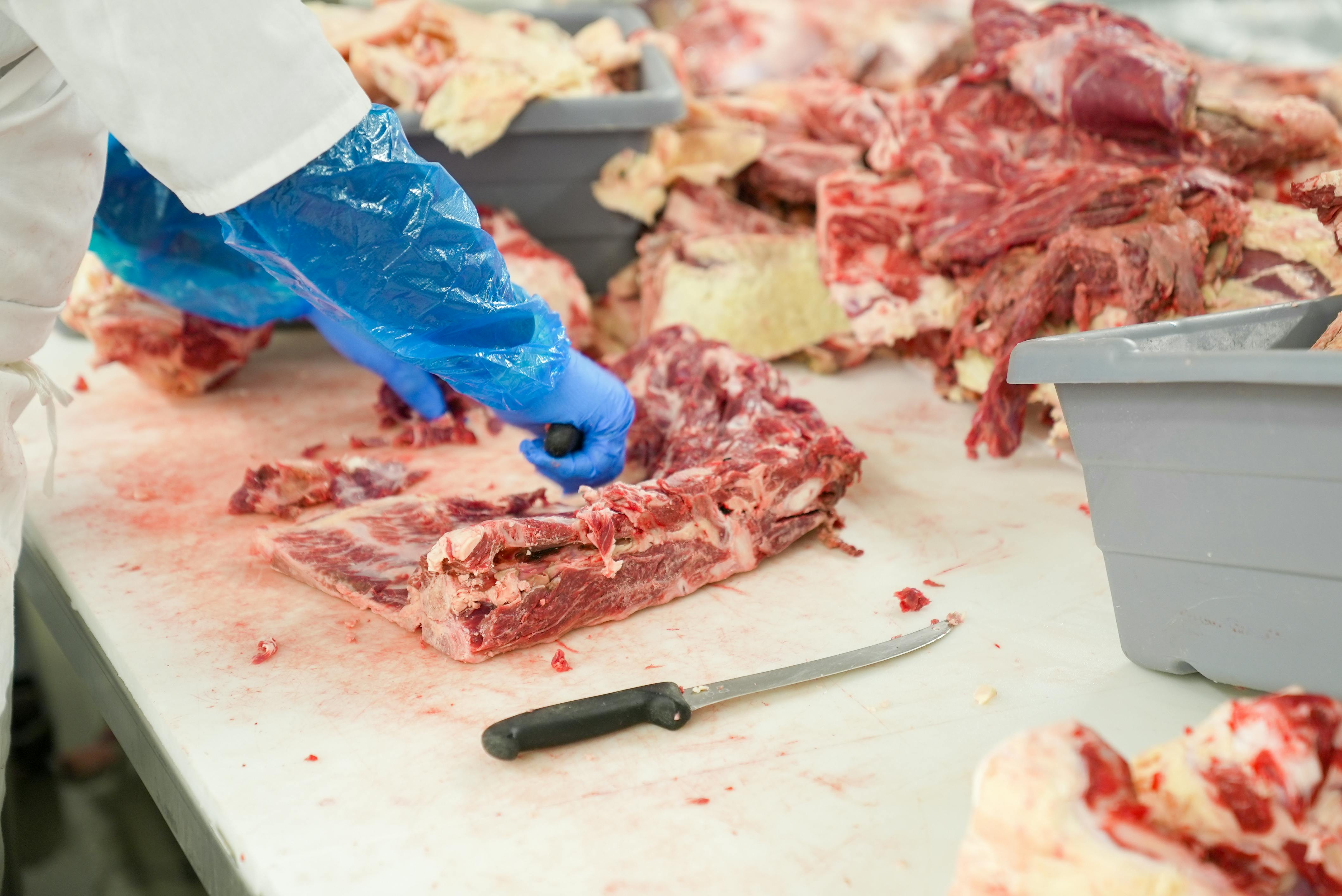
Canada's meat inspection system is split between federal and provincial oversight. Federally licensed plants can ship meat across Canada and internationally, while provincially licensed plants are generally limited to sales within their own province or territory.
That divide affects scale, cost, and opportunity. Smaller processors often choose provincial licensing because federal approval can require major investments in infrastructure, staffing, paperwork, and ongoing compliance systems that may be difficult for rural businesses to afford.
The result is a two-track market. A local plant may serve farmers, retailers, and restaurants effectively in its home province, yet still be blocked from selling the same products just across a nearby provincial boundary, even when demand exists.
What the Proposed Change Could Do

The consultation centers on possible ways to recognize equivalent safety outcomes rather than identical licensing categories. In plain terms, Ottawa is examining whether meat from some provincially licensed facilities could move interprovincially under a new framework.
That could be especially meaningful in border communities. A processor in one province may sit much closer to customers in a neighboring province than to urban buyers in its own region, yet current rules can prevent those common-sense sales.
Supporters say the change could strengthen local and regional food networks. It may help independent butchers, livestock producers, and specialty meat businesses reach more customers without forcing every small plant into the full federal licensing stream.
Why Supporters See Economic Benefits
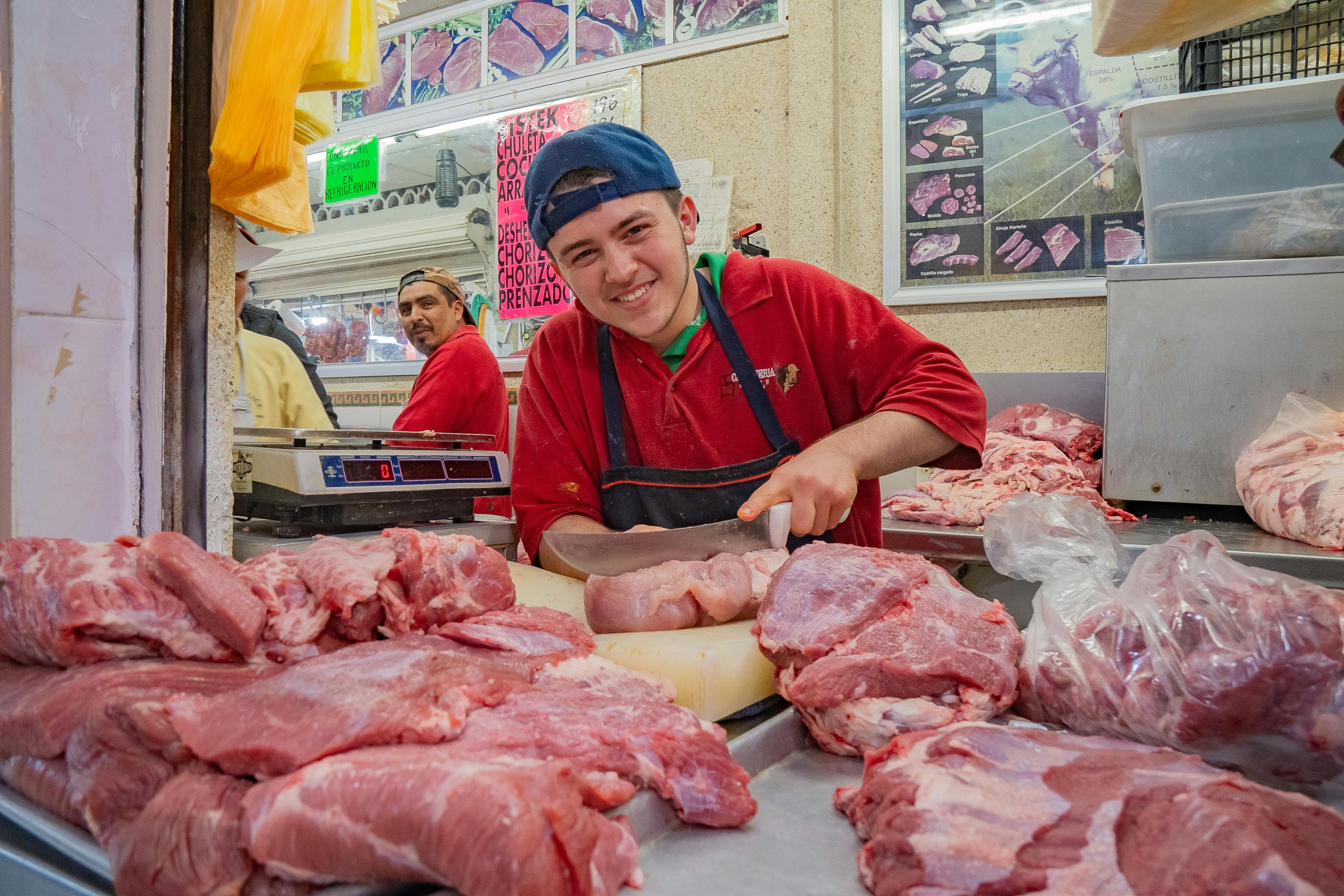
For farmers and processors, bigger market access can translate into more stable revenue. If businesses are allowed to sell into nearby provinces, they may be less vulnerable to sudden dips in local demand or the loss of a single large customer.
Consumers could also see indirect benefits. More cross-border movement within Canada may improve product availability, create more competition in some regions, and make it easier for specialty or culturally specific meat products to reach underserved markets.
Industry groups have long argued that internal trade barriers raise costs in quiet but meaningful ways. Duplicated compliance systems, missed sales opportunities, and inefficient shipping routes can all add friction in a sector already dealing with tight margins and labor pressure.
The Food Safety Questions at the Heart of Debate

Any plan to ease meat movement immediately raises one central concern: safety. Meat is a high-risk food category, so critics will want clear proof that broader access does not weaken inspection integrity or blur accountability during recalls and enforcement actions.
That is why the design of the framework matters more than the slogan behind it. Regulators will need to show how standards would be verified, how equivalency would be measured, and what record-keeping or traceability rules would follow products across borders.
The debate is not simply federal versus provincial. It is really about whether different inspection systems can deliver comparable outcomes, and whether governments can build trust that public health protections remain strong while trade rules become more practical.
What Happens Next and Why August 26 Matters
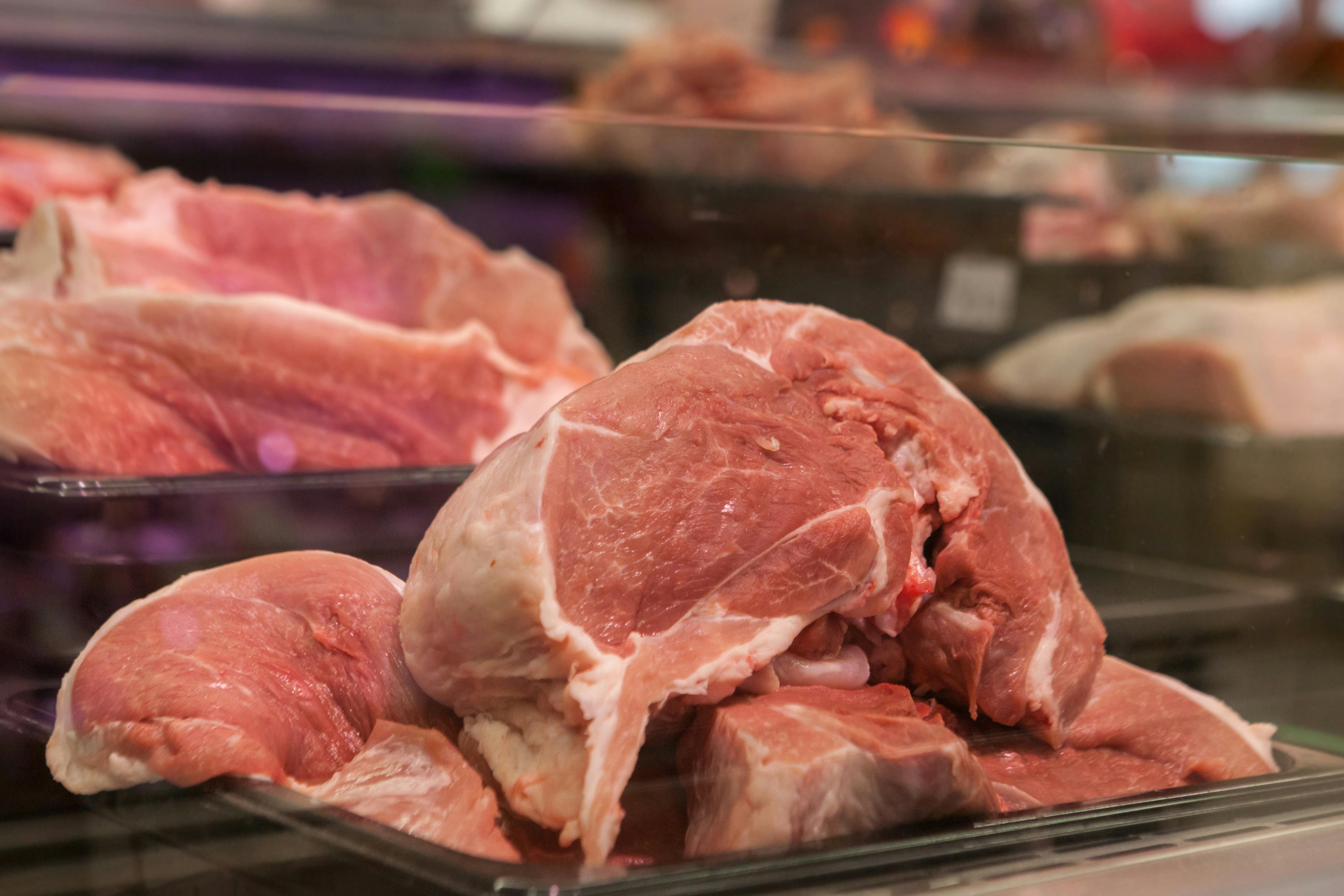
Public consultations help shape the final policy direction, especially on technical issues that affect businesses, provinces, and consumers differently. Ottawa is inviting comments before August 26, giving stakeholders a chance to weigh in on costs, risks, and implementation details.
The most closely watched responses will likely come from provincial governments, meat processors, farm groups, and food safety experts. Their feedback could influence whether Canada moves toward mutual recognition, a pilot program, or a narrower reform with tighter conditions.
For ordinary Canadians, this may sound like a niche regulatory update. In reality, it touches food prices, rural development, domestic resilience, and the question of how easily Canadian products should move within Canada itself.




Leave a Reply