
Canada's food scene is facing a serious test. A warning that 2,500 restaurants could disappear this year is not just about business failure, but about jobs, neighbourhood life, and the cost of eating out.
Why the warning is getting attention

What makes this forecast stand out is who is making it. Sylvain Charlebois, a leading food economist and director of the Agri-Food Analytics Lab at Dalhousie University, has become one of Canada's most closely watched voices on food inflation, supply chains, and restaurant economics.
His warning reflects a collision of pressures that many owners say has been building for months. Restaurants are paying more for food, labour, rent, insurance, and utilities, while customers are spending more cautiously. When all of those forces hit at once, even busy dining rooms can struggle to stay profitable.
The number itself, 2,500, is alarming because Canada's restaurant sector is made up largely of independent operators. These are family-run diners, neighbourhood cafés, immigrant-owned takeout shops, and small local chains with little room for error. A few weak months can erase years of effort.
This is also happening after a period when many operators never fully recovered from pandemic-era disruptions. Government support programs ended, repayment schedules began, and business costs stayed high. The result is an industry where resilience is being tested again.
The cost squeeze is hitting from every direction

The hardest truth in the restaurant business is that revenue can look solid while margins collapse. An operator may still be serving tables or processing takeout orders, yet higher costs in the background can quietly drain the business.
Food prices remain a major burden, especially for proteins, dairy, cooking oils, fresh produce, and imported ingredients. Restaurants cannot always pass those increases on to customers because menu price hikes have limits. Raise prices too far, and diners simply order less often or trade down.
Labour costs have also risen, driven by wage increases and an ongoing challenge in hiring and retaining staff. In full-service restaurants, owners often need more workers than quick-service outlets, which makes payroll especially difficult to control. Overtime, training, and turnover all add pressure.
Then come fixed costs that are difficult to negotiate down. Commercial leases, property-related charges, insurance premiums, debt servicing, and equipment maintenance have all become heavier burdens. For many operators, survival now depends on whether they can manage cash flow week by week.
Consumers are changing how they spend

The biggest shift may be happening at the table. Canadians are still eating out, but many are doing it less often, spending more carefully, or choosing lower-cost options than they did just a few years ago.
Higher mortgage payments, rent, grocery bills, and credit costs have forced households to make trade-offs. Restaurant meals are one of the easiest expenses to trim when budgets tighten. That does not mean demand disappears completely, but it does mean fewer impulse visits and smaller average bills.
Consumers are also becoming more strategic. They are looking for specials, value menus, happy hour deals, and shareable plates. Some are moving from full-service dining to fast casual or takeout, where the final bill feels easier to justify.
That change matters because many restaurants were built around a level of traffic and spending that no longer holds. If dining rooms are full only on weekends or during promotions, operators lose the consistency needed to cover rising overhead through the week.
Independent restaurants face the greatest risk

The most vulnerable businesses are often the ones that give Canadian communities their character. Independent restaurants usually have less buying power, fewer financing options, and smaller reserves than major chains.
A national brand may spread costs across dozens or hundreds of locations. It may also secure better prices from suppliers, invest in loyalty apps, and shift marketing quickly. A single-location business rarely has those advantages, even if its food and service are excellent.
Urban centres are not immune, but smaller cities and suburban corridors may feel the pain differently. In some communities, a closure is not just another vacant storefront. It removes a local employer, a gathering place, and sometimes a cultural anchor for newcomers and long-time residents alike.
Owners who survived the pandemic by borrowing now face another harsh reality. Debt repayment can become impossible when interest expenses are high and sales are uneven. A restaurant may not fail because it lacks customers entirely, but because it no longer has enough breathing room.
What closures would mean for communities and workers
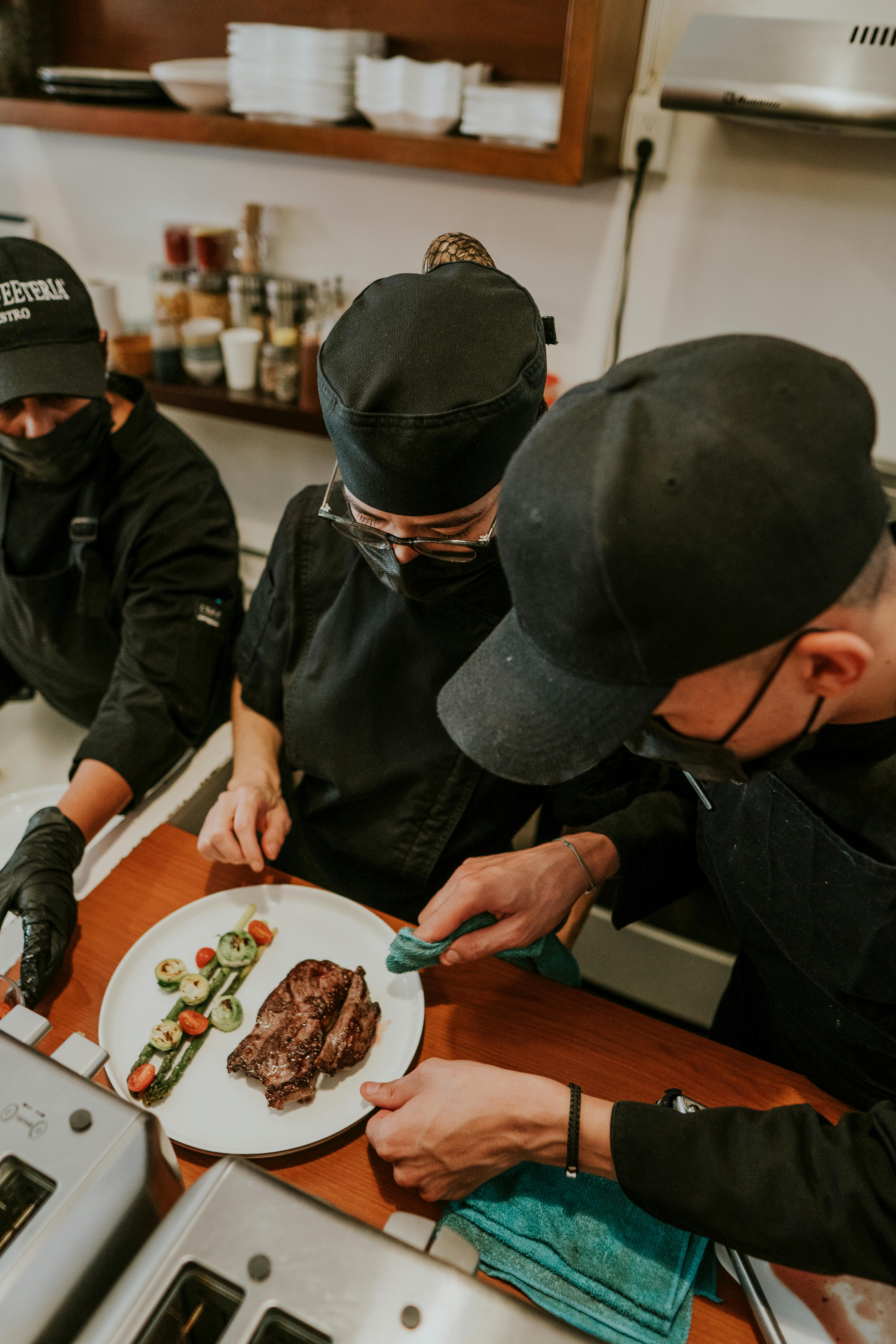
Every restaurant closure has a ripple effect that extends well beyond the kitchen. Staff lose income, suppliers lose accounts, landlords face vacancies, and nearby businesses lose foot traffic that once helped sustain entire commercial strips.
Restaurants also play an outsized social role in Canadian life. They host family milestones, provide first jobs for young workers, and reflect the food traditions of diverse communities. When a restaurant closes, something personal often disappears with it.
The employment impact could be significant because food service remains one of Canada's largest service-sector employers. Servers, cooks, dishwashers, bartenders, delivery drivers, and cleaners all depend on the industry. Many of those roles are entry points for immigrants, students, and people re-entering the workforce.
There is also a broader economic signal in restaurant distress. When people cut back on discretionary spending, restaurants are often among the first sectors to feel it. That makes closures a useful measure of how much strain households and small businesses are under.
Can the industry avoid the worst-case scenario?

There is no single fix, but there are ways the damage could be reduced. Some restaurants are redesigning menus, shrinking footprints, renegotiating supplier terms, and leaning harder into catering, takeout, and digital ordering to protect margins.
Policy choices could also matter. Industry groups have pushed for tax relief, more flexible debt treatment, and measures that address commercial cost pressures. If governments want to preserve main-street businesses, the restaurant sector is one of the clearest places to look.
Consumers have a role as well, even if they are watching their own budgets. Choosing local spots, ordering directly instead of through costly third-party apps, and returning to businesses that deliver value can make a measurable difference over time.
Still, Charlebois's warning should be treated as more than a headline. It captures an industry at a financial breaking point, where thousands of closures are plausible unless costs ease, confidence improves, and Canadians regain room in their budgets.




Leave a Reply