
Canada grows plenty of food. The bigger opportunity is turning more of it into finished products before it leaves the country.
The value gap starts at the farm gate
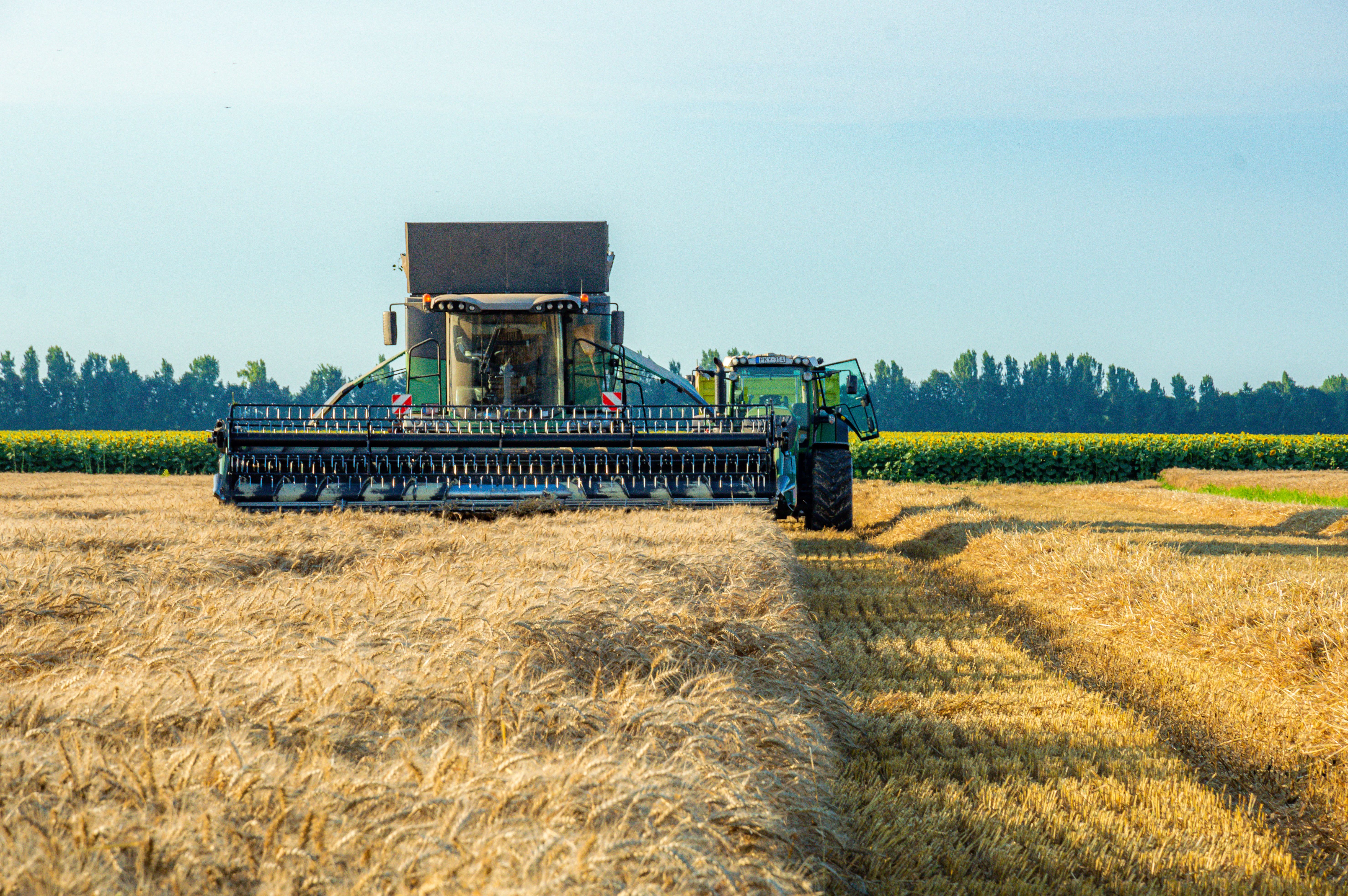
A tonne of wheat, canola, peas, potatoes, or cattle leaves Canada with one price attached to it. Once that same product is milled, crushed, frozen, packaged, or turned into branded food, its value rises sharply.
That difference matters because processing captures the profitable middle of the food chain. According to Agriculture and Agri-Food Canada and industry analyses over the years, food and beverage processing is already one of the country's largest manufacturing employers, which shows how much value can be created after harvest.
Canada still ships significant volumes of raw or lightly processed products abroad, especially grains, oilseeds, pulses, seafood, and livestock. In many cases, other countries do the refining, ingredient production, packaging, and branding, then sell those higher-margin goods into global markets, sometimes back to Canadian consumers.
Why billions are left on the table

The economic loss is not simply about one missed factory sale. It includes forgone manufacturing wages, transportation contracts, engineering work, cold storage, maintenance services, packaging demand, and tax revenue that would otherwise circulate through Canadian communities.
Take canola as a clear example. Crushing seed into oil and meal adds much more value than exporting the crop raw, which is why recent investments in prairie crushing plants have drawn so much attention from governments and agribusiness leaders.
The same logic applies to potatoes that can become fries, seafood that can be filleted and portioned, milk that can be turned into specialty ingredients, and pulses that can be processed into protein concentrates. Every extra step completed in Canada increases domestic economic activity before the product ever reaches a store shelf.
Processing capacity is also a food security issue
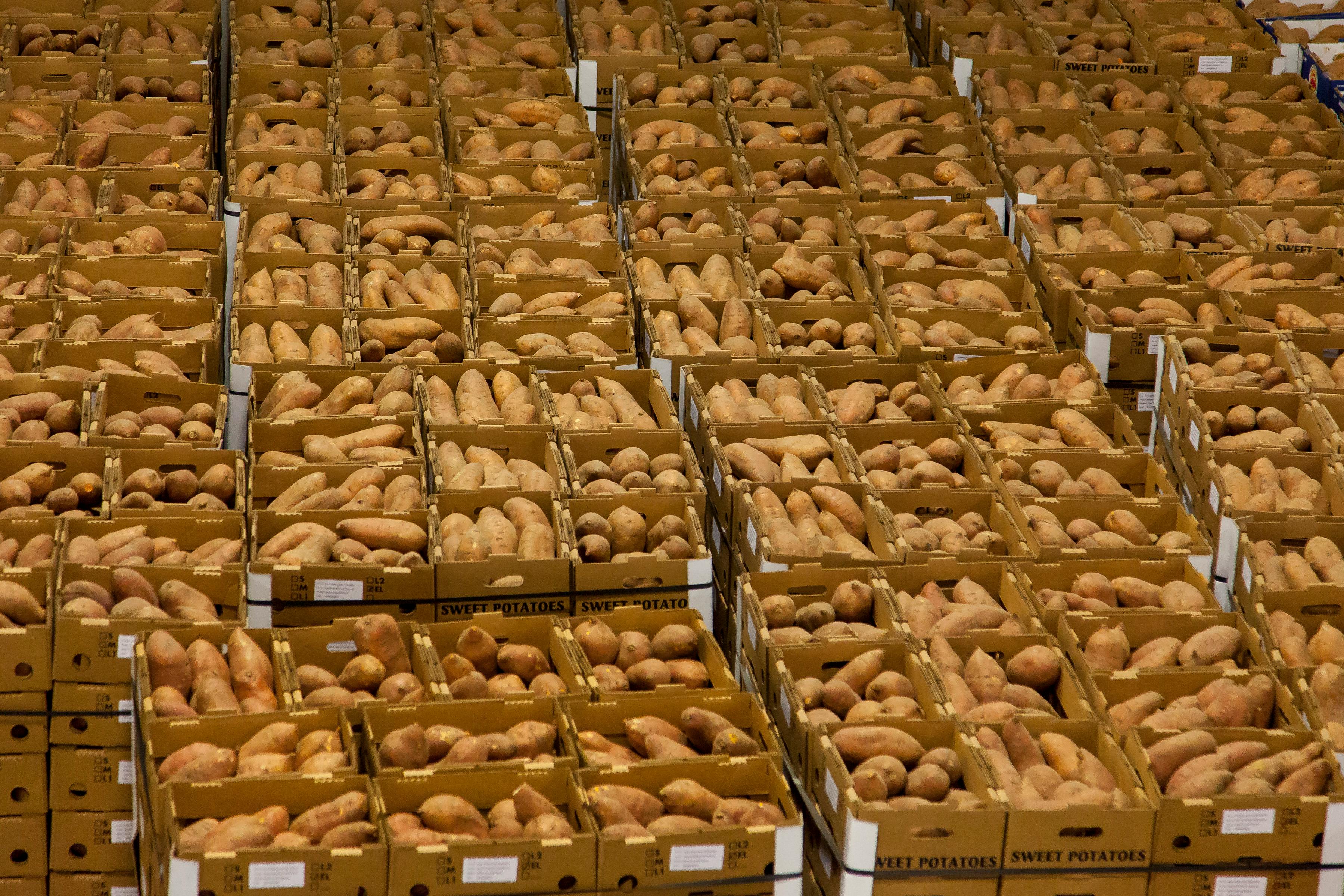
Food processing sounds like an industrial policy topic, but it is also about resilience. The pandemic, rail disruptions, labour shortages, and geopolitical shocks exposed how vulnerable food systems become when too many crucial steps happen far from where the raw ingredients are produced.
If Canada exports raw ingredients and depends on foreign plants for finished foods or food ingredients, any disruption abroad can affect domestic availability and prices. That risk became more visible when supply chains tightened and consumers saw sudden spikes in costs for everyday items.
Domestic processing does not eliminate global volatility, but it can reduce exposure to bottlenecks. A broader network of Canadian slaughterhouses, grain mills, vegetable freezers, dairy ingredient plants, and seafood processors would give producers and retailers more options when international trade routes are strained.
What is holding Canada back
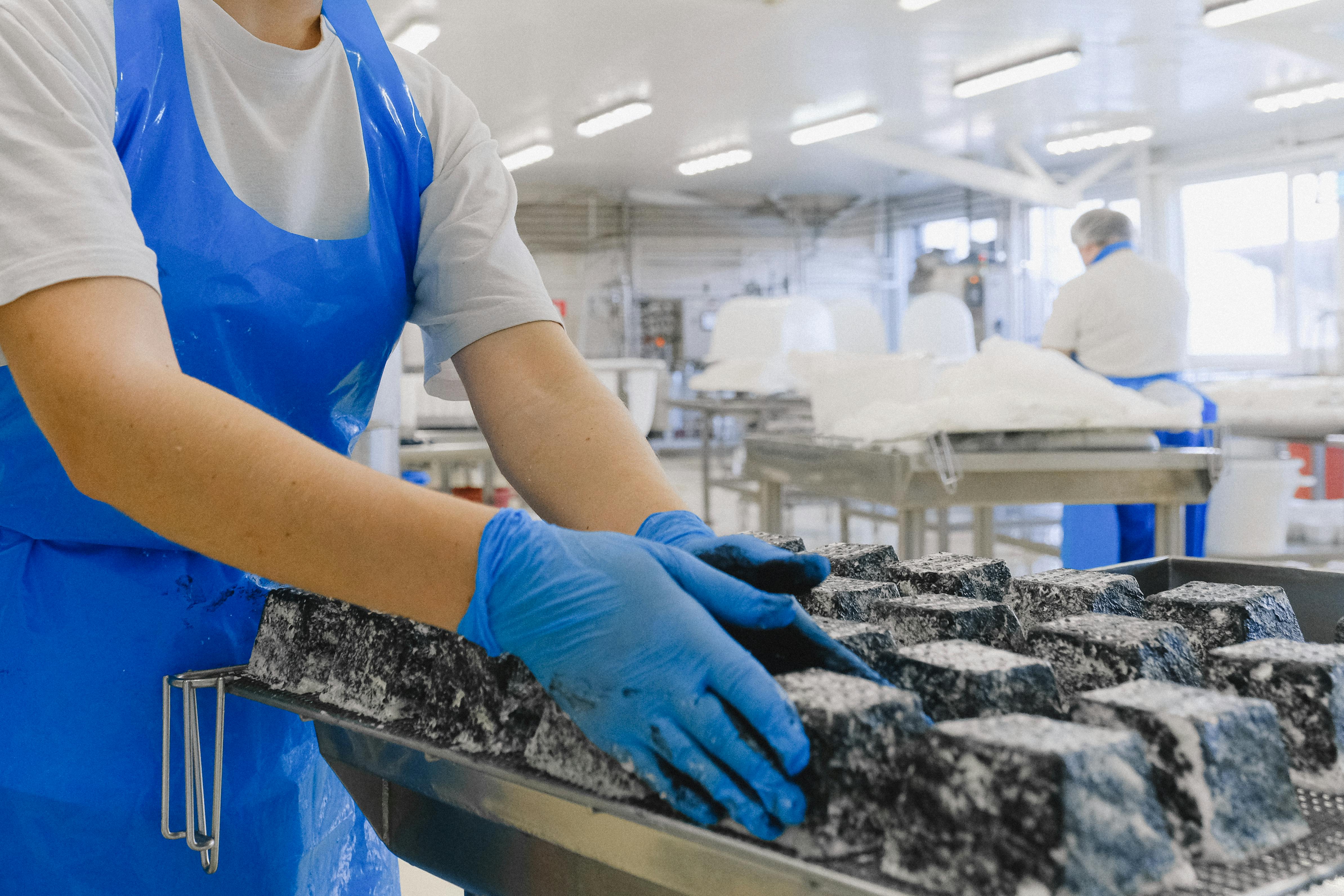
The first barrier is scale. Canada is a major agricultural producer, but its population is relatively small, so processors often need export markets to justify expensive plants, and those facilities can cost hundreds of millions of dollars before a single product is sold.
The second barrier is competitiveness. Energy costs, interprovincial trade frictions, permitting delays, equipment expenses, and labour shortages can make Canada a tougher place to build than the United States or some overseas markets. Industry groups have repeatedly argued that faster approvals and more predictable policy would unlock investment.
There is also the issue of fragmented supply chains. Farmers, processors, railways, ports, utilities, and provincial regulators all influence whether a project works. When one link is weak, companies may choose to ship raw commodities instead of risking capital on more complicated domestic operations.
Where the strongest opportunities are

Some sectors stand out immediately. Canola processing in the Prairies, pulse fractionation in Manitoba and Saskatchewan, potato processing in Prince Edward Island and Alberta, and seafood value-adding in Atlantic Canada each build on existing production strengths rather than trying to create industries from scratch.
Protein ingredients are a particularly promising area. Global demand for pea protein, starches, plant-based ingredients, and specialized feed inputs has grown, and Canada already produces large volumes of the raw crops needed to supply those markets.
Frozen foods, infant nutrition ingredients, cheese, prepared meats, and premium grain products also offer room to expand. The key is not merely making more food, but making more differentiated products that command better margins and create stable demand for Canadian farmers year after year.
What Canada would need to capture more value
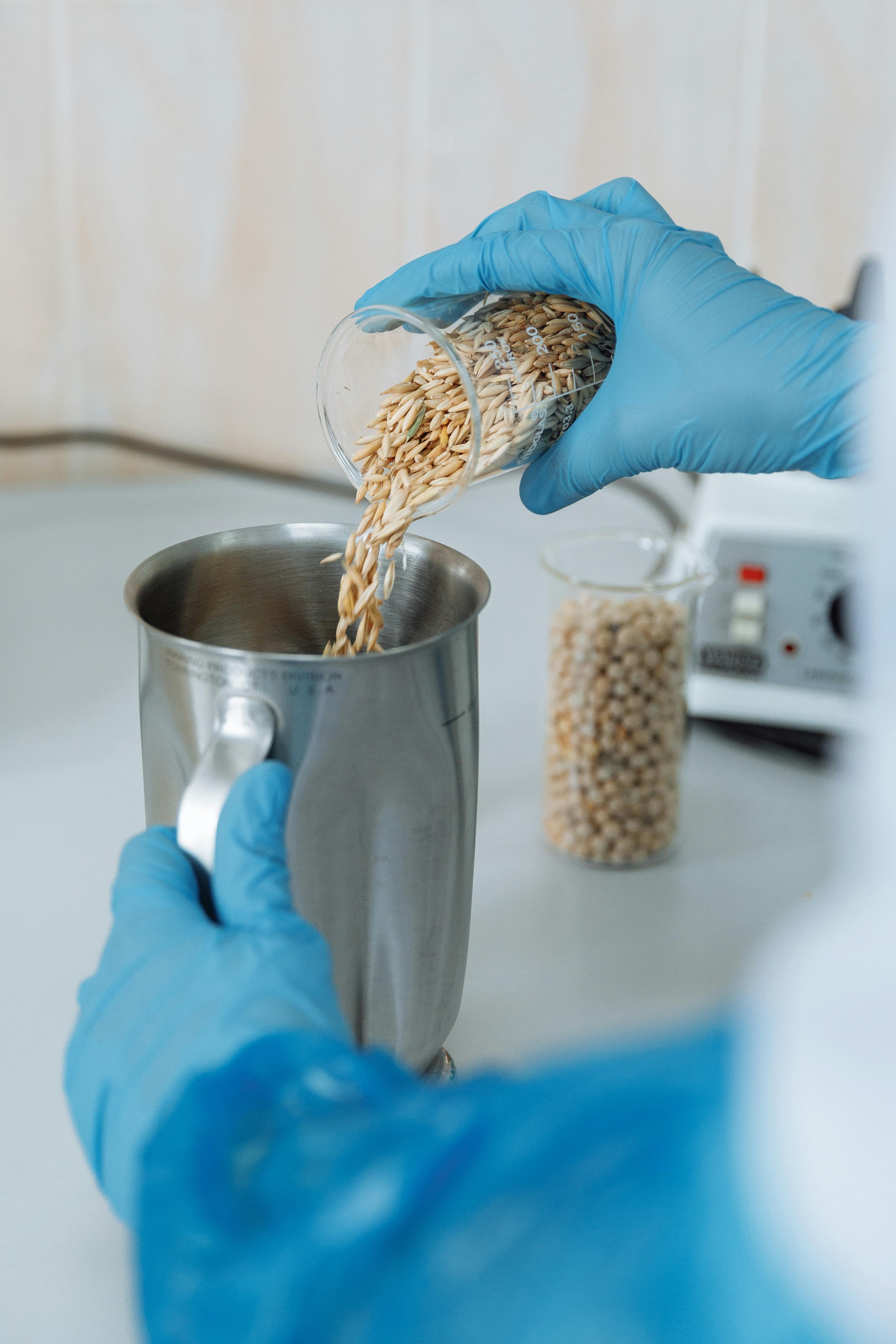
A serious strategy would combine infrastructure, policy, and workforce development. That means better industrial power access, improved rail and port reliability, more cold-chain capacity, and training programs for skilled trades, food scientists, and plant operators.
Capital incentives matter too, especially in sectors where global competitors already subsidize major facilities. Governments do not need to build every plant, but targeted tax credits, loan guarantees, and accelerated approvals can help private investors choose Canada over rival jurisdictions.
Most importantly, the country needs to think beyond exporting bulk commodities as the default model. If more of Canada's crops, livestock, and seafood were processed at home, the payoff would not be abstract. It would show up in jobs, wages, innovation, exports, and billions in added economic output.




Leave a Reply