
Convenience food is everywhere, but it does not look the same in every country. Canada and the United States share tastes, brands, and retail chains, yet their grab-and-go food choices reveal meaningful differences.
Convenience means speed in both countries, but the shopping mission is not identical
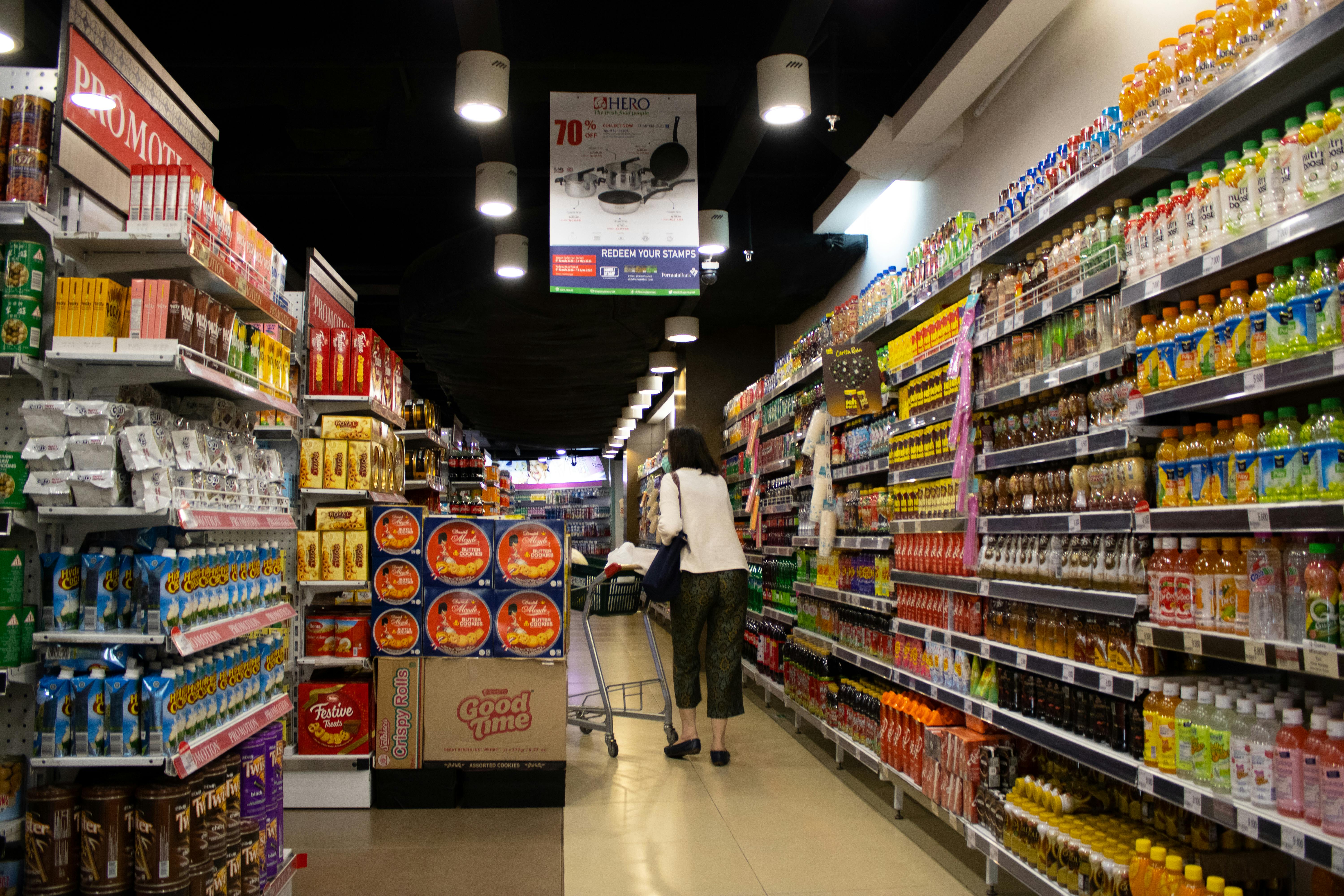
In both Canada and the United States, convenience food has moved far beyond canned soup and microwave dinners. It now includes pre-cut fruit, marinated meats, salad kits, frozen breakfast sandwiches, heat-and-eat grain bowls, and snack packs designed for work, school, or the car. Industry reporting from major grocery analysts has shown that shoppers increasingly treat convenience as a daily need rather than an occasional shortcut.
In the United States, convenience often centers on maximizing time and choice at a very large scale. Shoppers expect wide assortments, bold flavors, and constant product churn. A single supermarket can carry multiple versions of frozen pizza, breakfast burritos, protein snacks, and ready meals aimed at different diets, from keto to plant-based to high-protein.
Canada's market is also deeply convenience-driven, but it is shaped by somewhat different pressures. A smaller population, colder climate, and higher food prices in many categories encourage purchases that feel practical, reliable, and less wasteful. That often means stronger demand for family-size frozen staples, prepared soups, meal kits, and portable lunch items that can stretch across several eating occasions.
Frozen food is a shared favorite, but the standout categories are not the same
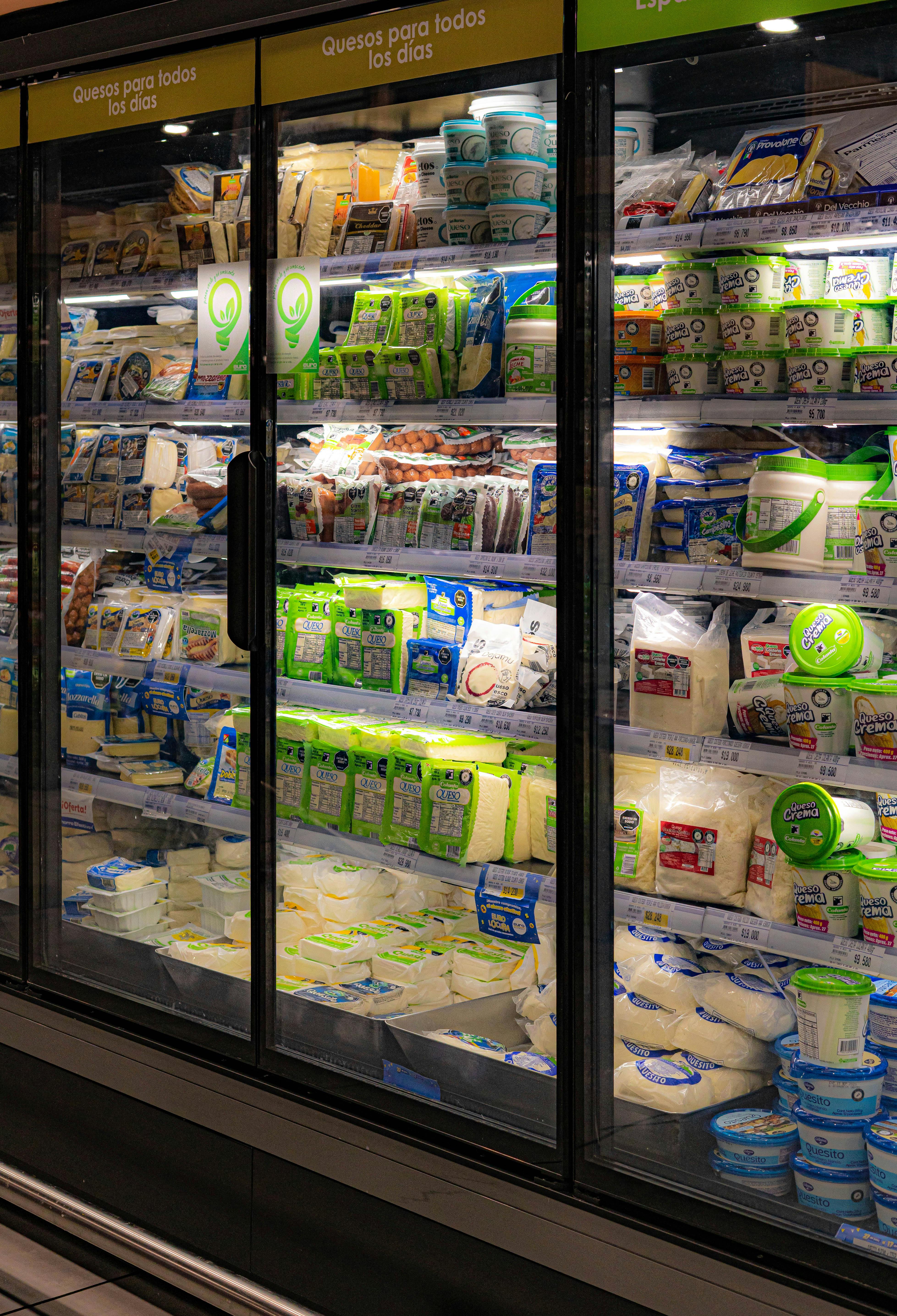
The frozen aisle is one of the clearest places where the two markets diverge. In the United States, frozen breakfasts and handheld meals have become especially important. Products such as breakfast sandwiches, burritos, chicken bites, and air-fryer snacks fit the American preference for eating quickly while commuting or multitasking. Market researchers have repeatedly noted strong growth in frozen items that blur the line between snack and meal.
Canadian shoppers also buy plenty of frozen meals, but their basket often leans more heavily toward practical staples and comfort food. Frozen vegetables, fries, pizza, pot pies, and family-style entrées tend to hold a stronger place in routine shopping. The appeal is not just speed. It is also predictability during long winters, when shelf life and easy storage matter more.
Retail conditions reinforce that pattern. American stores often devote more space to trend-driven novelty products, while Canadian stores must balance innovation against tighter shelf economics and regional distribution challenges. The result is that U.S. shoppers may see convenience as discovery, while Canadians often see it as dependable meal support.
Fresh convenience is booming, but Americans and Canadians define fresh differently
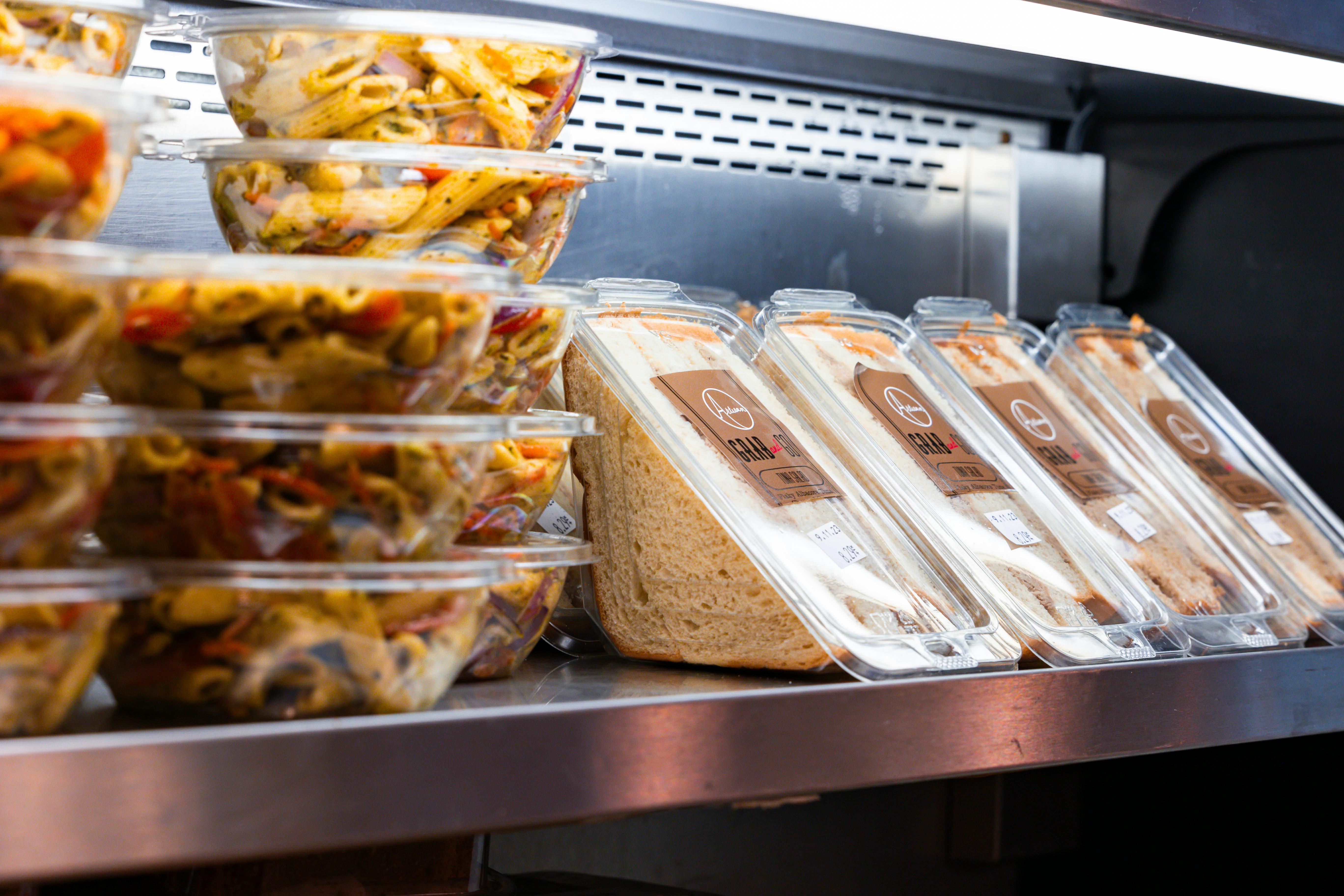
One of the biggest shifts in modern grocery retail is the rise of fresh convenience. In the United States, this often means highly segmented products built around health goals and personal routines. Think hard-boiled egg packs, smoothie kits, chopped salad bowls, protein trays, refrigerated overnight oats, and deli meals targeted to lunch or post-gym eating. The American consumer has embraced convenience that still feels personalized.
Canada has also seen fast growth in fresh prepared foods, especially in urban centers, but the emphasis is often a bit more restrained and household-oriented. Bagged salads, prepared soups, rotisserie chicken, marinated raw proteins, and family-ready side dishes perform well because they help simplify dinner rather than replace it entirely. Convenience often supports a home-cooked meal instead of fully standing in for one.
Price sensitivity plays a major role here. Fresh convenience usually carries a premium, and Canadian shoppers have faced stubborn food inflation in recent years. That has encouraged selective buying. Consumers may purchase one or two prepared components, such as a salad kit and cooked chicken, then add pantry staples at home. In the United States, shoppers are often more willing to buy complete fresh meal solutions if the assortment and promotion are strong enough.
Snacking culture may be the biggest divide between the two countries
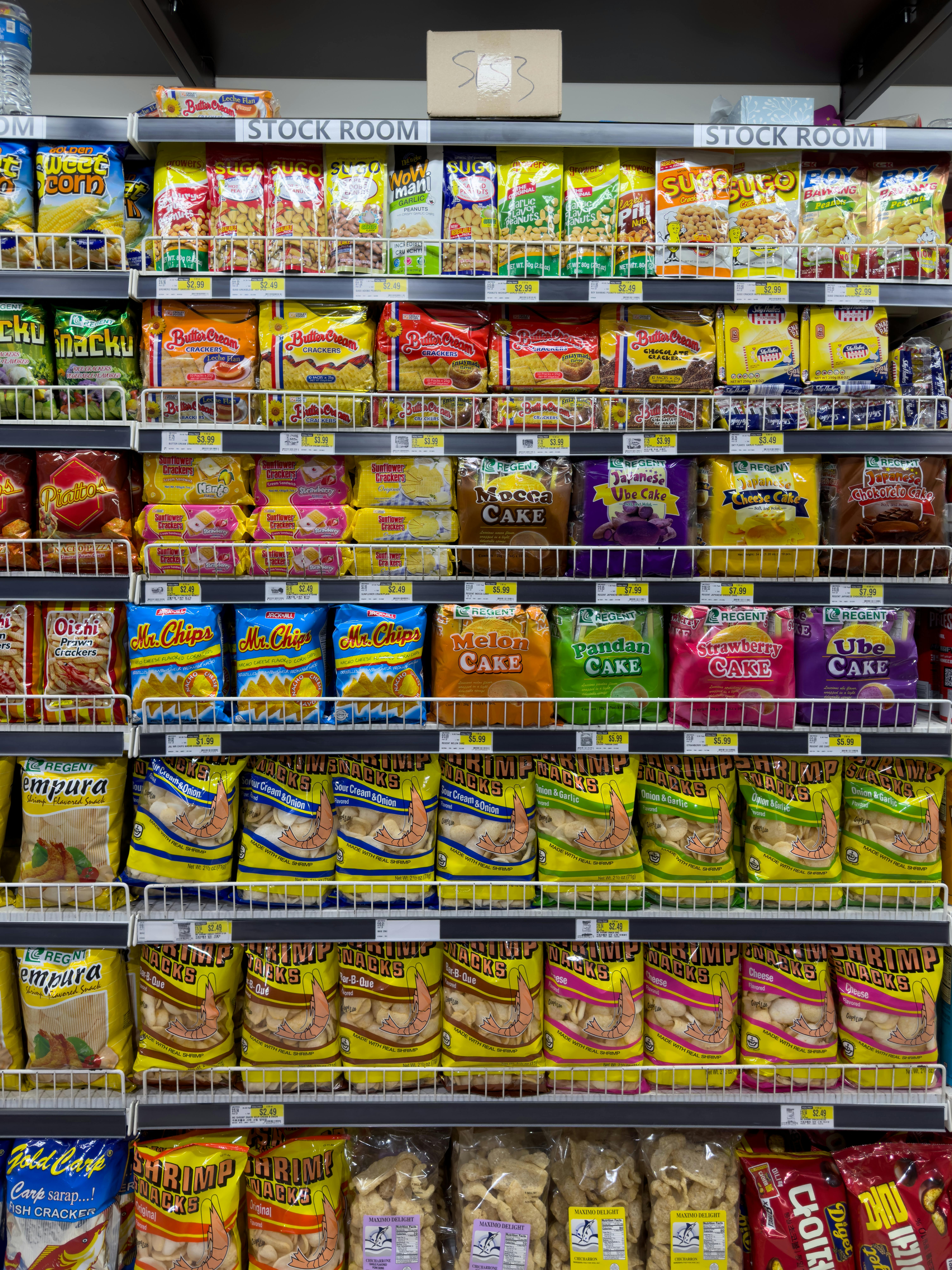
If frozen meals show structural differences, snacks reveal cultural ones. The United States has built an enormous convenience economy around constant snacking. Americans buy individually wrapped cheese, meat sticks, mini desserts, single-serve chips, trail mixes, refrigerated dips, and protein bars in huge variety. Convenience stores, club stores, and supermarkets all reinforce the idea that eating can happen anywhere and at almost any time.
Canada certainly has a strong snack market, but it tends to be somewhat less extreme in scale and segmentation. Canadian shoppers often favor multipurpose snacks that can work in lunchboxes, office bags, or family cupboards without feeling overly specialized. Crackers, yogurt, granola bars, popcorn, cheese portions, and fruit cups remain core performers because they serve broad household needs.
There are also subtle policy and packaging effects. Nutrition labeling rules, bilingual packaging requirements, and a smaller national market can limit how quickly every niche snack format floods Canadian shelves. As a result, the U.S. market frequently introduces trend-heavy convenience snacks faster, while Canada often adopts the formats that prove they have staying power.
Retail geography, pricing, and lifestyle help explain the split
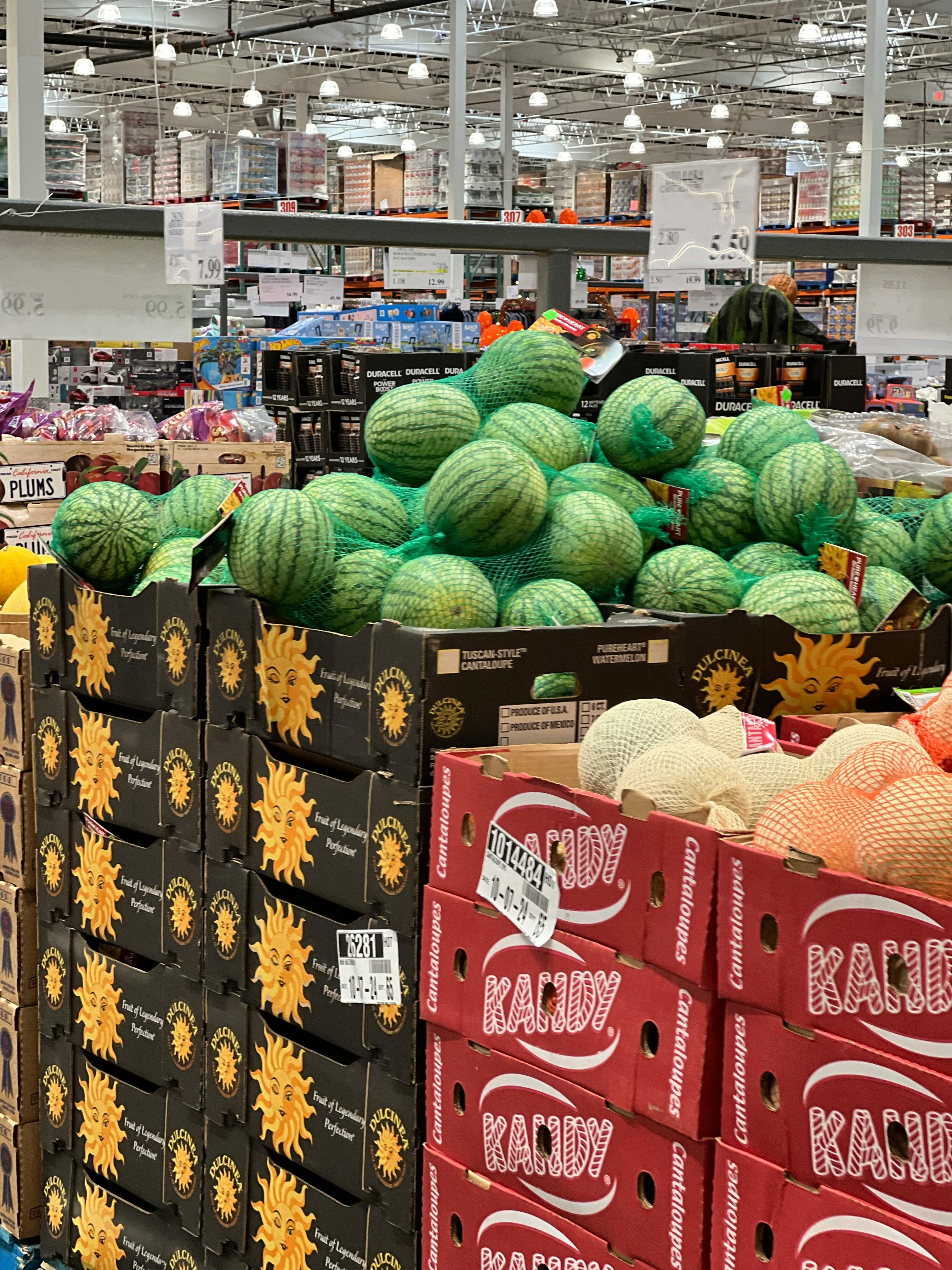
Food habits do not develop in isolation. The United States has a larger network of mass retailers, warehouse clubs, dollar stores, convenience stores, and foodservice outlets competing aggressively for quick-meal spending. That creates a marketplace where convenience food is sold in many forms, from gas-station breakfast sandwiches to supermarket sushi and club-store snack variety packs.
Canada's retail landscape is more concentrated, and distribution can be more complex across provinces and remote areas. That affects assortment, cost, and speed to market. It also helps explain why dependable, broad-appeal products often outperform ultra-niche convenience formats. When getting products nationwide is harder and more expensive, retailers naturally prioritize what turns consistently.
Lifestyle patterns matter as well. American consumers often face long commutes, highly irregular eating schedules, and a deeply developed culture of eating on the move. Canadians do too, especially in major cities, but there is still somewhat more emphasis on convenience that supports planned meals at home. In simple terms, Americans often buy convenience to replace a meal occasion, while Canadians more often buy it to complete one.
The future points to overlap, but national preferences will still shape the aisle

The two countries are not moving apart so much as refining their own versions of convenience. In both markets, shoppers want foods that save time, reduce cleanup, and feel worth the price. They also want better ingredients, clear labels, and formats that match changing habits, including solo dining, hybrid work, and higher demand for protein-rich foods.
Still, the next wave of success will likely look different in each country. In the United States, brands that combine novelty, portability, and strong functional claims are well positioned. In Canada, products that deliver flexibility, value, and family usefulness may have the edge, especially if they help shoppers build meals across multiple days.
That is why the phrase convenience food can be misleading. It suggests one category with one consumer logic, when in reality it reflects local economics, retail systems, climate, and culture. Canada and America both love foods that make life easier. They simply express that love in different aisles, package sizes, and everyday routines.



Leave a Reply