
Food trends come and go, but some habits have real staying power. Many Boomers grew up with routines shaped by home kitchens, tighter budgets, and a stronger connection to seasonal eating, and those patterns often led to surprisingly balanced choices. This gallery looks at seven food habits they got right and why they still offer useful lessons for anyone trying to eat well without overcomplicating life.
They cooked at home more often

One of the strongest Boomer food habits was also the simplest: they cooked. Regular home cooking usually meant fewer ultra-processed ingredients, less sodium, and better control over fat, sugar, and portion size. It also made meals feel like part of daily life instead of a rushed transaction.
That routine matters more than ever. Research consistently links frequent home-prepared meals with better diet quality, including higher fruit, vegetable, and fiber intake. Even basic dishes like soup, eggs, roasted vegetables, or baked chicken can outperform many takeout staples.
The lesson is not to become a gourmet cook. It is to reclaim a few dependable meals you can make without stress and return to often.
They respected mealtimes

Boomers often treated meals as events with a place and a time, not something to squeeze in between notifications. Breakfast happened at the table, lunch had structure, and dinner often brought everyone together. That rhythm helped reduce constant grazing and made eating feel more intentional.
There is science behind that old-fashioned routine. Eating on a more regular schedule can support appetite control, digestion, and steadier energy across the day. When meals are predictable, people are often less likely to arrive overly hungry and overeat whatever is easiest.
The modern takeaway is refreshingly doable. Give meals a real slot in your day and let snacks play a smaller supporting role.
They ate more seasonal produce

Before year-round abundance became the norm, many Boomers ate what was in season because that was what stores carried and what gardens produced. As a result, fruits and vegetables often tasted better, cost less, and arrived with less fuss. Seasonal eating was not trendy. It was practical.
That practicality still holds up. Produce picked closer to peak ripeness can offer better flavor and texture, which makes people more likely to eat it. Seasonal shopping can also be kinder to a budget, especially when local crops are plentiful.
This habit is less about rigid rules and more about paying attention. Buy strawberries when they are sweet, tomatoes when they smell like tomatoes, and squash when autumn makes it abundant.
They knew how to use leftovers
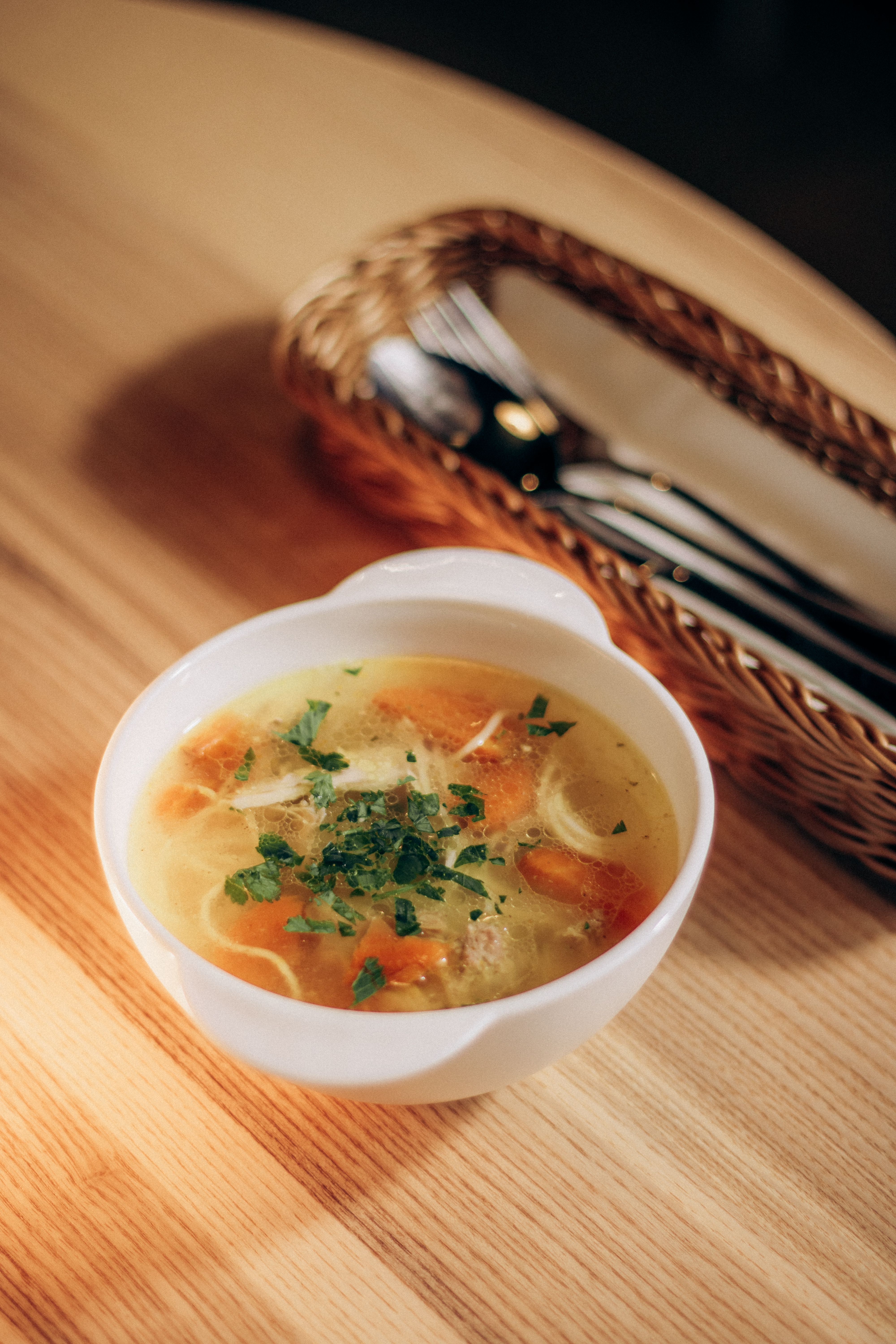
Boomers came from a kitchen culture where leftovers were not a sad afterthought. Roast chicken became sandwiches, vegetables went into soup, and yesterday's potatoes turned into breakfast. That habit stretched budgets, reduced waste, and made weeknight eating much easier.
Today, food waste remains a major issue, with households throwing out large amounts of edible food each year. Using leftovers well saves money and lowers the pressure to order takeout when time is short. It also rewards planning without requiring a strict meal-prep lifestyle.
The deeper lesson is resourcefulness. Cook with tomorrow in mind, and your future self gets lunch, dinner, or at least a head start instead of another expensive food decision.
They kept portions more realistic

A quiet strength of older eating patterns was portion awareness. Restaurant plates were smaller, snack packages were less oversized, and dessert was more often a slice than a spectacle. Many Boomers learned fullness from habit, not from reading a nutrition label mid-meal.
Portion creep is now well documented, especially in restaurants, packaged foods, and sugary drinks. Larger default servings can push people to eat more without noticing, even when hunger has already passed. That is not just about willpower. It is about the environment.
The Boomer-style fix is almost boring in the best way. Serve enough, enjoy it, and stop treating every meal like it needs to be an all-you-can-eat event.
They relied less on ultra-processed food

Many Boomers certainly enjoyed convenience foods, but their diets were often still anchored by recognizable basics like oats, beans, eggs, potatoes, yogurt, fish, and fresh produce. Meals started with ingredients, not just packages. That difference matters more now than it once did.
Ultra-processed foods tend to be higher in added sugars, refined starches, sodium, and industrial additives, while being easier to overeat. Diets heavy in these products have been associated with poorer overall health outcomes in a growing body of research. Whole and minimally processed foods usually offer more fiber and better satiety.
The smart lesson is not perfection. It is to make packaged food the backup singer, not the headliner of your diet.
They passed food knowledge down
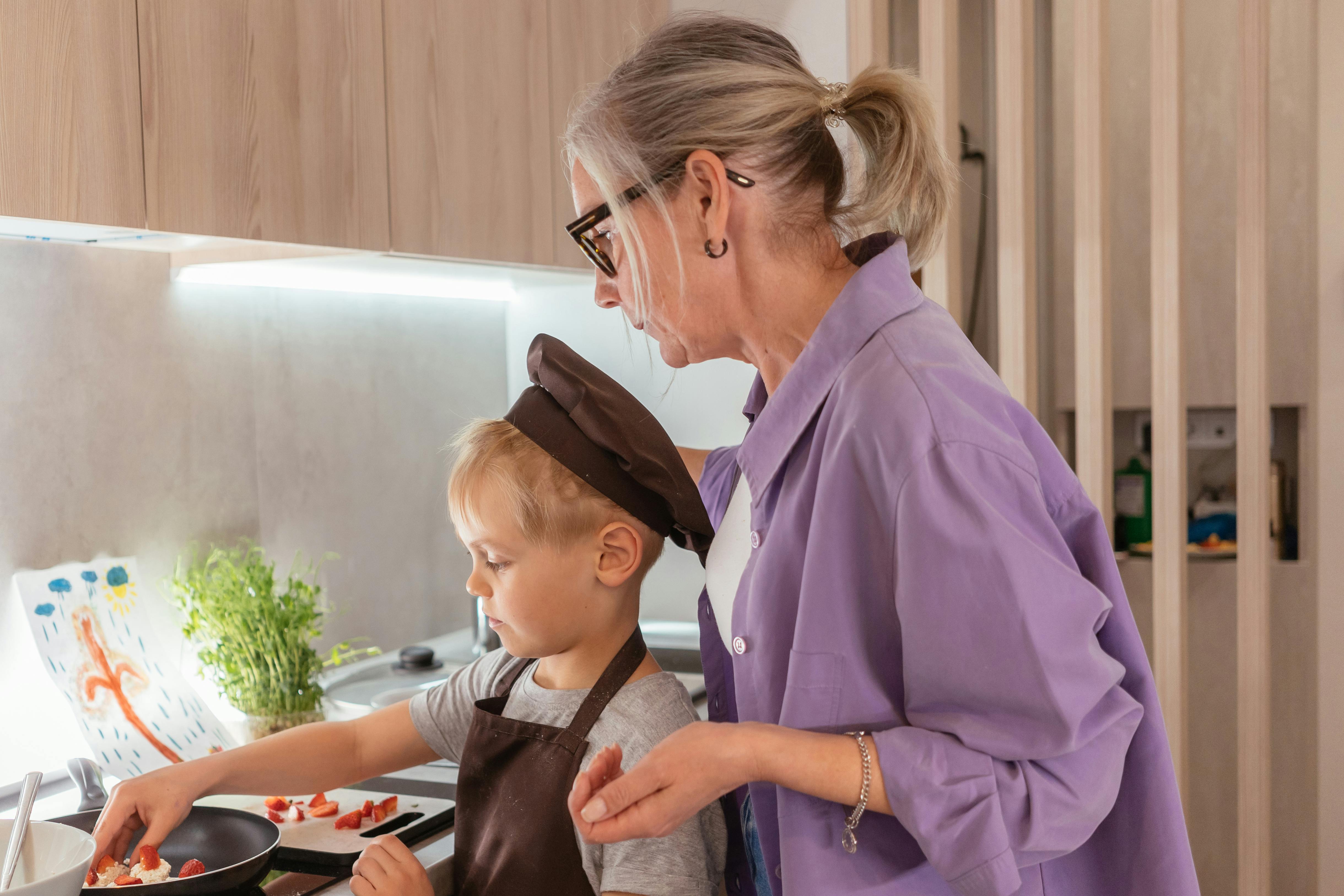
For many Boomers, food habits were taught person to person. People learned how to roast a chicken, stretch a soup, season beans, store produce, or bake a simple cake by watching someone else do it. That kind of knowledge built confidence and made decent meals feel normal.
Today, many people know how to order food faster than they know how to cook it. Losing kitchen skills can make healthy eating feel expensive, confusing, or out of reach. Basic food literacy, from grocery shopping to safe storage, is still one of the best tools for eating well consistently.
This may be the most valuable lesson of all. A few solid kitchen skills can outlast every fad diet and dramatically improve everyday life.



Leave a Reply