
Salami looks straightforward, but a lot is happening behind that cured exterior. A better purchase starts with knowing what separates a great salami from an average one.
Not All Salami Is Made the Same Way
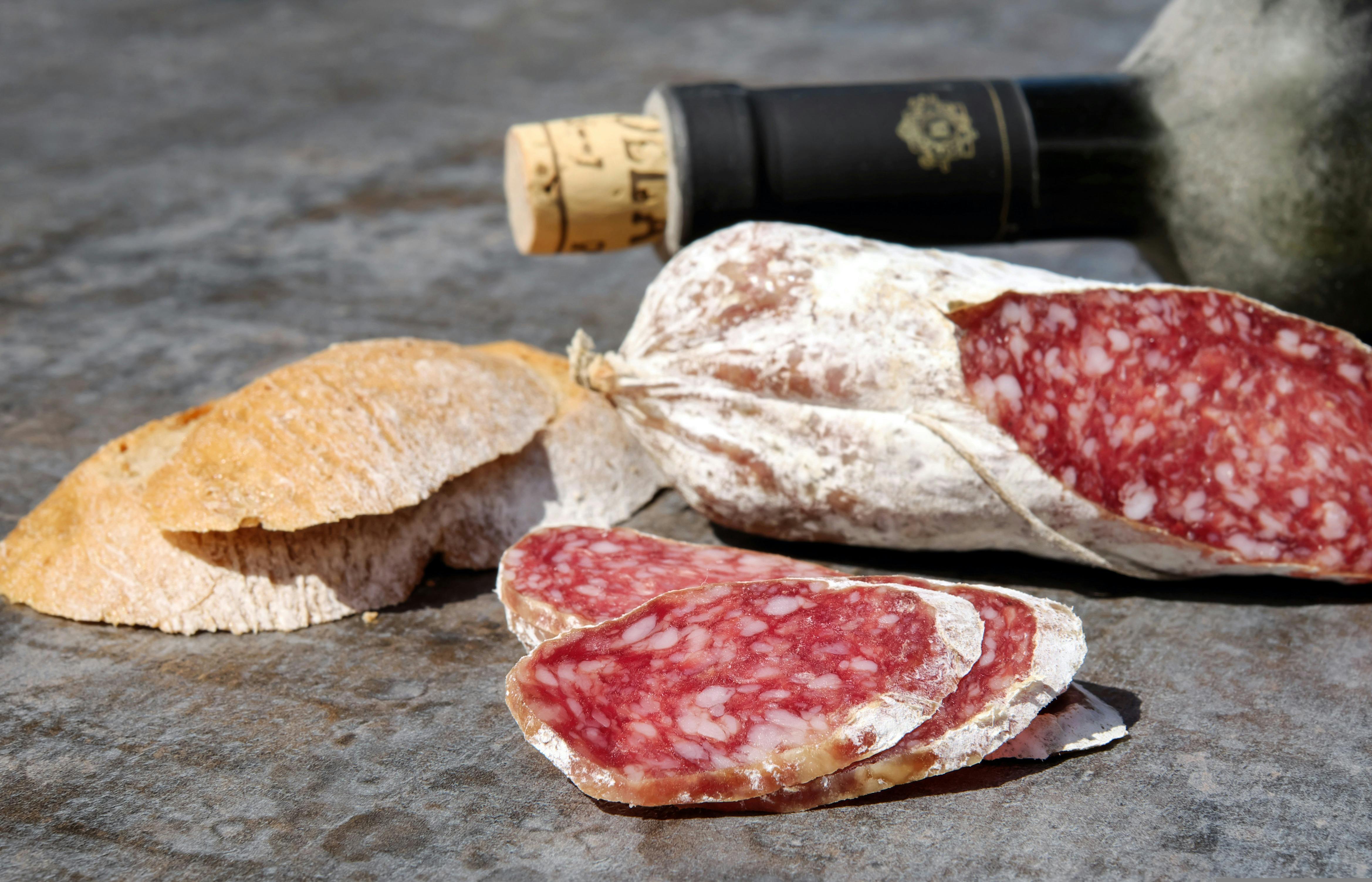
The first thing to understand is that salami is not one single product. It is a broad category of cured sausage, and styles vary by country, region, meat blend, grind size, spice mix, and aging method.
Traditional Italian salami may use pork, salt, garlic, wine, and starter cultures, then spend weeks drying. Genoa salami is often softer and seasoned with wine and garlic, while hard salami is usually firmer, drier, and milder. Spanish salchichón and chorizo bring different textures and paprika-driven flavor profiles.
Production matters because fermentation and drying shape taste, aroma, and safety. A slower cure often builds deeper flavor, while heavily processed versions may rely more on smoke flavoring, preservatives, and uniform factory methods than on long maturation.
The Ingredient List Tells You More Than the Front Label
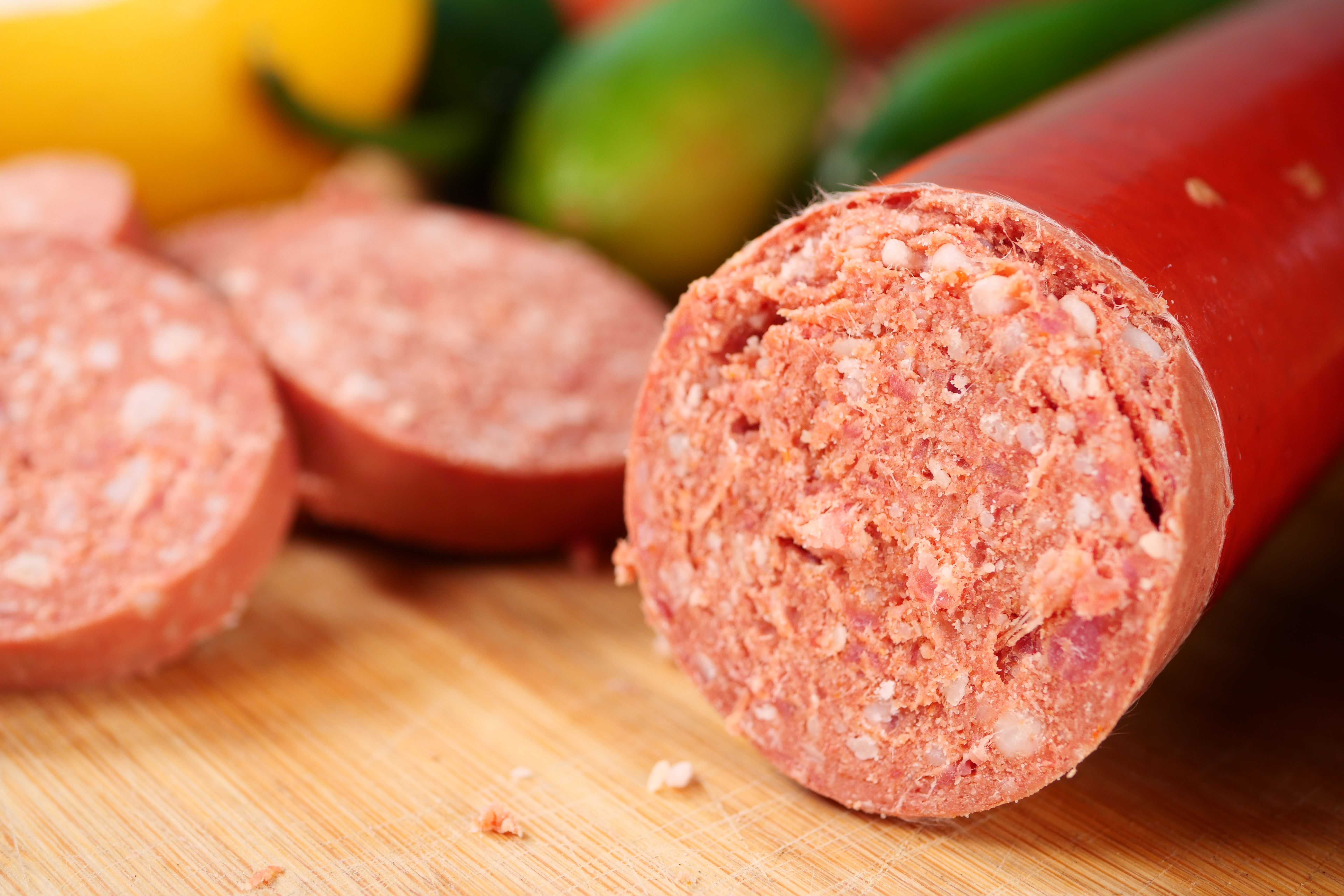
A smart salami purchase begins with the back label, not the front. Marketing terms like "artisan," "natural," or "old world" can sound appealing, but the ingredient list is where quality becomes easier to judge.
Look for a short, recognizable list: meat, salt, spices, cultures, and perhaps wine. Many salamis also include sodium nitrite or sodium nitrate, which are commonly used curing agents that help prevent harmful bacterial growth and preserve color.
Watch for fillers, excessive sugar, protein additives, or vague terms such as "flavorings" when you want a more traditional product. If you have dietary restrictions, check for milk powder, garlic, pepper, or pork casing, all of which may affect suitability.
Texture, Color, and Aroma Reveal Freshness and Quality
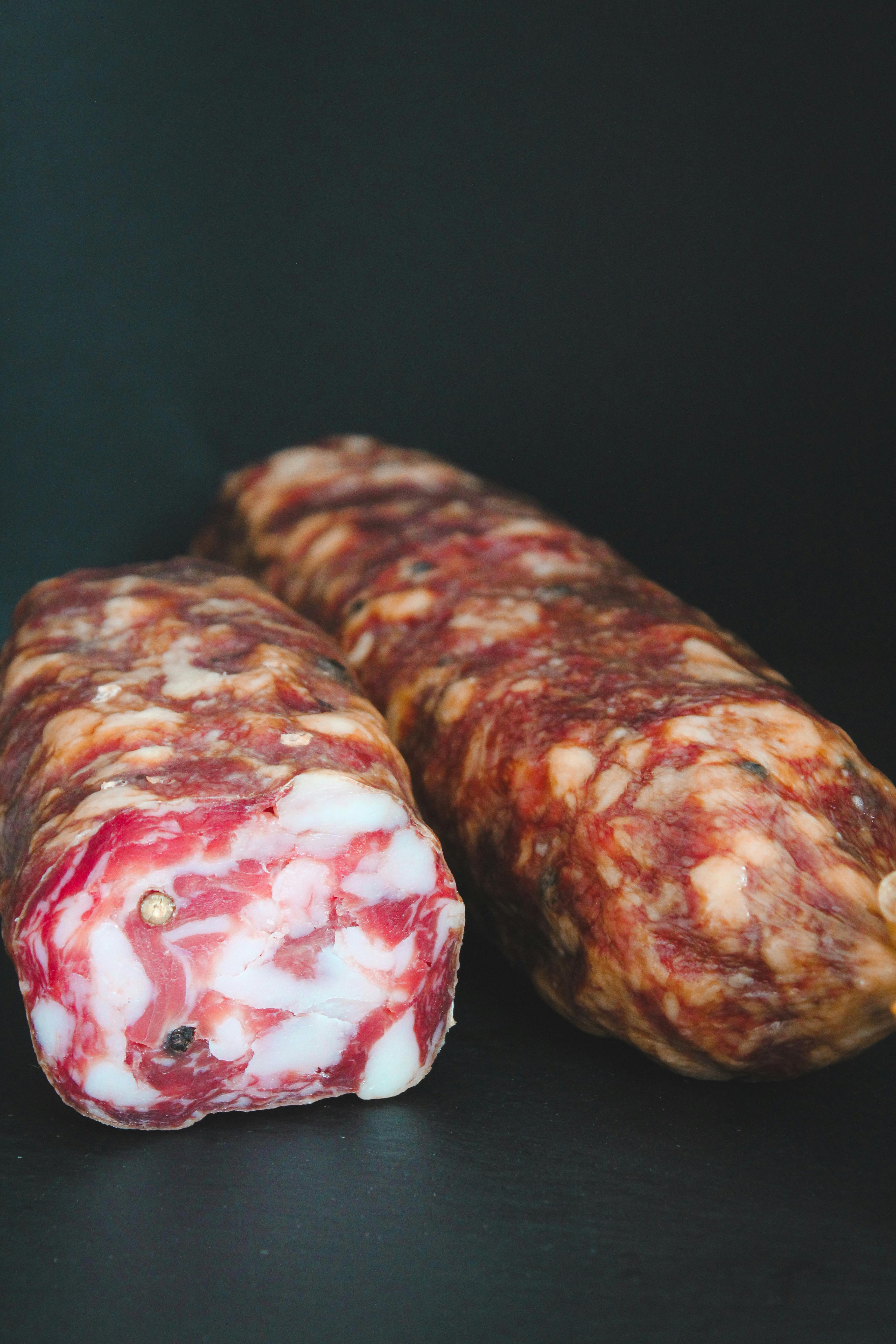
Your senses can tell you a great deal before you buy. Good salami should look intentional, not sloppy. The fat should appear evenly distributed, the slice should hold together well, and the color should match the style being sold.
A white exterior bloom on whole dry-cured salami can be normal. It is often a beneficial mold used during aging, similar to what appears on some cheeses. Green, fuzzy, or strongly discolored spots, however, are warning signs.
Smell matters just as much. Salami should smell savory, tangy, meaty, and spiced, not sour in a harsh way or rancid. If pre-sliced salami looks wet, greasy, or excessively limp, it may be old or poorly stored.
Salt, Fat, and Portion Size Add Up Quickly
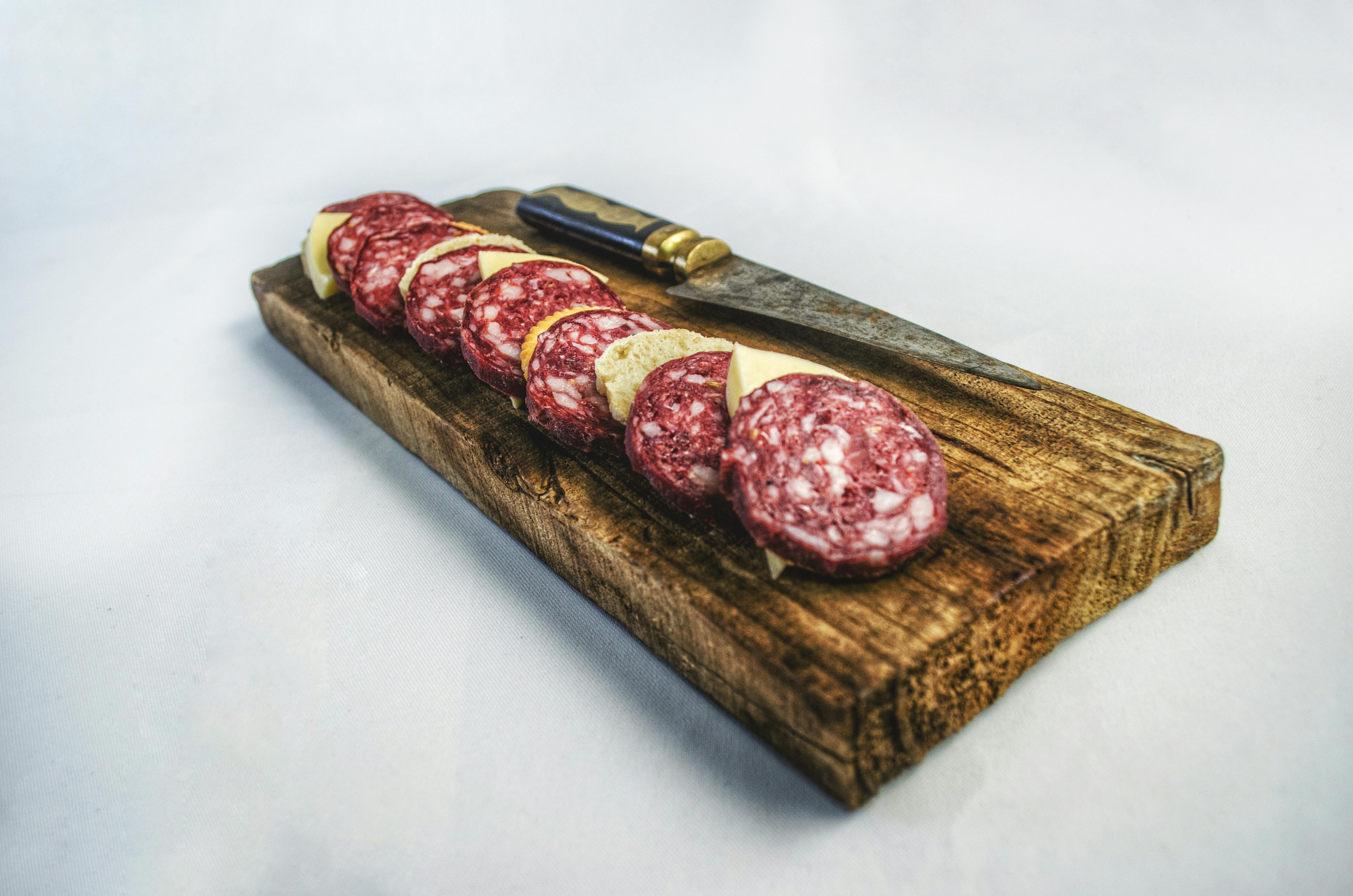
Here is the nutritional reality many shoppers miss: salami is flavorful partly because it is concentrated. That means sodium, saturated fat, and calories can rise quickly even in what seems like a small serving.
A typical serving is often around 1 oz, but many people eat far more on a sandwich or board. Depending on the brand, that amount can contain several hundred milligrams of sodium, plus meaningful levels of saturated fat. According to public health guidance, those numbers matter most for people watching blood pressure or heart health.
That does not mean salami must be avoided. It means it is best treated as a rich accent food. Pairing smaller portions with cheese, fruit, whole-grain bread, and vegetables can create better balance without losing enjoyment.
Storage and Food Safety Are Part of the Purchase Decision

Buying salami is also about knowing what happens after it leaves the store. Shelf-stable whole salami is different from deli-sliced or refrigerated packaged salami, and each type has different storage needs.
Pre-sliced salami is more exposed to air and contamination, so it usually has a shorter refrigerator life once opened. Whole dry-cured salami often lasts longer, especially if kept cool and wrapped properly, but it still needs attention to package dates and handling.
If you are shopping for pregnant family members, older adults, or anyone with a weakened immune system, be extra careful. Ready-to-eat cured meats can carry food safety risks if stored poorly, and reputable packaging, refrigeration, and freshness dates are worth taking seriously.




Leave a Reply