
The chicken sandwich wars never really ended. A&W is betting that arriving late can still be the smartest move in Canada's crowded fast-food market.
Why A&W waited to make its move
A&W's entry into the chicken sandwich race is notable because the brand did not rush in when competitors were generating viral attention. Instead, it allowed the category to mature, watching how customer expectations changed after Popeyes and Chick-fil-A reshaped the standard for what a premium quick-service chicken sandwich should look and taste like.
That patience matters. Since 2019, the category has become less about novelty and more about execution, with diners expecting a thick fillet, audible crunch, soft bun, balanced sauce, and clean flavor. By waiting, A&W avoided launching an early imitation and positioned itself to present a product as the result of testing, refinement, and strategic timing.
The shadow of Popeyes and Chick-fil-A

No chain can enter this category without confronting the influence of Popeyes and Chick-fil-A. Popeyes proved that a single sandwich could create massive demand, ignite social media, and drive store traffic at extraordinary levels. Chick-fil-A, meanwhile, has long defined the category through consistency, operational discipline, and a brand identity closely tied to chicken.
That leaves A&W with a difficult assignment. It is not simply launching another menu item but stepping into a contest shaped by years of customer comparison and strong brand loyalty. In practical terms, every bite will be judged against established benchmarks on crispness, juiciness, seasoning, pickle quality, bun texture, and overall value.
Why this matters for A&W's brand
For A&W, the sandwich is more than a product launch. It is a signal that a heritage brand known for root beer, burgers, and nostalgia wants to stay relevant with younger consumers who often see chicken as a default fast-food order rather than a side option to beef.
That shift is commercially important. Chicken sandwiches tend to attract Millennials and Gen Z diners who prioritize portability, social-media-friendly food, and menu items that feel contemporary. If A&W can win even occasional visits from that audience, it can broaden its customer mix, strengthen lunch and dinner traffic, and create cross-selling opportunities with fries, onion rings, and signature root beer beverages.
A modern marketing play, not just a menu launch
A&W's campaign strategy shows that the company understands how food competition works in 2026. According to reporting on the launch, the brand is inviting customers to "declare their allegiance," turning a standard product rollout into something more interactive and identity-driven.
This matters because fast-food loyalty is no longer built on price alone. Brands increasingly use digital recognition, social participation, and community-style language to make everyday purchases feel personal. A&W's "Hall of Heroes" concept may sound playful, but it reflects a serious marketing calculation: consumers are more likely to remember and share a product when they feel publicly attached to it.
The real test will happen in restaurants
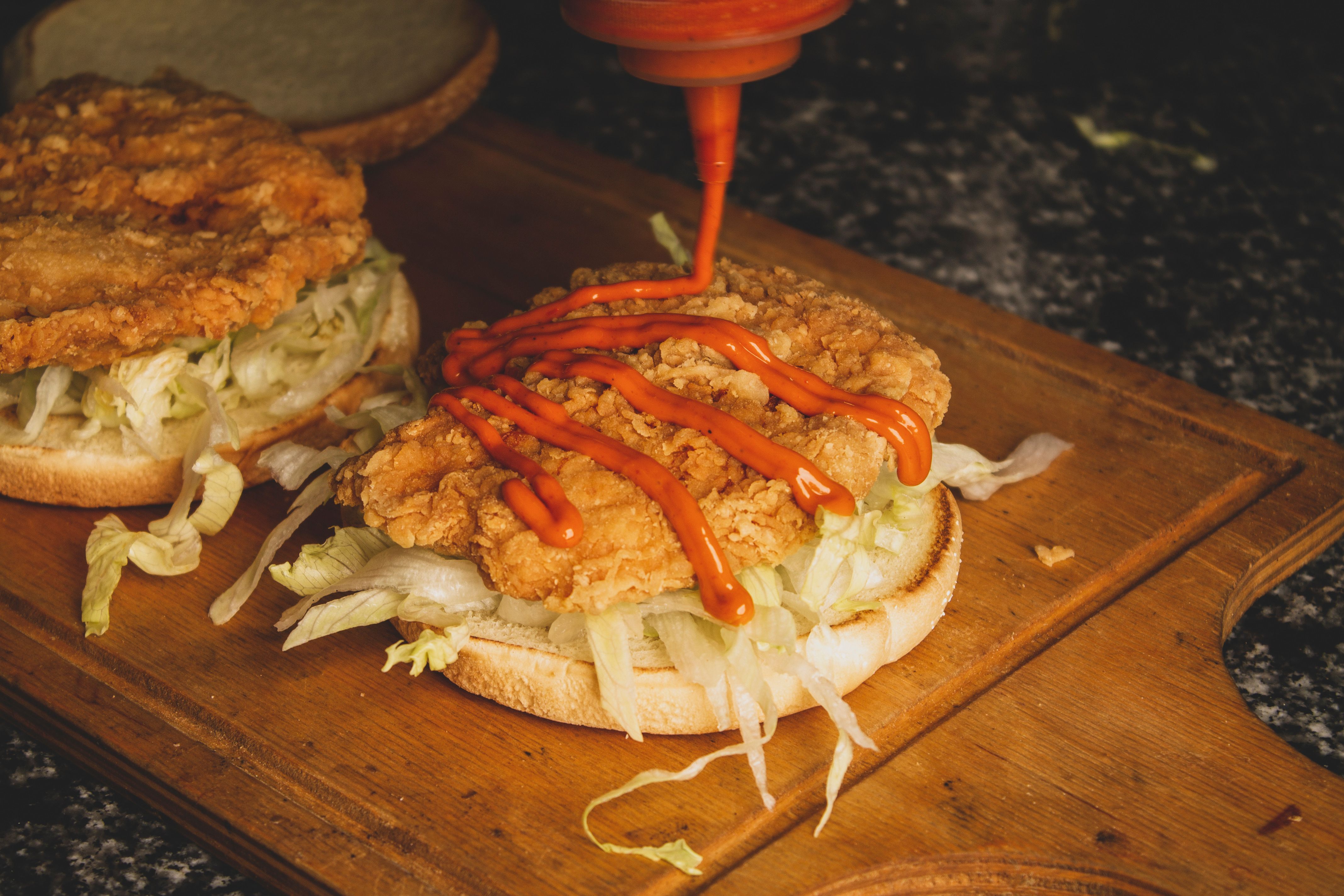
However strong the advertising may be, the real contest will be won or lost at the store level. Launching a new chicken sandwich across a large restaurant system requires supply chain coordination, staff training, kitchen workflow adjustments, and reliable quality control during busy service periods.
That is especially important for a brand whose legacy operations have been centered on burgers and hot dogs. Franchisees must now execute chicken with the same consistency customers expect from category specialists. Introductory promotions can drive trial, but they also create pressure on inventory and labor. If restaurants struggle during the first surge, consumer enthusiasm can cool quickly.
What success would look like in Canada
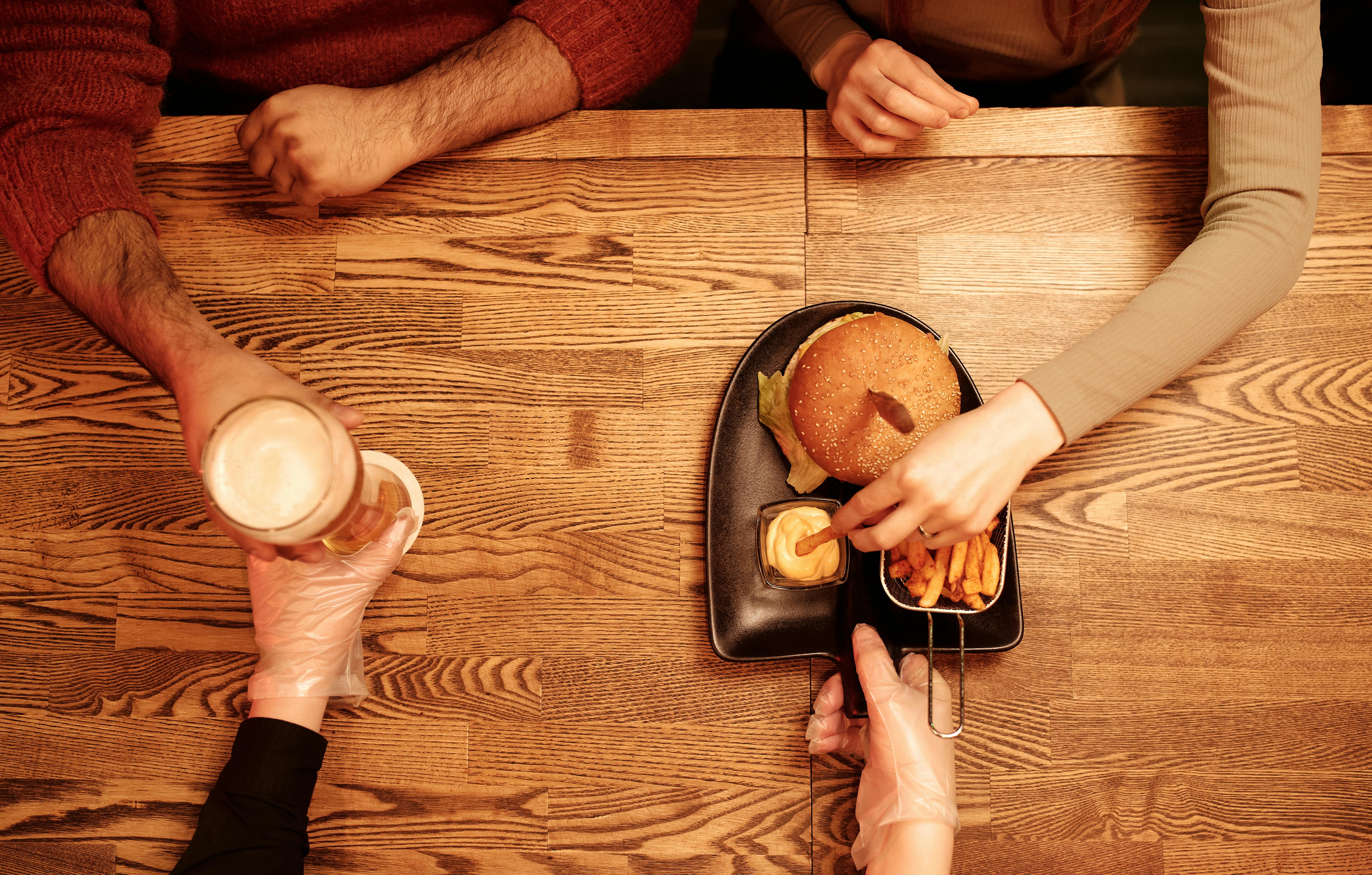
Success for A&W will not necessarily mean dethroning Popeyes or matching Chick-fil-A's brand power overnight. A more realistic win would be establishing the sandwich as a credible core item that drives repeat orders, attracts younger diners, and lifts average checks without weakening the brand's established identity.
If the sandwich performs well, A&W gains far more than a new SKU. It gains relevance in a category that still drives conversation, traffic, and competitive positioning across North American fast food. In that sense, this launch is a broader test of whether a classic chain can adapt to modern demand and still sound unmistakably like itself.

Leave a Reply