
The U.S. and Canada share plenty of ingredients, restaurant chains, and comfort-food traditions, but that has not stopped a friendly culinary rivalry from taking shape. Ask enough Americans about cross-border favorites, and many will argue that certain dishes simply come out stronger, bigger, or more satisfying in the States. This gallery digs into ten foods that often spark that reaction, along with the regional habits and expectations that help explain it.
Mac and cheese
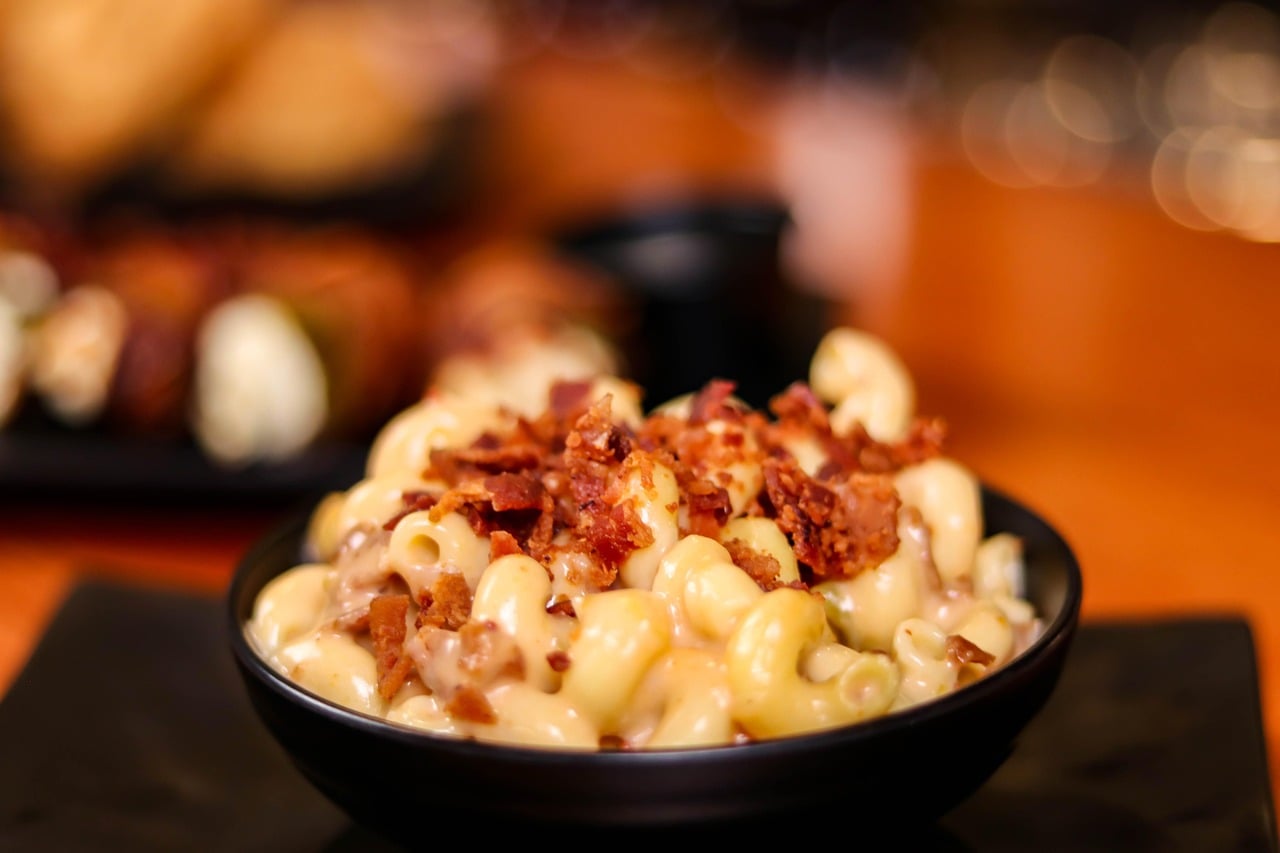
Americans tend to see mac and cheese as a dish that rewards excess, and that attitude shapes the version they defend. In the U.S., it often arrives bubbling from the oven with a browned top, a dense cheese sauce, and extras like bacon, breadcrumbs, jalapeños, or pulled pork. It feels less like a side and more like a centerpiece.
Canadian mac and cheese can be excellent, but Americans often say it plays things straighter. Part of that impression comes from the U.S. restaurant scene, where steakhouses, barbecue spots, and Southern kitchens turned the dish into a signature. That broader range of styles makes many Americans feel their version is richer, more creative, and harder to beat.
Pancakes

For many Americans, pancakes are not just breakfast. They are a full diner ritual, stacked high, served hot, and built for butter and syrup. In the U.S., regional chains and independent diners helped standardize the ideal: fluffy interiors, golden edges, and portions that feel generous from the first plate to the refill on coffee.
Canada has deep maple syrup credibility, of course, but Americans often separate the syrup from the pancake itself. They argue the U.S. version wins on texture, thickness, and sheer familiarity. With buttermilk batters, blueberry variations, and all-day breakfast culture, American pancakes have become a comfort food benchmark that many diners trust instinctively.
Cheeseburgers
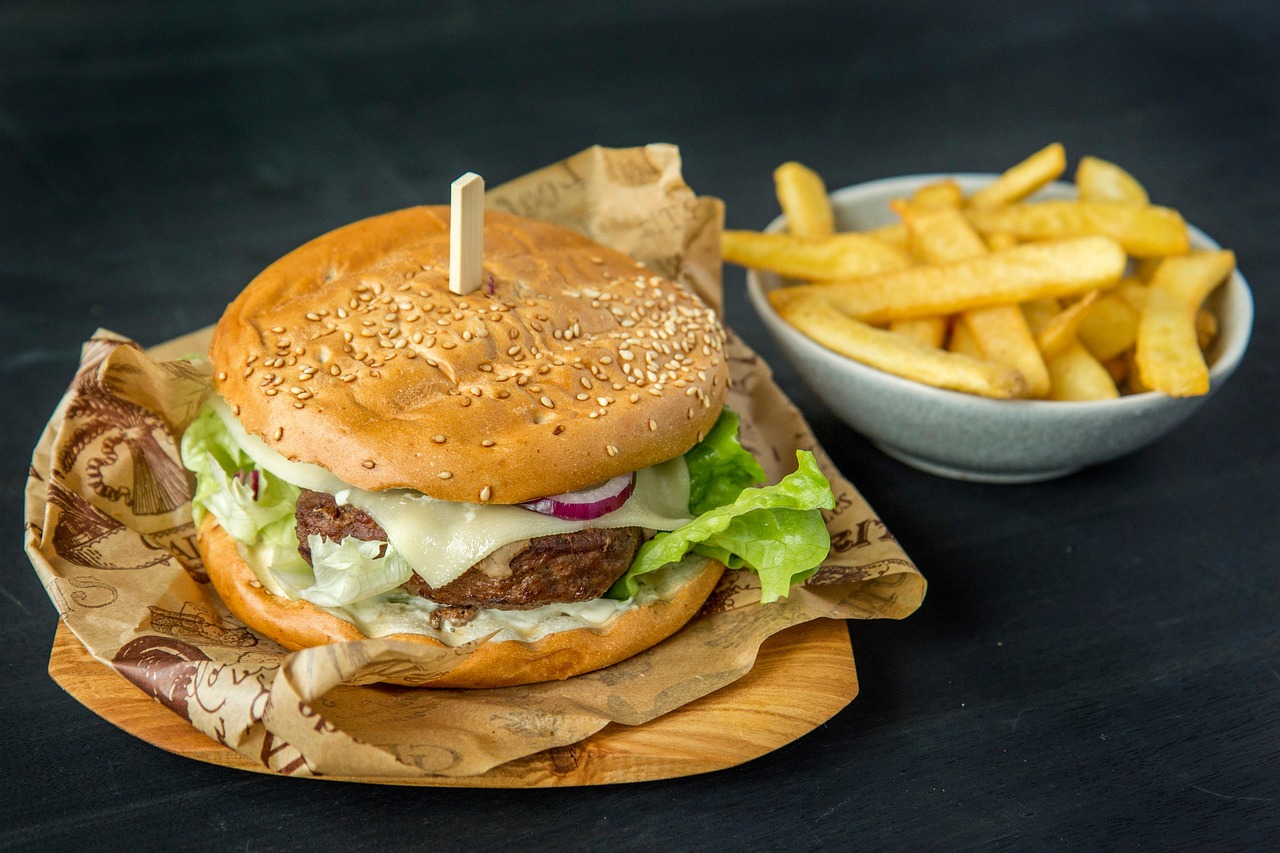
The American case for cheeseburgers starts with history and scale. The hamburger's modern identity was shaped in the United States, and that legacy still influences how Americans judge the dish. From roadside griddled patties to thick steakhouse burgers, the range is enormous, and cheese is treated as an essential layer rather than an afterthought.
Canadians certainly make strong burgers, but Americans often point to the U.S. obsession with smash burgers, regional toppings, and burger chains that turned the meal into a national language. Whether it is Wisconsin cheddar, American cheese, or pepper jack melting over a seared patty, the U.S. version feels more deeply embedded in everyday food culture, and that matters to loyal fans.
Buffalo wings
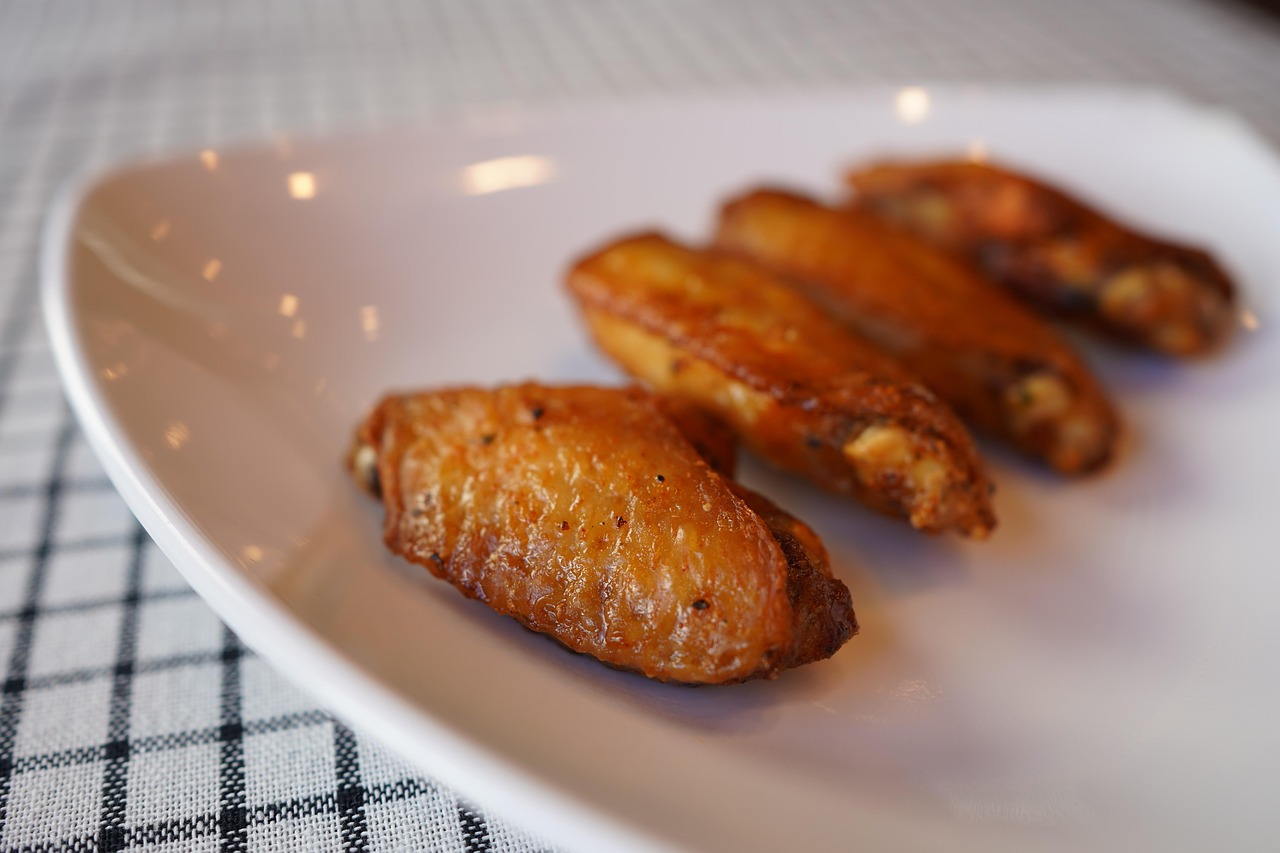
Buffalo wings are one of the clearest examples of Americans claiming home-field advantage. The dish was born in Buffalo, New York, and that origin story gives U.S. diners a strong sense of ownership. Americans usually want wings fried until crisp, tossed in a sharp butter-and-hot-sauce coating, and served with celery and blue cheese, not ranch if they are feeling traditional.
Canada has wing nights and plenty of sports-bar versions, but Americans often say the original standards are harder to match outside the U.S. The key is not just heat. It is the balance of crunch, acidity, fat, and messiness. In America, buffalo wings are tied to bars, football, and late-night eating, which gives the dish extra cultural weight.
Barbecue ribs

When Americans argue for better ribs, they are usually talking about more than one style. Memphis dry rub, Kansas City sweet glaze, Texas smoke, and St. Louis cuts all feed the idea that U.S. barbecue is a serious regional craft. Ribs in America are judged by smoke ring, bark, tenderness, and sauce philosophy, which gives the dish a technical language and a lot of local pride.
Canadian barbecue scenes have grown, but Americans often believe the depth of tradition is simply broader at home. Generations of pitmasters, competitive circuits, and smokehouse culture helped turn ribs into a culinary standard, not a weekend novelty. That long history makes many Americans feel their version carries more authenticity and more flavor development.
Doughnuts

Americans often think their doughnut culture wins because it stretches from old-school simplicity to modern extravagance. The U.S. has long embraced the glazed ring, the jelly-filled classic, the cake doughnut, and the oversized gourmet shop creation. In many cities, doughnuts are tied to morning routines, convenience stores, family bakeries, and late-night cravings all at once.
Canada is strongly associated with coffee-and-doughnut chains, but Americans sometimes see that familiarity as a drawback. They argue U.S. doughnuts offer more texture contrast and more independent-shop character. Freshly fried yeast doughnuts, maple bars, apple fritters, and regional specialties create a bigger spectrum, and that variety helps convince Americans that their side of the border delivers the more memorable bite.
Fried chicken
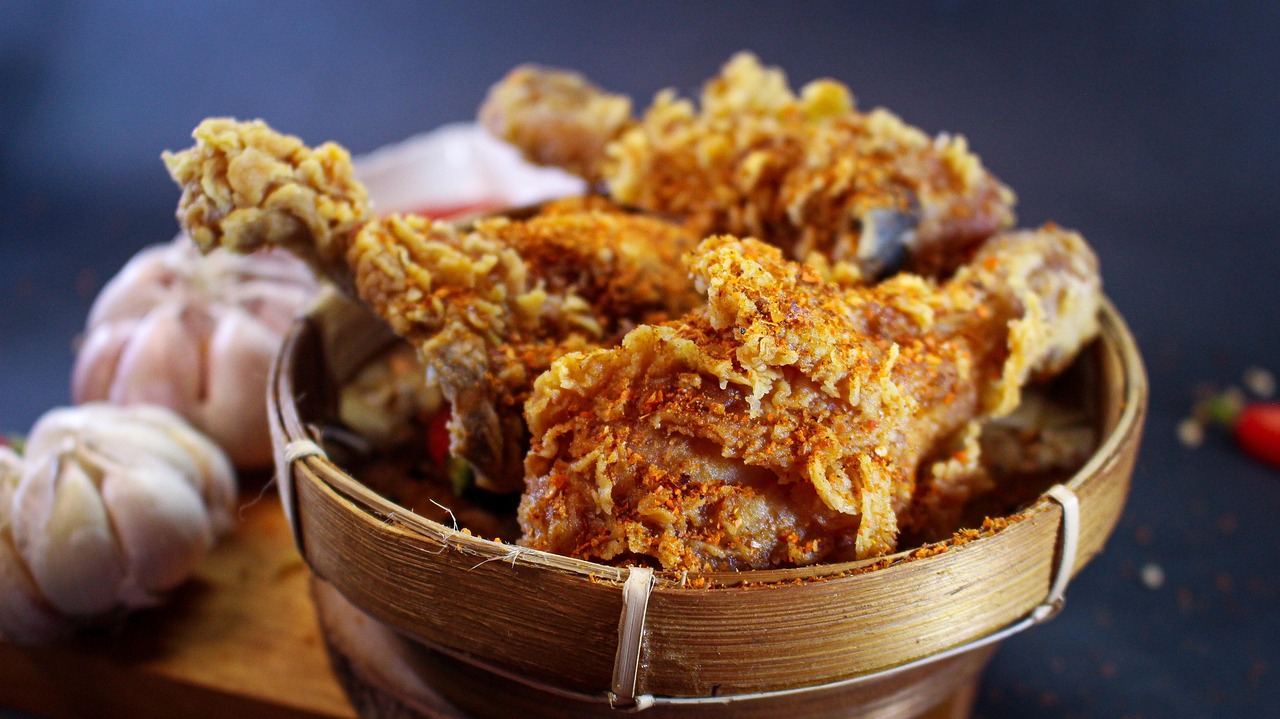
Americans tend to talk about fried chicken with the confidence of a country that turned it into a defining comfort food. Southern cooking traditions, Black culinary influence, and generations of family recipes shaped a dish that can be crisp, juicy, spicy, and deeply seasoned at once. In the U.S., fried chicken ranges from skillet-style classics to Nashville hot and sandwich-shop versions.
Canada has excellent fried chicken, especially in diverse urban food scenes, but Americans often argue the emotional and regional depth is different. In many parts of the United States, fried chicken is tied to church meals, road trips, gas-station counters, and celebrated local institutions. That lived tradition gives the American version a sense of authority that fans are quick to defend.
Apple pie
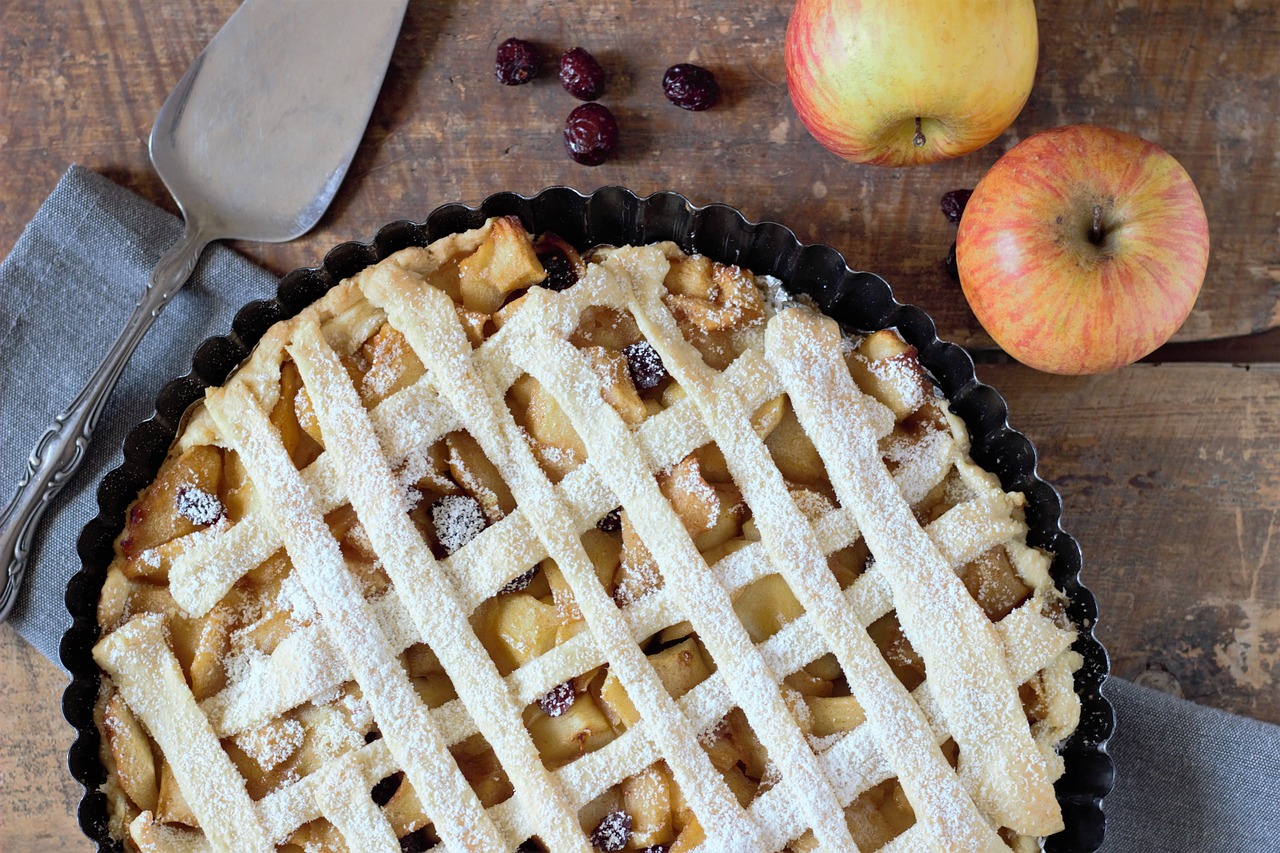
Apple pie may not have originated in the United States, but Americans have thoroughly adopted it as a national dessert symbol. That matters when comparisons begin. In the U.S., apple pie is expected to deliver flaky crust, a balanced filling, and a clear sense of occasion, whether it is served at Thanksgiving, county fairs, or roadside diners with a scoop of vanilla ice cream.
Canadian baking traditions are strong, but Americans often insist their version feels more iconic and more consistent in public life. The phrase "as American as apple pie" did real cultural work, turning the dessert into shorthand for home and nostalgia. That symbolism, paired with countless regional and family recipes, helps Americans believe their apple pie remains the standard.
Clam chowder

Americans who champion clam chowder usually point straight to New England. The U.S. has built powerful regional identities around chowder, especially the creamy New England style and the tomato-based Manhattan version. Even when people disagree over which one is best, they still treat chowder as part of a long coastal tradition with clear local roots and standards.
Canada has its own seafood soups and chowders, particularly in Atlantic provinces, but Americans often say U.S. clam chowder is more recognizable and more codified. They expect a thick bowl loaded with clams, potatoes, and briny richness, often served in a bread bowl or alongside oyster crackers. That strong template makes the American version feel definitive to many diners.
Pepperoni pizza

Pepperoni pizza is one of those foods Americans barely think of as a debate because, to them, the answer seems obvious. In the U.S., pepperoni became the default pizza topping through pizzerias, delivery chains, stadium food, and frozen aisles. The ideal is familiar: curled slices, crisp edges, orange oil on melted mozzarella, and a slice sturdy enough to fold.
Canadian pizza has loyal fans and its own topping habits, but Americans often view pepperoni pizza as a distinctly U.S. success story. Pepperoni itself is more central to American pizza culture than it is in many other places, and that matters. Because it sits at the center of everyday eating, many Americans believe nobody has refined the style quite like they have.



Leave a Reply