
Few snacks say Canada quite like all dressed chips. Their flavor is famous, fiercely defended, and surprisingly hard to explain to anyone who did not grow up eating them.
A flavor that refuses to fit one category
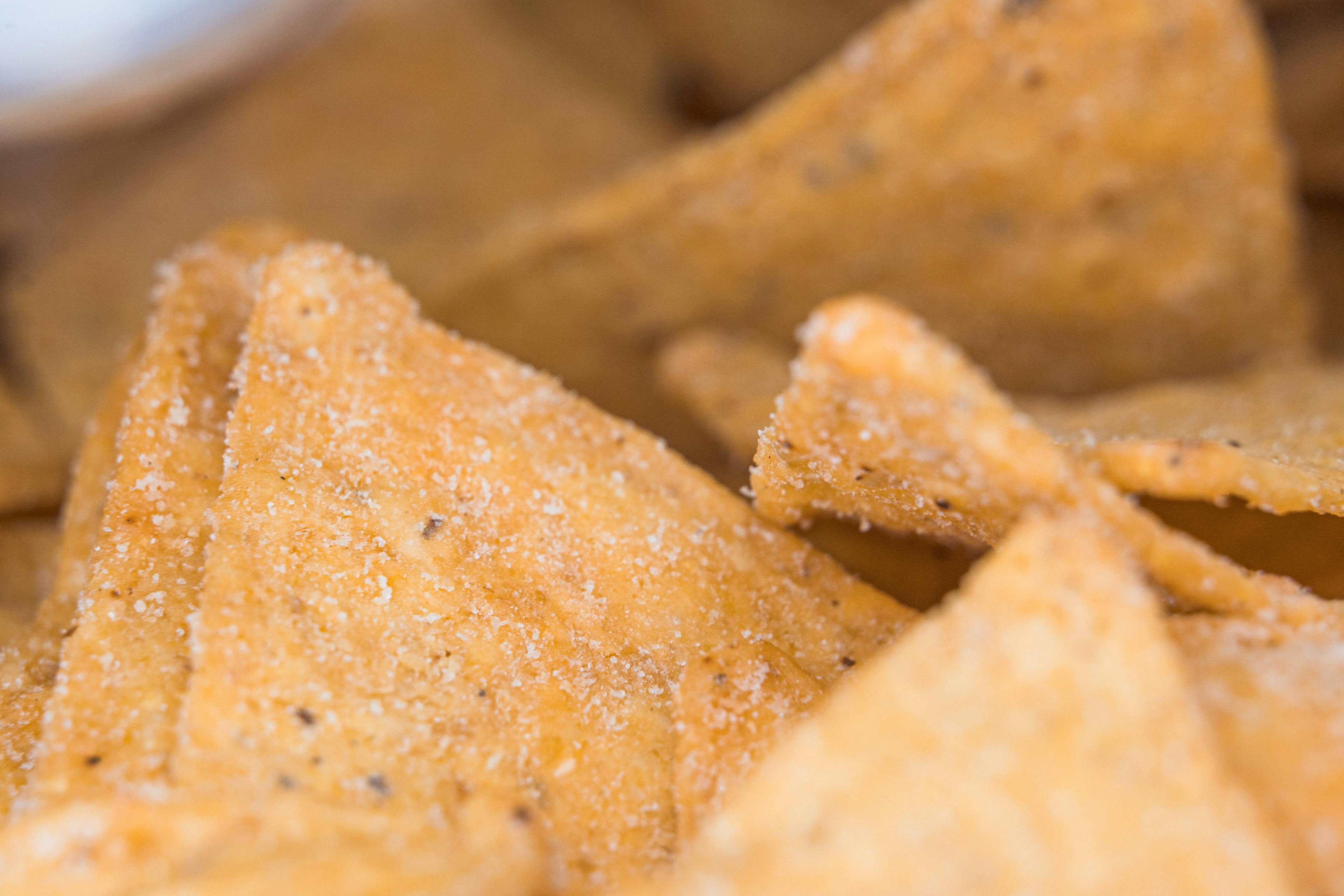
The first thing to understand about all dressed chips is that they are not meant to taste like one thing. They are built as a layered seasoning style, usually combining notes associated with barbecue, ketchup, sour cream and onion, and salt and vinegar. The result is sharp, sweet, smoky, salty, and slightly funky at the same time.
That complexity is exactly why Americans often struggle to describe them. In the United States, chip flavors are usually marketed in cleaner categories with a single dominant identity, such as cheddar, ranch, barbecue, or jalapeño. All dressed chips break that pattern by delivering several familiar flavors at once without fully becoming any one of them.
Even among Canadian brands, the formula is not completely standardized. One bag may lean more vinegary and tangy, while another emphasizes tomato sweetness, onion powder, garlic, or smoky paprika. That variation adds to the confusion, but it also helps explain the appeal: all dressed is less a precise formula than a recognizable flavor experience.
Why Canada embraced them as a national snack
What makes all dressed chips distinctly Canadian is not just taste but cultural familiarity. For decades, they have been a standard option in Canadian grocery stores, convenience stores, and family snack bowls. Canadians often encounter them early in life, so their unusual balance feels normal rather than strange.
Canadian snack culture has long made room for regional preferences and bold seasoning. Ketchup chips, dill pickle chips, and other punchy flavors found loyal audiences in Canada even when they remained niche elsewhere. In that environment, all dressed chips fit naturally as another maximalist flavor, one designed for people who enjoy contrast in every bite.
Brands also helped build the identity. Companies such as Ruffles made all dressed widely available and visually recognizable, turning the flavor into a mainstream staple rather than a novelty. Over time, it became one of those foods Canadians mention with pride, especially when comparing supermarket shelves on either side of the border.
The ingredient logic behind the taste
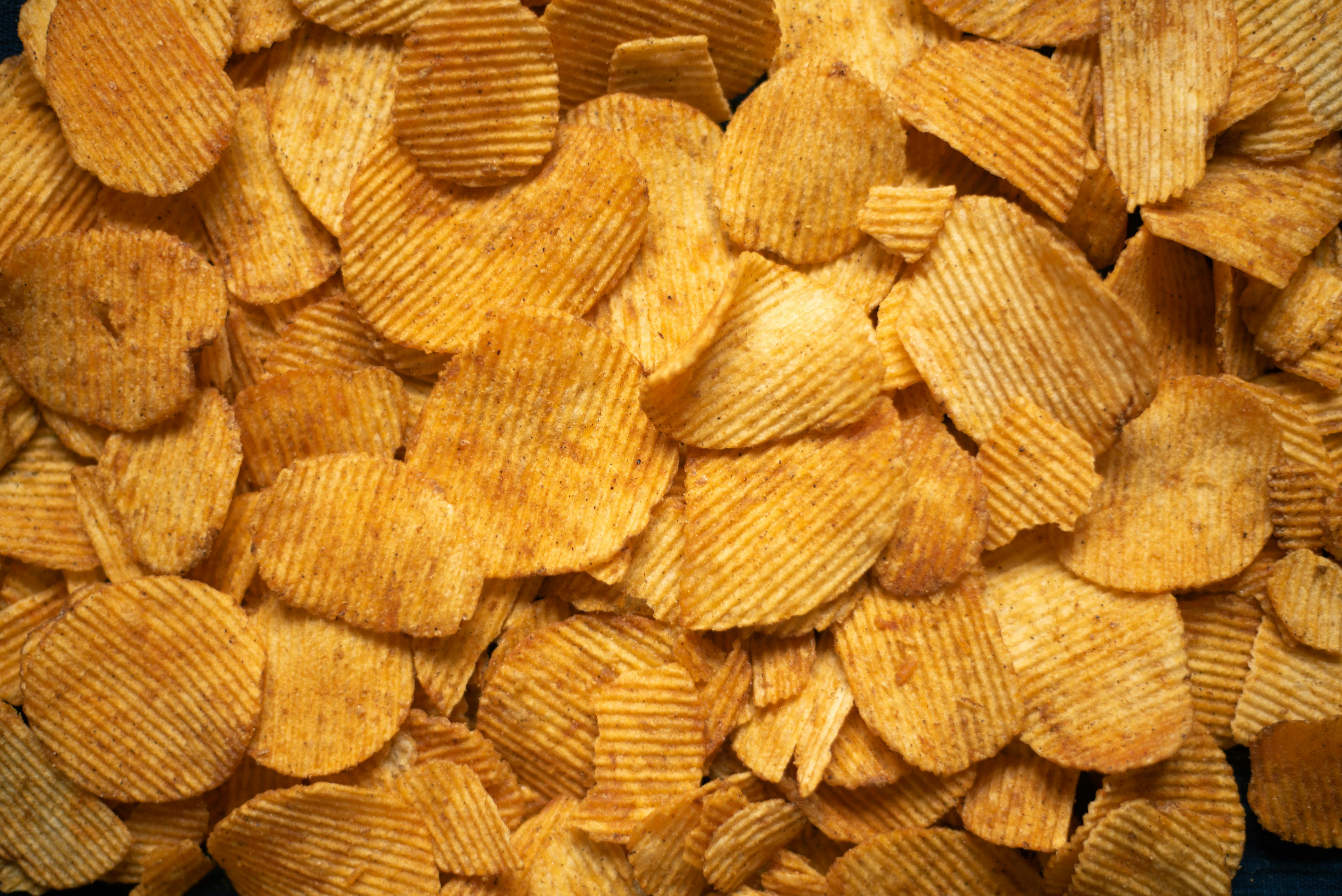
At the ingredient level, all dressed seasoning is easier to understand than its reputation suggests. Most versions rely on a foundation of salt, sugar, onion, garlic, tomato powder, vinegar, and spices. Add acids for brightness and savory compounds for depth, and the seasoning starts to resemble a concentrated snack-food version of a fully loaded meal.
Food scientists would describe the profile as a balancing act. Salt heightens impact, sugar softens the harsher acidic edges, and vinegar provides the signature lift that keeps the flavor from feeling heavy. Meanwhile, onion, garlic, and spice extracts add body and aromatic warmth, giving the chips a rounded finish instead of a one-note sour punch.
Texture plays a role too, especially with ridged chips. Deep ridges hold more seasoning, which means each chip carries a stronger mix of sweet, tart, and savory elements. That is one reason Ruffles became so closely associated with the flavor: the structure of the chip supports the dense, powdery seasoning blend better than many flat-cut varieties.
Why Americans keep asking what they taste like

The confusion in the United States is partly linguistic. When Americans hear "all dressed," many assume the phrase refers to a topping-heavy burger, hot dog, or sandwich rather than a chip flavor. The name signals abundance, but it does not clearly tell shoppers what they are about to taste.
Limited exposure has also mattered. Although some American retailers and brands have released all dressed chips in certain periods, the flavor has never held the same permanent shelf space in the United States that it enjoys in Canada. For many Americans, trying them is still a novelty experience shaped by curiosity, social media clips, or cross-border shopping trips.
The reaction is often the same: recognition followed by uncertainty. People detect barbecue, then vinegar, then onion, then a faint ketchup-like sweetness. Because the taste keeps shifting during the bite, many settle on descriptions like "everything at once" or "barbecue crossed with salt and vinegar," which are not wrong but still incomplete.
The marketing mystery that made them even more famous

Part of the legend of all dressed chips comes from how they are discussed online and in pop culture. They are often framed as a weird Canadian treasure, which turns them into both a snack and a conversation piece. That mystique has only grown as Canadian foods increasingly circulate through travel media, food rankings, and international taste-test videos.
There is also a powerful nostalgia factor. For Canadians living abroad, all dressed chips often rank with Coffee Crisp bars, ketchup chips, and poutine as foods that instantly evoke home. That emotional tie strengthens their status far beyond ordinary snack branding and gives them a symbolic role in Canadian identity.
American confusion, ironically, has helped the flavor stand out even more. Every time someone asks what all dressed chips actually taste like, the answer reinforces their uniqueness. They are not just another regional chip flavor. They are a reminder that national food culture is often built from products locals take for granted and outsiders cannot quite decode.
What all dressed chips really taste like in plain terms
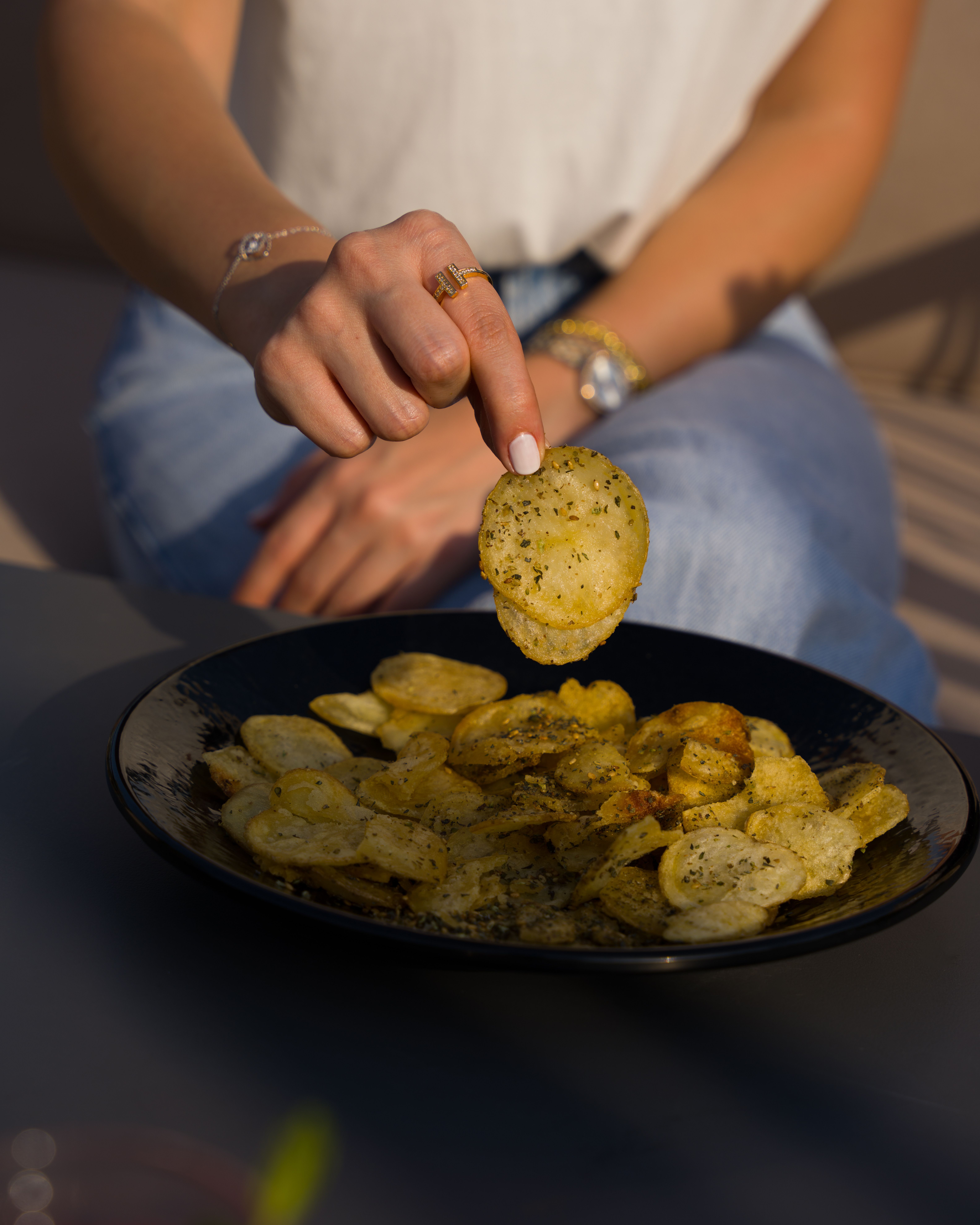
If the flavor needs a plain-English description, the best one is this: all dressed chips taste like a seasoned blend of barbecue sweetness, vinegar tang, onion savoriness, and a tomato-forward zip similar to ketchup seasoning. They are bold but not overwhelmingly hot, and they usually finish with a salty, slightly sweet aftertaste.
That description still leaves out the most important part, which is how balanced the chips feel when the seasoning is done well. No single note should dominate for long. The sweetness appears first for some people, the tang for others, but the overall effect should feel blended, punchy, and surprisingly coherent.
In the end, the American struggle to define all dressed chips is understandable. The flavor was never designed to behave neatly. It is a deliberately crowded, distinctly Canadian combination, and that is precisely why it has endured. All dressed chips do not ask to be categorized cleanly. They ask to be eaten, argued about, and then opened again.




Leave a Reply