
Some food trends arrive loudly. Others build quietly until suddenly they are everywhere.
Why this brand went from overlooked to in demand
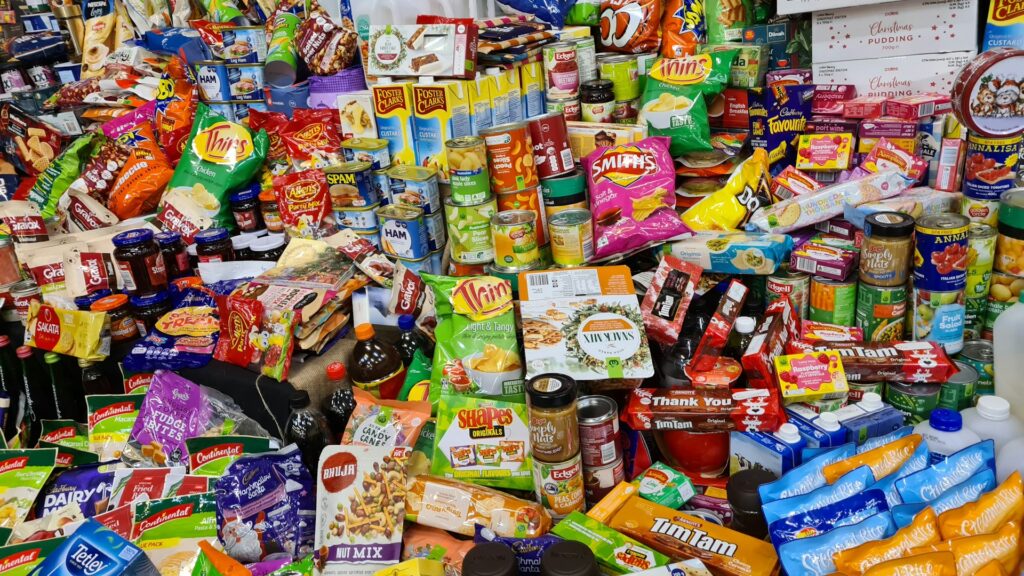
What changed was not just awareness, but timing. The Canadian snack market has been shifting toward products that feel more intentional, whether that means cleaner labels, stronger flavors, regional identity, or a story consumers can actually remember. A brand that may have looked niche a year ago can now appear perfectly positioned for the moment, especially when shoppers are more selective about what goes into their carts.
Industry tracking over the past two years has shown that snack buyers are splitting into two strong camps. One group still wants value and familiarity, while the other is actively seeking novelty, premium cues, and better ingredients. The brand now drawing unusual attention appears to have landed in the rare middle ground, offering enough distinction to stand out without becoming so specialized that it alienates everyday shoppers.
Search behavior helps explain the speed of the change. In food retail, many brands do not break through because they are absent from the moments when consumers become curious, such as a viral review, a store sighting, or a recommendation from a trusted creator. Once interest starts, search volume can rise much faster than shelf expansion. That creates the impression of a sudden breakout, even if the groundwork was being laid for months behind the scenes.
There is also a broader Canadian factor at work. Domestic food brands have benefited from stronger consumer interest in local production, especially when inflation has made people think harder about where their money goes. A snack brand with Canadian roots, recognizable sourcing language, and a clear point of view can now command attention in a way that might have seemed unlikely last year.
The product strategy that made people stop and notice
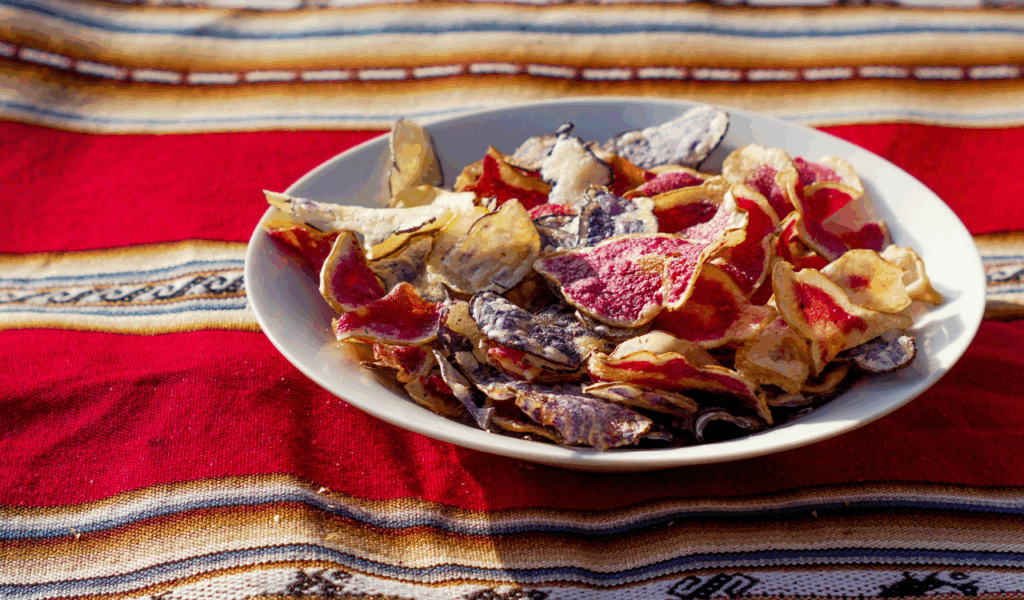
The first thing consumers tend to notice is product clarity. Winning snack brands today usually answer three questions immediately: what is it, why is it better, and what kind of eater is it for? This Canadian brand appears to have sharpened all three. Packaging, flavor naming, and product positioning now work together rather than competing for attention, which matters enormously in crowded retail environments where shoppers make decisions in seconds.
Flavor architecture is often the hidden engine behind a breakout. Brands that overextend into too many novelty options can confuse consumers, but brands that build around a small number of distinctive, repeat-purchase flavors often gain momentum faster. Think smoky, spicy, sea salt-forward, maple-inflected, or vinegar-driven profiles that feel rooted in Canadian taste preferences while still giving shoppers something more memorable than another generic chip or cracker.
Texture also plays a larger role than many marketers admit. In consumer testing across snack categories, crunch, crispness, and mouthfeel frequently rank alongside flavor as top purchase drivers. A brand that gets texture right can trigger repeat buying even before it has a major advertising budget. That is one reason under-the-radar snack companies sometimes break out suddenly. Consumers may not remember the campaign, but they remember how the snack felt and whether they wanted another bag.
Portioning and format have likely helped too. Smaller grab-and-go packs, resealable pouches, and lunch-friendly sizing are not just conveniences. They are signals that a company understands real household behavior. In a market shaped by office returns, school snacks, road trips, and rising food budgets, format can be as persuasive as flavor.
Retail placement and social momentum changed everything
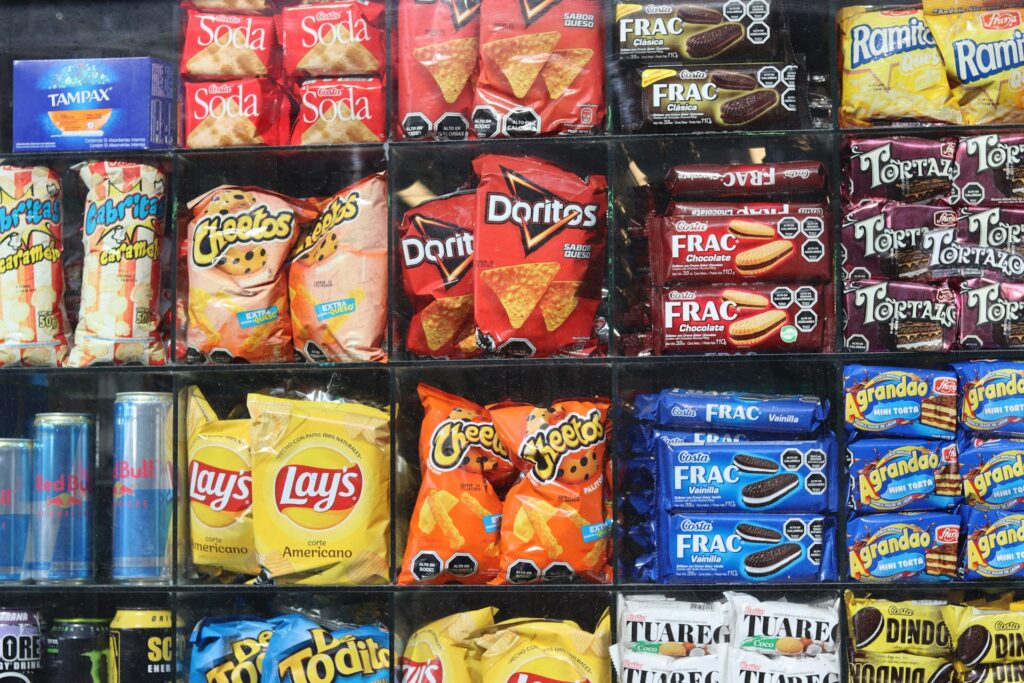
A snack brand can be excellent and still remain invisible if it never wins the right shelf. That is why retail execution matters so much in stories like this one. Placement in high-traffic aisles, checkout-adjacent displays, end caps, and regional grocery chains can create trial at a pace digital marketing alone rarely achieves. Once a product appears repeatedly in trusted stores, shoppers begin to read it as established rather than experimental.
At the same time, social media has changed how food fame works. Consumers no longer need a national television campaign to decide a snack is worth trying. A handful of creators showing a genuine reaction, a comparison video, or a "best Canadian snacks right now" roundup can drive search spikes almost overnight. What matters most is not celebrity endorsement, but believable enthusiasm and repeat appearances across platforms.
Retailers themselves also amplify momentum. When store buyers notice quick sell-through, they often respond by widening distribution, adjusting shelf position, or adding promotional signage. That creates a feedback loop: better placement leads to stronger sales, which leads to more visibility, which leads to higher search interest. It is one of the clearest ways an unknown name can become a must-find product in a matter of quarters.
There is evidence across food and beverage that consumers increasingly discover products in-store first and research them second. That pattern favors brands with strong visual identity and clear messaging. If shoppers see a snack, remember the package, and later search for it by name, the brand has already crossed one of the hardest barriers in packaged food: recall.
Consumers are rewarding trust, not just novelty

A year ago, novelty alone might have generated curiosity. Today, trust closes the sale. Consumers want snacks that feel worth the money, especially after several years of higher grocery bills. That does not always mean the cheapest product wins. In many cases, shoppers are willing to pay more if the brand communicates quality, ingredient care, and consistency in a straightforward way.
This is where many emerging snack brands fail. They promise too much, lean too heavily on trend language, or build an identity around health halos that do not match the eating experience. The Canadian brand now attracting attention seems to have avoided that trap by staying grounded. Whether the hook is local ingredients, bolder seasoning, fewer artificial additives, or a better production story, the message appears to line up with the actual product experience.
There is also a growing appetite for brands that feel culturally specific without becoming exclusionary. Canadian consumers often respond well to products that reflect regional pride, familiar flavors, or domestic food traditions presented in a modern format. That kind of positioning can create emotional loyalty, especially when it feels authentic rather than manufactured in a boardroom.
Even mainstream shoppers are reading labels more carefully than before. According to multiple market analyses in North America, ingredient transparency, protein content, sodium levels, and processing perceptions all play a role in snack selection. A brand that balances indulgence with clarity has a better chance of turning first-time buyers into regular customers.
What this says about the Canadian snack market now

The rise of this brand says less about one lucky product and more about where the market is headed. Canada's snack aisle is becoming a test ground for hybrid consumer behavior. People still want comfort and convenience, but they are also asking for better storytelling, more distinctive flavor development, and products that feel relevant to how they actually live. That favors agile brands over slower legacy players.
It also suggests that mid-sized or once-obscure companies have more room to grow than they did a decade ago. Distribution tools have improved, digital marketing costs can be lower than traditional campaigns, and regional success can now scale nationally much faster. A brand no longer has to dominate every province at once. It can build credibility in a few markets, generate search interest, and use that momentum to open larger retail doors.
Private label competition remains intense, and that makes differentiation essential. Store brands can often compete on price, but they are less likely to build strong emotional identity or cultural cachet. When an independent or emerging snack company captures attention, it usually does so by giving consumers something hard to replicate: a taste profile, a brand voice, or a sense of discovery.
For investors, retailers, and food manufacturers, this kind of breakout is worth watching closely. It shows that snack demand has not weakened, but it has become more selective. Consumers are still buying treats and pantry staples. They are simply becoming much better at deciding which brands deserve a second look.
Why everyone is searching for it now
Search interest is the clearest sign that a brand has crossed from passive availability into active demand. People do not search for snacks just because they are hungry. They search when something has sparked curiosity, urgency, or fear of missing out. That can come from seeing empty shelf spots, hearing repeated recommendations, or noticing the brand appear in multiple places at once.
In practical terms, search behavior often rises when distribution is expanding but not yet universal. Consumers find the product in one store, cannot locate it in another, and go online to check stockists, flavors, reviews, or nutrition details. That gap between awareness and easy access creates exactly the kind of digital attention that makes a brand seem suddenly unavoidable.
There is also a psychological element. Once people believe a product is becoming popular, they begin to treat it as a signal item, something worth trying because others are talking about it. Food trends often feed on this loop. Curiosity drives trial, trial drives conversation, and conversation drives more searching. By the time the broader public notices, the brand is already well into its growth phase.
What makes this Canadian snack story especially notable is how current it feels. It combines local identity, retail visibility, product discipline, and social momentum in a way that matches the modern food economy almost perfectly. Last year, hardly anyone seemed to mention it. This year, it is the snack people keep asking for by name.


Leave a Reply