
Butter tarts look simple, but anyone who bakes them knows tiny changes can completely shift the result. One Canadian baker put 14 versions to the test, tweaking shells, fillings, sweetness, and mix-ins to find the best balance of texture and flavor. Some classics held strong, a few trendy ideas fell flat, and the final winner was not the one most people would guess.
The classic raisin butter tart

The test started with the version many Canadians grew up with: a flaky shell, a sweet butter filling, and a small handful of raisins. It set the baseline for everything else, especially when it came to balance. The baker wanted a tart that tasted rich without turning heavy after two bites.
This one did a lot right. The raisins added chew and a little dark sweetness, which helped cut through the sugary filling. Still, the texture leaned familiar rather than exciting, and while it scored well for nostalgia, it did not feel like the strongest all-around tart once the field began to expand.
The no-raisin version

Then came the version that always sparks debate: the butter tart with no raisins at all. For some people, this is the purest form of the dessert. Without fruit in the filling, every part of the tart has to stand on its own, from the pastry to the buttery syrupy center.
The baker found this one cleaner and more direct in flavor. It let the caramel notes show through, and the gooey texture felt more even from edge to center. But it also revealed every weakness. If the shell softened too fast or the filling ran too sweet, there was nothing there to hide it. It ranked solidly, but not at the very top.
The pecan butter tart

Pecans brought an obvious advantage to the test. They added crunch, roasted flavor, and just enough bitterness to keep the tart from tasting one-note. In a dessert this sweet, contrast matters, and the pecan version immediately felt more layered than the first two.
The baker liked how the nuts changed the eating experience from soft and sticky to something with structure. Every bite had a little snap, which kept the filling from overwhelming the palate. The only downside was that the pecans pulled the tart closer to pecan pie, which some tasters loved and others felt moved it away from classic butter tart territory.
The walnut butter tart

Walnuts were tested next as a less polished but more earthy alternative to pecans. They are slightly more bitter, a little rougher in texture, and often cheaper to bake with, so the baker wanted to see if they could bring more balance to the filling.
They actually performed better than expected. The walnuts cut the sweetness in a way that made the tart taste more grown-up and less candy-like. Still, the texture was not as elegant as the pecan version, and a few bites felt almost too assertive. It was a respectable option, especially for people who like a darker nut flavor, but it never looked like a likely winner.
The maple-sweetened butter tart

Since butter tarts are so closely tied to Canadian baking, a maple-forward version felt almost required. The baker swapped part of the sweetener for maple syrup to see whether it would deepen the flavor or simply make the filling taste thinner and looser.
The result was appealing but tricky. The maple gave the tart a woodsy, almost toasted sweetness that felt warm and familiar, especially to anyone used to maple in breakfast and dessert. But it also changed the consistency, making the center a little more fluid. It was flavorful and memorable, yet not quite as balanced as the strongest contenders with a firmer set.
The brown sugar-heavy filling
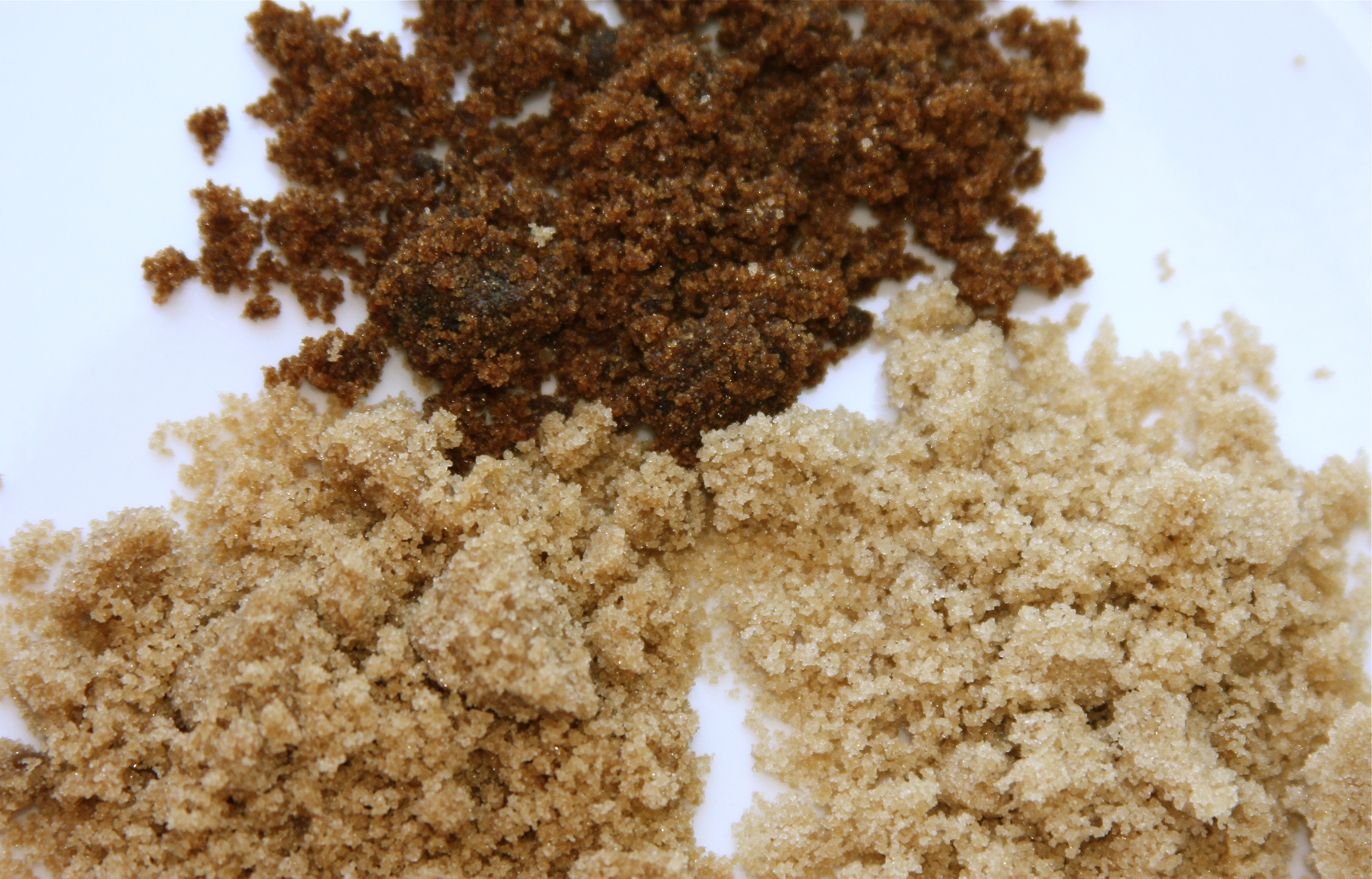
One version pushed brown sugar hard, aiming for deeper caramel notes and a darker finish. On paper, it sounded like an easy improvement. Brown sugar often gives baked goods a richer taste, and in butter tarts that can mean more complexity with very little extra work.
The baker appreciated the molasses edge right away. It made the filling feel fuller and less flat than versions built mostly around lighter sugar. At the same time, the tart edged closer to sticky-sweet territory, especially when the shell was not especially salty. It scored high for richness, but lower for restraint, and that mattered in a side-by-side tasting where cleaner flavors tended to last longer.
The corn syrup version

A lot of butter tart recipes use corn syrup for shine and consistency, so this version was less about novelty and more about testing structure. The baker wanted to know whether it would deliver the smooth, glossy filling many home bakers chase or just make the tart feel too standard.
It did exactly what it was supposed to do. The center looked beautiful, held together well, and gave that classic soft pull when cut. But flavor-wise, it was a little flat next to versions with stronger butter and sugar character. It was reliable, no question, yet it felt more like a technically polished tart than one with standout personality.
The all-butter pastry shell

The baker also isolated the crust, because a butter tart can rise or fall on the shell alone. This version used an all-butter pastry, aiming for strong flavor and crisp, flaky layers that could hold the filling without getting soggy too quickly.
This test made a big impression. The shell tasted richer, cleaner, and more bakery-like than the versions made with a more neutral fat blend. It shattered nicely at the edge and gave the tart a better finish overall. The only challenge was consistency, since butter dough can be fussier to handle. Even so, this shell became a serious front-runner and raised the score of nearly every filling it paired with.
The shortening-based pastry shell

To keep the comparison fair, the baker tested a shortening-based shell too. This style is popular because it is easier to handle and often stays tender, especially for home bakers who want something dependable and less fragile than all-butter pastry.
It delivered on ease and structure. The shell held its shape neatly and gave the tart a clean look, which matters if presentation counts. But the flavor was noticeably less rich, and in a dessert built around butter, that missing depth stood out. It was practical and familiar, but once the all-butter crust entered the lineup, this version felt more serviceable than special.
The runny center tart

Texture was one of the biggest dividing lines in the whole test. Some people want a butter tart center that oozes the second you bite in. Others want a filling that holds its shape with just a little softness in the middle. So the baker tried a version aimed squarely at that extra-runny style.
It certainly had drama. When warm, the filling spilled beautifully and felt indulgent in the first few bites. But it also made the tart messy to eat and softened the shell faster than the baker liked. In a photo, it looked great. In real life, it lost points for being harder to handle and less balanced over time.
The firm-set filling tart

The opposite approach aimed for a neater, more sliceable tart with a firmer center. This style often appeals to bakers who want consistency and to eaters who do not want syrup running down their hands. The trick is stopping short of a texture that feels stiff or overly baked.
This version performed better than expected because it made the flavors easier to read. Butter, vanilla, and caramel notes came through more clearly when the filling was not moving all over the place. The baker liked the control, though a few tasters thought it lost some of the charm people associate with butter tarts. It was strong, but maybe a bit too tidy to win outright.
The tart with a pinch more salt

One of the smartest tests was also the simplest. The baker increased the salt just slightly, not enough to make the tart taste salty, but enough to see if it could sharpen the butter flavor and pull back the sweetness. In rich desserts, that tiny adjustment can do a lot.
It worked almost immediately. The filling tasted more rounded, the crust seemed richer, and the whole tart felt less sugary even though the sweetener had barely changed. This version reminded everyone that balance often matters more than dramatic ingredients. It did not look flashy, but it climbed the rankings fast because every bite felt more deliberate and easier to come back to.
The vanilla-forward butter tart

Another test pushed vanilla a little harder to see whether aroma alone could make the tart feel more luxurious. Since butter tarts have relatively few ingredients, even a modest increase can change the way the whole dessert reads from the first smell to the final bite.
The baker found this version warm and appealing right away. It smelled fantastic, and that gave it an instant edge. But flavor is not just aroma, and once tasted beside stronger contenders, the effect was subtler than expected. It made a good tart better, especially when paired with a strong crust, but on its own it was more of a supporting upgrade than a game-changing formula.
The bacon butter tart experiment

Every serious test needs at least one wild card, and here it was bacon. Sweet and salty combinations can work beautifully, and the baker wondered if smoky bacon might add contrast the same way nuts do, only with even more punch. It sounded bold, maybe even a little over the top.
The verdict was clear. The bacon made the tart interesting for a bite or two, but the smoke quickly took over and distracted from the buttery filling. Instead of adding depth, it changed the dessert into something else entirely. Some tasters enjoyed the novelty, but almost nobody wanted a second one. It was fun to try and easy to rule out.

Leave a Reply