
For most families, crossing an international border for milk and ground beef would sound extreme. For one British Columbia mother, it has become a rational monthly budgeting strategy.
Why This Family Shops in Montana

Brandi Dustin lives in Roosville, British Columbia, a location that makes her case unusual from the start. The nearest practical grocery option for her family is in Eureka, Montana, rather than a full supermarket deeper on the Canadian side. Geography, not just inflation, is what turns a cross-border errand into a realistic weekly routine.
That matters because her story is not simply about bargain hunting. It is about distance, fuel, and convenience lining up in a rare way. In videos discussing her shopping trips, she has said the numbers still work even after accounting for exchange rates, gas, and travel costs.
On one recent trip, she estimated a savings of about $55 CAD after expenses. Spread across roughly one trip a week, that works out to around $220 CAD a month, and she has also described her monthly savings as closer to $300 CAD depending on what she buys.
The Math Behind the Savings

The strongest discounts, by her account, show up in meat and dairy. Those are staple categories that can quickly drive a family's weekly total higher, so even modest unit-price differences create meaningful savings over a month.
Imagine a household buying chicken, ground beef, cheese, yogurt, eggs, and milk each week. If those core items are consistently cheaper in Montana, the total basket can shrink enough to offset the weaker Canadian dollar. That is the key point in her math: the price gap is large enough to absorb exchange-rate pain.
Her estimate also includes the cost of getting there. That is crucial, because cross-border shopping only makes sense when transport costs stay low. For a family farther from the border, the gas bill and time commitment could erase the entire advantage before the cart is even unloaded.
Why Canada's Grocery Prices Have Stayed Higher

Dustin's savings story has drawn attention because it reflects a broader problem. Canadian grocery inflation has remained more stubborn than in the United States, squeezing household budgets long after pandemic-era supply shocks and commodity spikes first hit food markets.
In the period highlighted by reports on her case, food bought from stores in Canada was up 6.9 percent year over year, while US grocery inflation was running closer to 3 percent. That gap helps explain why a Canadian shopper can still come out ahead, even after converting currencies.
Russia's invasion of Ukraine drove up global commodity prices, and both countries felt the impact. But the US stabilized faster, in part because of its vast agricultural base and domestic production scale. In plain terms, America grows more of its own food and moves it through a larger, cheaper system.
The Structural Reasons the US Can Be Cheaper
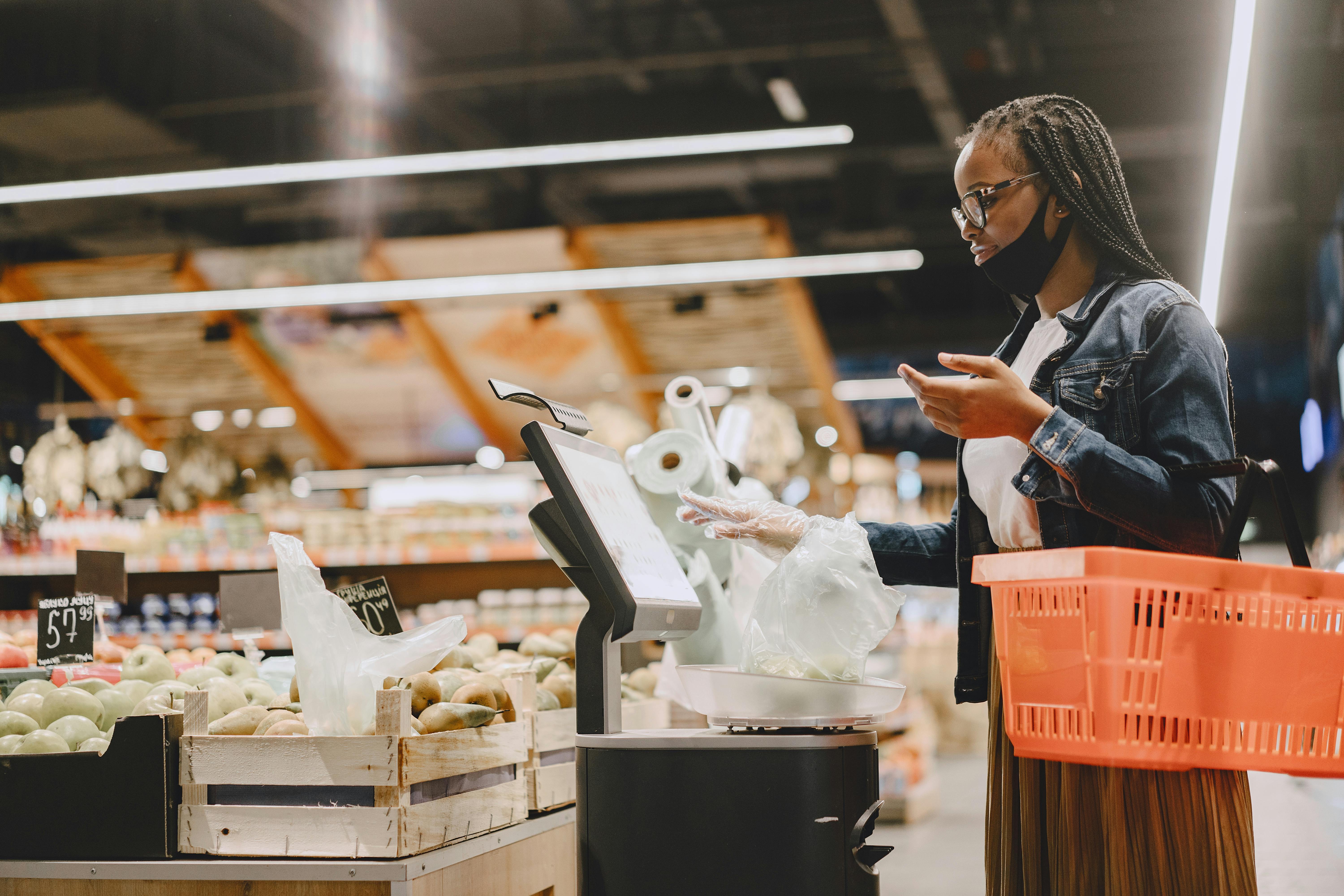
There is no single reason groceries often cost less in the US, but economists point to several structural advantages. One is labor. Food economist Mike von Massow has noted that grocery labor costs tend to be higher in Canada, and those costs eventually show up on store shelves.
Another factor is the Canadian dollar. When the loonie weakens, imported food becomes more expensive for Canadian retailers and consumers. Products such as oranges, lemons, and avocados are especially exposed because Canada does not produce them at scale in its own climate.
Then there is market size. The US serves a far larger population through a denser network of suppliers, processors, and retailers. Economists including Ambarish Chandra have pointed out that scale lets American grocers spread costs more efficiently, helping them offer a wider range of goods at lower prices.
The Border Rules That Make It Possible
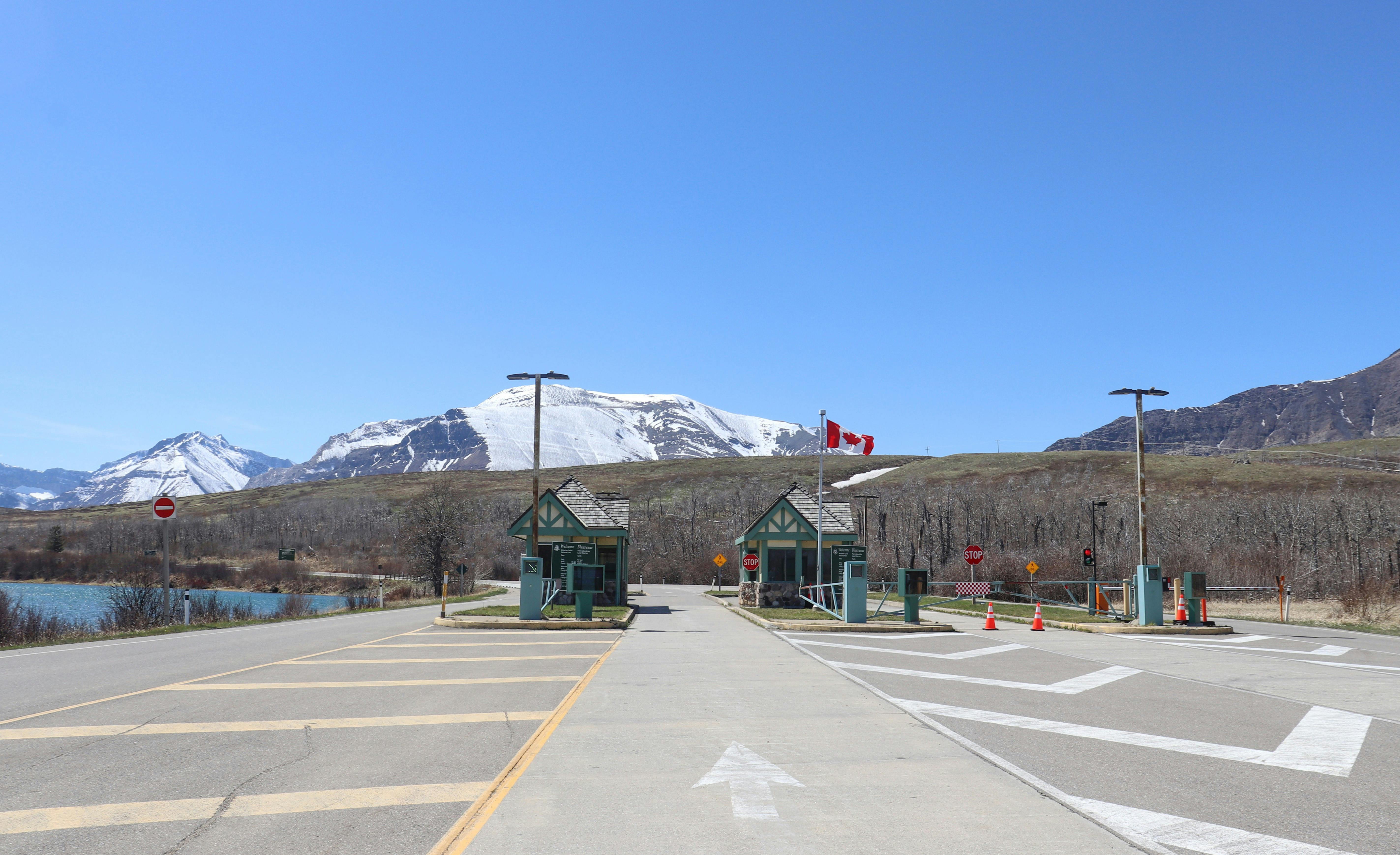
Cross-border grocery shopping is not a free-for-all. Dustin has said she declares everything she brings back, and that is the smart approach. Anyone trying to copy the strategy has to understand customs and food import rules before loading up the trunk.
According to Canadian food import guidance referenced in reporting on her case, travelers can bring up to 20 kilograms each of meat, dairy, baked goods, and produce for personal consumption. Those limits matter because exceeding them, or failing to declare items, can wipe out any savings with penalties or confiscation.
Rules can also vary depending on the crossing and the specific product. That is why her advice has been practical rather than universal: check the regulations, stay honest at the border, and recognize that what works for a border-adjacent family may not work for households farther inland.
A Viral Story With a Bigger Economic Message

Dustin's grocery runs have resonated because they make inflation tangible. It is one thing to hear about price pressures in national statistics. It is another to watch a family calculate that an international drive is cheaper than buying dinner ingredients at home.
Her story also landed during a period of political pressure on Ottawa to respond. Canada's major grocery chains were asked for concrete steps to help stabilize prices, including discounts, price freezes, and matching campaigns, while federal officials warned that stronger action could follow.
Still, her example should be read carefully. It is not a universal blueprint for saving money. It is a case study in how inflation, geography, currency, and supply chains can combine to make an unusual habit financially sensible for one family, and emotionally resonant for many more.



Leave a Reply