
Winter is prime soup season in Canada, and more home cooks are looking past familiar standards for bowls with deeper spice, richer broths, and new textures. These nine soups, rooted in traditions from Europe, Asia, Africa, and Latin America, show just how many ways the world does cold weather comfort.
Tom yum
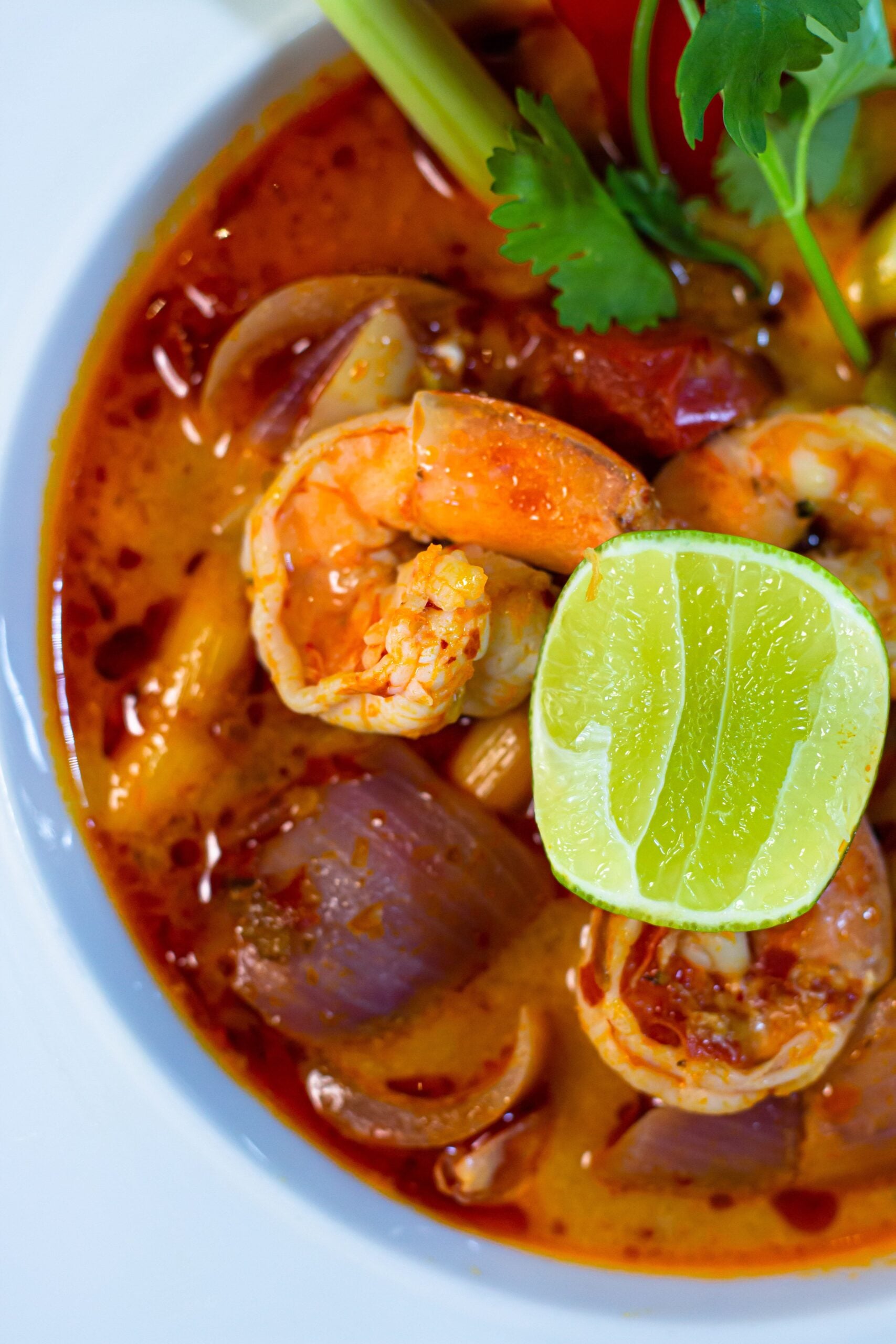
Few soups wake up the palate like Thailand's tom yum. Its base balances hot, sour, salty, and aromatic flavours, usually from lemongrass, kaffir lime leaves, galangal, fish sauce, and lime juice. The result is a broth that feels light at first sip but builds real warmth, which helps explain why it stands out in winter despite not being a heavy cream soup.
The version many Canadians first meet is tom yum goong, made with shrimp. Some restaurants add evaporated milk or chili paste for a creamier style, while clearer versions keep the broth sharper and more herbal. That flexibility is part of its appeal, because it can feel restorative one day and boldly spicy the next.
Borscht
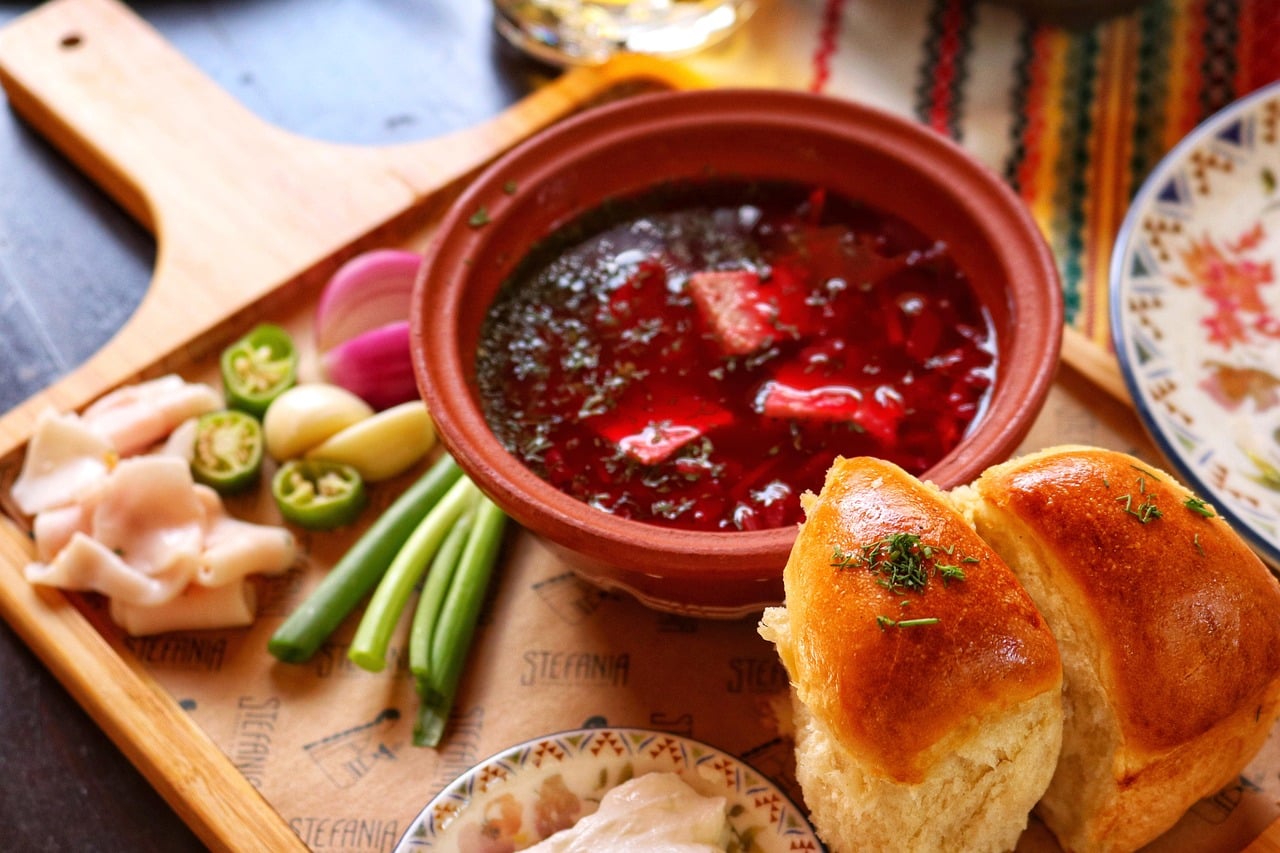
Borscht proves that a winter soup does not need meat or cream to feel substantial. Common across Ukraine and other parts of Eastern Europe, it is best known for its beet-based broth, which gives the soup its vivid red colour and a sweet, earthy depth. Cabbage, potatoes, carrots, onions, and dill often round it out.
There is no single definitive version. Some cooks make it with beef stock, some keep it vegetarian, and some serve it with a spoonful of sour cream and dark rye bread. For Canadians used to beet salad more than beet soup, borscht can be a surprise, rich in flavour but still bright enough to avoid feeling overly heavy.
Caldo verde
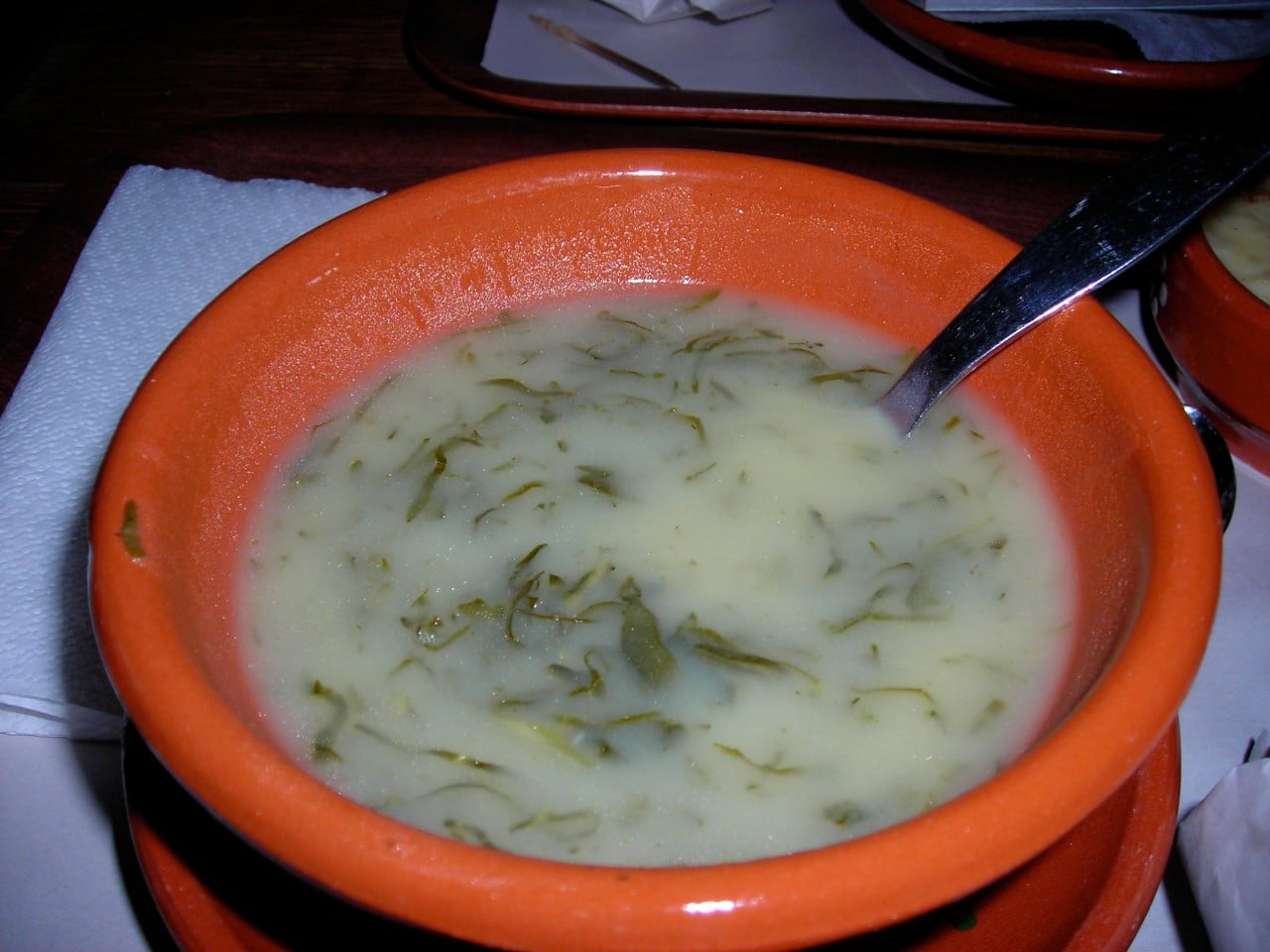
Portugal's caldo verde shows how far a few simple ingredients can go. The classic recipe starts with potatoes, onions, olive oil, and garlic, blended or simmered into a silky base, then finished with shredded kale. Slices of chouriço, a smoked sausage, are often added on top, bringing fat, salt, and spice to an otherwise very clean soup.
That balance is what makes it so compelling in cold weather. The potatoes give body without making the soup gluey, and the greens keep each spoonful fresh. For Canadians already cooking more kale and sausage in winter, caldo verde feels both approachable and different, familiar enough to try, but distinct enough to earn a regular place on the table.
Harira
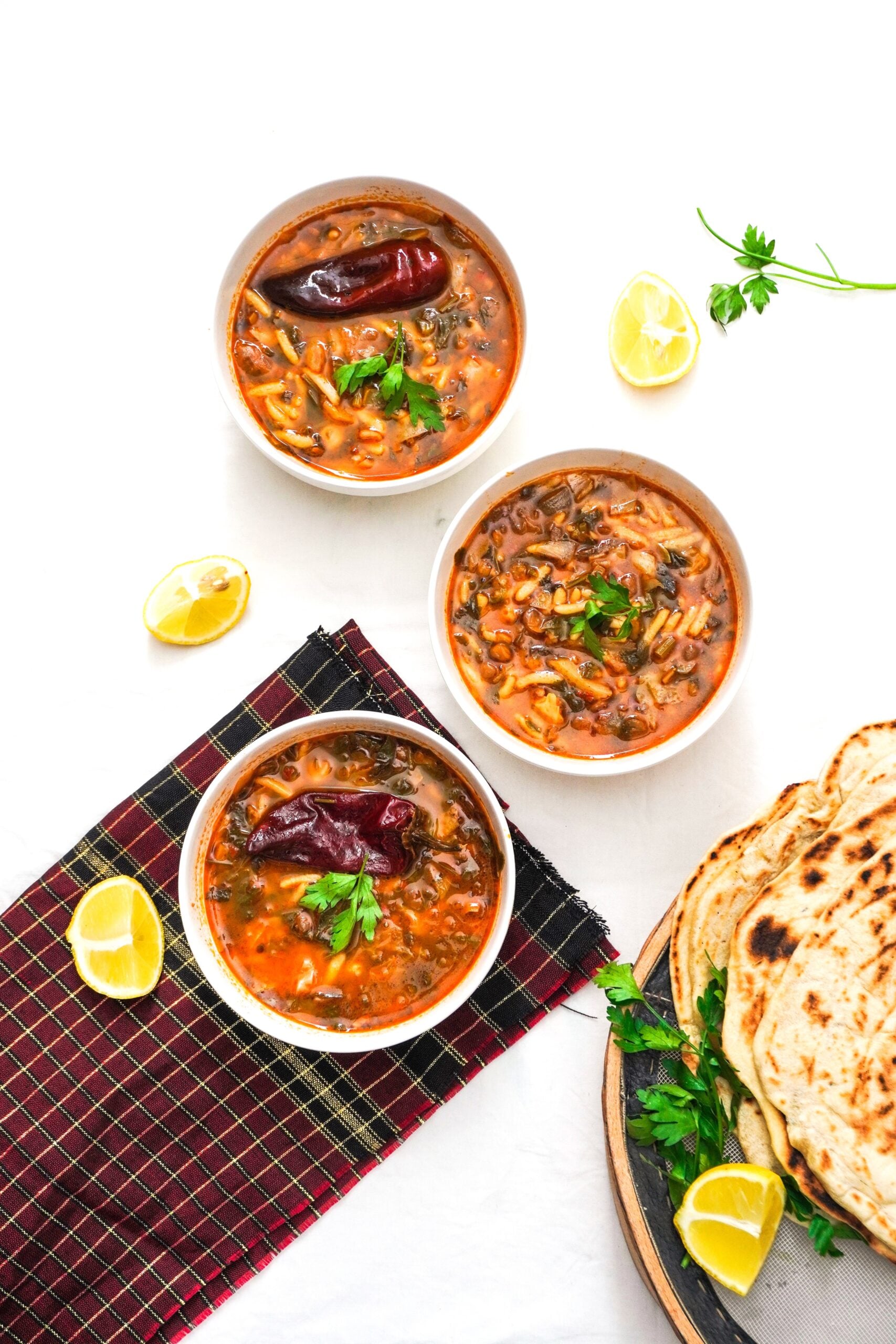
Morocco's harira is the kind of soup that eats like a full meal. It often combines tomatoes, lentils, chickpeas, herbs, and warming spices such as ginger, cinnamon, and turmeric. Many versions also include lamb or beef, though meatless harira is common too. A flour or egg mixture can be used to give the broth a slightly thicker, velvety texture.
Harira is especially associated with Ramadan, when it is frequently served to break the daily fast. Even outside that context, it makes sense as a winter soup because it layers acidity, spice, and protein in a way that feels hearty without becoming stodgy. For Canadians exploring North African flavours, it offers a very direct, satisfying introduction.
Pozole
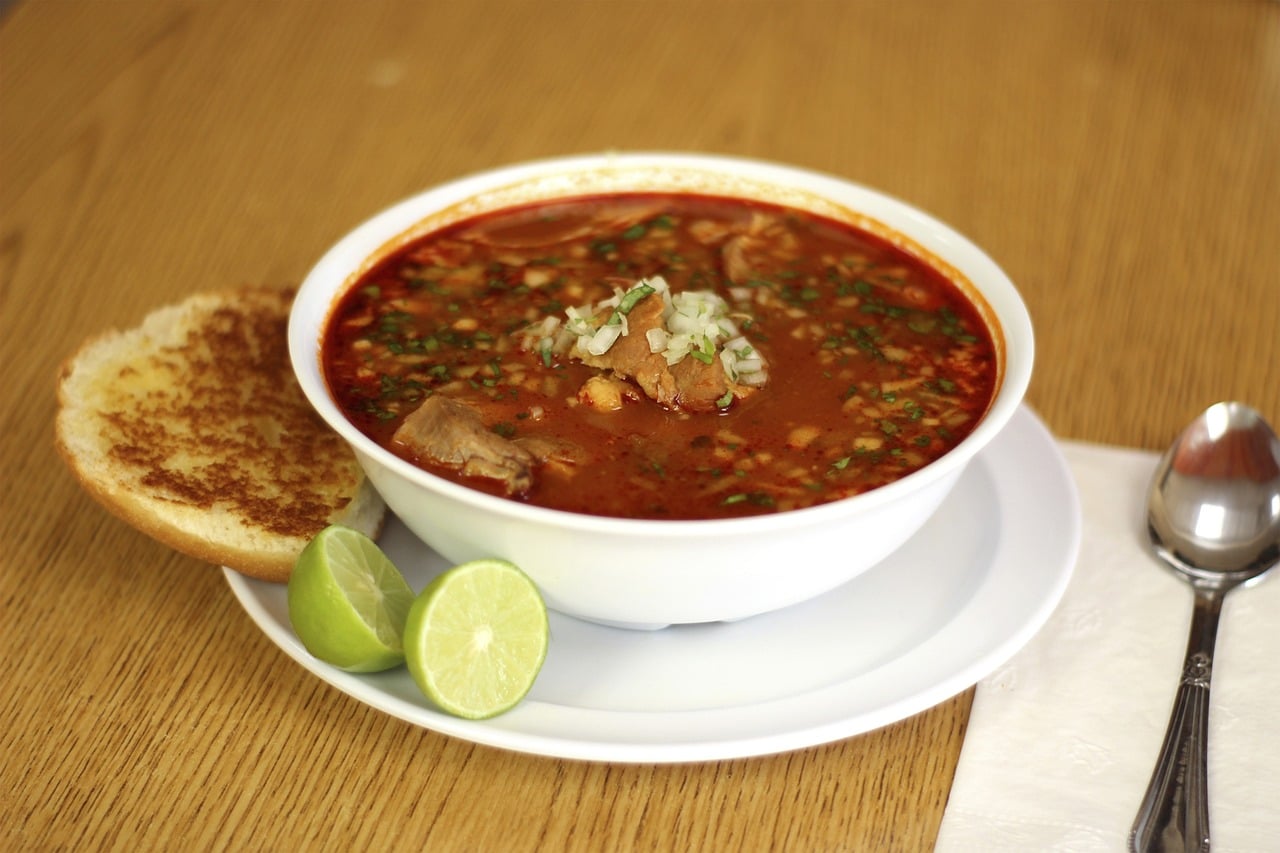
At first glance, Mexico's pozole is all about the toppings, but the heart of the dish is hominy. These dried corn kernels are treated with an alkaline solution, a process called nixtamalization, which changes their texture and flavour. In soup, hominy becomes pleasantly chewy and gives pozole a character that regular corn simply does not have.
Pozole rojo, made with red chilies, is one of the most recognized versions, often paired with pork. Bowls are then finished with garnishes like shredded cabbage, radishes, onion, lime, and oregano. That contrast between rich broth and crisp toppings helps explain why pozole feels so complete. It is warming and substantial, yet every bite still has freshness and crunch.
Ramen
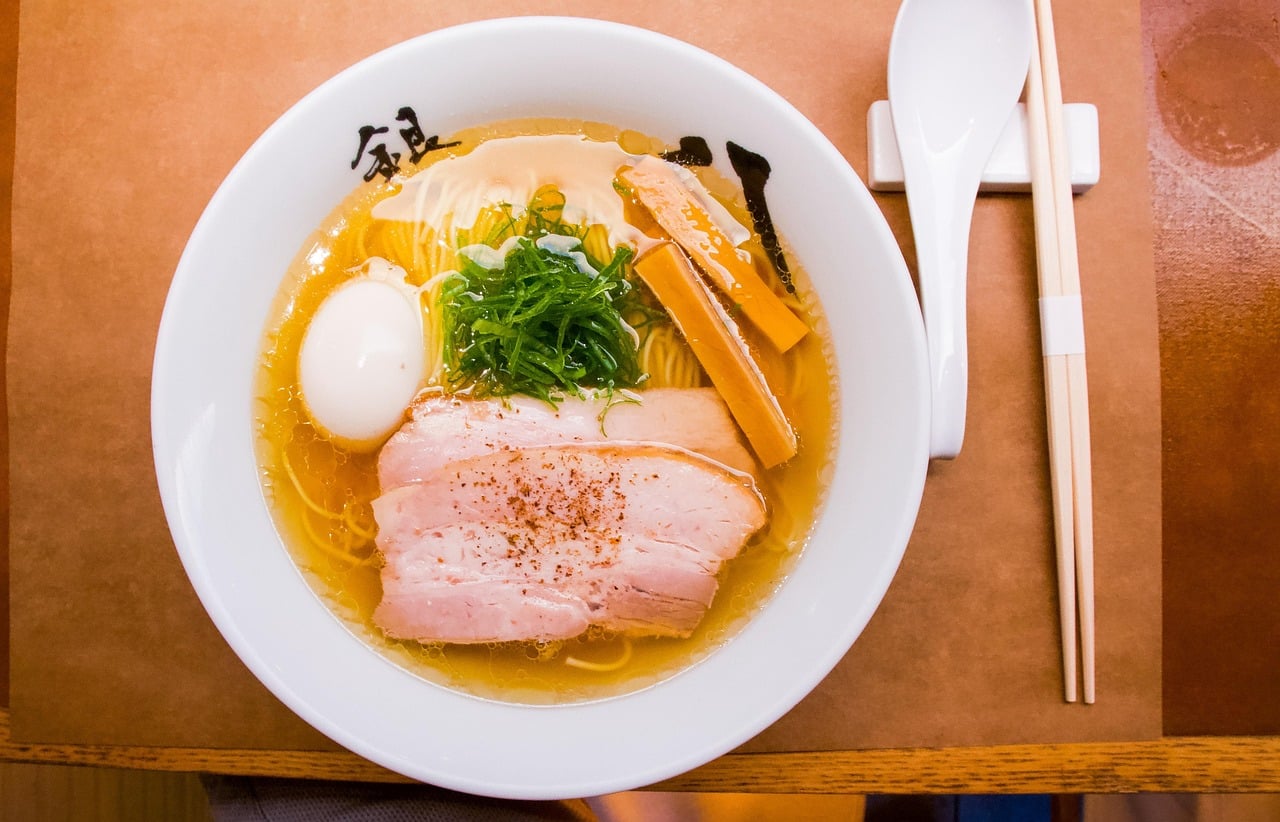
Ramen has become common in Canada, but many diners are still just beginning to understand how varied it really is. The soup is built from several distinct parts: broth, tare or seasoning base, noodles, aromatic oil, and toppings. A bowl can lean creamy and porky, clear and salty, or soy-forward and savoury depending on the style.
Shoyu ramen uses soy sauce in the seasoning base, miso ramen brings sweetness and fermented depth, and tonkotsu relies on pork bones cooked until the broth turns opaque and rich. In winter, that range matters. Ramen can match almost any craving, from something clean and restorative to something dense enough to feel like the culinary equivalent of a heavy blanket.
Solyanka
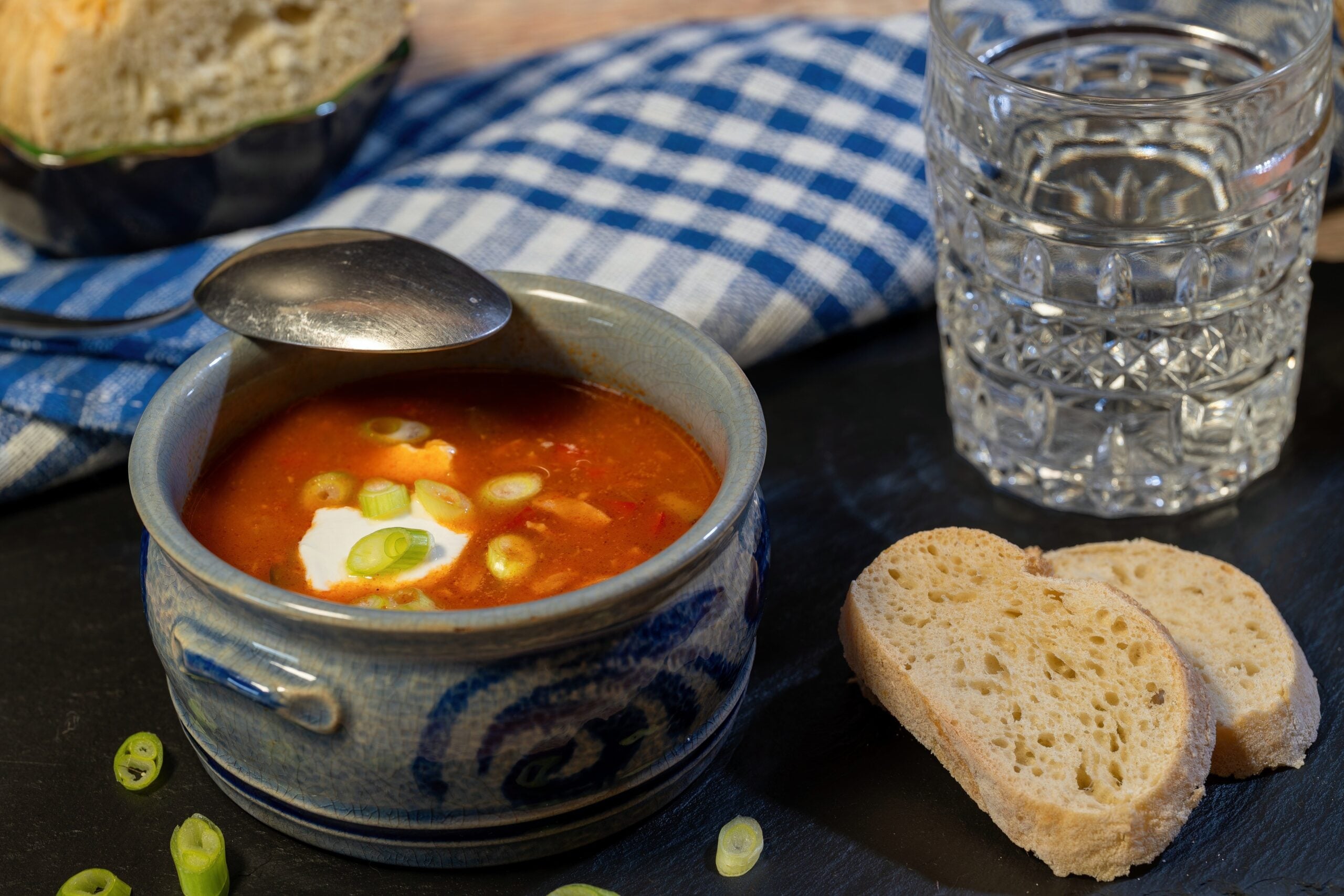
Russia and Eastern Europe offer many strong winter soups, but solyanka stands apart for its sharp, briny profile. It typically includes a mix of meats such as sausage, ham, or beef, along with pickles, olives, onions, and tomato. Lemon is often served with it, and sour cream may be added, creating a bowl that is salty, sour, and deeply savoury all at once.
That combination can be surprising if you expect a gentler broth. Solyanka is designed to be bold, and its tangy notes cut through richness in a way that keeps it lively. For Canadian soup lovers used to smoother flavours, it can feel like a new category altogether, one where acidity is just as important as stock.
Sopa de ajo
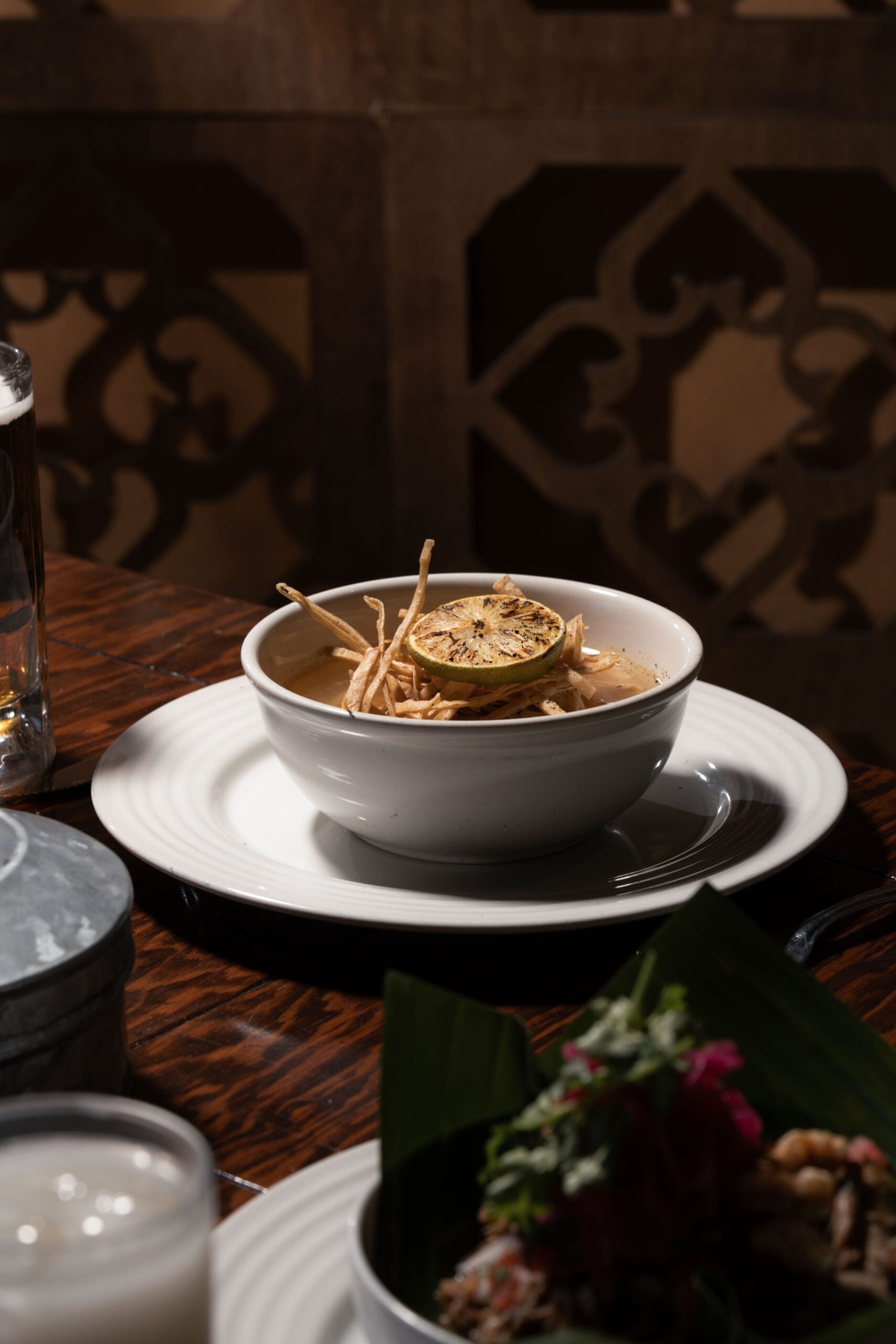
Spain's sopa de ajo, or garlic soup, is a lesson in turning pantry basics into something far greater than the ingredient list suggests. Traditional versions rely on garlic, bread, paprika, olive oil, stock, and often eggs. The bread thickens the broth as it softens, giving the soup body and making it especially practical in colder months.
Paprika does much of the flavour work here, adding colour and a gentle smokiness, while the garlic becomes mellow rather than harsh as it cooks. In some regions, cured ham is added for extra depth. For Canadians trying to stretch simple winter staples, sopa de ajo is appealing because it is economical, deeply flavoured, and tied to long-standing home cooking traditions.
Bun bo Hue
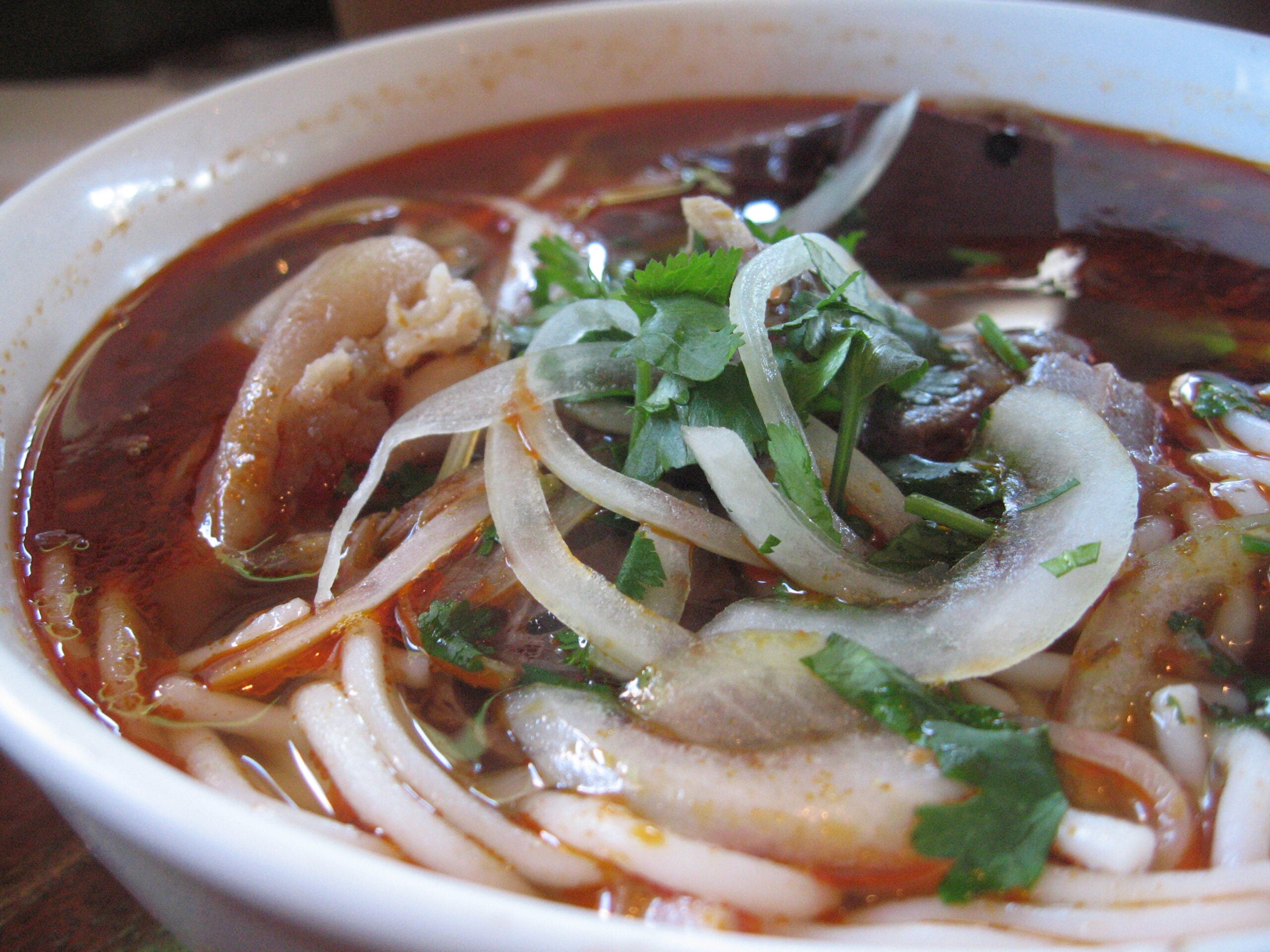
Vietnam's bun bo Hue closes this list with serious intensity. Originating in the city of Huế, this noodle soup is known for a spicy broth often built with beef bones, lemongrass, and chili. It is usually served with round rice noodles and a mix of beef cuts, creating a bowl that is both aromatic and substantial.
Compared with the gentler sweetness of pho, bun bo Hue is more forceful and layered. Fermented shrimp paste is commonly used in the broth, adding depth rather than obvious fishiness when handled well. That complexity is one reason it is gaining fans in Canada. On the coldest days, its heat, fragrance, and rich stock make it feel especially suited to winter.




Leave a Reply