
Plant-based eating is no longer limited to obvious standbys like hummus or carrot sticks. The category is expanding into snack formats that once seemed tied to dairy, meat, or eggs, and that shift is changing what people reach for between meals.
Mushroom jerky
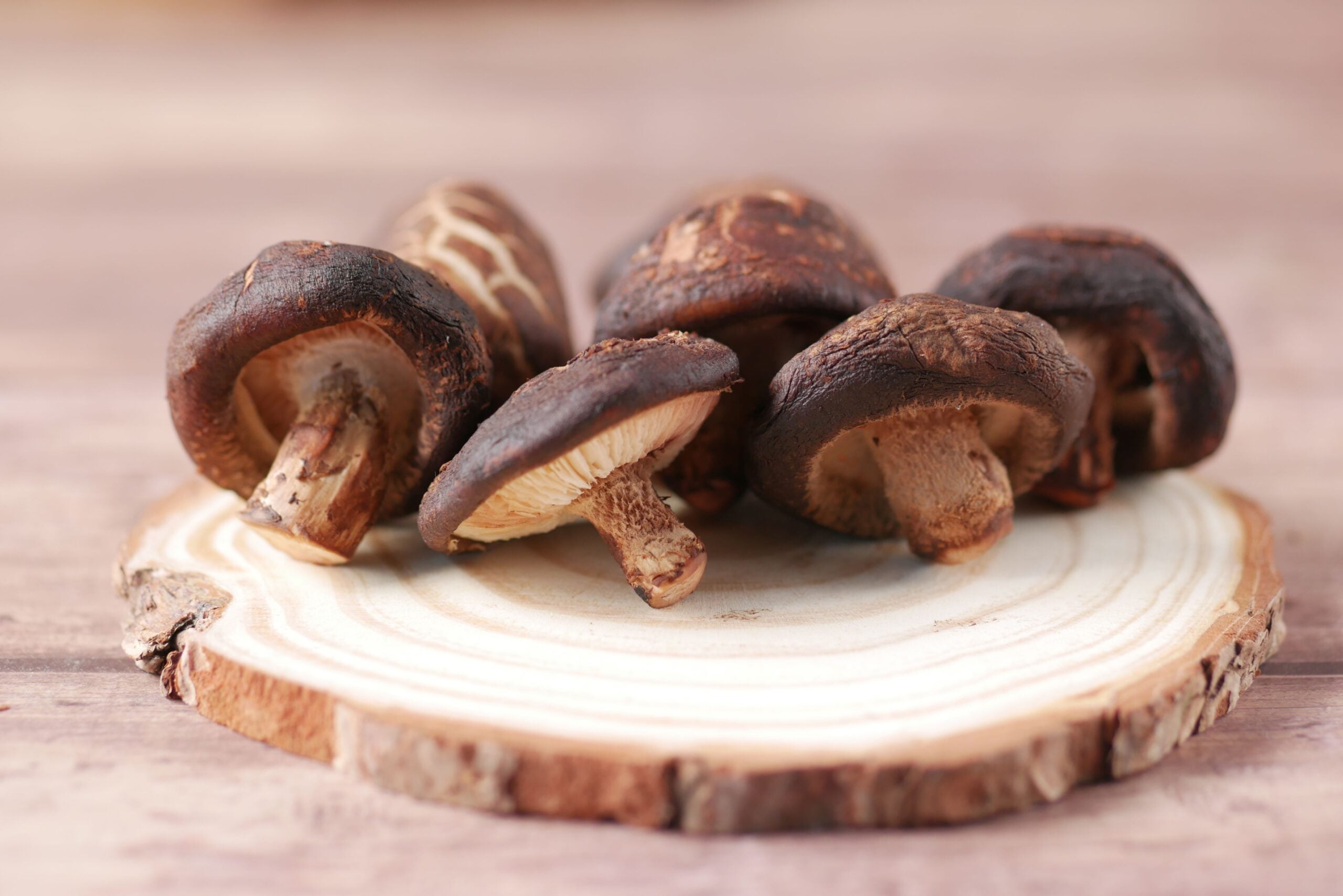
Jerky used to signal beef, smoke, and road trips. Now mushrooms are stepping into that role, bringing a chewy texture that works especially well in snack packs and convenience formats.
Many brands use shiitake mushrooms because they hold seasoning well and keep a dense bite after drying. The result is a savory snack that often leans on familiar flavors like black pepper, teriyaki, or barbecue, making it approachable even for people who are not focused on vegan eating.
What makes mushroom jerky unexpected is how closely it mirrors the experience people want from classic jerky: portability, bold seasoning, and a satisfying chew. It also reflects a wider plant-based trend, where producers are not only replacing animal ingredients but rethinking texture as the main selling point.
Roasted chickpea puffs
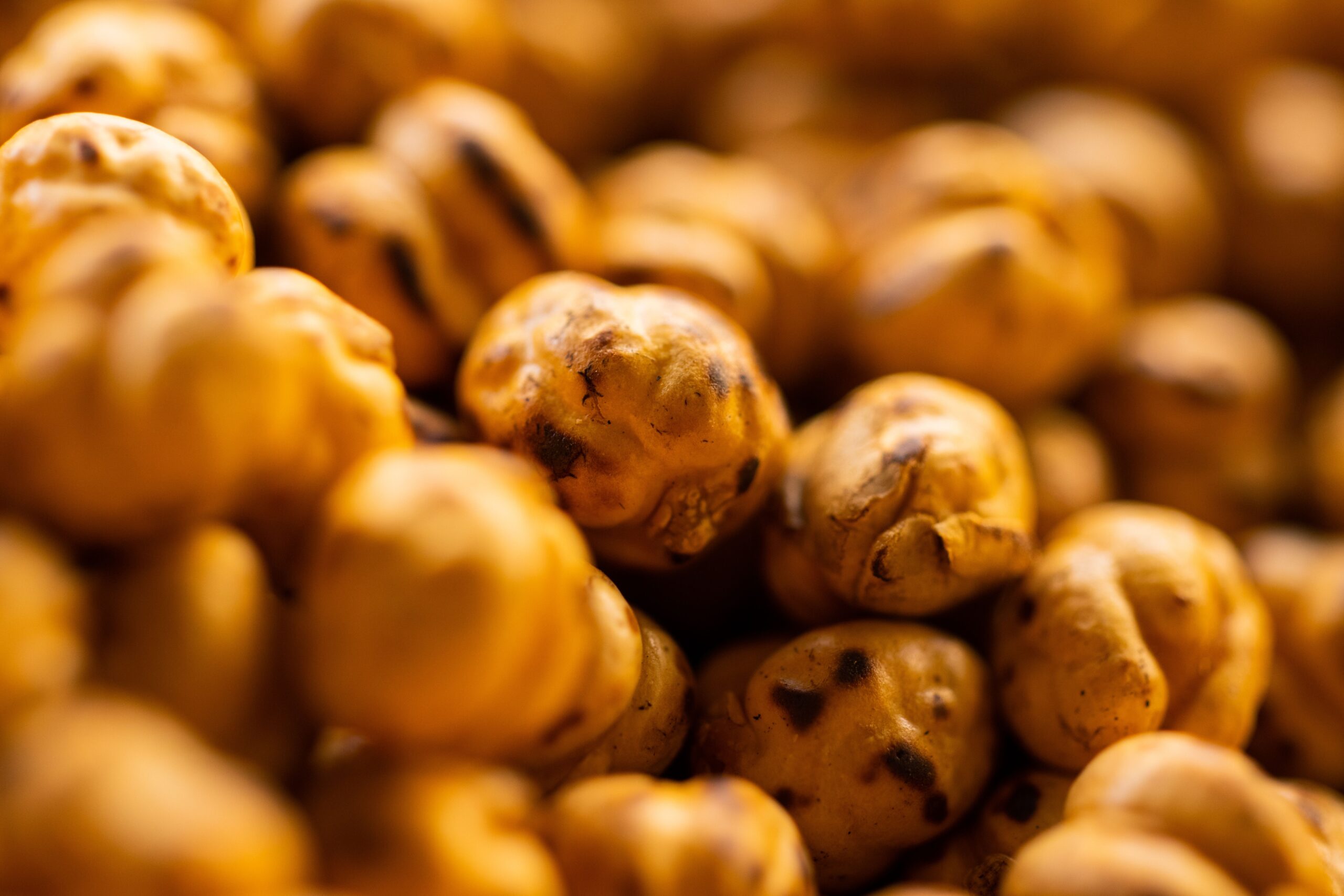
Chickpeas have been pantry basics for years, but puffed versions are giving them a second life as a crunchy, packaged snack. Instead of presenting legumes as soup or salad ingredients, brands are turning them into airy bites that compete with cheese puffs and corn snacks.
These products usually rely on chickpea flour or whole roasted chickpeas, then build flavor with seasonings like sea salt, ranch-style herb blends, or spicy chili. The familiar crunch matters because snack buyers often prioritize texture first and ingredients second.
Their rise says a lot about the plant-based shift. Consumers are not just seeking meat alternatives at dinner. They are also looking for snack foods with recognizable ingredients, some protein, and a format that still feels fun rather than overly worthy or restrictive.
Seaweed snack sheets
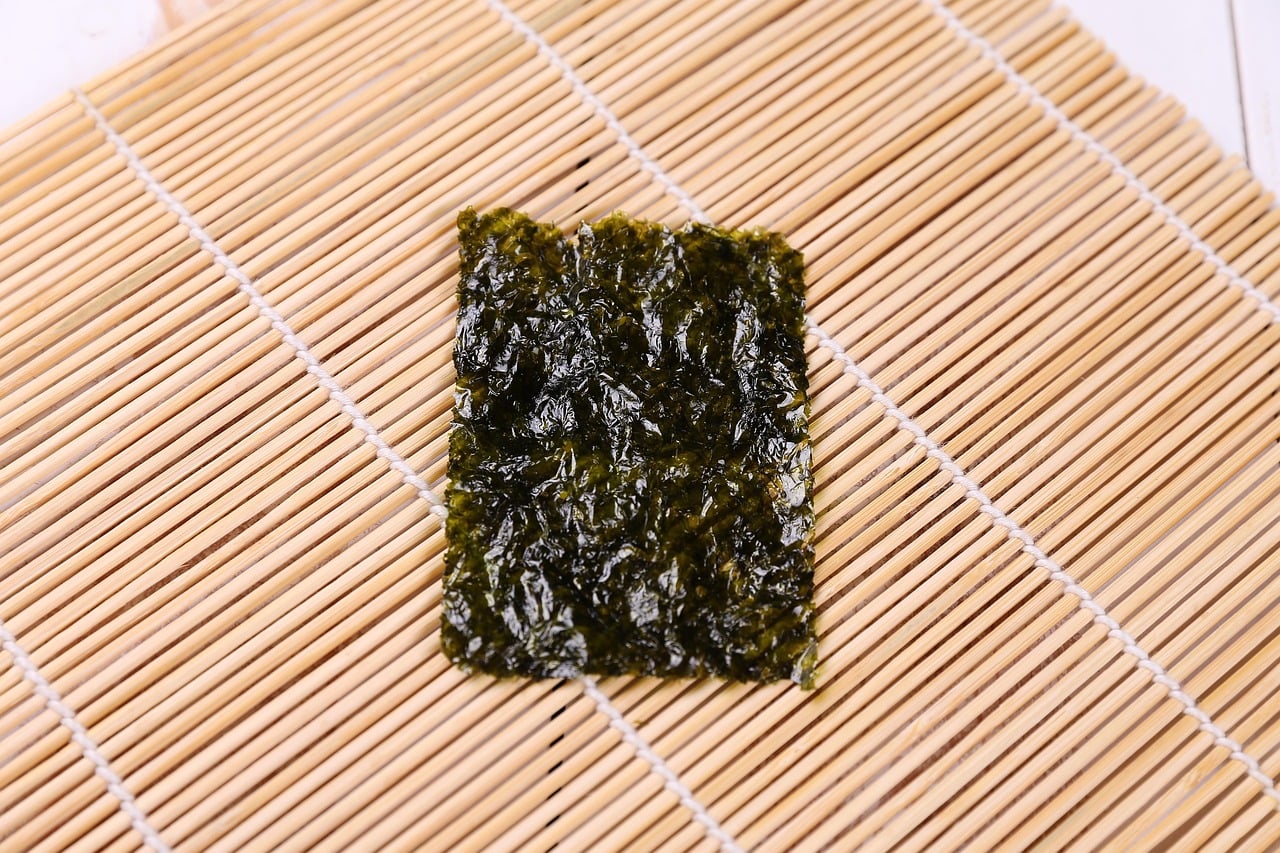
Seaweed snacks stand out because they feel light, crisp, and almost delicate compared with heavier chips or crackers. Thin roasted sheets have become a common sight in supermarkets, often sold in single-serve packs that fit lunch boxes and desk drawers.
Their appeal starts with texture but expands through flavor. A little oil and salt can make seaweed deeply savory, and some versions add wasabi, sesame, or kimchi-inspired seasoning to create more punch without much bulk.
This snack also shows how plant-based trends can overlap with global food habits. Seaweed has long been used in many East Asian cuisines, but in the broader snack market it now fills a new role: a convenient plant-forward option that feels modern, simple, and distinct from standard chips.
Seed-based cheese crackers
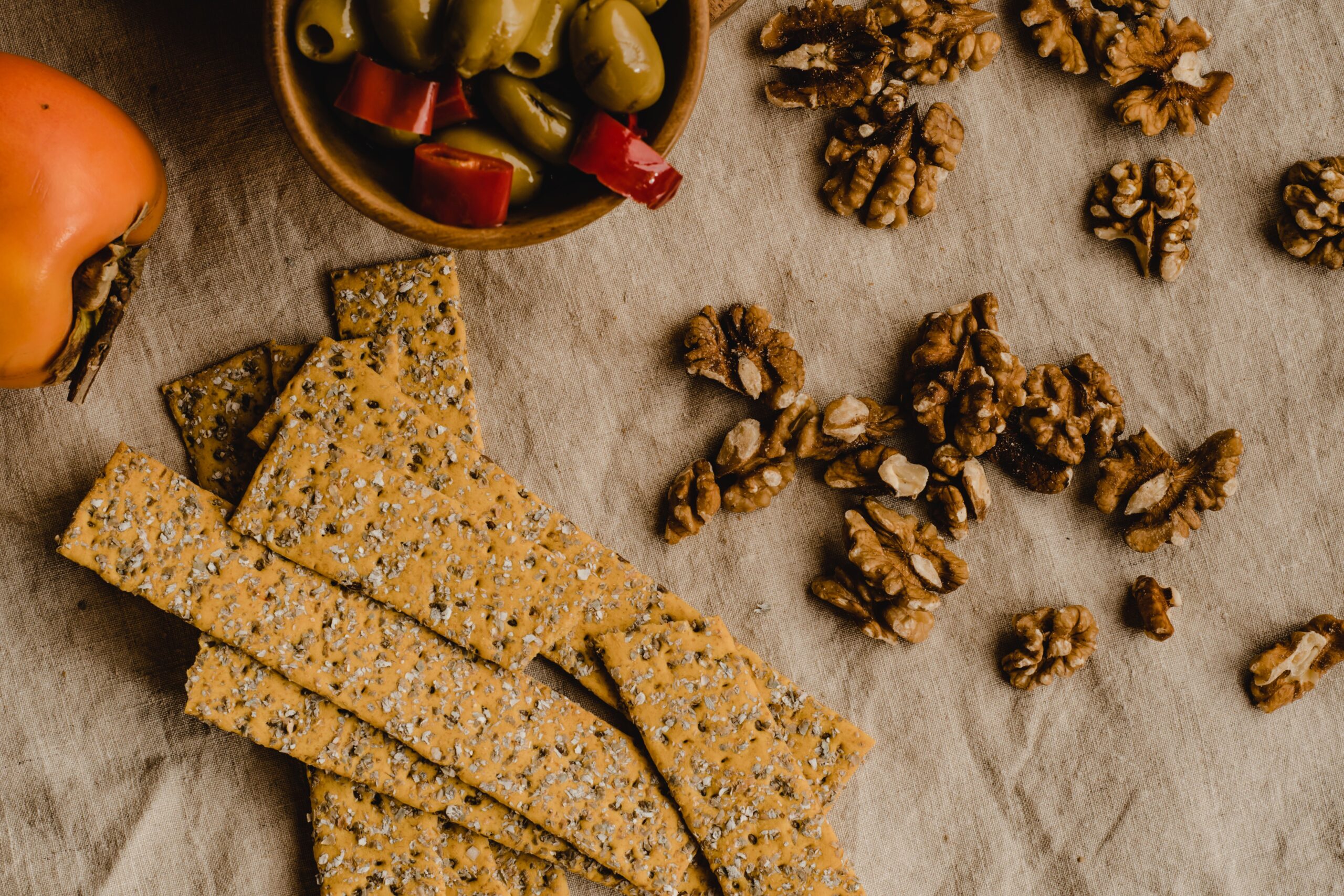
Crackers flavored like cheese are not new. What is new is the number of snacks creating that same savory, tangy profile without dairy, often using seeds, nutritional yeast, and spice blends to do the job.
Seeds such as sunflower, sesame, flax, and pumpkin are showing up in baked crackers and crisps that emphasize crunch first. Nutritional yeast, an inactive yeast known for its naturally savory taste, is often the ingredient that helps deliver the familiar cheese-like note.
These snacks are rising because they fit several consumer interests at once. They are plant-based, easy to pack, and often positioned as alternatives for people avoiding dairy. More importantly, they prove that snack satisfaction can come from flavor engineering and texture, not only from traditional cheese powder.
Cauliflower pretzel bites
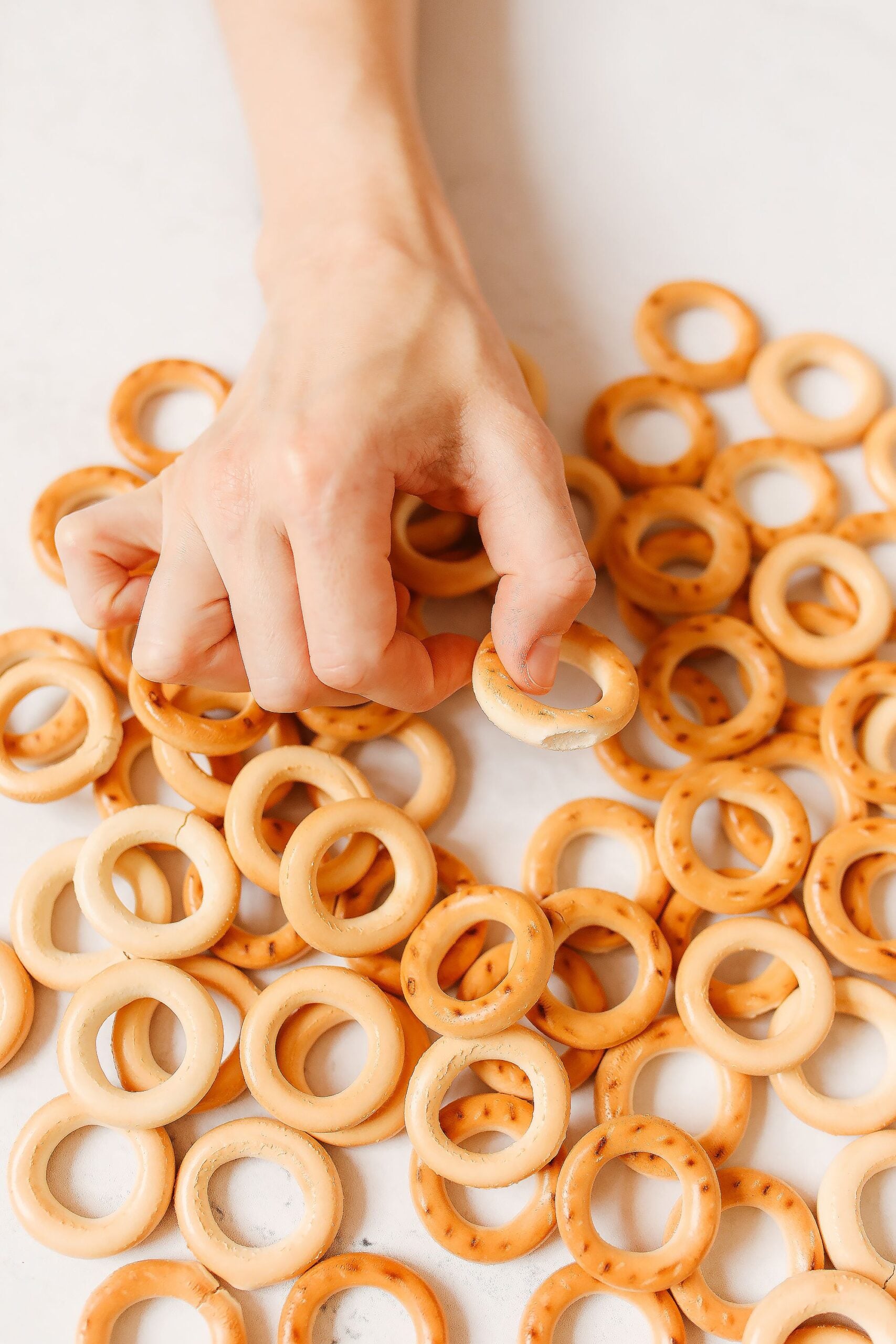
Cauliflower has already made its way into pizza crusts and rice substitutes, but pretzel bites may be one of its more surprising appearances. In this format, the vegetable is usually blended into a dough or flour mix rather than left visible in florets.
That matters because most people buying pretzel snacks are looking for a soft or crisp, salty bite, not a vegetable side dish. By using cauliflower as part of the base, brands can market a familiar snack in a way that feels aligned with plant-forward eating.
The broader story is about ingredient repositioning. Cauliflower works here not because people necessarily want to taste it strongly, but because it signals a vegetable-based formula in a category that has traditionally been built from refined flour and standard seasonings.
Coconut bacon chips
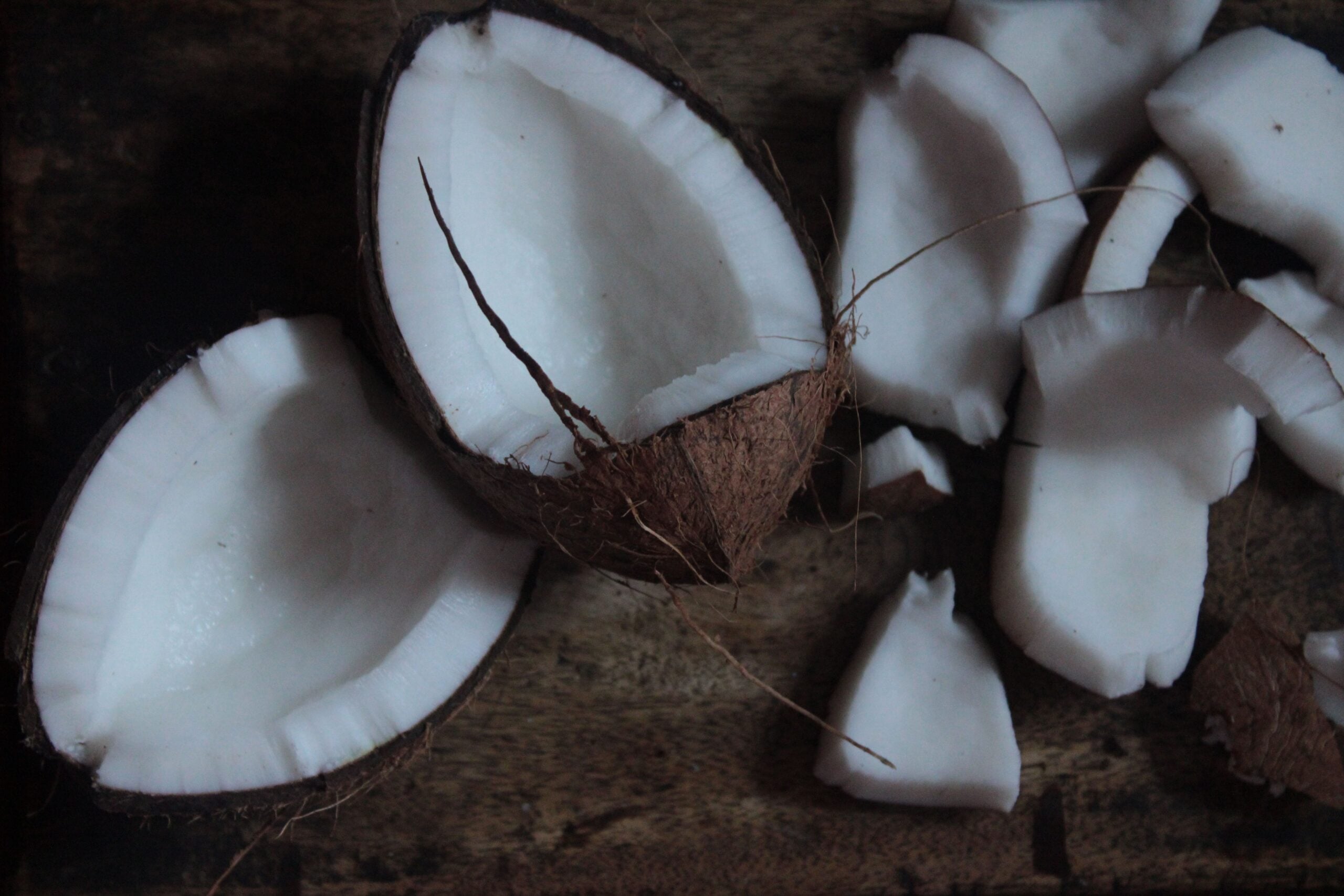
Few snack ideas sound stranger at first than bacon made from coconut. Yet thin coconut flakes seasoned with smoke, salt, and sweet or savory spices have found a place in the plant-based world as both toppings and straight-from-the-bag snacks.
The reason it works is contrast. Coconut can turn crisp in the oven or dehydrator, and once seasoned, it delivers a mix of crunch, sweetness, and smokiness that recalls bacon in a loose but appealing way.
This is a good example of plant-based creativity at its most playful. Rather than trying to perfectly copy pork, coconut bacon chips borrow the flavor cues people crave and apply them to a shelf-stable snack that feels novel, photographable, and conversation-worthy.
Watermelon seed clusters
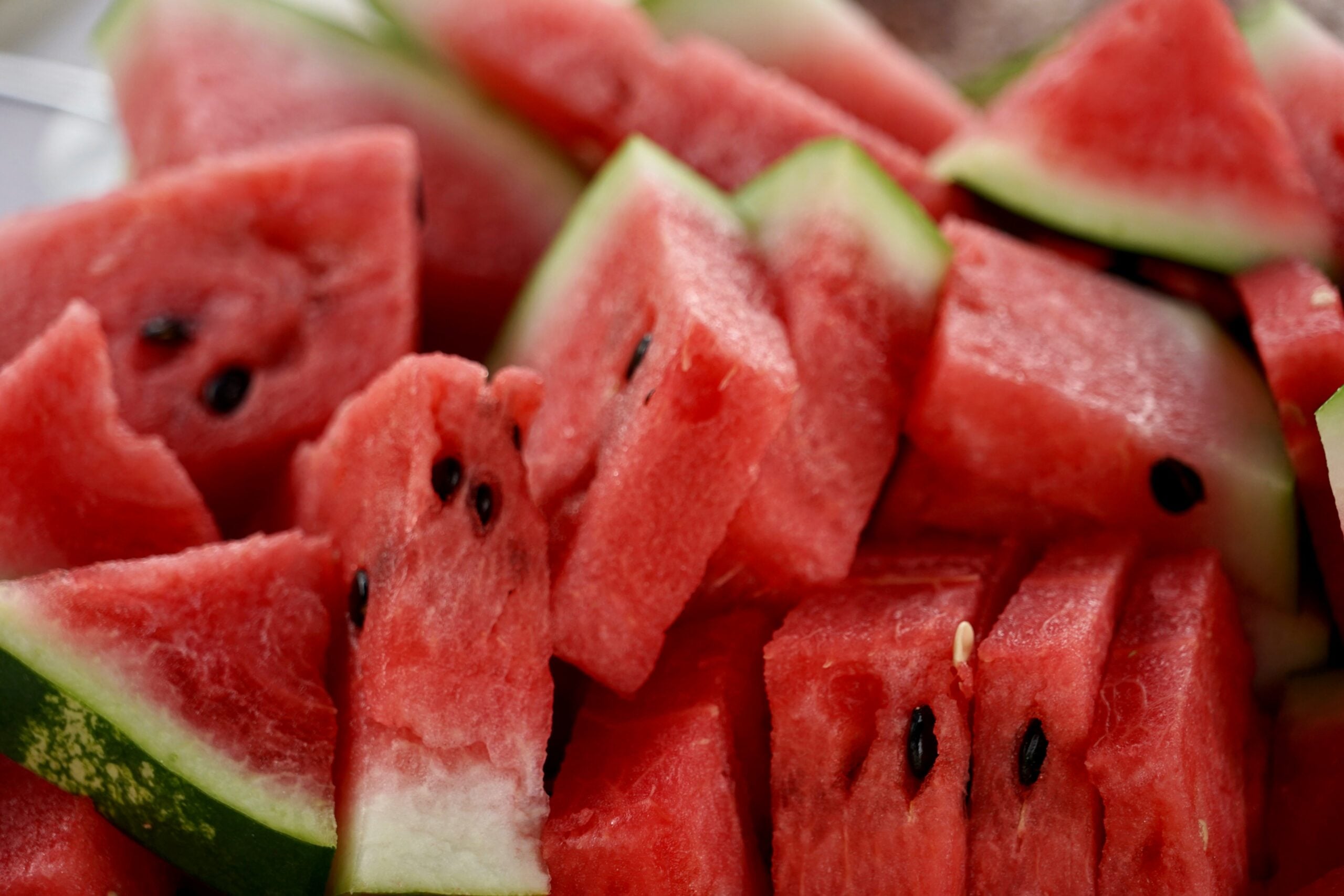
Watermelon seeds were once something many people tried to avoid. Now roasted watermelon seeds are being used in clusters and bars that turn an overlooked part of the fruit into a snack ingredient with a distinct crunch.
These seeds are often mixed with nuts, dried fruit, or syrups to create bite-size clusters. Their texture lands somewhere between pumpkin seeds and sunflower seeds, which makes them easy to pair with both sweet and savory flavors.
Their rise reflects another side of the plant-based evolution: broader curiosity about underused ingredients. Consumers are increasingly open to seeds and pulses that once sat outside mainstream snacking, especially when brands present them in familiar forms like bars, brittle, or trail mix-style bites.
Fava bean crisps
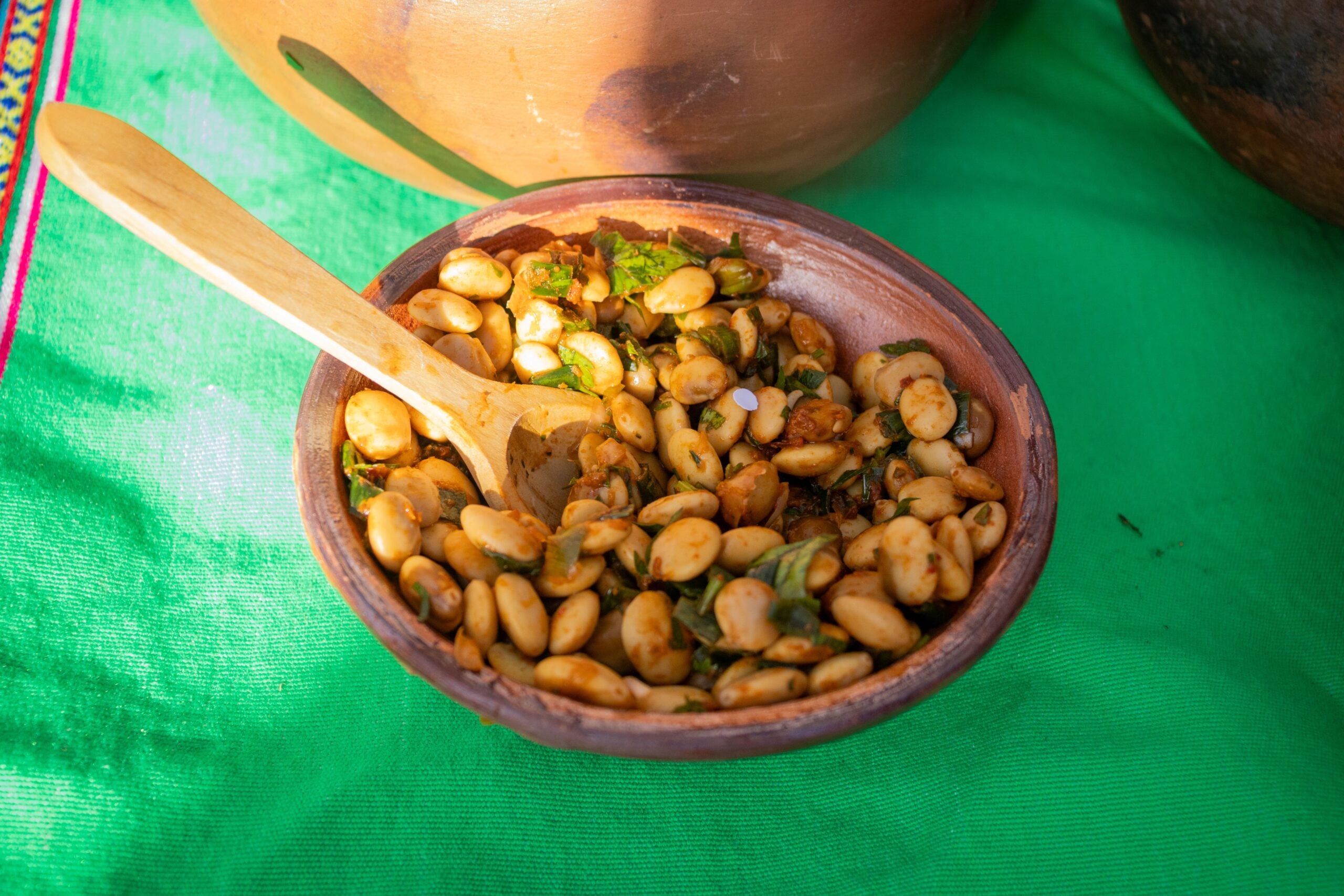
Fava beans have a long culinary history, but in the snack aisle they still feel fresh. Turned into roasted bites or airy crisps, they offer a sturdy crunch and a base that carries seasoning especially well.
Some versions highlight simple salt, while others go bigger with sriracha, dill, vinegar, or Mediterranean herb flavors. That flexibility matters, because the modern snack shelf rewards products that can move between health-focused marketing and bold taste appeal.
Fava bean crisps are unexpected mostly because the bean itself has not been a standard American snack ingredient. As plant-based eating broadens, however, more legumes are being introduced through snack foods first, where curiosity is easier to satisfy than in a full meal setting.
Fruit leather with vegetables
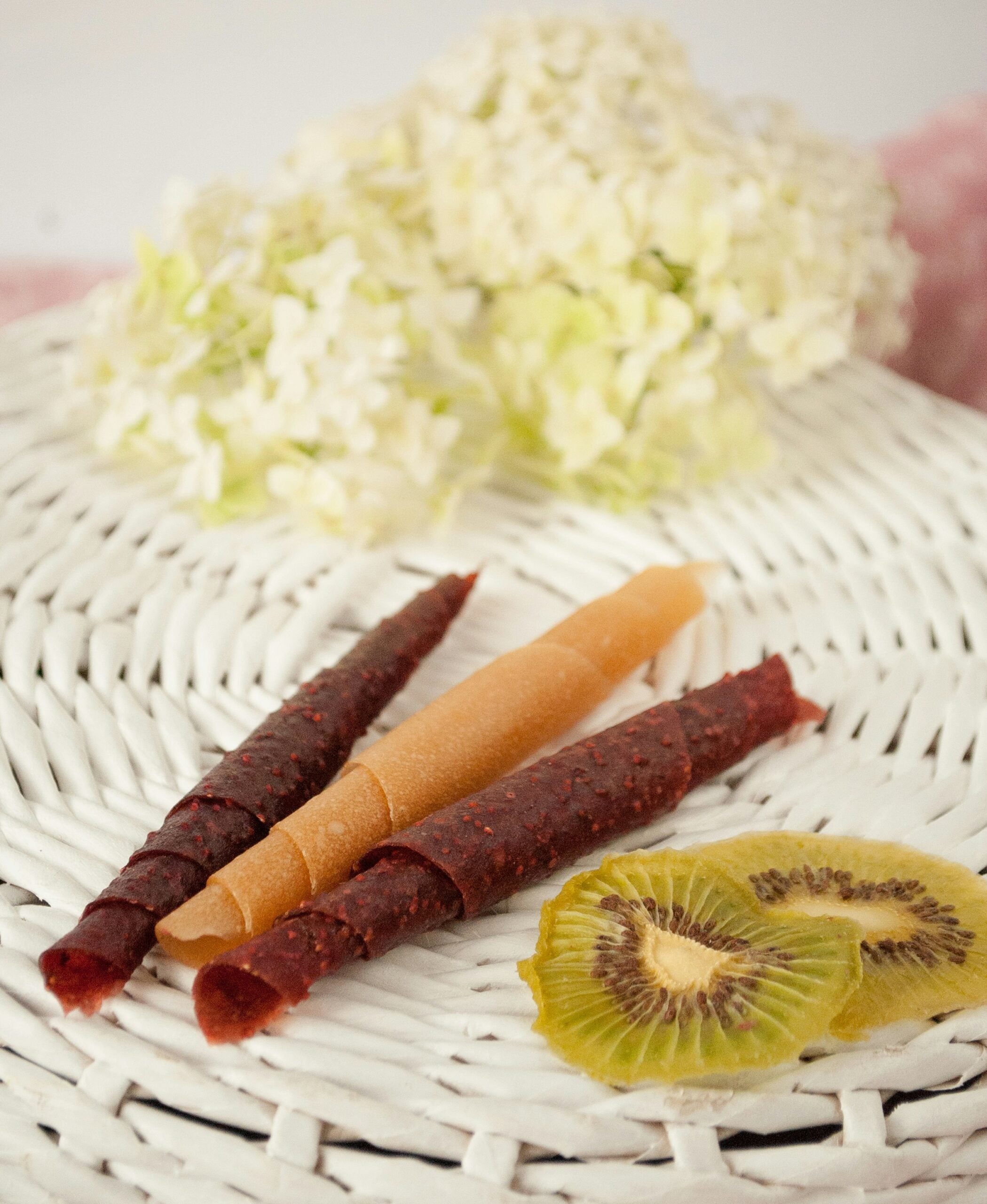
Fruit leather has been around for years, but newer versions are blending fruit with vegetables like sweet potato, carrot, spinach, or beet. That combination lets brands keep the familiar chewy sweetness while broadening the ingredient story.
In many cases, the fruit still leads the flavor, with apple, strawberry, or mango doing the heavy lifting. The vegetables tend to support color, texture, or nutritional positioning rather than dominate the taste, which helps the snack stay kid-friendly and lunch-box ready.
This category is a fitting end point for the plant-based shift because it shows how subtle the change can be. Not every rising snack needs to imitate meat or cheese directly. Sometimes the innovation is simply weaving more plants into products people already know and enjoy.



Leave a Reply