
Ordering at a restaurant can feel like a simple, practical choice, but other people often read far more into it than you realize. The dish you pick, the substitutions you request, and even whether you order first can quietly shape impressions at the table. This gallery breaks down nine common ordering habits and what they may be signaling, whether you mean to send that message or not.
Ordering the house specialty makes you seem trusting

Some people study a menu like a contract. Others go straight for the dish the restaurant is known for. When you order the house specialty, it can make you look open-minded and comfortable letting experts lead the way.
That impression is not random. Chefs often design signature dishes to represent the kitchen's strengths, so choosing one suggests confidence in the restaurant and less need to control every detail. To other diners, that can read as relaxed, practical, and easy to please.
It also sends a social signal. You appear interested in the experience rather than just feeding yourself, which often comes across as culturally curious and willing to play along with the setting.
Asking for many substitutions can make you seem high-control
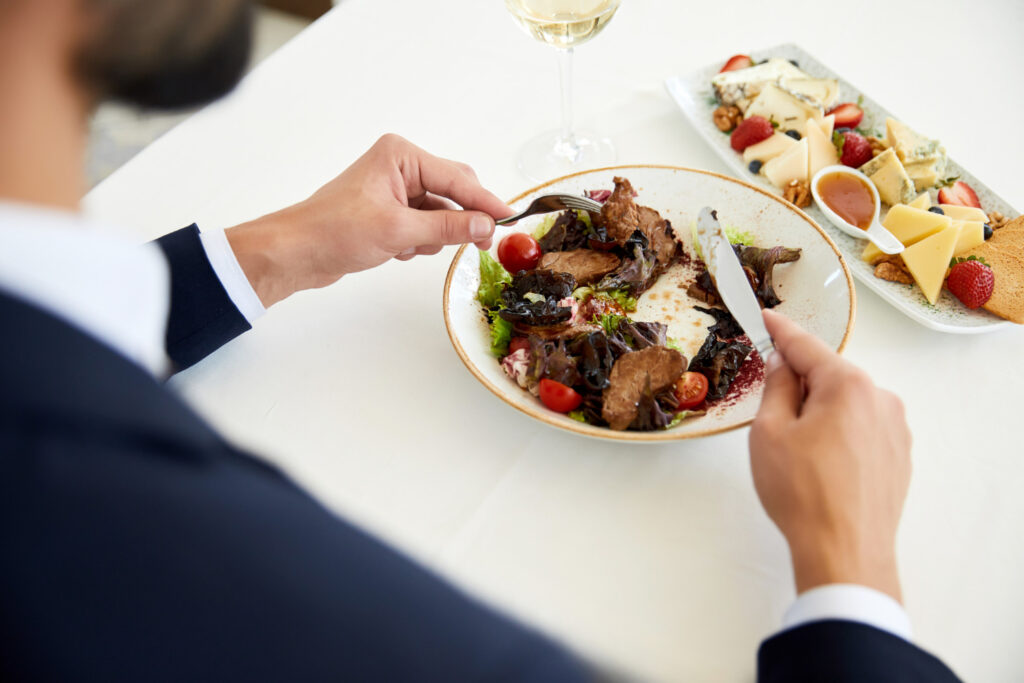
A few tweaks are normal. A long chain of swaps, sauces on the side, and very specific instructions can create a very different impression. Even if your reasons are sensible, other people may read that order as a sign that you like things exactly your way.
In social settings, highly customized orders can signal vigilance, anxiety about uncertainty, or a strong preference for control. Restaurants are structured environments, so when someone reshapes the menu heavily, it stands out more than it would at home.
That does not mean the impression is always negative. To some people, it suggests assertiveness and self-knowledge. But in a group, it can also make you seem demanding, especially if the order slows things down or creates visible complications.
Choosing the cheapest item can make you seem budget-conscious
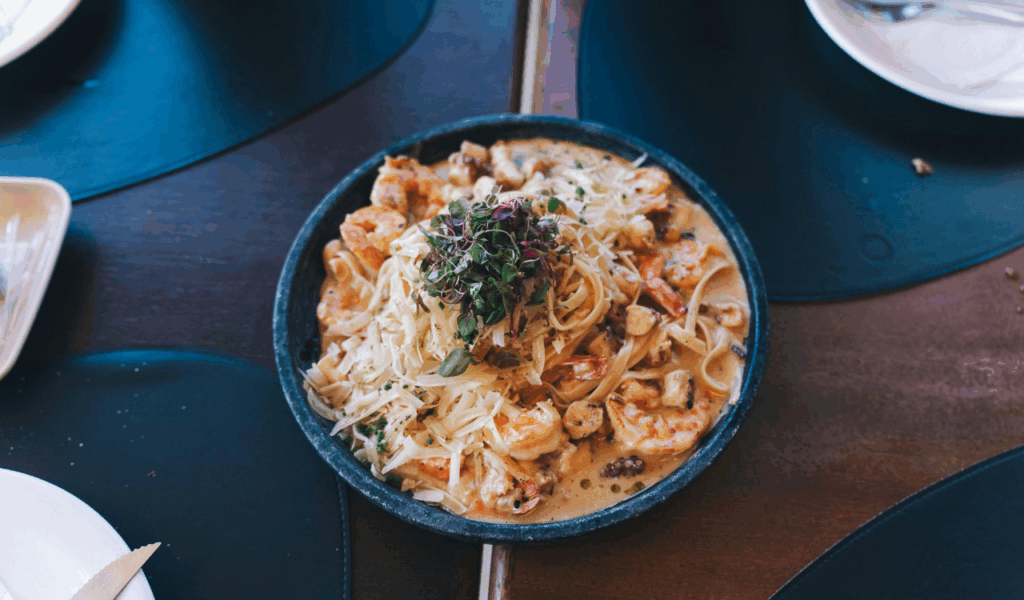
There is nothing strange about watching your spending, especially with restaurant prices where they are now. Still, when someone picks the least expensive item on the menu, people often notice, and they may assume money is top of mind.
That can read in several ways. You might seem disciplined, practical, and not easily seduced by flashy options. In some contexts, especially business meals or dates, it can also make others wonder whether you are trying not to impose or whether the meal feels financially uncomfortable.
The wider setting matters. If everyone else is ordering freely and you stay very cautious, the contrast becomes part of the signal. What looks modest in one group can look restrained, self-conscious, or exceptionally thoughtful in another.
Ordering the most expensive dish can make you seem status-aware
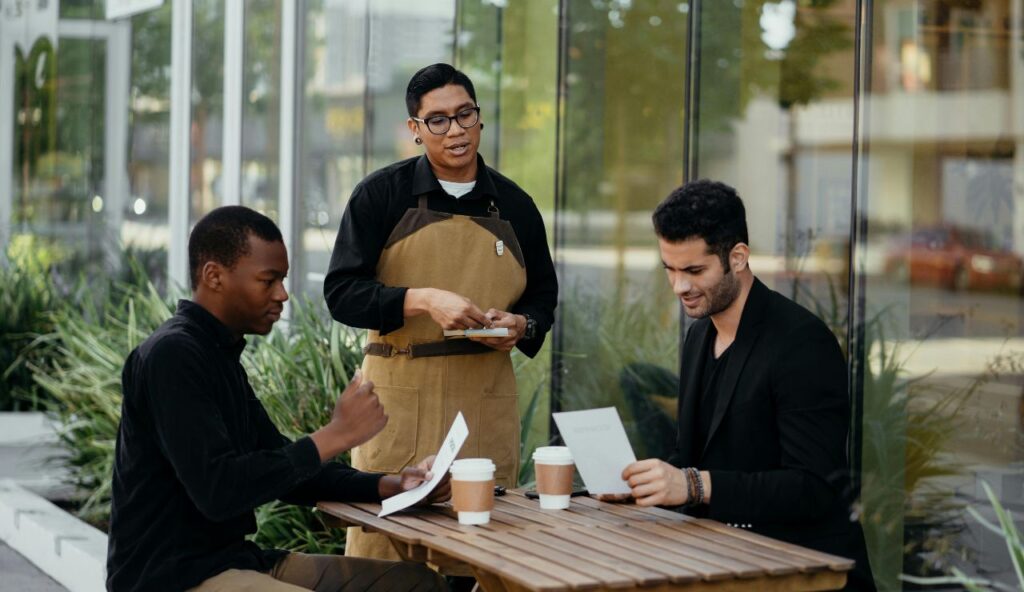
The priciest steak or seafood tower rarely reads as an invisible choice. When you order the top-ticket item, people may see confidence, appetite, and a taste for indulgence. They may also read something else entirely: that you care about signaling abundance.
Behavior experts have long noted that food choices can function as social markers. Expensive dishes often carry associations with celebration, reward, and prestige, so choosing them can make you seem status-conscious, even if you simply wanted the rib-eye.
Context shapes the story. If the table is celebrating, your order may seem festive and generous. If it is a first date or a company dinner, it may suggest boldness, entitlement, or comfort with hierarchy, depending on who is watching.
Picking a very healthy dish can make you seem disciplined
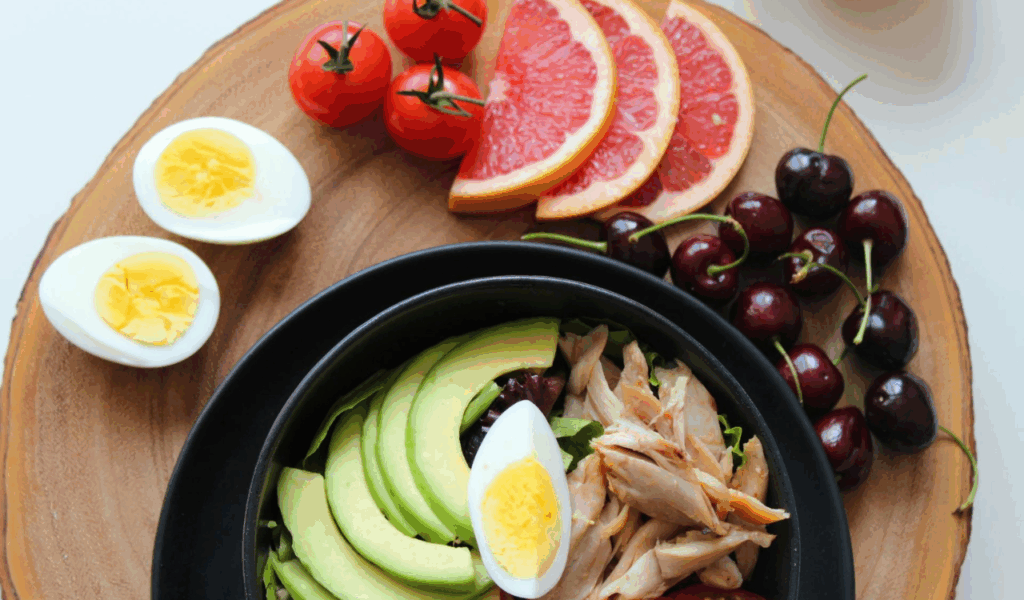
A grilled fish, dressing on the side, and sparkling water can project a powerful image before you say much at all. To many people, that kind of order signals self-control, routine, and a strong sense of personal standards.
Food researchers have found that diners often make character judgments based on so-called virtuous foods. Lighter meals are frequently associated with conscientiousness, future-minded thinking, and lifestyle discipline. In everyday terms, people may simply decide you are organized.
There is a flip side. In some social settings, a very careful order can make others feel observed, even if you are not judging anyone. That is why the same salad can read as admirable restraint to one person and quiet intensity to another.
Going for comfort food can make you seem approachable
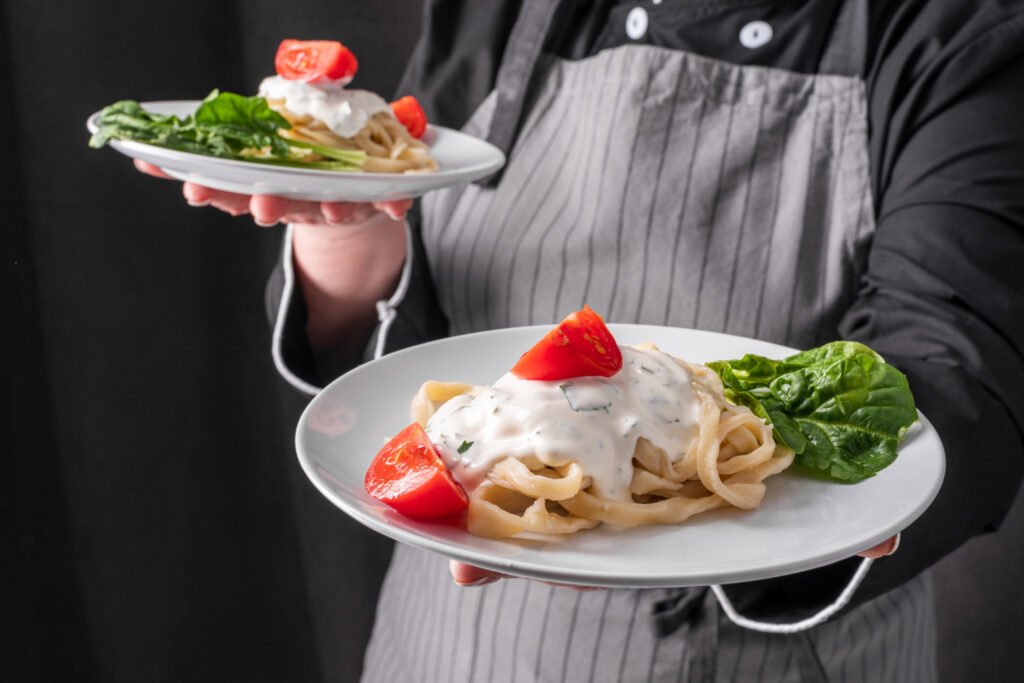
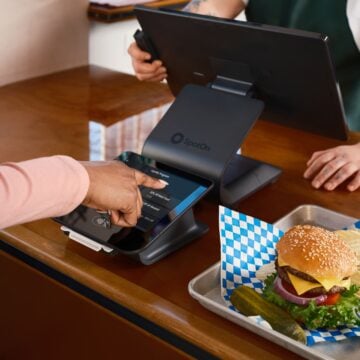
There is something instantly readable about ordering mashed potatoes, pasta, fried chicken, or a burger. Comfort food tends to give off a familiar, no-performance energy, and that often makes the person ordering it seem warm and easy to be around.
Psychologists have linked comfort foods with familiarity, nostalgia, and emotional grounding. When you choose them in a restaurant, people may assume you value pleasure, stability, and the simple satisfaction of eating something deeply recognizable.
That choice can also soften the mood at a table. Instead of signaling experimentation or image management, it suggests you are there to enjoy yourself. In group settings, that often translates into a more casual, friendly, and emotionally accessible impression.
Trying the most unusual dish can make you seem adventurous
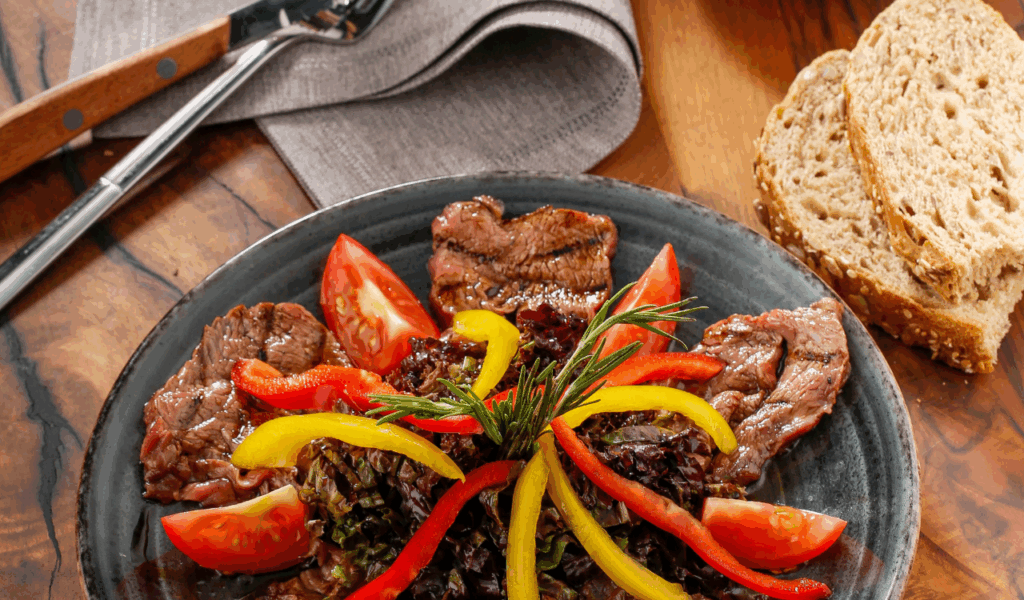
When someone ignores the safe options and orders the ingredient nobody else can pronounce, the table usually takes note. That choice often broadcasts curiosity, confidence, and a willingness to enter unfamiliar territory without much hesitation.
Novel food choices are frequently tied to sensation-seeking and openness to experience, two traits people associate with adventurous personalities. In plain terms, unusual orders can make you seem well-traveled, culturally interested, or just less afraid of being surprised.
Of course, there is a social edge to it too. To some diners, that order reads as bold and interesting. To others, it can feel performative if it seems designed to attract attention rather than reflect genuine interest in the menu.
Letting everyone else order first can make you seem cautious
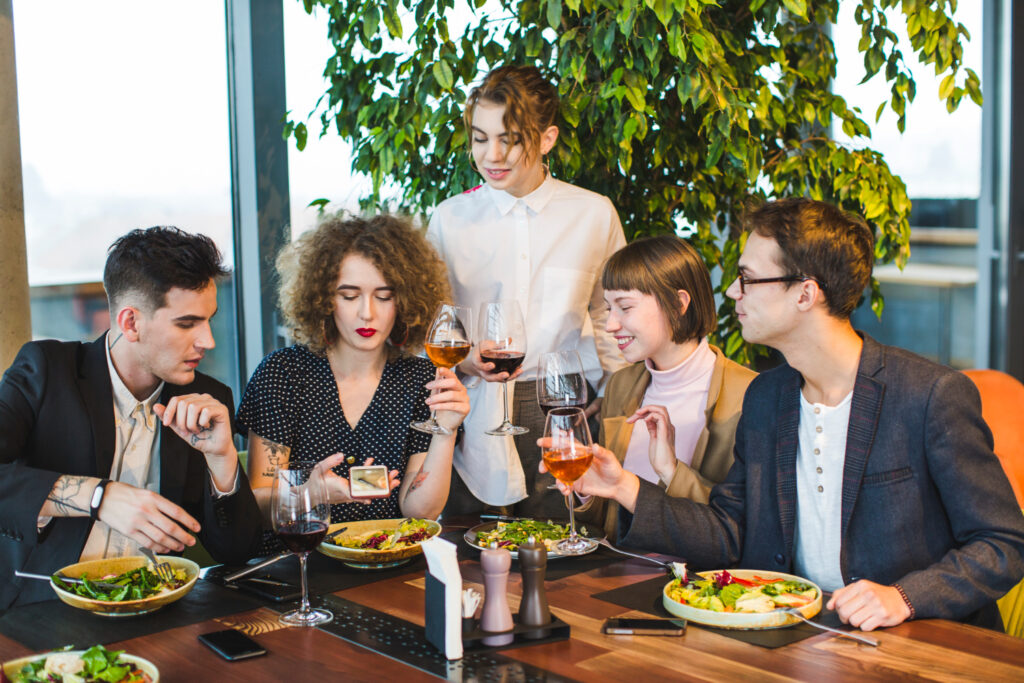
Hesitating when the server arrives is common, but consistently wanting everyone else to go first sends a subtle message. People often interpret that pause as caution, social awareness, or a desire to read the room before committing.
In group dynamics, ordering later can suggest flexibility and politeness because you are giving others space. It can also imply uncertainty, especially if you seem to be adjusting your choice based on what the table is doing. That is where the impression shifts from considerate to hesitant.
Many diners do this for practical reasons, like wanting more time or avoiding duplicate dishes. Still, from the outside, it can look like you prefer consensus, dislike standing out, or are carefully managing how your choice will be perceived.
Skipping dessert can make you seem restrained
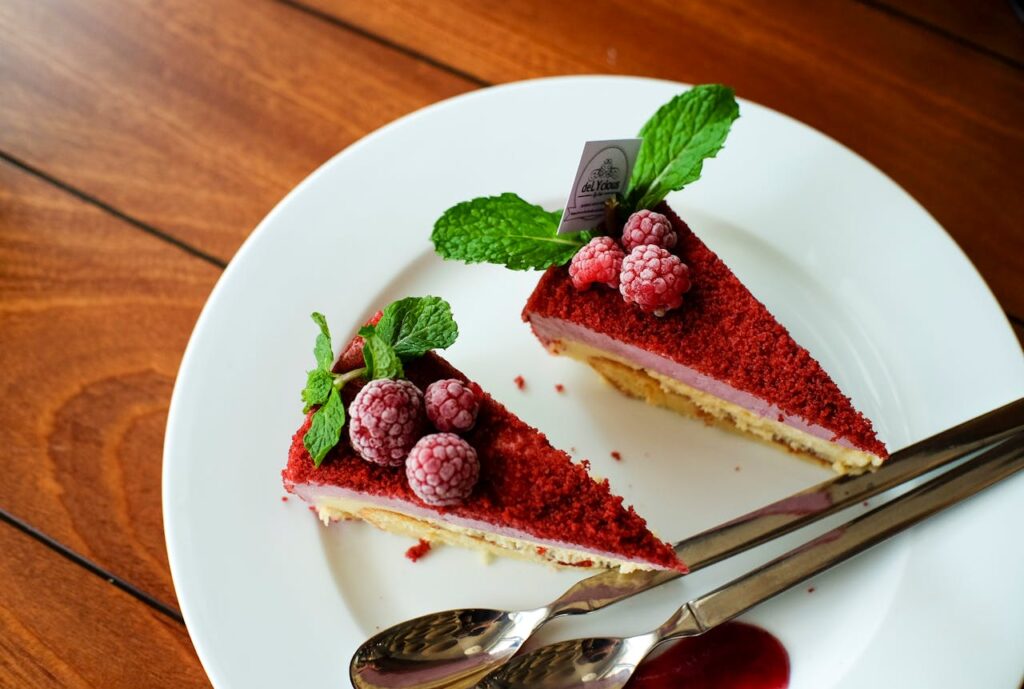
Dessert is rarely just dessert in a restaurant. It often marks celebration, spontaneity, or the decision to extend the night a little longer. When you pass on it, people may see restraint more than simple fullness.
That impression comes from the role dessert plays in dining culture. Saying no can signal discipline, health goals, budget awareness, or a practical urge to end the meal cleanly. To other people, it may look like you resist impulse well and do not need every available pleasure.
Still, social meaning depends on tone. If you skip dessert casually, it reads as balanced. If you decline while discussing sugar, calories, or cost in detail, the signal becomes stronger and may make you seem highly controlled or unusually self-monitoring.



Leave a Reply