
Living alone sounds like total freedom, especially in the kitchen. Then reality shows up in the form of wilted spinach, random snack dinners, and the sudden pressure of deciding what to eat every single day. These are the eating habit shifts that often sneak up on first-time solo dwellers, and why they happen more often than people admit.
You start building meals around convenience
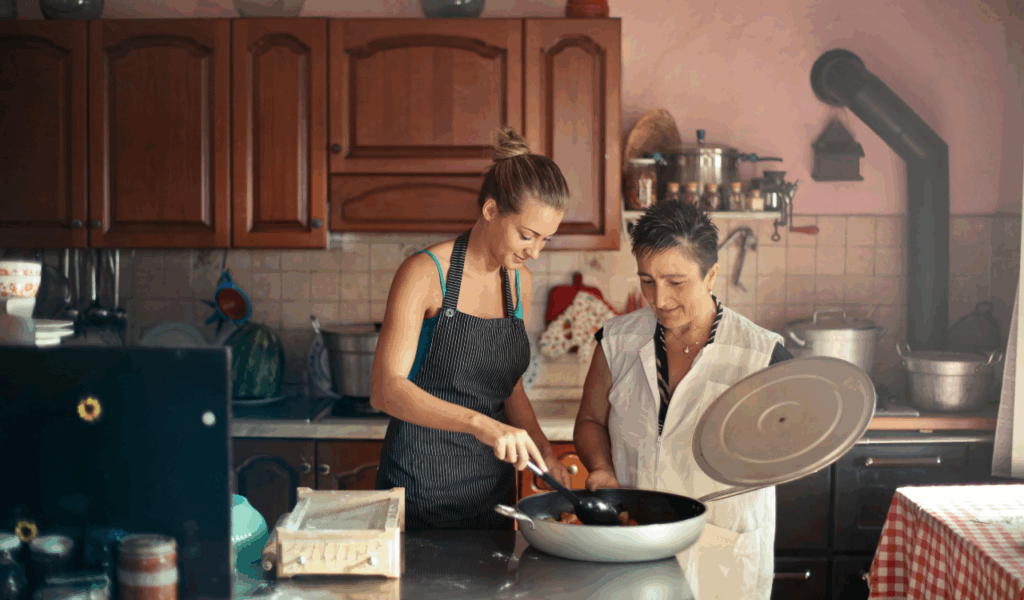
Freedom in the kitchen quickly turns into a time calculation. When no one else is waiting on dinner, it becomes much easier to ask whether a full meal is really worth the effort, especially after work or school. That is why convenience foods, rotisserie chicken, frozen meals, and pre-cut produce suddenly look less lazy and more logical.
Researchers have long noted that people living alone often spend less time preparing meals from scratch. The reason is simple: cooking for one can feel inefficient, and cleanup takes almost as long as the meal itself. Over time, your eating habits begin to favor whatever gets food on the table fastest, not necessarily what felt normal in a shared household.
Your grocery cart stops making sense to anyone else
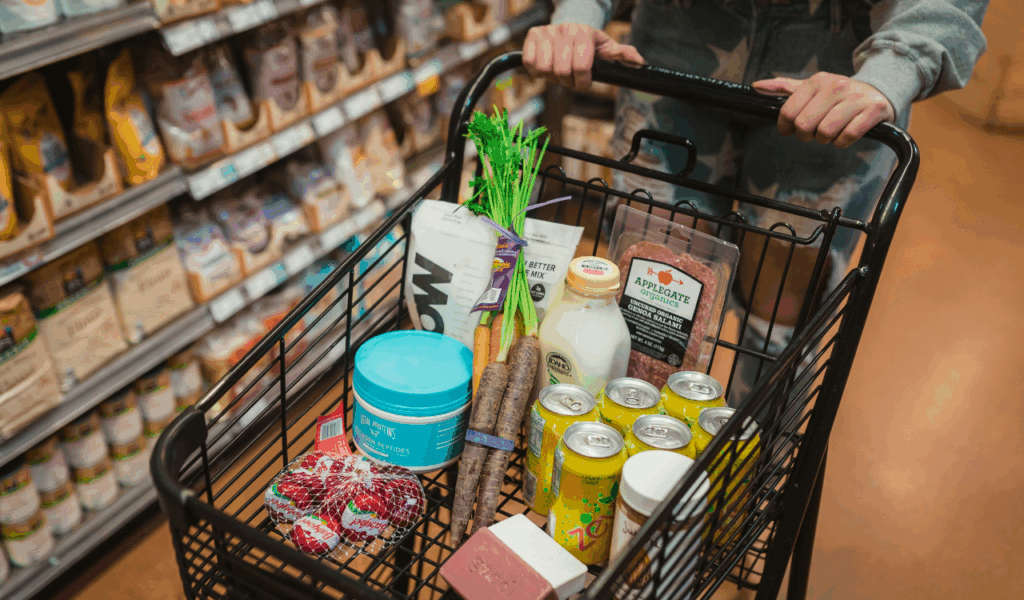
Shopping for one has a strange learning curve. At first, you buy like you still live with other people, then realize halfway through the week that one loaf of bread, a giant tub of lettuce, and a family-size pack of chicken was a bad idea. Solo grocery shopping forces you to rethink quantity in a way most people have never practiced.
This is partly because many supermarkets still package food for families, not individuals. Fresh produce, dairy, and proteins often come in amounts that are hard to finish before quality drops. The result is a cart full of oddly specific items, repeat purchases of small indulgences, and a growing respect for foods that can survive a week without going bad.
Food waste suddenly feels personal

Nothing teaches portion awareness faster than throwing away food you paid for yourself. When you live alone, spoiled herbs, forgotten leftovers, and limp vegetables are no longer household background noise. They become visible proof that your planning and your appetite did not line up.
This shift matters because waste is often tied to the mismatch between store portions and solo eating patterns. Fresh items expire before they can be used, especially if plans change or motivation disappears. Many first-time solo residents respond by buying fewer ingredients, repeating the same meals, or relying more heavily on frozen and shelf-stable foods. It is not always exciting, but it is a practical adjustment that happens fast.
Dinner stops feeling like a fixed event
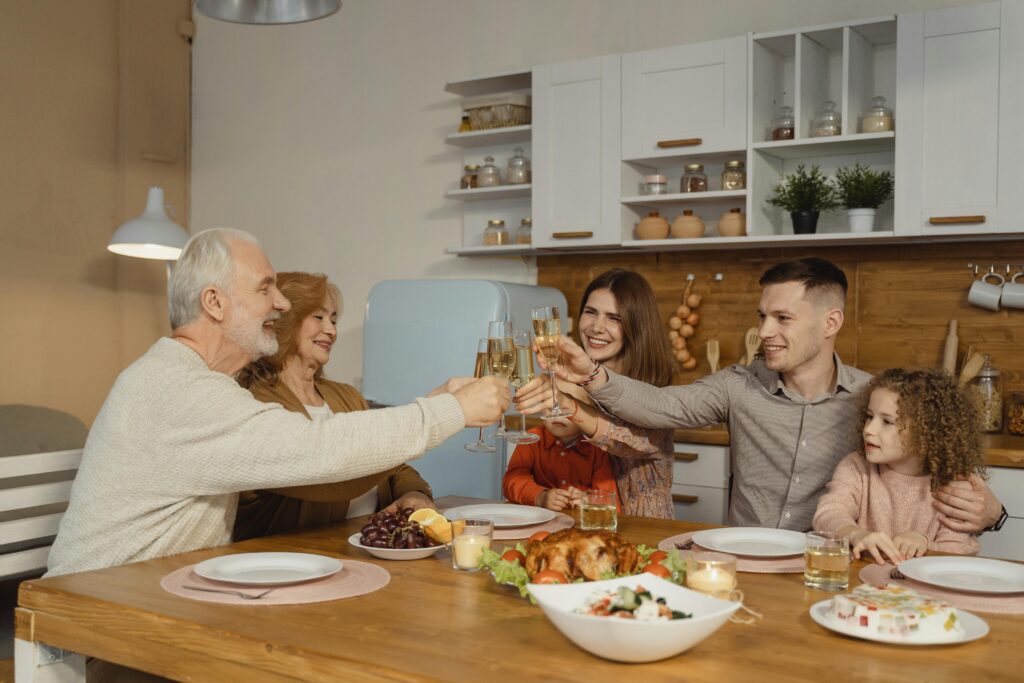
One of the strangest changes is that mealtimes lose their structure. Without roommates, partners, or family setting an informal schedule, dinner can slide from 6:30 to 9:15 without much resistance. Some nights it becomes a full meal, and some nights it is cheese, crackers, and whatever else is within reach.
Behavior experts often point out that social routines strongly shape eating patterns. Remove the social cue, and the clock matters less. Living alone can make meals more intuitive, but also more scattered. You may eat later, skip a formal dinner entirely, or graze across the evening, not because you planned to, but because nobody else is there to anchor the routine.
Snacking becomes a whole new category of meal
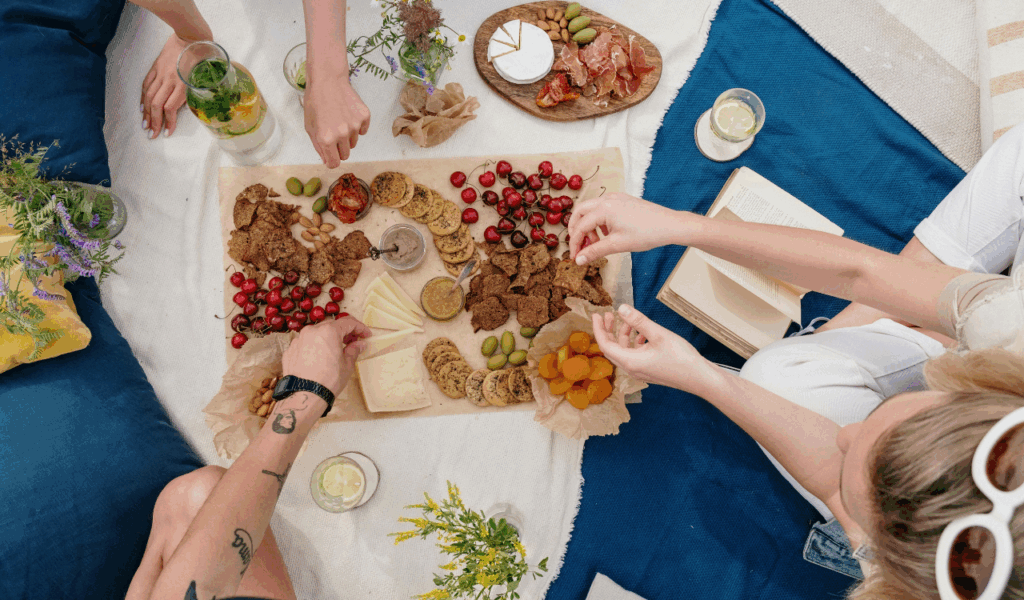
At some point, you realize snacking is no longer the thing before dinner. It is dinner. Living alone removes a lot of the ceremony around meals, so a handful of nuts, fruit, hummus, chips, or toast can slowly merge into a full eating occasion without ever feeling official.
There is a practical reason for this. Smaller, informal eating moments often feel easier than planning, cooking, and cleaning up after a complete plate. Nutrition experts note that grazing is not automatically unhealthy, but it can make it harder to notice hunger, fullness, and overall balance. What changes most is not just what you eat, but the line between snack and meal, which gets blurry very quickly.
You get unexpectedly attached to repeat meals
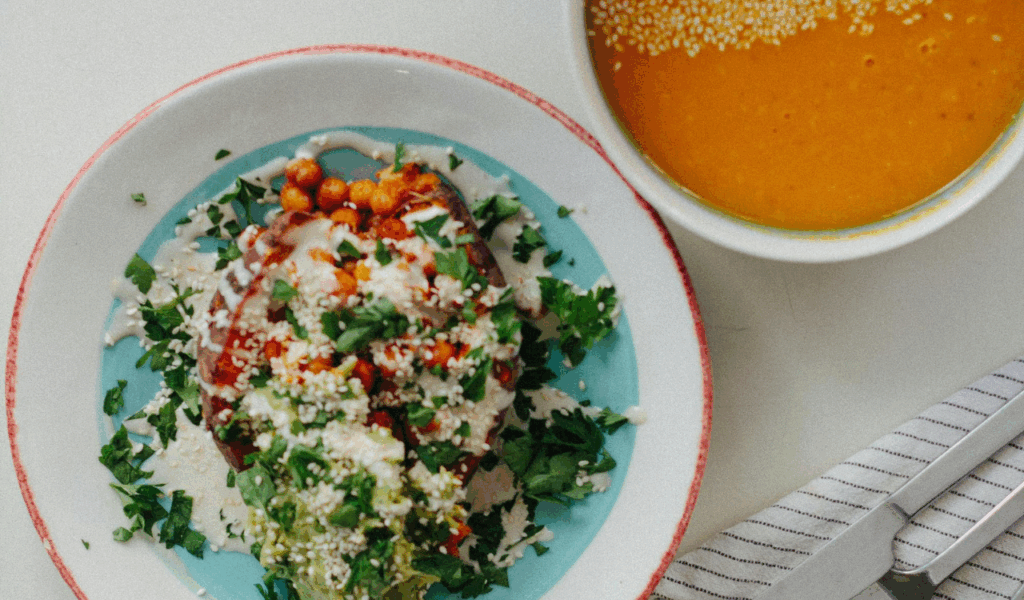
Novelty sounds great until you are the one buying ingredients, cooking, and washing dishes every night. That is when repeat meals start to look like a small act of self-preservation. The same pasta, grain bowl, eggs on toast, or stir-fry can show up several times a week simply because it works.
This habit is more common than people think. Repetition lowers decision fatigue, helps prevent waste, and makes budgeting easier. In solo households, dependable meals often become a system rather than a fallback. What surprises people is how comforting that repetition can feel. Instead of a sign that you have given up, it often becomes the structure that keeps your eating routine manageable.
Healthy intentions rise and fall with your energy
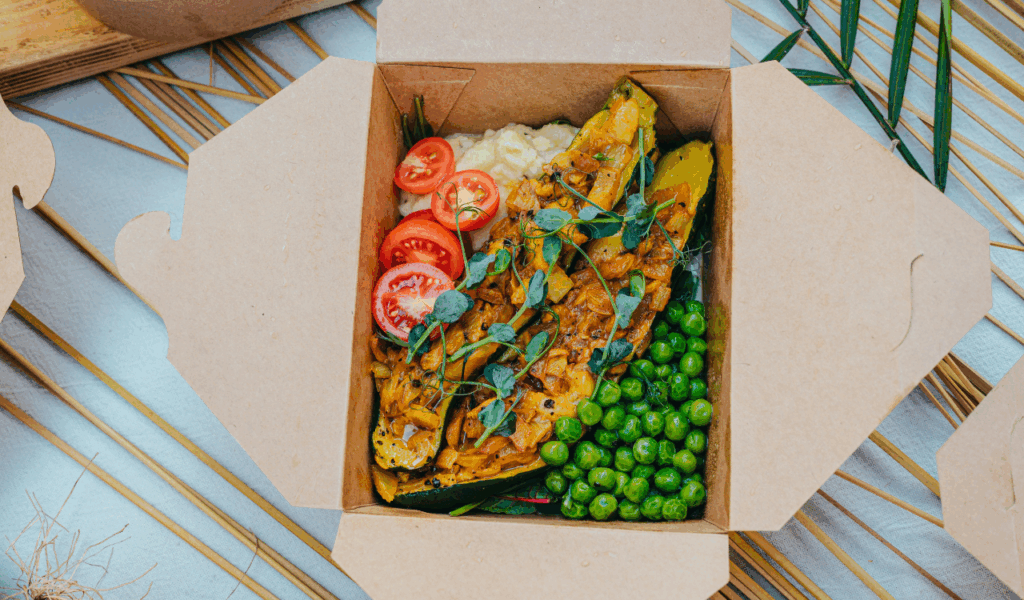
Living alone reveals how closely food choices follow your mental bandwidth. On organized days, you buy produce, cook something balanced, and feel like the healthiest version of yourself. On drained days, dinner can become cereal, takeout, or nothing until you are suddenly very hungry at 10 p.m.
That swing is not just about discipline. Studies on decision fatigue and stress show that people tend to choose easier, more rewarding foods when energy is low. Without another person around to suggest a plan or share the task, every food decision rests on you. Healthy eating becomes less about knowing what to do and more about whether you have enough energy to do it consistently.
Takeout starts filling more roles than you expected
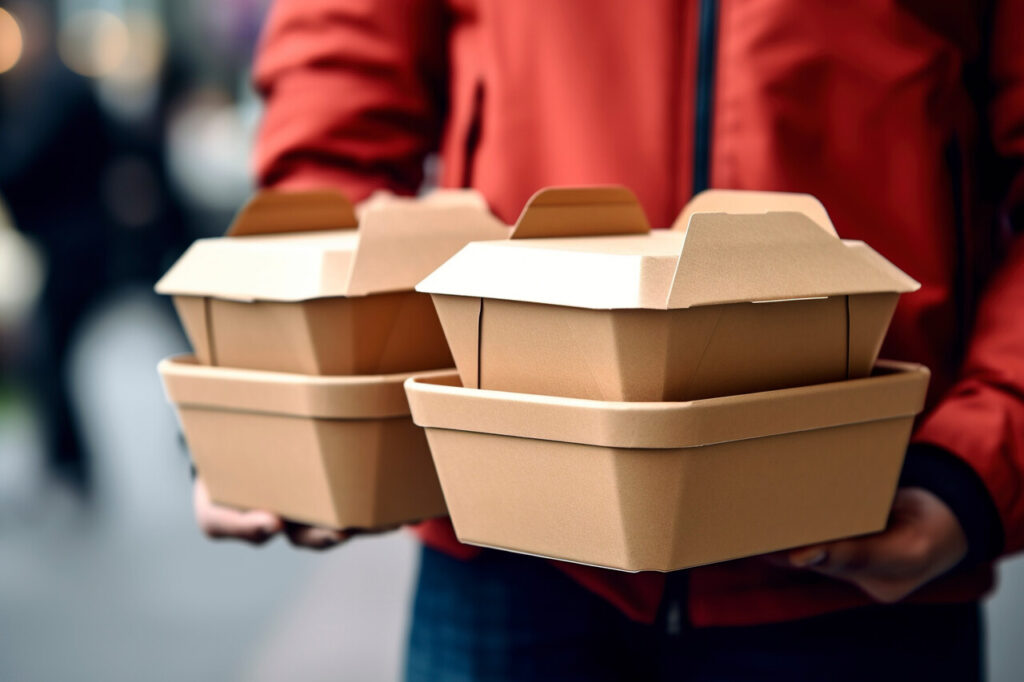
At first, takeout feels like a treat. Then it becomes backup, convenience, reward, social substitute, and sometimes the answer to a refrigerator that contains nothing useful. When you live alone, ordered food can carry emotional weight as well as practical value, especially after long or isolating days.
That is one reason solo living can quietly increase spending on prepared meals. You are not just paying for food. You are paying to avoid shopping, cooking, cleanup, and the feeling of making another decision. Restaurant portions also complicate things by creating leftovers that can either save the next day or linger too long. Either way, takeout often becomes part of the weekly rhythm faster than expected.
Eating alone changes how much you notice your food
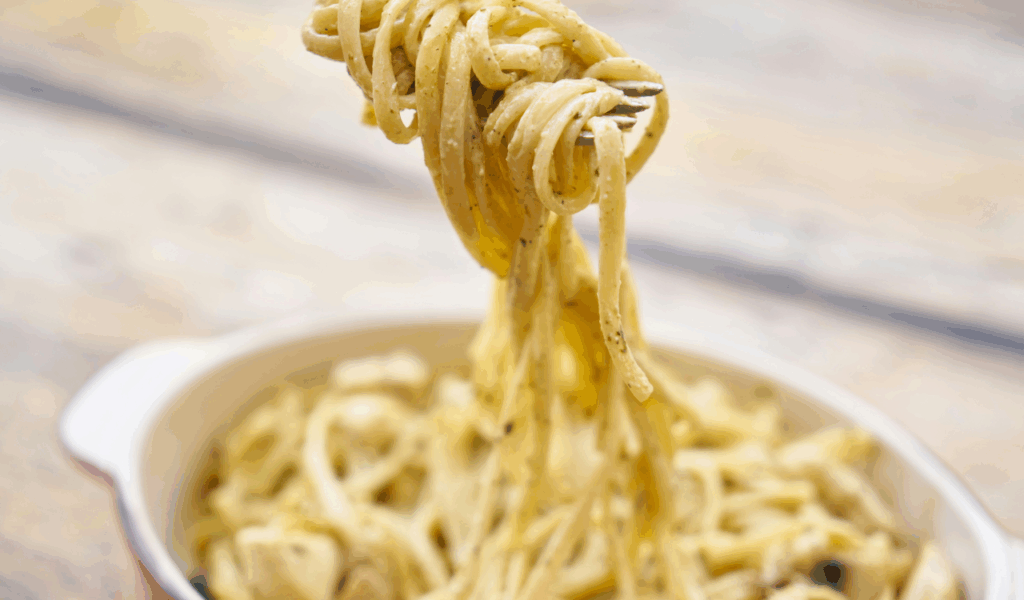
Solo meals can go in two completely different directions. Sometimes you pay more attention to flavors, textures, and what you actually enjoy because there is no conversation or rush around the table. Other times, eating becomes background activity while you scroll, stream a show, or answer messages.
Both responses are common, and they can affect how satisfying meals feel. Research on distracted eating suggests that multitasking can reduce awareness of fullness and make meals feel less memorable. At the same time, eating alone can also sharpen personal taste because you stop compromising for other people. The surprise is not simply that you eat alone. It is that solitude changes the entire experience of paying attention to food.




Leave a Reply