
Comfort food is supposed to feel familiar, cozy, and worth craving again. But some beloved American classics can land very differently north of the border, where tastes often lean a little less sweet, less oversized, and less theatrical. This gallery looks at nine dishes that many Americans adore, but that some Canadians may try once out of curiosity and then quietly leave off the reorder list.
Biscuits and Gravy

For many Canadians, this dish is confusing before the first bite even arrives. In Canada, a biscuit often suggests something sweet or at least neutral, and gravy usually belongs with roast dinners, fries, or poutine. Seeing a soft breakfast bread buried under a pale sausage sauce can feel more surprising than comforting.
The texture is usually what loses people. The biscuit can be heavy, the gravy can be thick to the point of paste, and the seasoning leans hard on pepper, salt, and pork fat. Americans often read that richness as hearty and nostalgic. Canadians trying it for the first time may simply find it too dense for breakfast and too one-note to order twice.
Grits
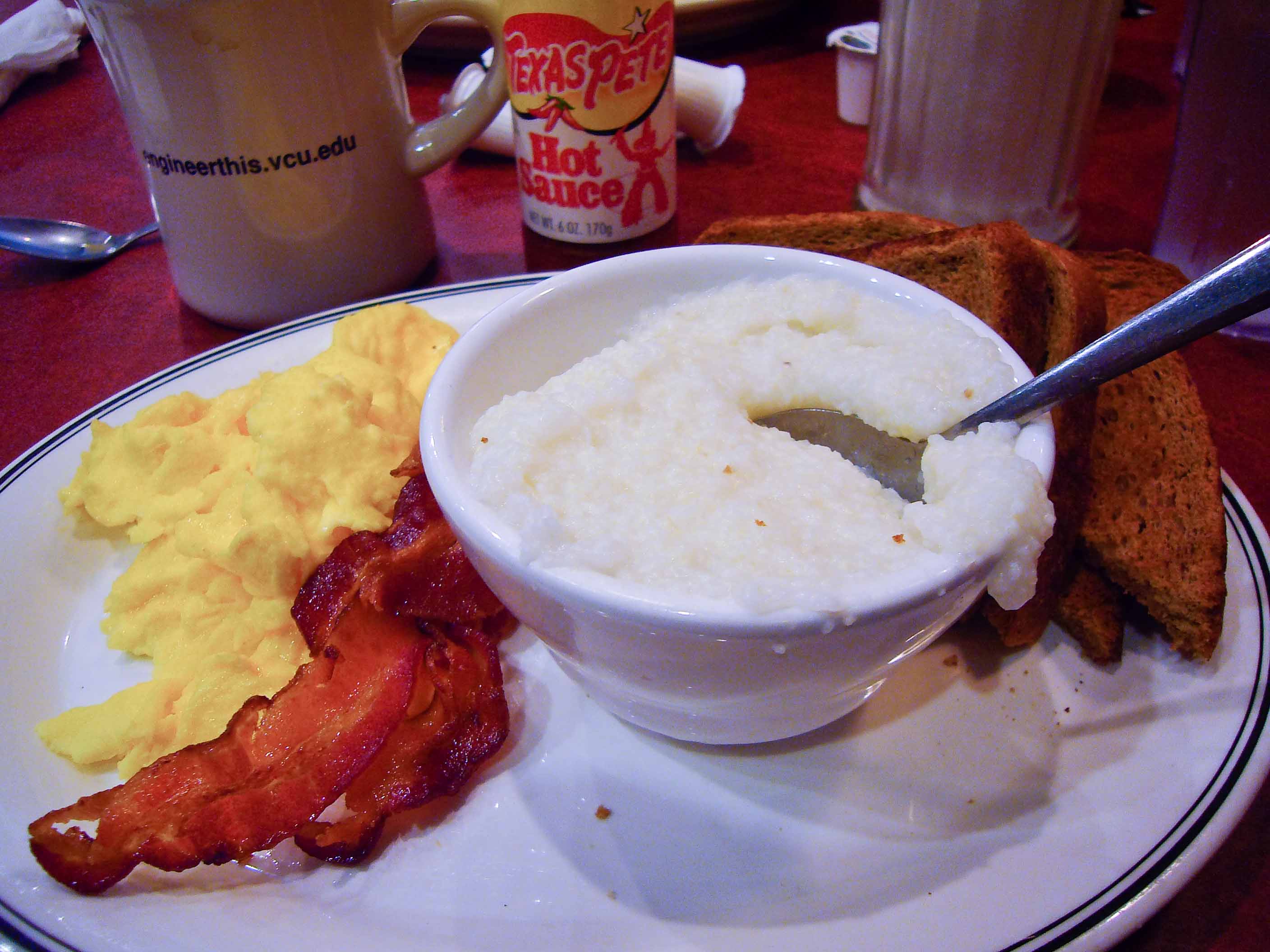
Grits ask for patience from first-time eaters, and that can be a hard sell. Canadians who did not grow up with them often expect a side dish with clearer flavor or firmer texture. Instead, they get a bowl of soft ground corn that can taste mild on its own and rely heavily on butter, cheese, shrimp, or bacon to make a strong impression.
That does not mean grits are badly made. It means they are deeply regional and often tied to memory, habit, and Southern kitchens. Without that cultural context, the dish can register as bland porridge beside eggs and toast. Many Canadians try a few spoonfuls, understand why others love it, and still never feel compelled to order it again.
Sweet Potato Casserole with Marshmallows
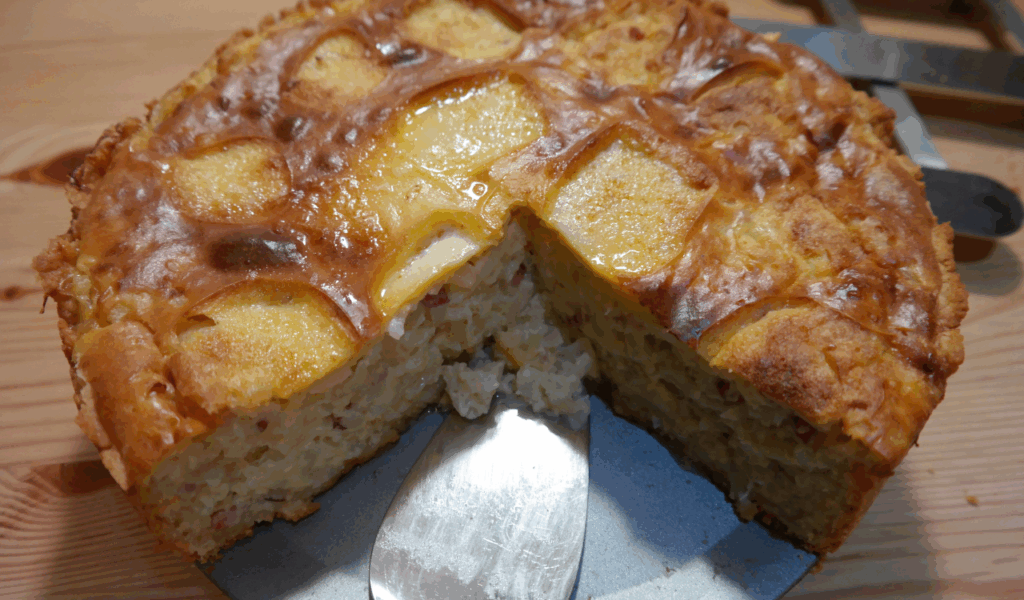
This is the dish that makes some Canadians stop mid-bite and ask whether it is supposed to be a side or a dessert. Sweet potatoes already carry natural sugar, and topping them with marshmallows pushes the whole thing into a category that feels unfamiliar at a holiday meal. For diners used to savory sides, the sweetness can seem almost theatrical.
Texture plays a role too. You get soft sweet potato, melted marshmallow, and sometimes a sugary pecan topping in the same spoonful. Americans often connect that combination to Thanksgiving tradition and family tables. Canadians who are used to more restrained holiday spreads may find it overly sweet, slightly confusing, and hard to pair with turkey, stuffing, and gravy.
Chicken Fried Steak
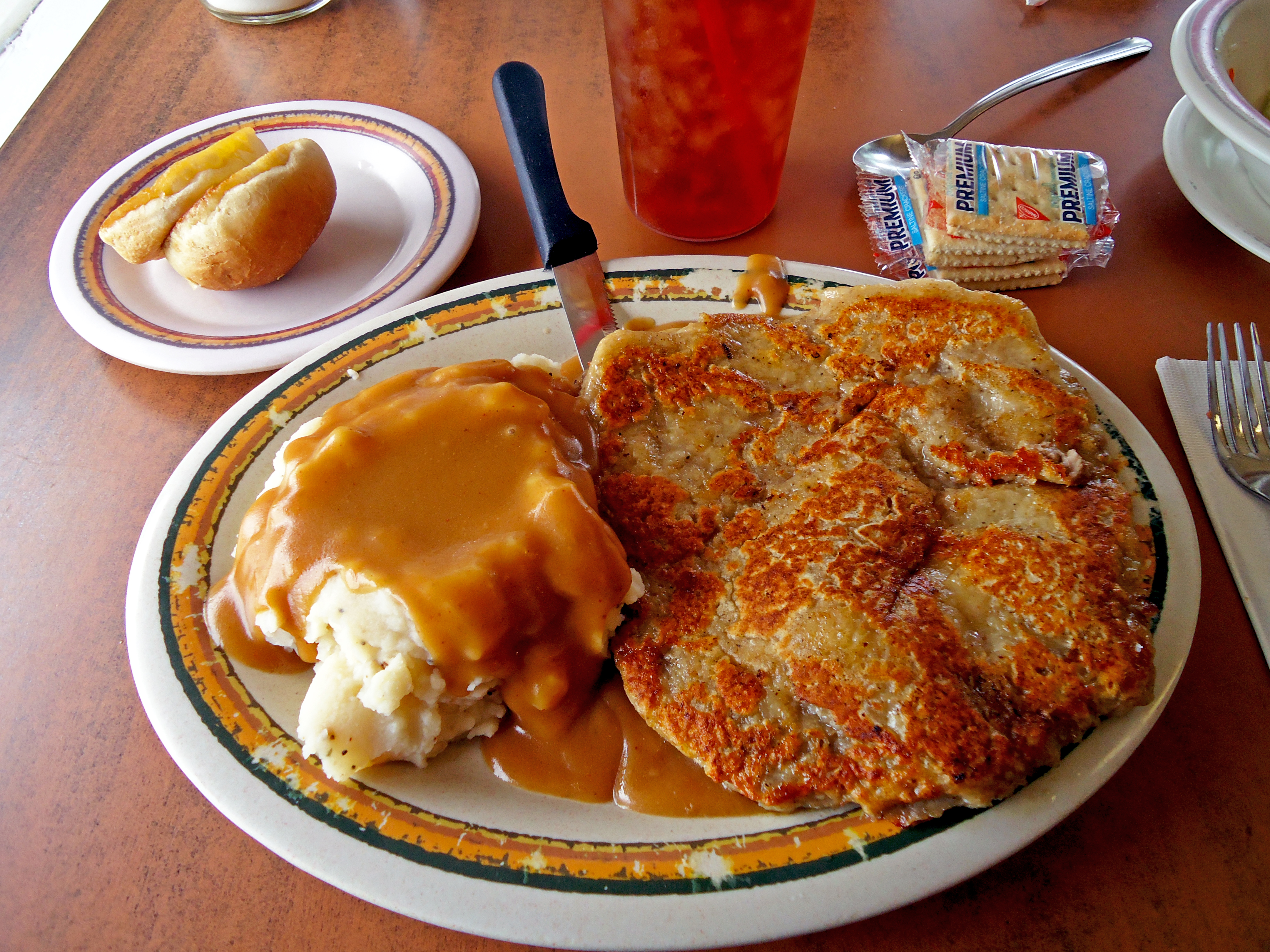
At first glance, chicken fried steak sounds like a menu typo. Then it arrives looking like a breaded cutlet covered in cream gravy, and the reaction often shifts from curiosity to overload. Canadians familiar with schnitzel, roast beef, or steak dinners may find this version especially heavy because it layers beef, breading, frying oil, and gravy in one plate.
The richness is the point, of course. In parts of the United States, it is diner food with real emotional pull. But to someone meeting it for the first time, the dish can feel like too much at once, especially when served with mashed potatoes and buttered sides. It is filling, memorable, and not always something people are eager to repeat.
Cornbread with Honey Butter

Cornbread seems harmless until expectations collide with reality. Many Canadians approach it like bread and then discover something that can be crumbly, sweet, and almost cake-like depending on the recipe. Add whipped honey butter, and the whole experience drifts even farther from the savory dinner roll many people imagined they were getting.
Regional differences matter here. In the United States, especially in the South, debates over sweet versus savory cornbread are practically cultural history. But outside that tradition, the flavor can feel oddly split between side dish and dessert. Canadians who prefer bread to support a meal rather than compete with it may enjoy a sample basket and then decide one tasting was enough.
Macaroni and Cheese with Pulled Pork
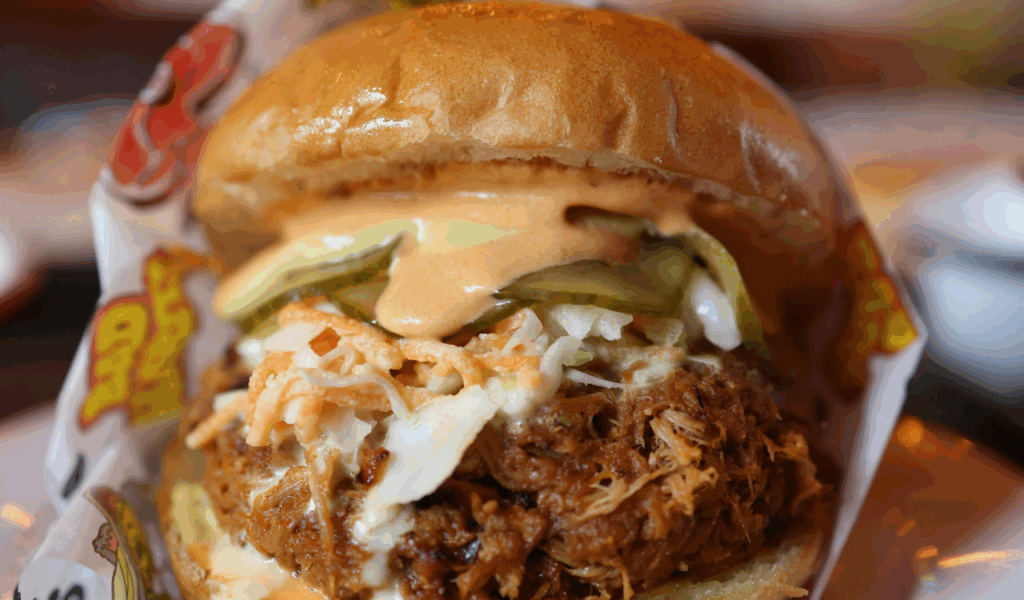
Mac and cheese is familiar in Canada, but the American restaurant version can take comfort to an extreme. A bowl loaded with extra cheese sauce, pulled pork, barbecue drizzle, crispy onions, and maybe jalapeños is designed to feel indulgent. For some Canadians, though, it crosses the line from cozy to exhausting after a few bites.
The issue is not taste so much as intensity. Cheese, smoke, sweetness, salt, and fat can stack up fast, especially in oversized portions. What begins as appealing comfort food can turn into a dish that feels more like a challenge than a meal. It photographs beautifully, tastes big, and often leaves first-time diners thinking they do not need a second round.
Meatloaf with Brown Sugar Glaze
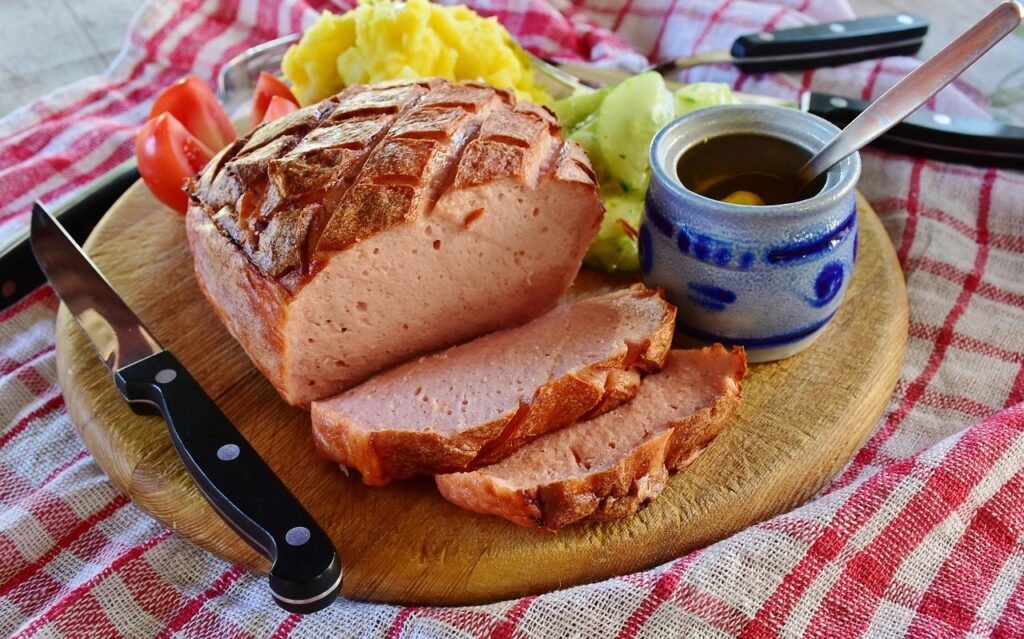
Meatloaf exists in Canada too, but the sweeter American diner style can be a surprise. When the glaze leans heavily on ketchup and brown sugar, the loaf can taste more candied than savory. For diners expecting a simple, homey meat dish, that sugar hit can feel out of step with mashed potatoes and vegetables.
There is also the texture question. A soft slice of ground meat with a sticky top is comforting to those who grew up with it, but less convincing to someone without that attachment. Americans often see it as the definition of old-school weeknight comfort. Canadians may respect the nostalgia while quietly deciding they prefer a roast, a burger, or almost any other way of serving beef.
Tater Tot Casserole

This dish has a devoted following in parts of the United States, especially where casseroles are tied to community suppers and family tables. For Canadians trying it for the first time, though, it can read like several freezer foods combined into one pan. Ground beef, canned soup, cheese, and tater tots do create comfort, but they also create a lot of salt, starch, and sameness.
The appeal is practical and nostalgic rather than elegant. That works beautifully if you grew up eating it. If you did not, the casserole can seem mushy underneath, crispy on top, and oddly engineered overall. Many Canadians understand why it shows up at potlucks, yet still do not find themselves seeking it out on a menu later.
Fried Okra

Fried okra has a loyal base in the American South, but it can be a tough first impression for Canadians. Okra is not a staple in many Canadian households, so diners often encounter it only while traveling. Breaded and fried, it sounds approachable enough, yet the vegetable's distinct interior texture can still catch people off guard.
Even when cooked well, okra can feel unfamiliar in a way that French fries or onion rings do not. The flavor is grassy, the center is soft, and if the frying is uneven, the texture can go from crisp to slippery fast. Southerners often treasure it as a classic side. Canadians may try it once, nod politely, and move on to something less divisive.




Leave a Reply