
Restaurants in Canada are still adapting to higher food costs, labour pressures and changing customer habits, but some fixes are wearing thin with diners. These nine trends capture the small irritations and bigger shifts that are making meals out feel slower, pricier and less personal.
QR code only menus
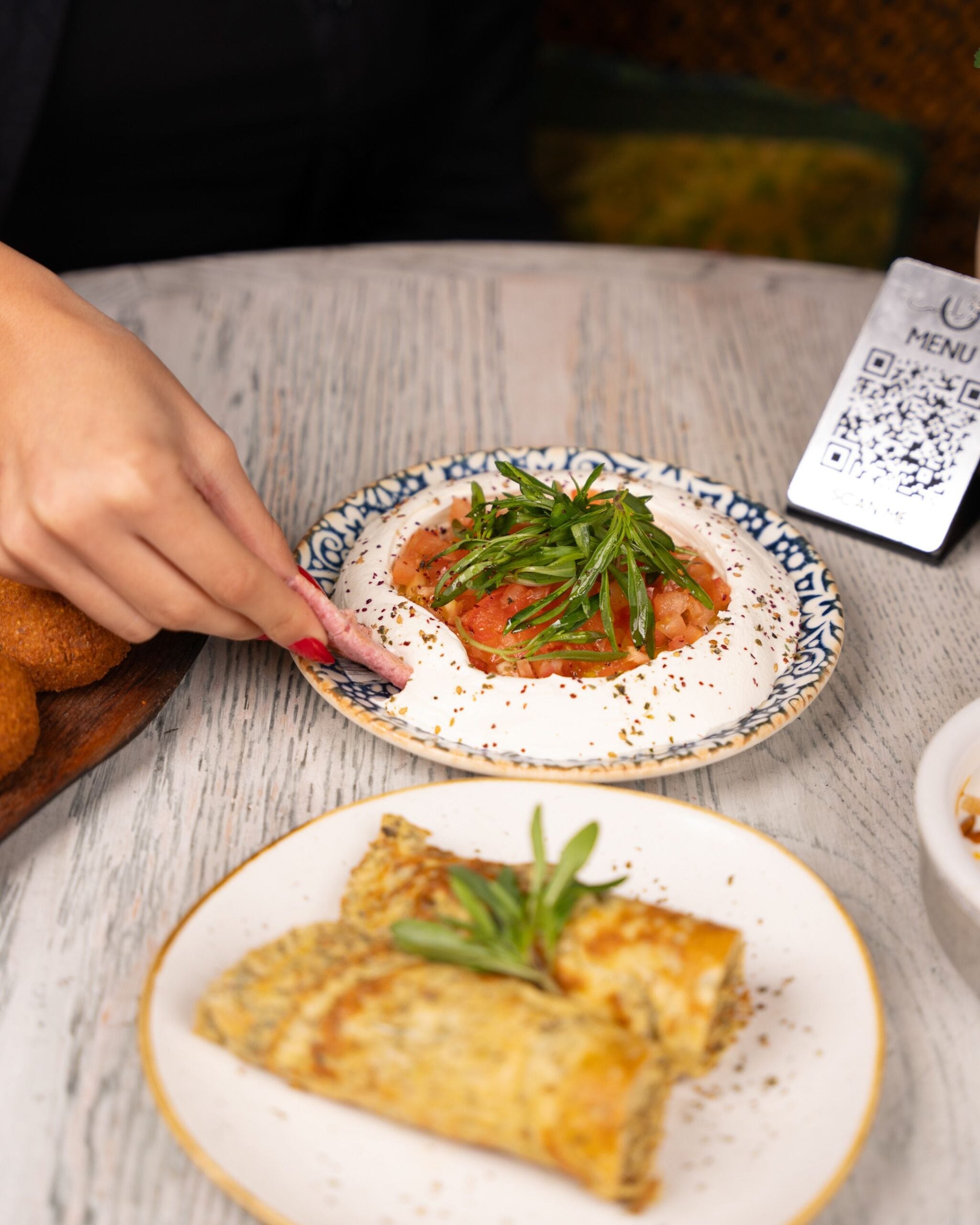
For some diners, the meal starts with a hurdle, not a welcome. A QR code only menu can be efficient for operators, since prices and dishes can be updated instantly, but it also shifts work onto the customer. People have to unlock a phone, scan, scroll and zoom before they can even settle on a drink.
The frustration grows when the signal is weak, the battery is low or the menu is hard to read on a small screen. Older guests and anyone less comfortable with smartphones can feel pushed aside. Even younger diners often say it breaks the social mood, because everyone ends up staring at a screen instead of talking across the table.
Restaurants also lose a subtle but important sales tool. A well designed printed menu guides the eye and gives dishes a clear structure. Digital menus can feel cluttered, and when they are built poorly, they slow ordering instead of speeding it up.
Surprise service fees
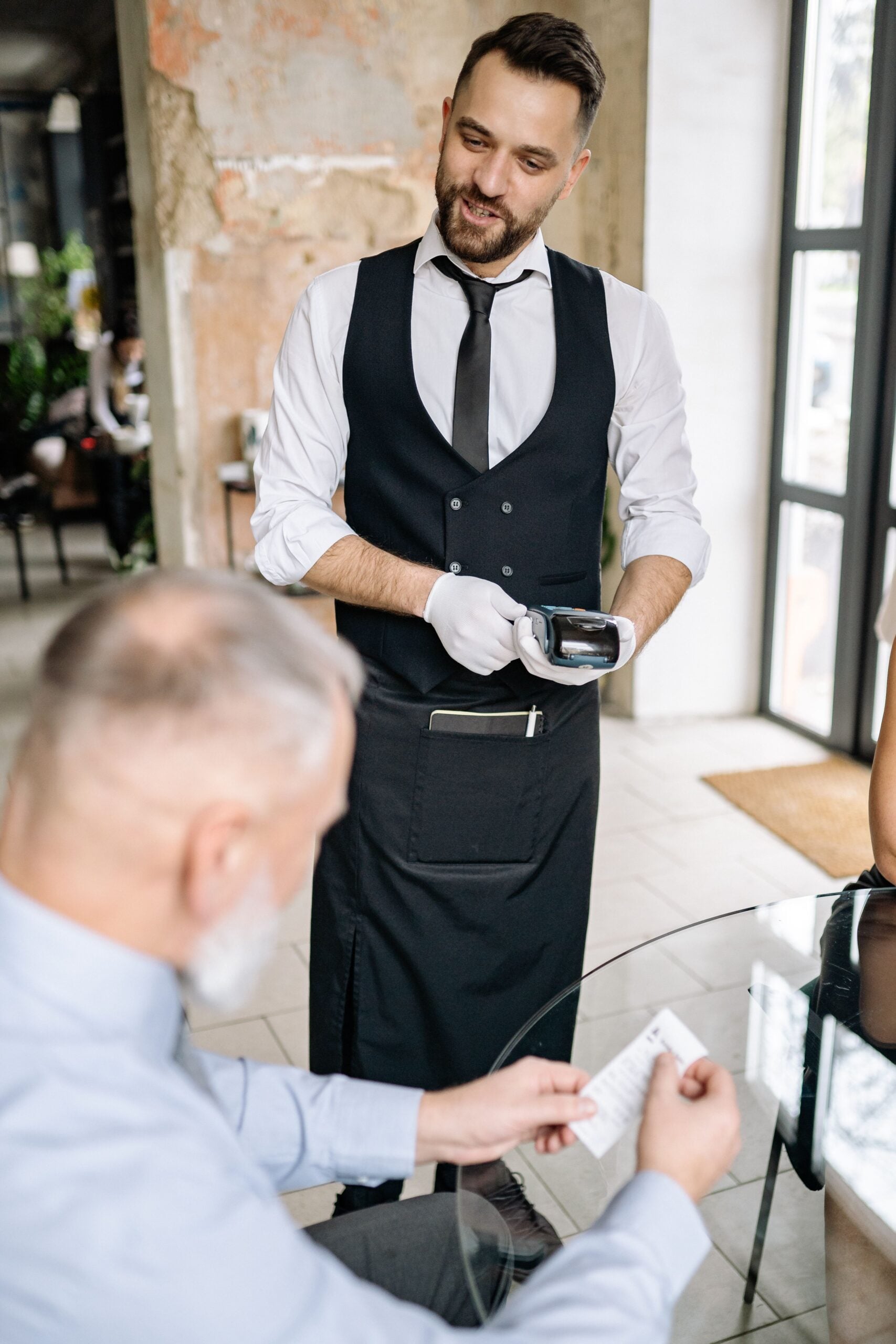
The most irritating charge is often the one that appears at the very end. More restaurants are adding service fees, kitchen appreciation fees or automatic gratuities, sometimes with little warning. Diners may understand that costs are rising, but they still expect the listed menu price to be close to what they will actually pay.
The problem is not only the extra dollars. It is the feeling that the bill was not transparent. A fee that appears after tax, or sits in small print at the bottom, can make customers feel cornered into paying more than they planned.
This trend also creates confusion about tipping. If a service fee is already on the bill, many guests are unsure whether an additional tip is expected. That uncertainty can leave both customers and staff uncomfortable by the end of the meal.
Reservation deposits for casual spots
Deposits used to be associated mainly with tasting menus and special events. Now they are showing up at ordinary neighbourhood restaurants, brunch places and busy patios. From the restaurant side, the logic is simple: no shows and last minute cancellations cost real money, especially when staffing and food prep are planned in advance.
For diners, though, a casual night out starts feeling like a contract. Plans change, weather shifts and traffic in large cities can be unpredictable. A deposit policy can make a simple dinner feel rigid before anyone has even sat down.
The tension gets worse when the policy is strict or the refund window is narrow. Customers may accept deposits for high demand tables, but they are less patient when the restaurant itself offers a relaxed, everyday kind of experience.
Shrinking portions at higher prices
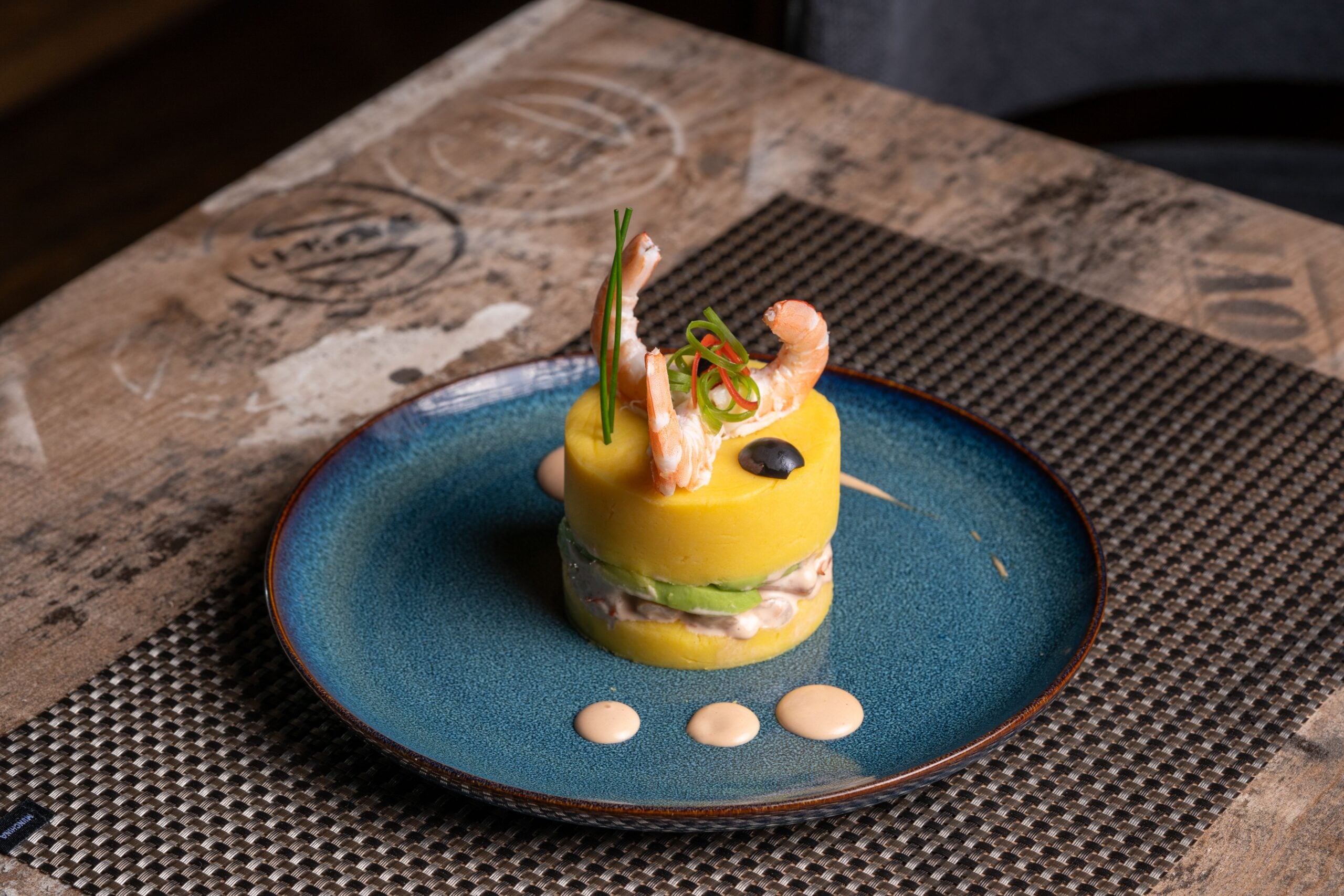
Sticker shock is one thing. Paying more and getting less is another. Canadians have been dealing with higher menu prices for years, and many now notice when the plate looks smaller too. Restaurants facing higher costs for ingredients, rent and wages often trim portions quietly rather than raise prices more sharply.
That decision can protect the menu from looking too expensive at first glance, but it often backfires once the food arrives. Diners compare the meal not only to what they paid, but to what the same restaurant used to serve.
This is especially sensitive with comfort foods like pasta, burgers, rice bowls and breakfast plates. These dishes are judged partly on generosity. If the portion looks careful instead of satisfying, customers are more likely to leave feeling shortchanged, even if the food tastes good.
Tablets at the table
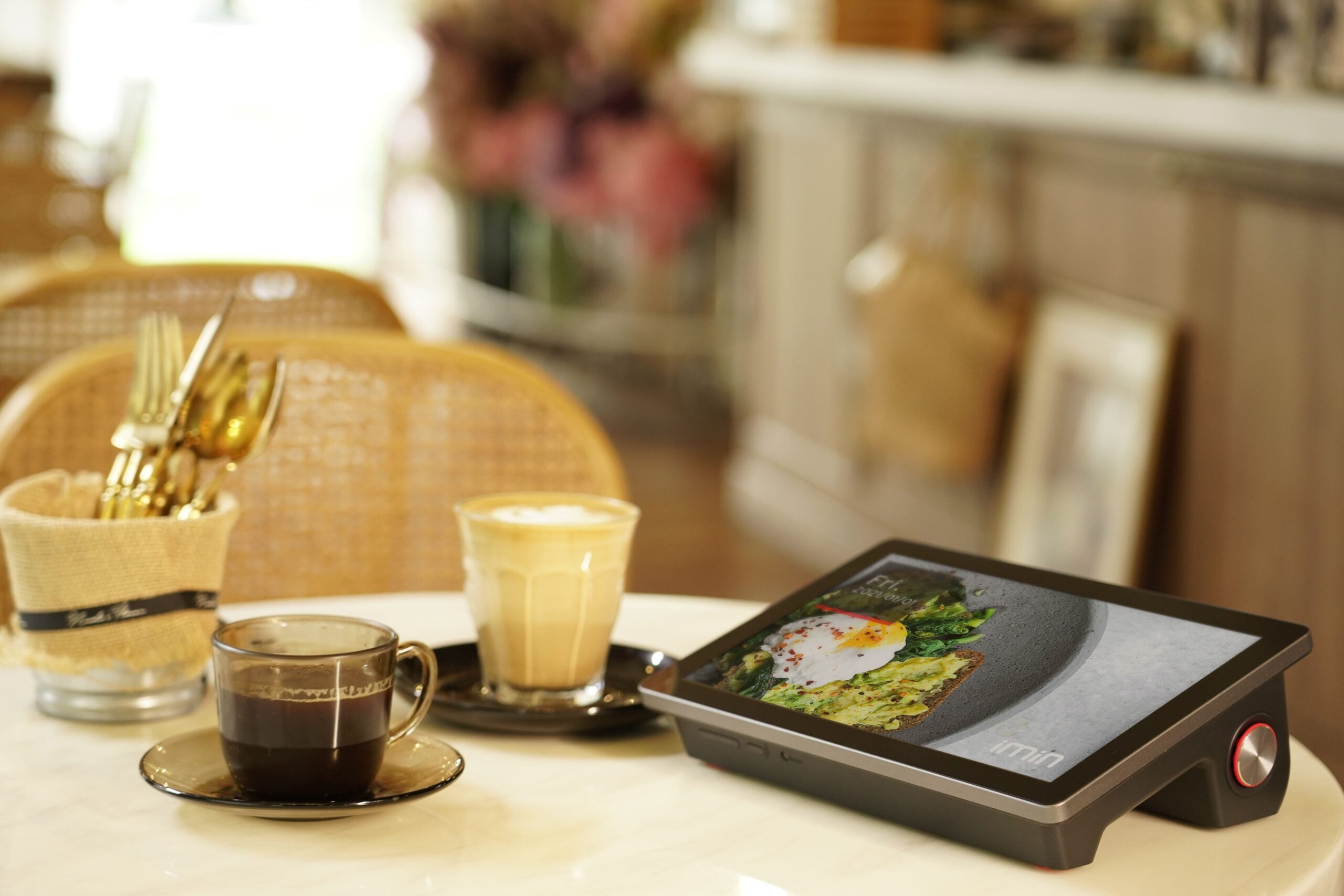
A tablet can speed up ordering, split bills quickly and let customers pay without waiting for the terminal. In theory, that sounds convenient. In practice, many diners experience tableside tablets as one more barrier between themselves and actual hospitality.
The issue is not the machine itself. It is what disappears when the machine takes over. Guests may have fewer chances to ask questions, get recommendations or make small substitutions through a person who can guide them properly.
These devices can also feel out of place in full service restaurants that are trying to sell warmth and atmosphere. A glowing screen beside the salt shaker changes the tone of the table. Instead of feeling looked after, some customers feel like they are checking themselves out at a grocery store.
Menus built for social media
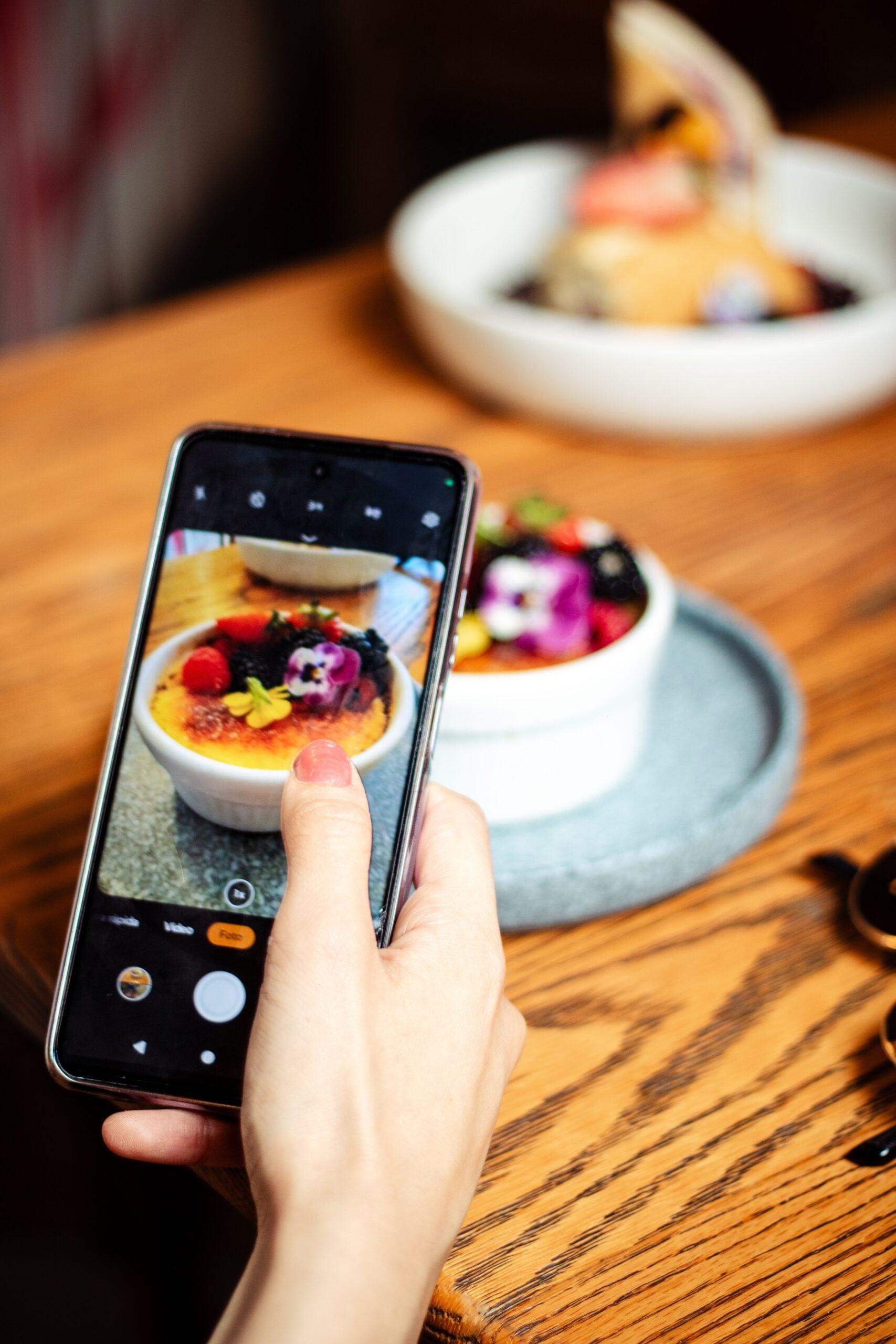
Some plates are clearly designed to be photographed first and eaten second. Restaurants know that dramatic garnishes, towering burgers, neon drinks and over the top desserts can travel fast online. A viral dish can bring in new traffic far more cheaply than a traditional ad campaign.
The problem comes when spectacle outruns flavour or function. Tall sandwiches collapse, loaded drinks are awkward to sip and heavily styled dishes can arrive lukewarm after the extra assembly. Diners notice when the meal seems engineered for a camera angle rather than comfort or taste.
This trend also affects menu balance. When restaurants chase attention grabbing items, dependable favourites can get less care. Customers may enjoy a novelty once, but repeated visits depend on food that is easier to eat than it is to photograph.
Constant upcharges
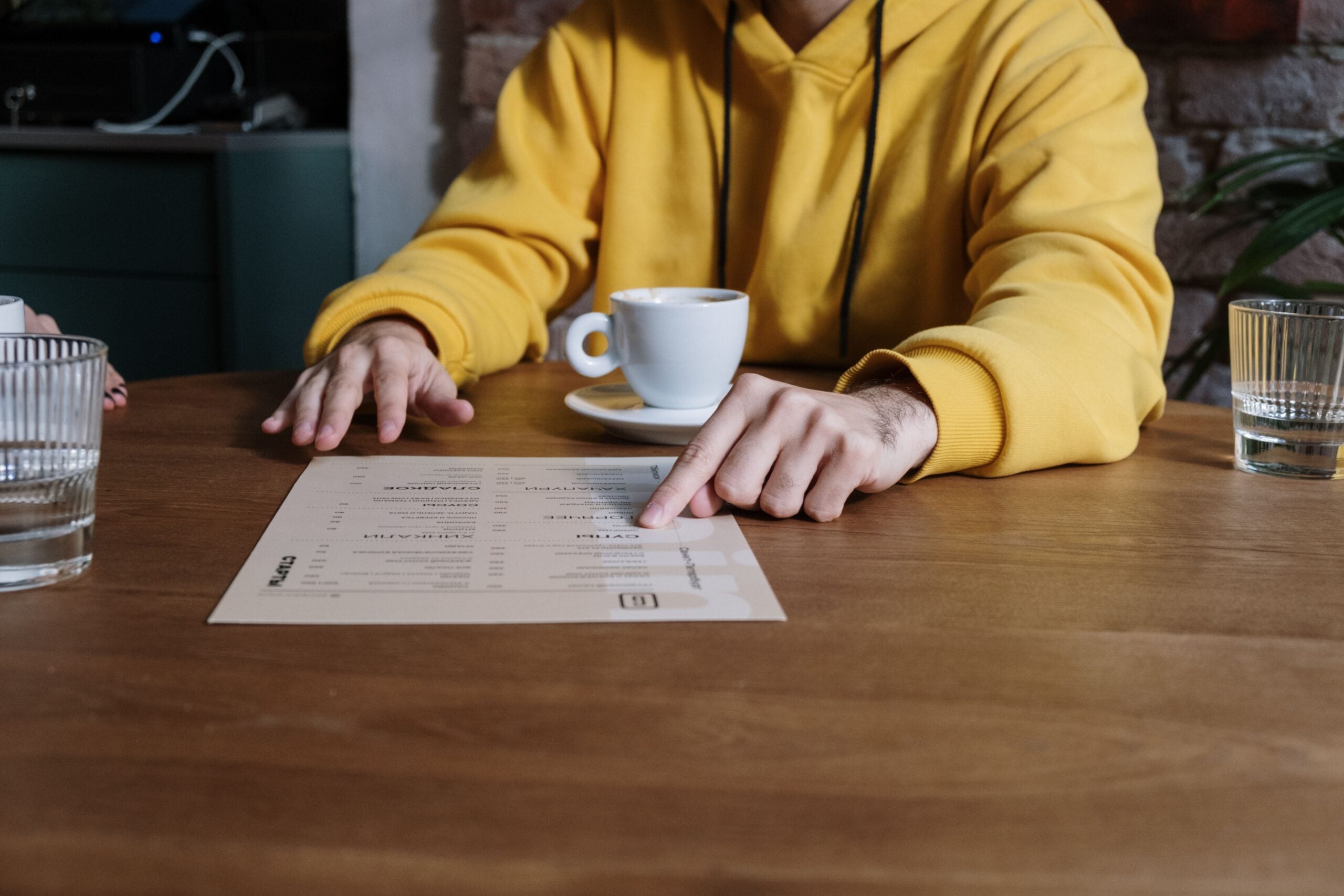
A base price no longer tells the full story at many restaurants. Add chicken, add avocado, swap fries, choose gluten free bread, make it a combo, add a side sauce. Individually, these charges may be small, but together they can make ordering feel like navigating an airline booking page.
Diners are not necessarily against paying more for extras. The annoyance comes from how fragmented the price can feel. A bowl that starts at one number may cost far more by the time it resembles a complete meal.
This trend also changes how value is judged. Customers compare not only the final total, but how many choices seemed essential rather than optional. If the standard version feels bare and the extras feel necessary, people often conclude the advertised price was never really honest.
Shorter dining windows
Restaurants trying to maximize demand are getting more precise about timing. A table might come with a 90 minute or two hour limit, especially during peak dinner service. For operators, this helps increase turnover and gives some control over a packed reservation book.
For customers, it can make the evening feel managed from the moment they sit down. The pressure is subtle at first, then more obvious when dishes arrive quickly, plates are cleared fast or staff remind the table about the next booking.
Not every meal needs to be leisurely, but many diners still see restaurants as places to connect, celebrate and slow down. A strict time limit may work for a busy urban spot, yet it can leave guests feeling rushed, especially if service itself was delayed at the start.
The disappearing human touch
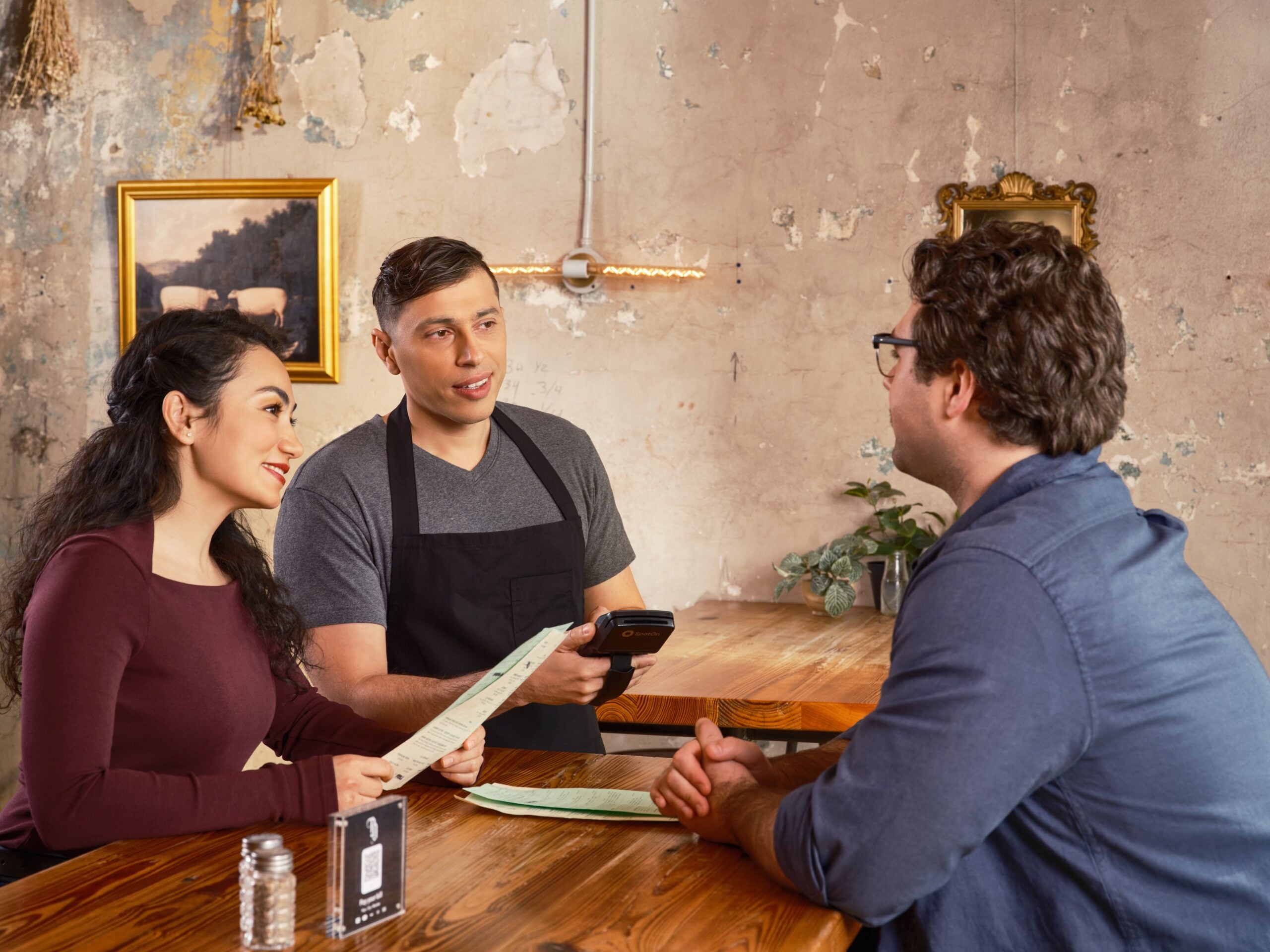
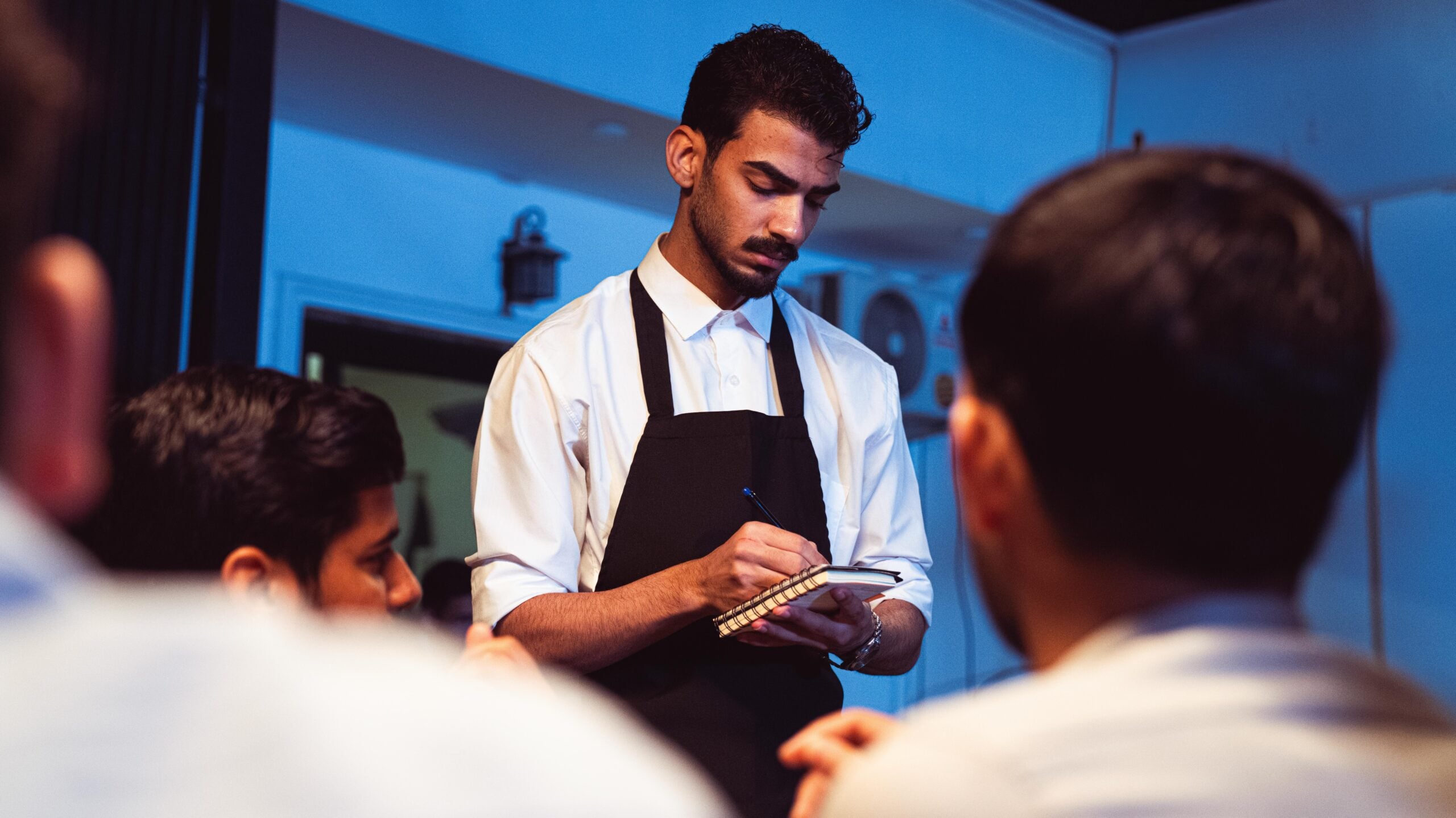
Many of the most frustrating trends have one thing in common: they remove small moments of care. When ordering, payment, reservations and menu browsing all become more automated, the dining room can start to feel efficient but thin.
That matters because restaurants do more than serve food. They create relief, routine and social comfort. A host who explains a delay clearly, a server who remembers a regular order or a bartender who makes a useful suggestion can smooth over almost any operational problem.
Canadian diners are often willing to be flexible when prices rise or policies change, but they want to feel respected in return. In 2026, the restaurants that stand out may not be the most high tech ones. They may be the places that keep convenience without losing the sense that an actual person is still taking care of the room.

Leave a Reply