
Some restaurant brands seem so woven into North American daily life that people rarely question where they began. In quite a few cases, the answer is not the United States, but Canada.
Tim Hortons
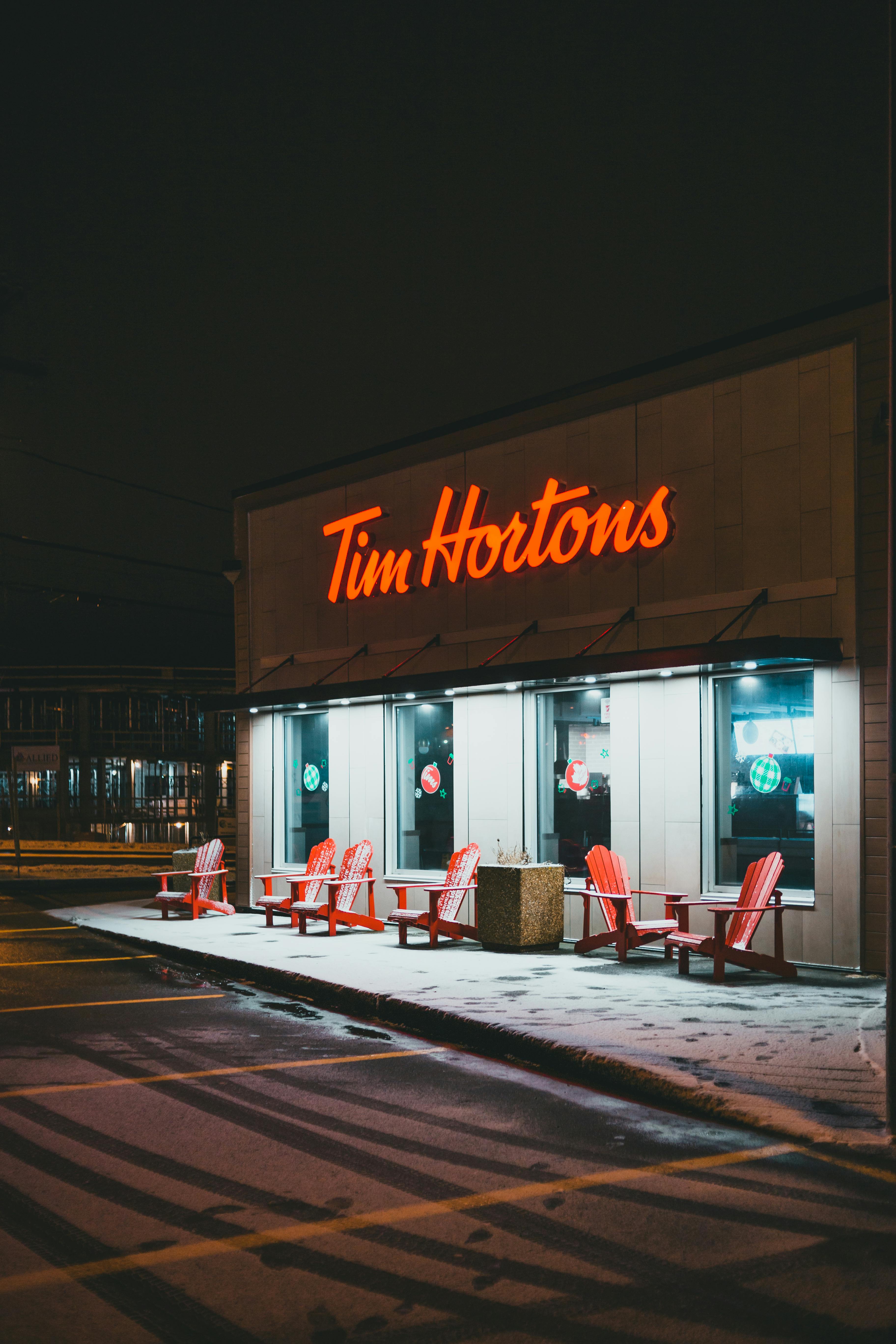
No brand is mistaken for American more often than Tim Hortons once it appears in U.S. strip malls and highway plazas. Its scale makes that confusion understandable, because it feels like the kind of chain that could only have come from a giant American market.
In fact, Tim Hortons began in Hamilton, Ontario, in 1964, founded by hockey player Tim Horton and businessman Jim Charade. It built its early identity around coffee, doughnuts, and a practical grab-and-go menu that suited commuters, shift workers, and families.
Its Canadian identity is deeper than branding. The chain became a cultural fixture through hockey sponsorships, community fundraising, and its familiar role in small towns and major cities alike. In Canada, grabbing a "double-double" is less a transaction than a shared piece of everyday language.
Expansion into the United States reinforced the misconception, especially in border states where the stores blend naturally into the roadside landscape. Yet the chain's rise is a case study in how a Canadian brand can shape eating habits well beyond its home country.
Swiss Chalet

At first glance, Swiss Chalet sounds European, and to many diners in the United States it can also register as vaguely American because of its casual family-chain style. That perception misses how deeply Canadian the brand really is.
Swiss Chalet was founded in Toronto in 1954 and built its reputation on rotisserie chicken and ribs long before fast-casual chicken became crowded. Its signature Chalet Sauce helped distinguish it in a market where sauces often define customer loyalty as much as the main dish.
The chain flourished by offering a dependable dine-in experience that fit suburban family life. For decades, it occupied a sweet spot between fast food and full-service dining, giving Canadians a reliable option for weeknight dinners, takeout, and celebratory family meals.
Because rotisserie chicken chains have long been common in the U.S., many people assume Swiss Chalet must be another American import. Instead, it represents a distinctly Canadian version of comfort food hospitality, shaped by local tastes and long-running customer habits.
Harvey's

Harvey's often gets mistaken for an American burger chain because the format is so familiar: flame-grilled burgers, fries, and made-to-order toppings. In practice, though, Harvey's developed its own identity in Canada well before customization became an industry-wide obsession.
The chain was founded in 1959 in Richmond Hill, Ontario. One of its defining features was letting customers choose toppings assembled in front of them, a format that now feels standard but once gave the brand a meaningful point of difference.
Harvey's also leaned hard into the charbroiled burger profile, setting it apart from flatter griddle-style competitors. That flavor, along with recognizable Canadian ad campaigns and a broad suburban presence, made it especially resonant for generations of local diners.
The reason people mistake it for American is simple: burgers are one of the most American-coded foods imaginable. But Harvey's story shows that Canada built its own burger institutions too, often with concepts that were ahead of broader fast-food trends.
Boston Pizza
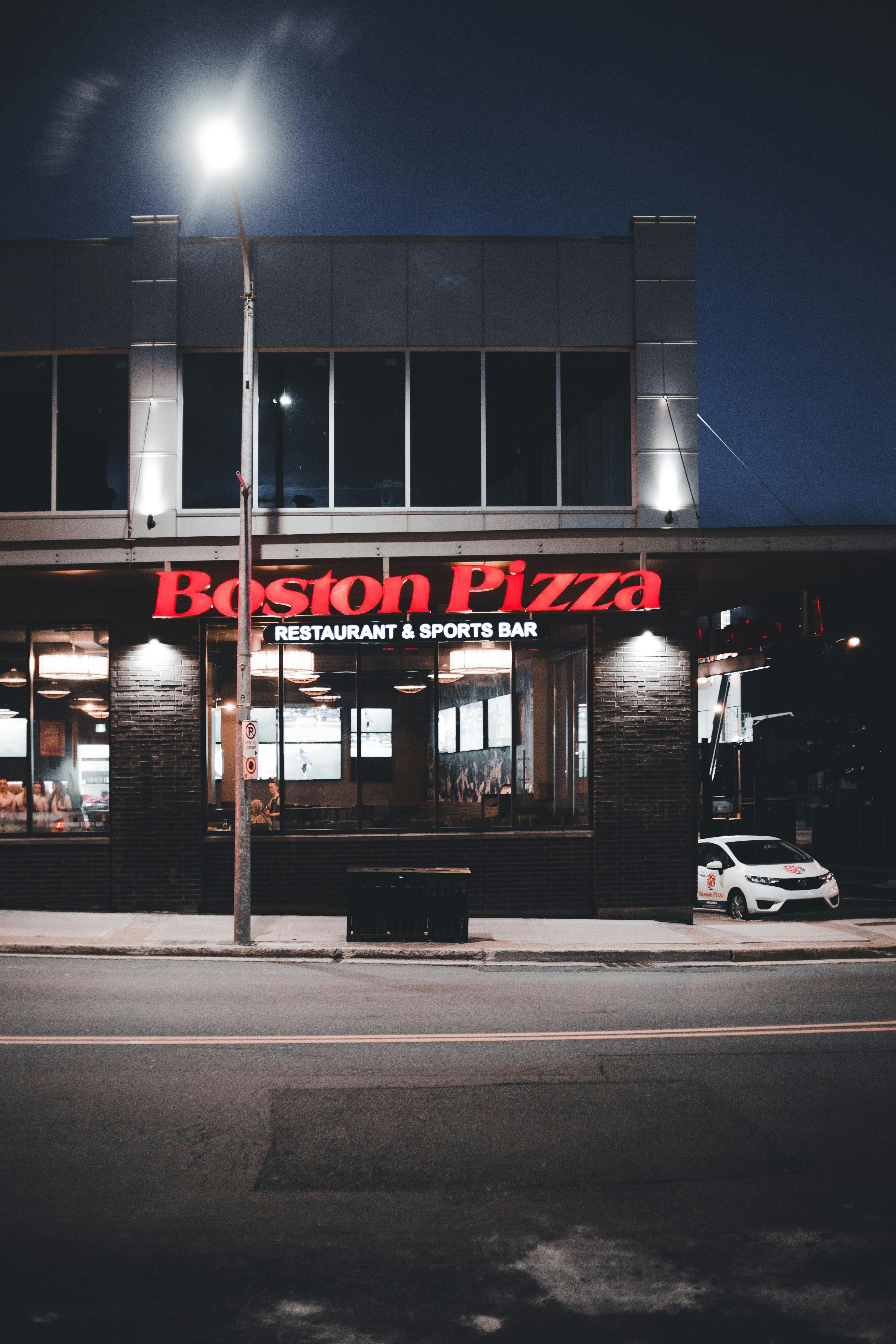
The name alone does most of the misleading. Boston Pizza sounds like a U.S. regional concept exported north, especially to anyone who associates city-named restaurant brands with American sports-bar culture.
Yet Boston Pizza was founded in Edmonton, Alberta, in 1964. The original concept took familiar pizza-house ideas and adapted them for Canadian family dining, eventually evolving into a hybrid model that combined casual restaurant service with a lively bar atmosphere.
That two-part identity helped the chain spread widely. One side appealed to families ordering pizza, pasta, and wings, while the sports-bar side made it a gathering place for televised games and group outings. It became one of the clearest examples of a chain that could serve multiple occasions under one roof.
Its branding still causes confusion today. But the company's operating model, national footprint, and strong community fundraising presence are rooted in Canada, not in Boston and not in the U.S. restaurant industry.
Mary Brown's Chicken
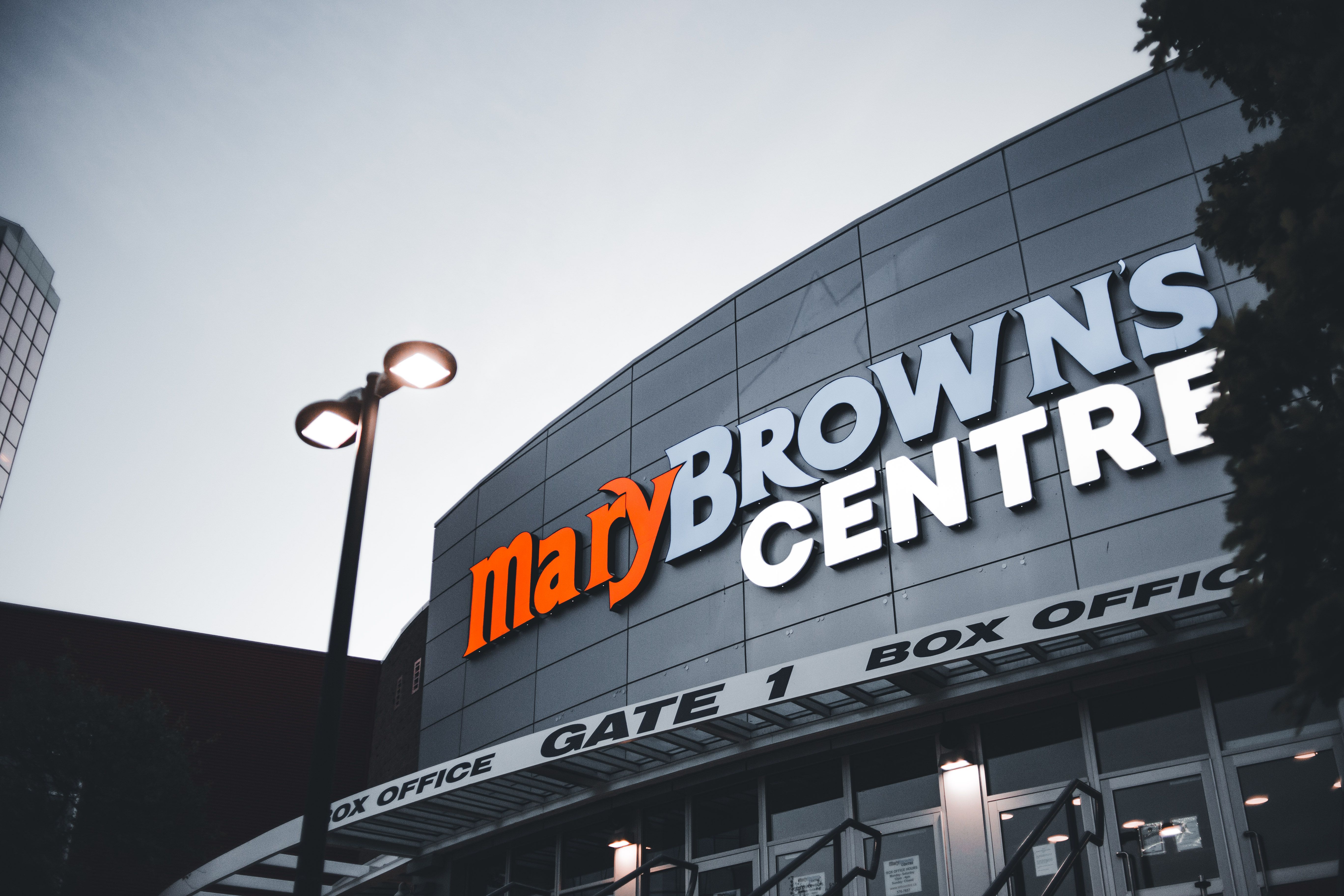
Mary Brown's Chicken surprises people because it feels like a Southern-style American fried chicken chain. The menu language, comfort-food appeal, and franchise format all resemble brands many consumers automatically associate with the United States.
The company's Canadian story began in 1969 in St. John's, Newfoundland and Labrador. It drew on pressure-fried chicken methods and built its identity around hand-cut potatoes, hearty portions, and a more homestyle presentation than many quick-service rivals.
Its Big Mary sandwich became a signature item long before the chicken sandwich category turned into a headline-grabbing competitive battlefield. That matters because it shows the chain was not merely following U.S. trends, but building a loyal customer base with products that had their own staying power.
As the brand expanded across Canada, many newer customers assumed it had crossed the border from the American South. In reality, its endurance reflects a homegrown Canadian chain understanding local franchise growth, regional pride, and comfort-food consistency.
Mr. Sub

Submarine sandwich chains are so dominated in the public imagination by American names that almost any major sub brand gets assumed to be from the U.S. Mr. Sub has spent decades quietly disproving that instinct.
Founded in Toronto in 1968, the chain originally operated as Mr. Submarine. It emerged during a period when sandwich shops were becoming a practical answer to urban lunch crowds looking for something quick, portable, and more customizable than standard fast food.
What distinguished Mr. Sub in Canada was familiarity and timing. It reached many communities early, becoming a default lunch option in plazas, downtown strips, and near schools before international competitors fully saturated the same spaces.
Because the core product is so closely linked with U.S. deli culture, mistaken identity is common. But Mr. Sub is a Canadian original, and its longevity says a great deal about how domestic brands can hold their ground in highly standardized food categories.
St-Hubert
St-Hubert is one of the most unmistakably Canadian chains once you know its history, but outside Quebec especially, people often assume it is American because rotisserie chicken feels like a broadly North American restaurant format. The name can also obscure its roots for those unfamiliar with French Canadian brands.
The company began in Montreal in 1951 and became a powerhouse in Quebec through roast chicken, ribs, and its famous sauce. Delivery also played a major role in its early growth, helping St-Hubert develop habits of repeat ordering long before app-based convenience changed the market.
Its success is tied to regional trust and cultural familiarity. In Quebec, St-Hubert is not just a chain but an institution, one woven into family dinners, road trips, televised advertising memories, and local food identity.
That prominence does not always translate into recognition elsewhere, which is why mislabeling happens. Yet St-Hubert is a strong reminder that Canadian restaurant history is not centered only in English Canada, and some of its biggest brands were built in French-speaking markets.
A&W Canada
This is the chain that creates the most understandable confusion because there is also an A&W history in the United States. Many consumers assume the Canadian restaurants are simply outposts of the American company, but that is not how the business evolved.
A&W arrived in Canada in 1956 and later became a separate Canadian-owned and operated entity. Over time, A&W Canada developed its own menu direction, advertising style, ingredient strategy, and brand voice, distinct from its American counterpart.
In recent years, the Canadian chain has emphasized beef sourcing, antibiotic-free chicken, and beyond-beef options in ways that helped position it as more contemporary than many legacy burger competitors. Its glass mugs of root beer remain iconic, but the brand has not relied on nostalgia alone.
That independence matters. When people call it an American chain in Canada, they overlook decades of separate corporate development and a business approach tailored specifically to Canadian consumers and dining expectations.
Second Cup

Coffeehouse culture is often framed through American giants, so Second Cup is frequently assumed to be another U.S.-born café concept. Its mall presence and polished branding made that misunderstanding even more common during its peak expansion years.
Second Cup was founded in 1975 in Toronto and grew into one of Canada's best-known specialty coffee chains. It expanded during a time when premium coffee, espresso drinks, and café seating were becoming part of mainstream urban and suburban life.
For many Canadians, it was an early introduction to a more upscale coffee routine. The chain helped normalize flavored lattes, café meetings, and the idea that coffee shops could be destinations rather than simple stop-and-go counters.
Even though global competition changed the coffee landscape dramatically, Second Cup remains an important Canadian brand. Its history shows that Canada did not simply import café culture from the U.S., but helped build and popularize its own version.




Leave a Reply