
That sudden urge for mac and cheese, boxed cereal, fries, or a favorite candy bar is rarely just about taste. The foods we loved as kids often become deeply wired into memory, comfort, and routine, which is why they can keep calling to us long after childhood ends. This gallery breaks down the science and psychology behind those lasting cravings, and explains why the snacks and meals of your early years still feel so powerful now.
Early flavor memories get deeply imprinted
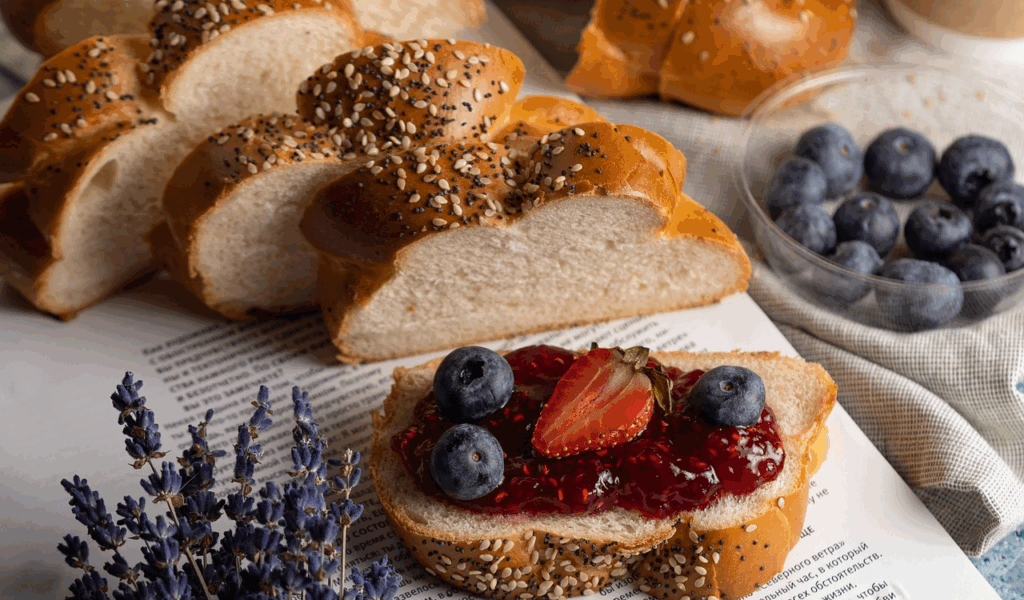
Taste has a long memory. During childhood, the brain is especially busy linking flavors, smells, and textures to daily life, which helps certain foods become more than meals. They turn into familiar signals the mind can recognize instantly, even years later.
Researchers who study food behavior often note that early exposure shapes later preference. If you regularly ate buttery noodles, chicken nuggets, sweet cereal, or warm toast after school, those foods likely became part of your brain's comfort map.
That imprint does not disappear just because your tastes mature. As an adult, one bite can reactivate the same sense of ease, predictability, and reward you felt early on.
Comfort becomes attached to specific foods
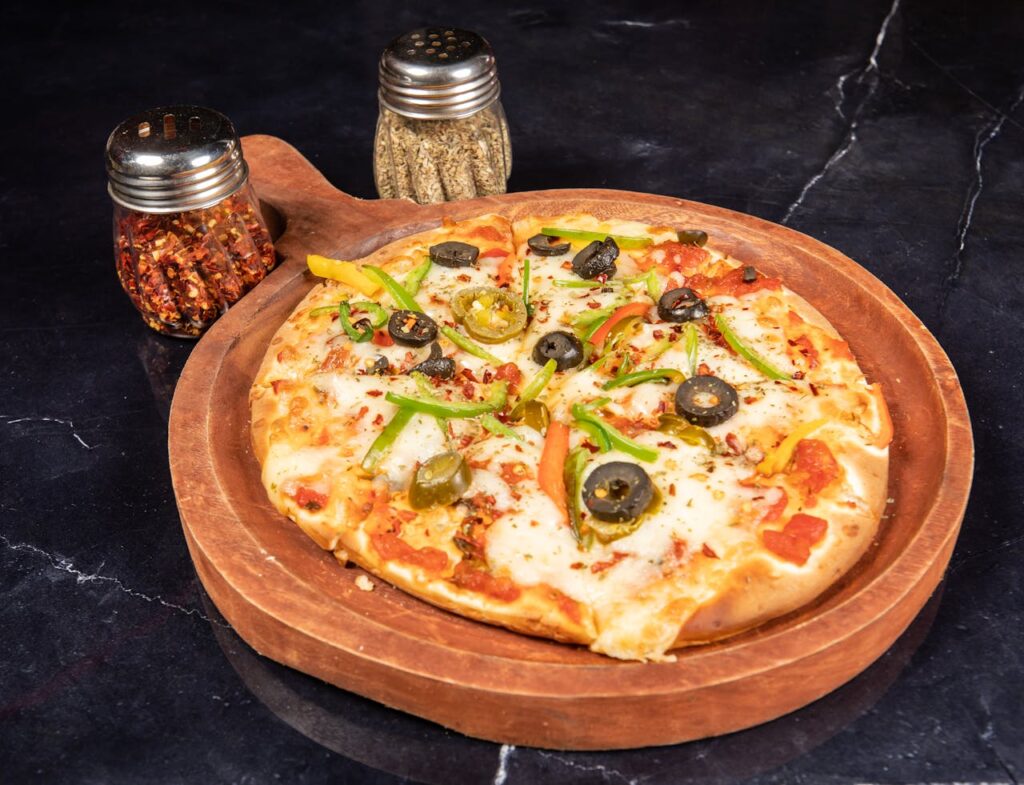
Sometimes the craving is not really for the food itself. It is for the feeling that used to come with it. A grilled cheese on a sick day or pancakes on a slow weekend morning can become emotionally loaded in a way more sophisticated foods never do.
Psychologists have long observed that the brain creates strong associations between comfort and repeated experiences. When a food appears during moments of care, safety, or celebration, it starts carrying those emotions forward.
That is why adult cravings often spike during stress, sadness, or burnout. In those moments, the mind does not ask for novelty. It reaches for the edible version of reassurance, and childhood foods usually fit that role best.
Sugar, salt, and fat trained your reward system early
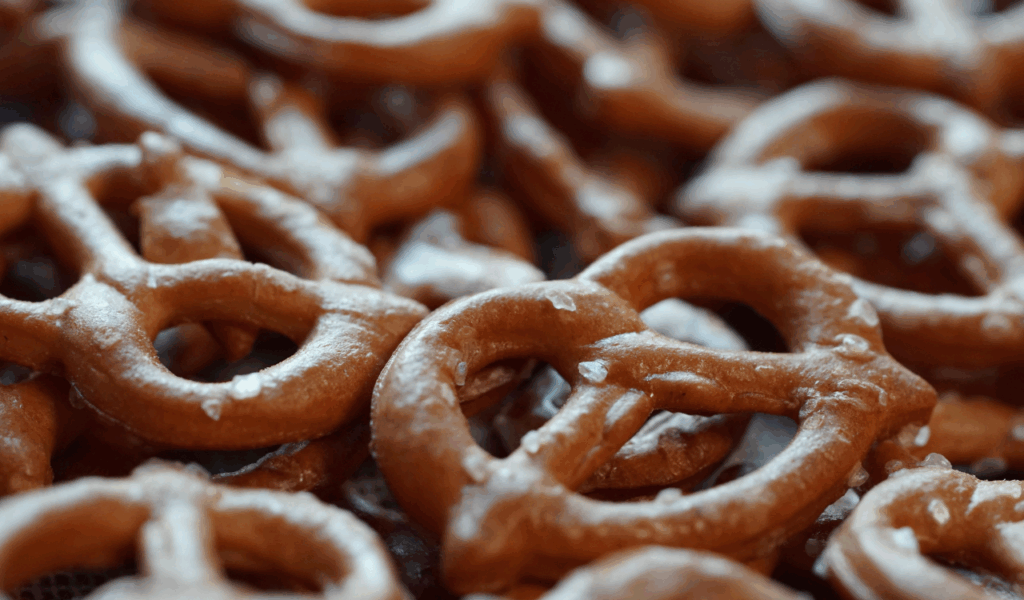
There is a biological reason kid favorites can feel impossible to forget. Many childhood staples are packed with sugar, salt, fat, or a powerful mix of all three, and that combination strongly activates the brain's reward circuitry.
When those foods are repeated often, the brain learns to expect a quick payoff. That does not mean every craving is an addiction, but it does mean certain foods become very efficient at grabbing attention and making themselves memorable.
As adults, we may understand nutrition better, yet the old reward pathways still exist. A frosted snack cake or fast-food fries can still light up the same neural patterns that once made them feel exciting and irresistible.
Repetition turned favorites into lifelong defaults
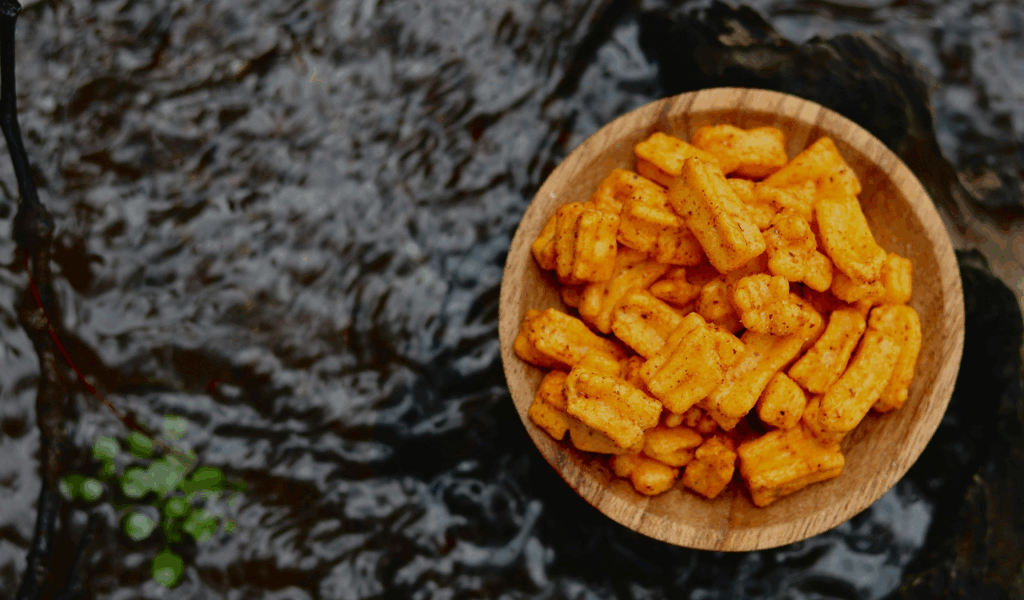
What we eat often, we learn to want often. Childhood is full of repetition, from school lunches to after-school snacks to the same family dinners rotating through the week. That steady exposure makes certain foods feel normal, expected, and satisfying.
Food researchers call this a familiarity effect. The more often we encounter a food, the more likely we are to accept it, trust it, and choose it again. Familiarity reduces uncertainty, which matters more than most people realize.
In adulthood, that pattern can quietly continue. When life gets busy, the brain favors easy decisions, and familiar comfort foods rise to the top because they already feel safe, reliable, and worth the calories.
Smell can unlock cravings in seconds
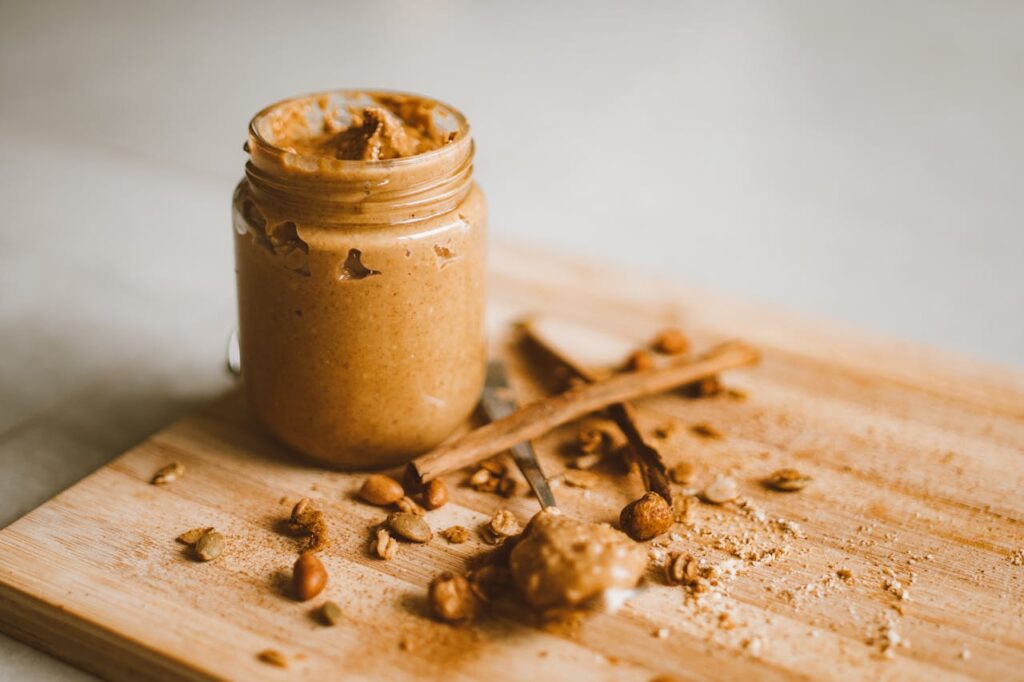
Few things trigger food nostalgia faster than smell. The scent of buttered popcorn, tomato sauce, cinnamon toast, or peanut butter can revive a craving before you have even identified where it is coming from.
That happens because smell is closely tied to brain regions involved in memory and emotion, including the amygdala and hippocampus. Unlike many other senses, scent has a direct line to the systems that store feeling and recall.
This is why adult cravings can seem to appear out of nowhere in a grocery aisle, movie theater, or family kitchen. A familiar smell does not just remind you of a food. It revives a whole emotional scene around it.
Family rituals gave certain foods extra power
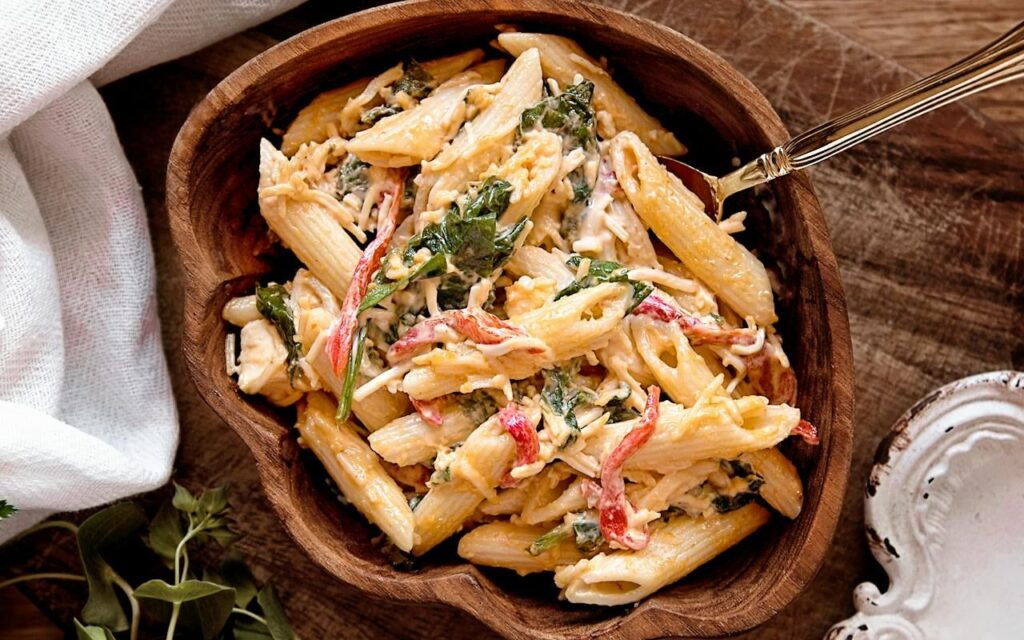
Some foods mattered because of when they appeared, not only how they tasted. Birthday cake, holiday cookies, Sunday pasta, pizza night, or a favorite road-trip snack all gained meaning through ritual, and ritual makes memory stronger.
Family traditions create rhythm and expectation. When the same food shows up at the same moments, it begins to symbolize belonging, celebration, and continuity. Over time, that meaning can become stronger than the flavor itself.
As adults, we often crave those foods when we want connection or a sense of grounding. Eating them can feel like revisiting a family language, one made of recipes, routines, and shared moments that still carry emotional force.
Stress makes the brain seek the familiar
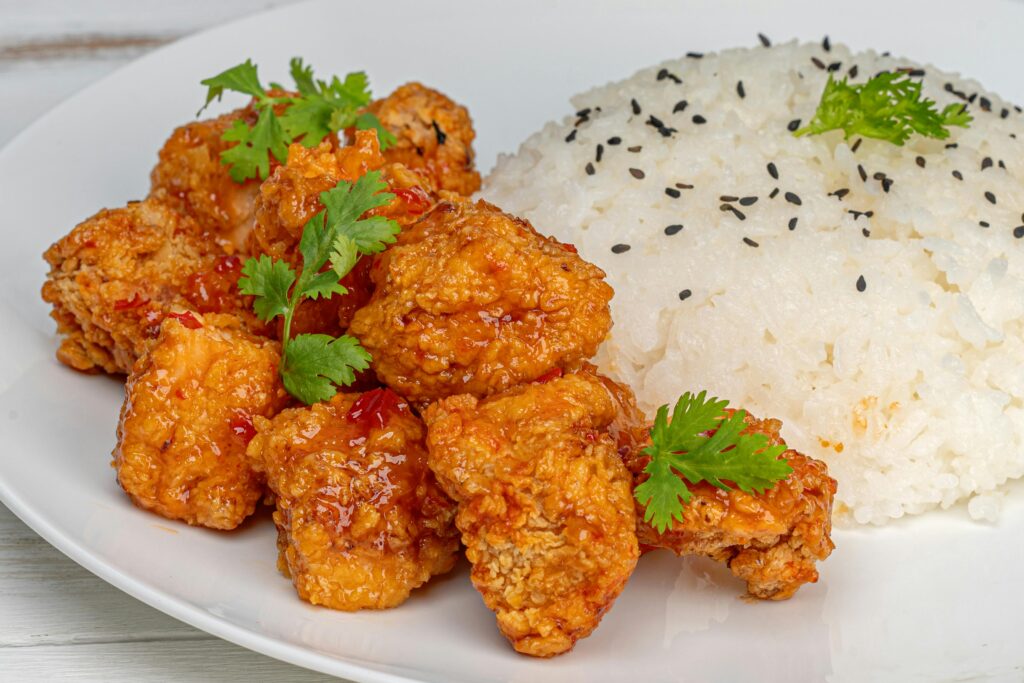
Under pressure, people rarely crave the most complex or unfamiliar meal. Stress pushes the brain toward efficiency and emotional relief, which makes familiar childhood foods especially appealing when adult life feels demanding.
Studies on stress eating suggest that highly palatable foods can temporarily blunt distress for some people by shifting attention and offering a quick sense of reward. The effect is often brief, but the learned pattern can become very persistent.
That is why a hard workday can end with cravings for instant noodles, ice cream, buttery pasta, or chicken tenders. These foods promise something bigger than taste. They promise predictability at a moment when everything else feels taxing.
Texture nostalgia is more powerful than people think

Cravings are not only about flavor. Texture plays a huge role in why childhood foods remain so compelling. The crunch of chips, the creaminess of pudding, the chew of gummy candy, or the softness of mashed potatoes can be deeply satisfying in ways the brain remembers well.
Food scientists often point out that texture helps determine pleasure, fullness, and repeat appeal. For children, texture can be especially important because it shapes whether a food feels fun, soothing, or easy to eat.
As adults, that sensory memory stays with us. Sometimes what we miss is not the exact recipe but the feeling of biting, chewing, scooping, or licking something that once felt instantly rewarding.
Identity keeps favorite foods emotionally alive
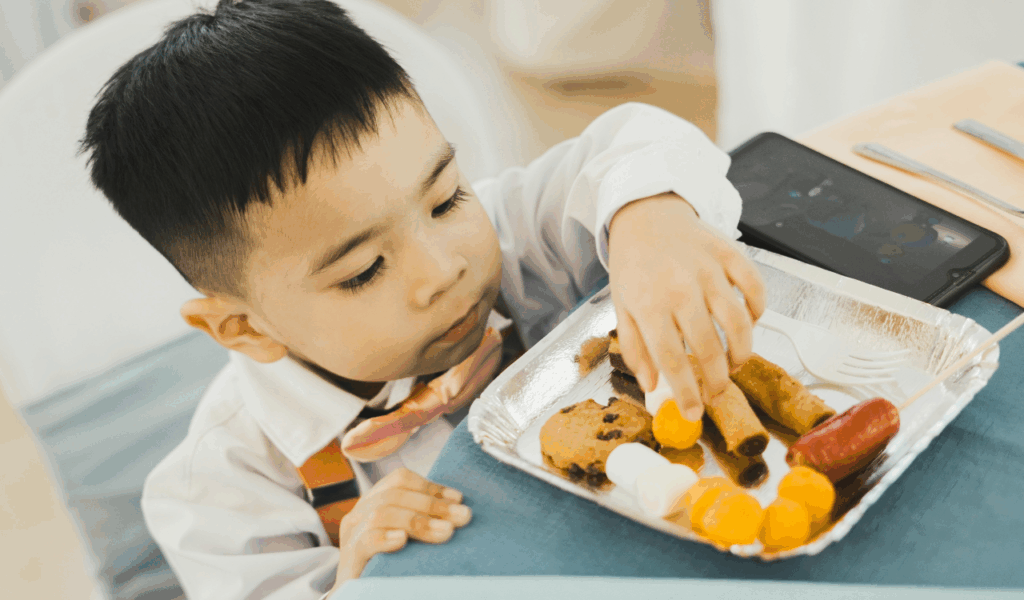
Food becomes part of personal identity earlier than many people realize. The snacks you traded at lunch, the meal you always requested on your birthday, or the dessert tied to your neighborhood can become woven into your story of who you are.
Sociologists and food writers often note that eating is cultural as much as biological. Childhood favorites can reflect family background, region, class, religion, or the era you grew up in. They carry history along with flavor.
That is why letting go of certain foods can feel strangely personal. Craving them is sometimes a way of staying connected to earlier versions of yourself, and to the people and places that first made those tastes matter.




Leave a Reply