
Indigenous foods are showing up on more fine dining menus in Canada, often presented as discovery even though these ingredients and techniques have shaped this land for millennia. That visibility can create overdue recognition for Indigenous chefs, producers, and foodways, but it also raises harder questions about who profits, who gets credited, and what gets lost when living traditions are turned into luxury experiences. These dishes tell a bigger story than trend forecasting ever could.
Bannock

Bannock is often the first Indigenous food many diners think they know, but that familiarity can be misleading. Across Indigenous communities, versions differ in ingredients, shape, and meaning, and many cooks point out that the fried flour version people recognize today is tied to colonial ration systems rather than some timeless, uniform tradition.
When upscale restaurants serve bannock with cultured butter or smoked fish roe, the result can be delicious and still incomplete. The deeper conversation is about context. Is the menu acknowledging how adaptation, survival, and imposed food systems shaped the bread, or is it packaging hardship as rustic charm? Recognition matters, but so does honesty.
Bison

Bison on a white tablecloth menu can read like a natural fit, but the animal carries enormous historical weight. For many Plains Indigenous nations, bison was not just food. It was central to economy, mobility, ceremony, clothing, tools, and governance, which makes its near-eradication inseparable from colonial violence.
Today, chefs may serve bison tartare, loin, or braised short rib as a symbol of regional identity. That can be meaningful when Indigenous ranchers, hunters, and cooks are part of the story. Without that connection, the dish risks flattening a living relationship into a premium protein. The issue is not whether bison belongs in fine dining. It is whether the story served alongside it is complete.
Arctic Char

Arctic char is prized by chefs for its rich flesh and clean flavor, but in Inuit Nunangat it is far more than a luxury fish. It has long been part of local food systems shaped by season, travel, sharing networks, and intimate environmental knowledge. In that context, char is everyday sustenance and cultural continuity at once.
When southern restaurants feature char with foraged greens and elegant sauces, they often frame it as pristine and remote, language that can exoticize the North. The more responsible approach is to talk about harvesters, fisheries, and food sovereignty, especially in regions where market prices and transport costs can make local traditional foods harder for local people to access than for affluent diners in major cities.
Wild Rice
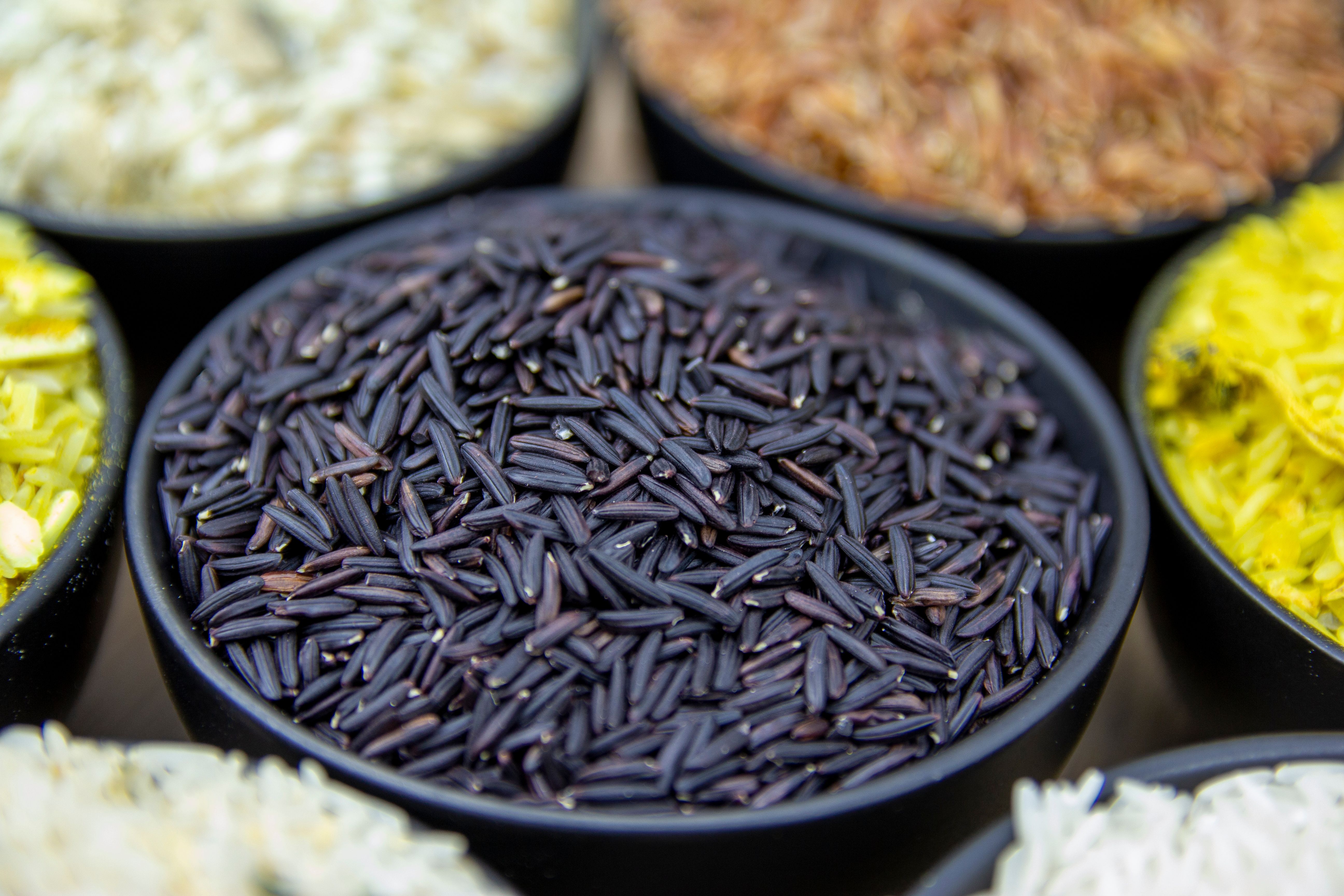
Wild rice is one of the clearest examples of how language shapes understanding. Much of what restaurants call wild rice is actually cultivated grain that differs greatly from manoomin, the sacred aquatic grass traditionally harvested by Anishinaabe communities. Treating all of it as interchangeable erases both ecological and cultural specificity.
In fine dining, wild rice often appears as a refined pilaf, crisp garnish, or base for game. Those uses are not the problem on their own. The complication begins when menus borrow the prestige of Indigenous foodways without naming harvest traditions, territorial ties, or stewardship practices. For many Indigenous advocates, proper sourcing and precise naming are not details. They are the foundation of respect.
Three Sisters Dishes

Corn, beans, and squash are often grouped together under the name Three Sisters, and in many Indigenous traditions they represent an agricultural system built on reciprocity. The planting method is both practical and philosophical, with each crop supporting the others. It is a food lesson and a worldview in the same frame.
Restaurants love the story because it is vivid and elegant, but that can encourage simplification. A neat menu blurb may reduce diverse Haudenosaunee and other Indigenous teachings into a tidy sustainability metaphor for urban diners. The dishes can be beautiful and genuinely educational when chefs ground them in actual community knowledge. Without that grounding, the idea becomes decorative, even when the flavors are handled with care.
Cedar-Planked Salmon

Cedar-planked salmon is widely associated with the Pacific Northwest, and that popularity has brought both admiration and distortion. For many Coast Indigenous peoples, salmon is tied to governance, ceremony, trade, and ecological responsibility. Cooking with cedar is part of a larger relationship to place, not just a memorable restaurant technique.
In upscale dining rooms, the dish can become a familiar luxury, polished and detached from the communities that shaped it. The concern is not that non-Indigenous chefs should never cook salmon this way. It is that menus often celebrate method while ignoring the rights, fisheries struggles, and environmental pressures surrounding salmon today. A dish rooted in abundance now also carries stories of depletion and protection.
Venison
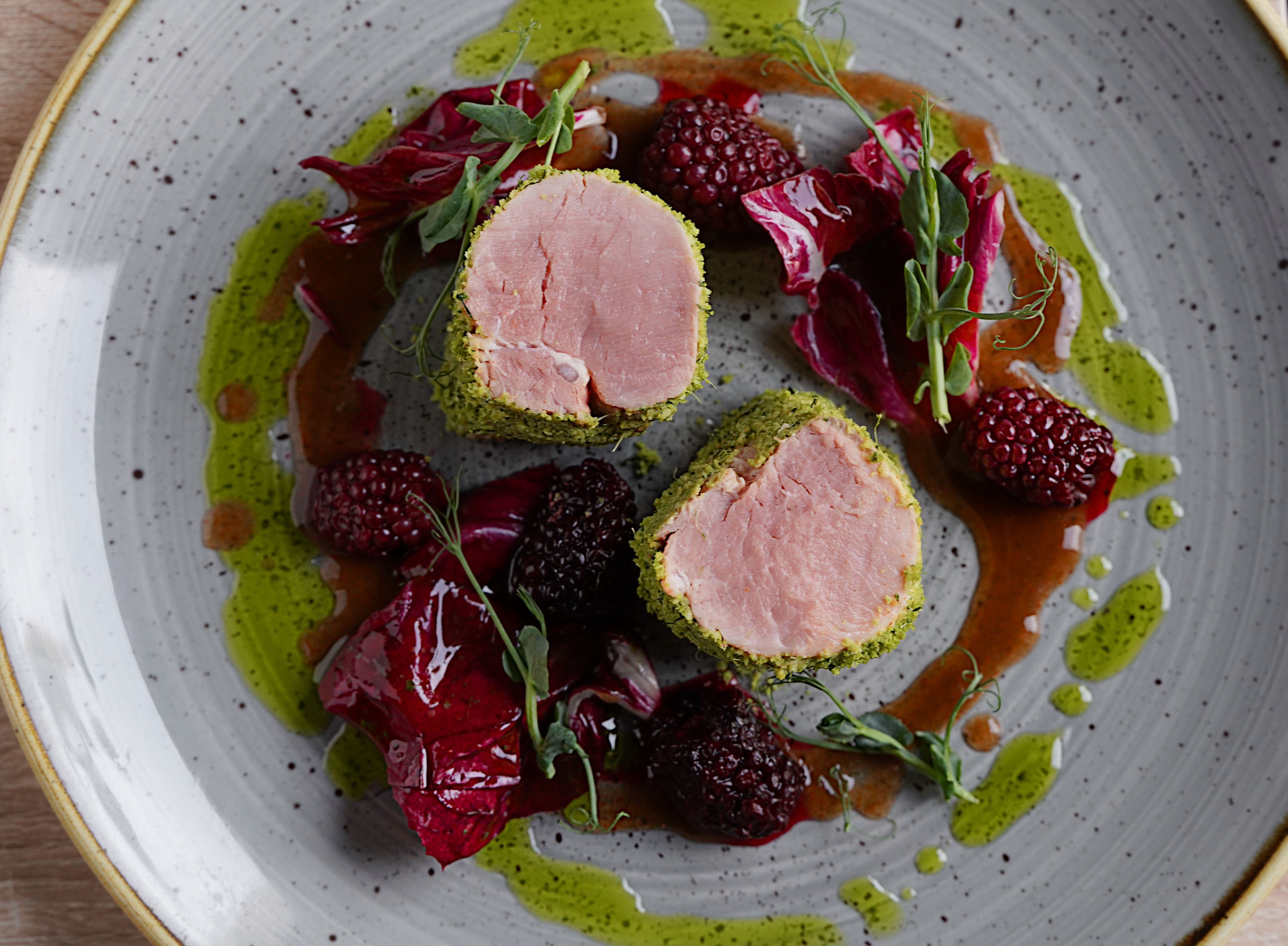
Venison frequently appears on tasting menus as the noble face of Canadian wilderness, but that framing can be too romantic to be accurate. For many Indigenous communities, deer and caribou harvesting are shaped by kinship, local rules, seasonal knowledge, and obligations to use the animal respectfully. It is food with a moral structure around it.
Once venison is reduced into jus, paired with berries, and sold as terroir, that structure can disappear from view. Some Indigenous chefs are reclaiming the narrative by showing that refinement and tradition are not opposites. Still, critics ask who has access to the animal, who is licensed to serve it, and why foods tied to community survival are often most expensive in places far removed from those communities.
Foraged Berries and Plants

Foraging sounds gentle and wholesome on a menu, yet it is also knowledge-intensive work tied to territory, timing, and community memory. Saskatoon berries, Labrador tea, spruce tips, juniper, sweetgrass, and countless other plants are not simply flavor notes. They come from places with names, protocols, and histories.
Fine dining often turns these ingredients into the language of rarity, which can border on extraction when chefs or suppliers gather from Indigenous lands without relationship or permission. Many Indigenous cooks welcome wider appreciation for native plants, but they also stress stewardship over novelty. The question is not whether diners should enjoy these tastes. It is whether the restaurant understands that access to land is political, not just culinary.
Seal
Few Indigenous foods expose southern misunderstandings as quickly as seal. In Inuit communities, seal has long been a vital source of nourishment, clothing, fuel, and cultural continuity, especially in environments where imported food is expensive and often poor in quality. Public debate around seal has frequently ignored those realities in favor of outside moral narratives.
That is one reason seal rarely appears on mainstream restaurant menus, even as chefs become more interested in Indigenous foods. When it does enter conversation, it forces a sharper reckoning than trendier ingredients do. People have to confront how activism, policy, and southern sentiment have affected northern livelihoods. The discomfort matters because it reveals that food politics are never only about taste.



Leave a Reply