
Massachusetts cooking tells the story of the Bay State through its shoreline, farms, immigrant kitchens, and old New England traditions. These nine recipes are more than local favorites. They are edible pieces of history that still show up at summer shacks, holiday tables, church suppers, and neighborhood bakeries. From briny seafood classics to deeply rooted desserts, this gallery explores the dishes that help define Massachusetts one bite at a time.
New England Clam Chowder

Few dishes say Massachusetts more clearly than a steaming bowl of clam chowder. The state's version is the classic New England style, built on clams, potatoes, onions, salt pork or bacon, and a creamy broth that feels both hearty and coastal. It is especially tied to Boston, Cape Cod, and fishing towns where shellfish have long shaped local cooking.
The best recipes let the clams lead. Their briny sweetness gives the soup its identity, while potatoes add body without turning it heavy. Oyster crackers are the traditional finish, and many cooks insist chowder should be thick enough to coat a spoon but never so dense that it loses its delicate seafood flavor.
Lobster Roll
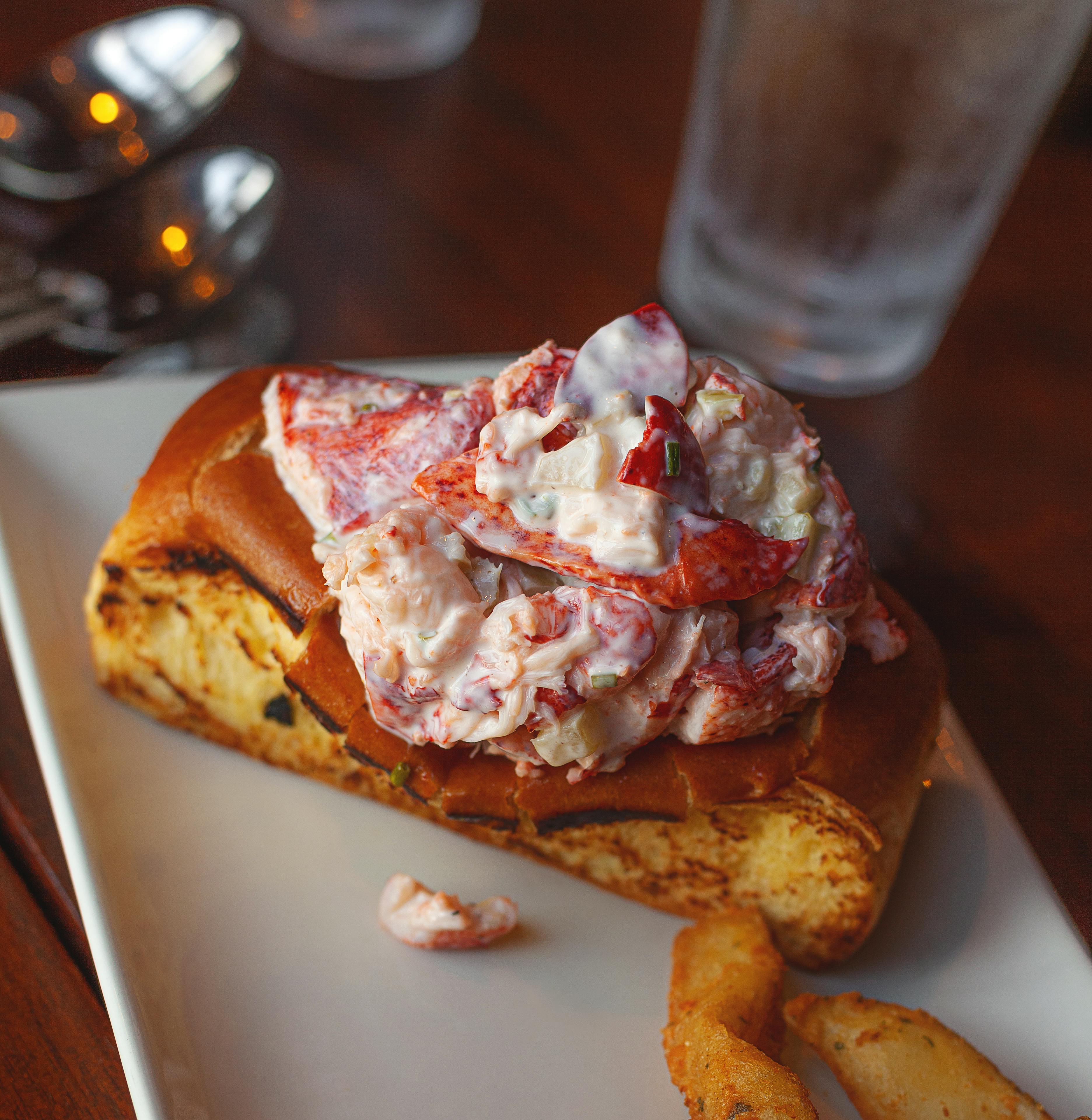
The lobster roll captures the Massachusetts coast in one simple, luxurious sandwich. In the Bay State, the filling is often lightly dressed with mayonnaise, sometimes with a touch of celery or lemon, then piled into a toasted split-top bun. It is less about embellishment and more about letting sweet lobster meat stay front and center.
This recipe became iconic because it turns a prized local catch into something casual and approachable. On Cape Cod, the North Shore, and in harbor towns, lobster rolls are summer shorthand for salt air and roadside seafood counters. A good version balances chilled lobster, buttery bread, and just enough seasoning to make the shellfish taste even fresher.
Boston Baked Beans
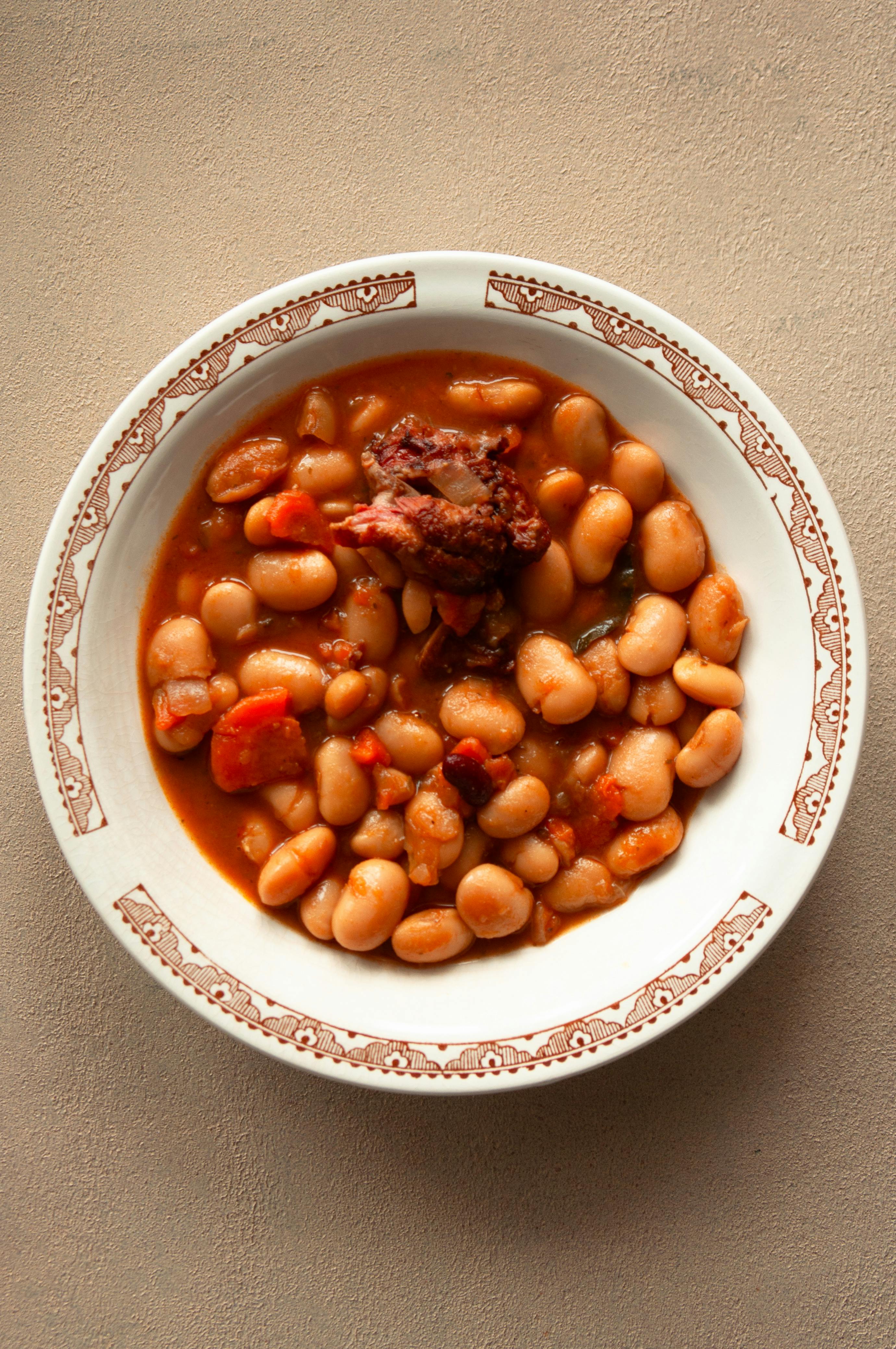
Boston's nickname, Beantown, did not appear by accident. Boston baked beans are one of the city's oldest signature dishes, traditionally made by slow-cooking navy beans with salt pork, molasses, mustard, and onion until they become dark, rich, and deeply savory-sweet. The molasses connection reflects Boston's long role in Atlantic trade.
What makes this recipe memorable is patience. The beans soften gradually and absorb a flavor that feels earthy and almost smoky, even when the ingredient list is modest. They were once a Saturday staple in many New England homes, often baked overnight and served with brown bread, creating a meal that was practical, filling, and distinctly Massachusetts.
Boston Cream Pie
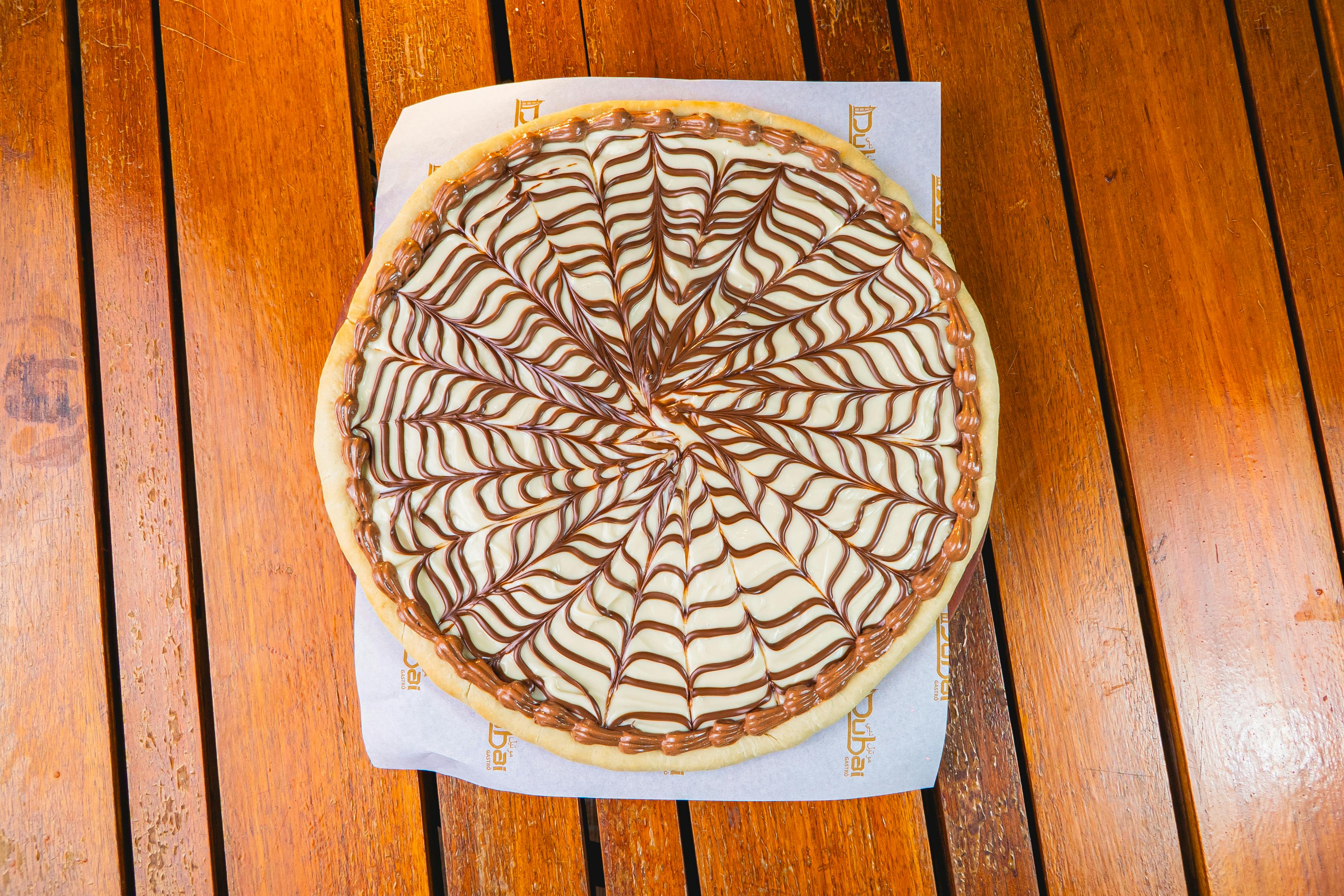
Boston cream pie is not a pie at all, which is part of its charm. The dessert is actually a layer cake filled with pastry cream and topped with a glossy chocolate glaze, a combination widely linked to Boston's Parker House in the 19th century. It remains the official state dessert of Massachusetts, and for good reason.
Its appeal comes from contrast. The sponge layers stay light, the custard filling is smooth and rich, and the chocolate top adds a clean, elegant finish. Unlike heavier cakes, this one feels polished and celebratory without being overly complicated. It is a dessert that reflects Boston's old hotel dining culture while still feeling completely at home in modern bakeries.
Indian Pudding
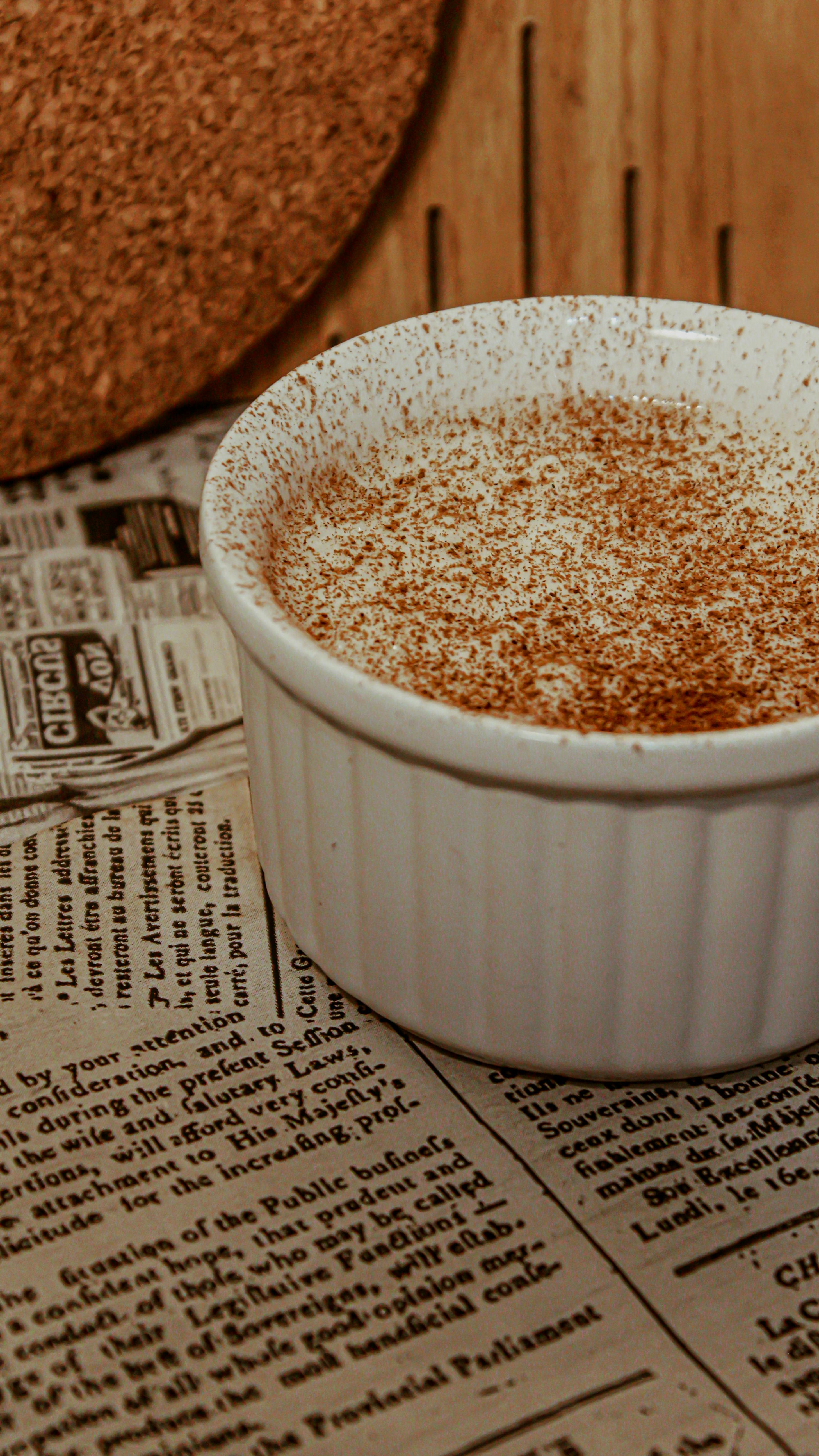
Indian pudding is one of the oldest surviving desserts in New England, and Massachusetts has long been one of its strongholds. Made with cornmeal, milk, molasses, and warm spices, it evolved from early colonial adaptations of English puddings using Native-grown corn instead of wheat. The result is slow-baked, deeply flavored, and unmistakably rooted in regional history.
The texture is part of its identity. It is softer and more spoonable than cake, with a gentle grain from the cornmeal and a caramel depth from molasses. Cinnamon, ginger, or nutmeg often round it out. Served warm, sometimes with vanilla ice cream or cream, it tastes like late autumn in a New England kitchen.
Johnnycakes

Johnnycakes show how simple ingredients can carry generations of regional meaning. In Massachusetts, these cornmeal cakes have deep colonial and Indigenous roots, and they were prized because they were affordable, portable, and easy to cook on a griddle. Depending on the recipe, they can be thin and crisp or softer and more bread-like.
What keeps them iconic is their versatility. Johnnycakes can appear at breakfast with butter and syrup, alongside baked beans, or as a side for fried seafood. Their flavor is pleasantly toasty and a little sweet from the corn itself. They connect modern diners to a much older New England food tradition that began with necessity and endured through habit and affection.
Fried Clams

Fried clams are one of Massachusetts' great summer foods, and the state has a particularly strong claim to them through the North Shore. The classic version uses whole-belly clams, which deliver a fuller ocean flavor and a softer interior than clam strips. Light breading and quick frying create the contrast that fans crave.
This dish became a regional icon because it turns a local shellfish into fair-weather comfort food. Served with tartar sauce, lemon, and fries, fried clams are a staple at beach shacks and roadside seafood spots from Essex to Cape Ann. Done right, they are crisp without greasiness, salty without harshness, and unmistakably tied to Massachusetts seafood culture.
Cod Cakes
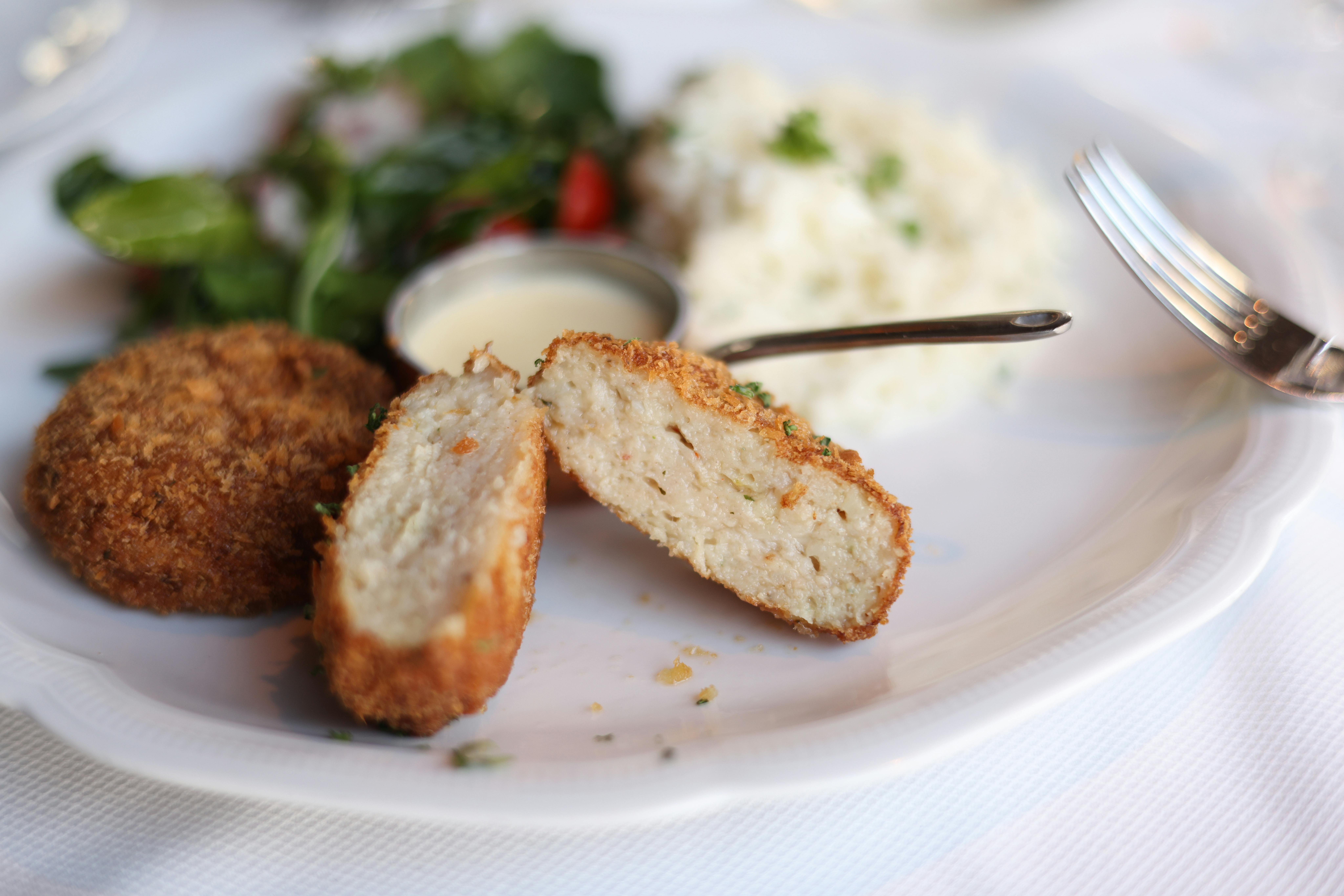
Cod helped build New England's economy, and cod cakes remain one of the clearest reminders of that legacy. In Massachusetts kitchens, the recipe usually combines flaked cod with mashed potatoes, onion, herbs, and seasonings before shaping the mixture into patties and pan-frying or baking them. Salt cod versions were especially important in earlier generations.
The beauty of cod cakes is their restraint. They are savory but not heavy, crisp on the outside and tender in the center, with fish flavor that stays mild and clean. They were often a practical way to stretch seafood into a family meal, yet they still feel special. Today they carry both thrift and tradition in equal measure.
Cranberry Sauce

Massachusetts and cranberries have a long and practical relationship, especially in the southeastern part of the state where bogs remain part of the landscape. Cranberry sauce may seem simple, but in Massachusetts it represents an ingredient with real agricultural importance. The basic recipe of cranberries, sugar, and water lets the fruit's bright tartness shine.
Its iconic status goes well beyond Thanksgiving. Cranberries speak to the state's farming history just as clearly as cod and clams speak to its coast. A well-made sauce should be vivid, not flat, with enough sweetness to balance the fruit without muting it. Some cooks add orange zest or spices, but the best versions still taste unmistakably like Massachusetts cranberries.




Leave a Reply