Ice cream feels simple: cold, sweet, familiar, and instantly comforting. But behind every scoop is a mix of food science, history, and surprising trivia that can make your next bite taste a little more interesting. From why vanilla became king to what really causes brain freeze, these facts reveal how much is packed into a dessert most of us think we already know.
A scoop usually disappears in about 50 licks
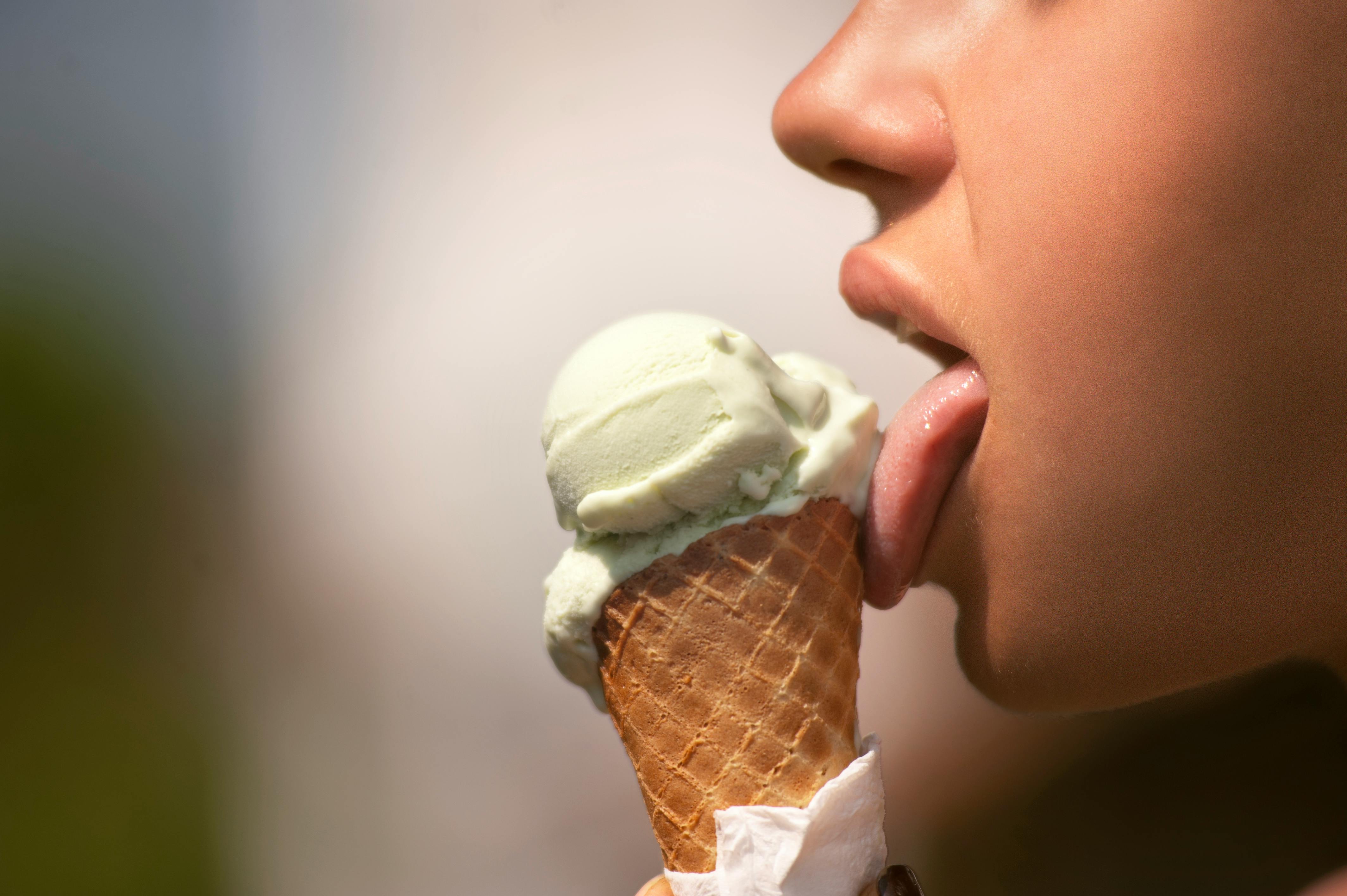
One of ice cream's most playful facts is that the average scoop takes about 50 licks to finish. It sounds like trivia made for a summer party, but it also says something real about how people naturally pace cold foods compared with cookies, cake, or candy.
Ice cream asks you to slow down. Temperature dulls flavor at first, then the taste blooms as it warms on the tongue. That means each lick changes the experience a little. A scoop is never exactly the same from first taste to last, which may be why people turn such a simple dessert into such a lingering ritual.
The United States leads the world in ice cream consumption

Americans eat an enormous amount of ice cream, and the United States is widely cited as the top consumer, with countries like Australia and Norway often close behind in per-person enthusiasm. That appetite has shaped everything from grocery freezer aisles to roadside stands and premium pint culture.
What makes that fact interesting is not just quantity. Ice cream in the U.S. became tied to celebration, convenience, and nostalgia all at once. It is a birthday dessert, a comfort food, a post-game treat, and a supermarket staple. When a country eats that much ice cream, it turns a dessert into part of everyday life.
Vanilla is still the flavor to beat
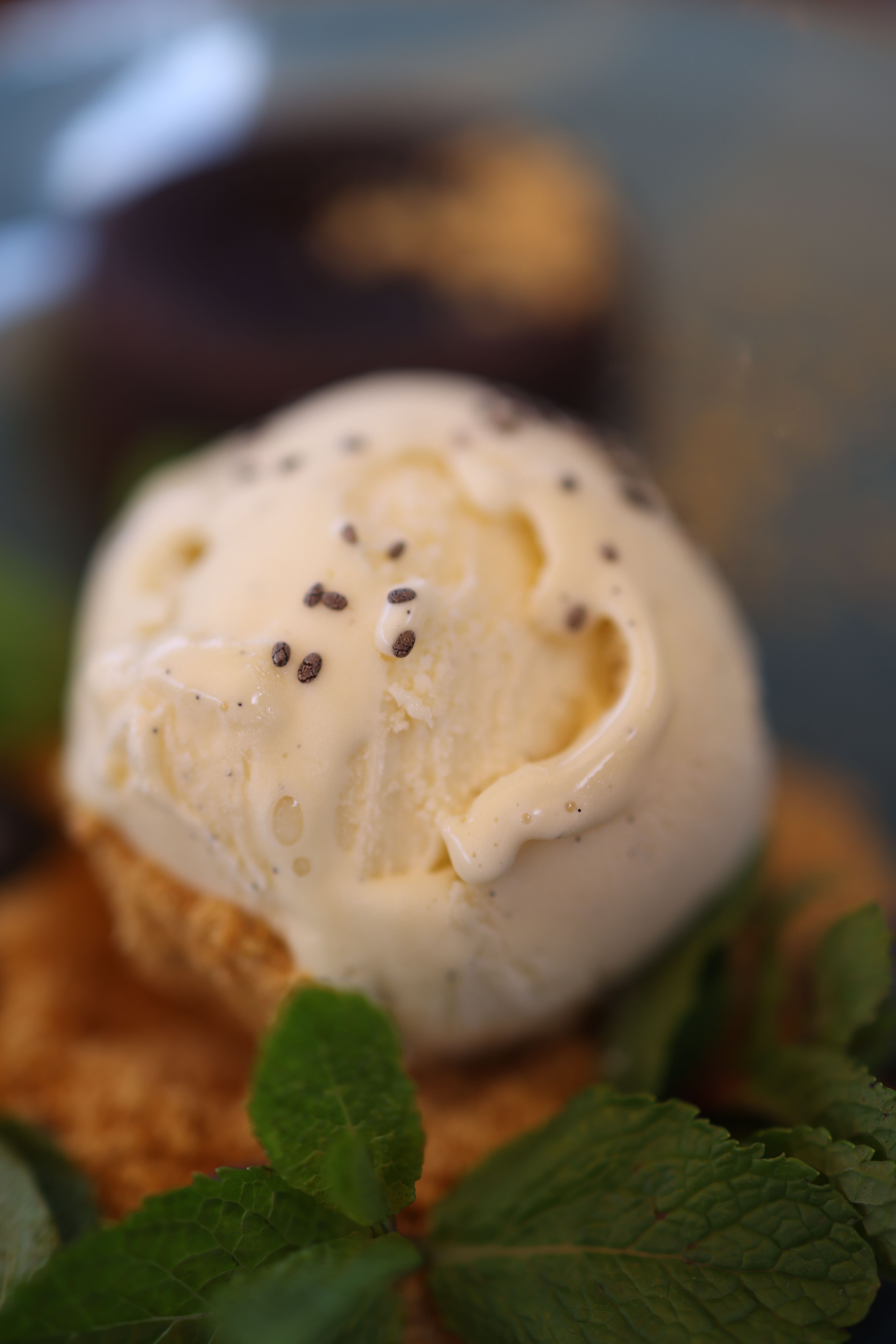
Vanilla often gets treated like the plain option, yet it remains the most popular ice cream flavor, with chocolate usually following close behind. That says less about a lack of imagination and more about how satisfying vanilla can be when it is made well.
A good vanilla scoop is not neutral. It can taste floral, creamy, buttery, and gently spicy depending on the beans or extract used. It also acts like a perfect stage for hot fudge, fruit, caramel, and pie. In other words, vanilla wins not because it is boring, but because it is versatile, balanced, and reliably delicious.
Chocolate ice cream came before vanilla

Most people assume vanilla was first because it feels old-fashioned and familiar. In fact, chocolate ice cream appeared before vanilla in historical records, a reminder that our ideas about classic flavors do not always match the timeline.
Early chocolate desserts reached Europe through global trade routes long before vanilla became widely available and affordable. At one point, vanilla was rare enough to signal luxury on its own. That flips the modern story on its head. Today, chocolate can feel like the richer choice, but historically, vanilla had an exotic reputation that made it anything but ordinary.
Vanilla used to be rare and expensive

In the late 1700s, vanilla was considered exotic, scarce, and costly. That matters because flavor trends are shaped by access as much as taste. What we now think of as standard once carried a sense of distance, luxury, and novelty.
Vanilla comes from orchids, and the beans require labor-intensive cultivation and curing. For centuries, that made vanilla a special ingredient rather than an everyday one. When you taste vanilla ice cream now, you are tasting a flavor that traveled a long road from rarity to supermarket staple. Its quiet familiarity hides a history of global trade, agriculture, and changing consumer habits.
In early America, ice cream was a luxury for the elite
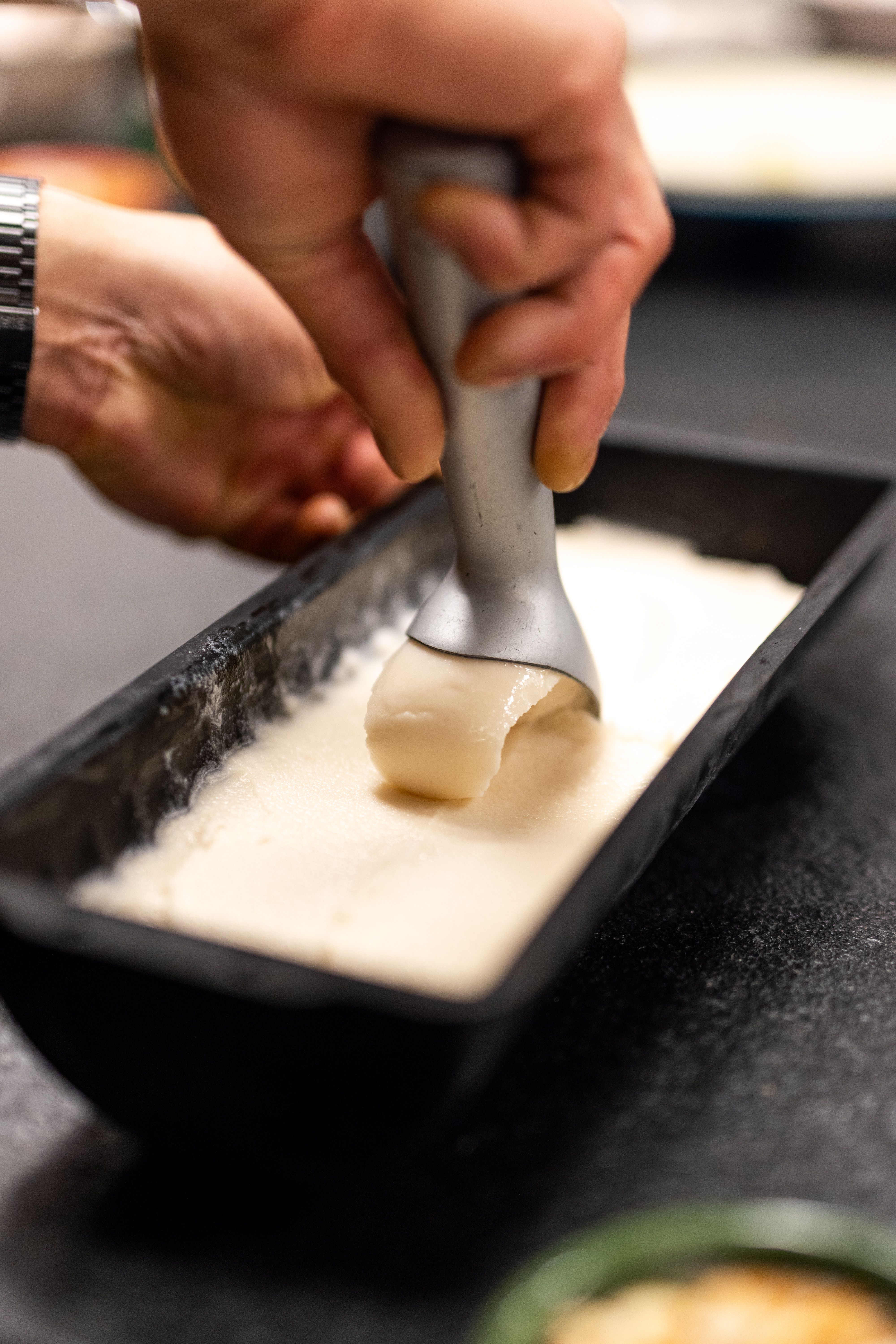
Ice cream in 1700s America was not the casual dessert we know today. It was rare, labor-intensive, and mostly enjoyed by wealthy households that could afford imported ingredients, large quantities of ice, and the staff or time needed to prepare it.
Before modern refrigeration, keeping anything frozen required planning and privilege. Ice had to be harvested, stored, and used carefully, which made a chilled dessert feel almost theatrical. That history adds another layer to a simple scoop. What now sits beside frozen pizza in a home freezer once functioned more like a status symbol served at formal tables.
The first written ice cream recipe dates back to 1665
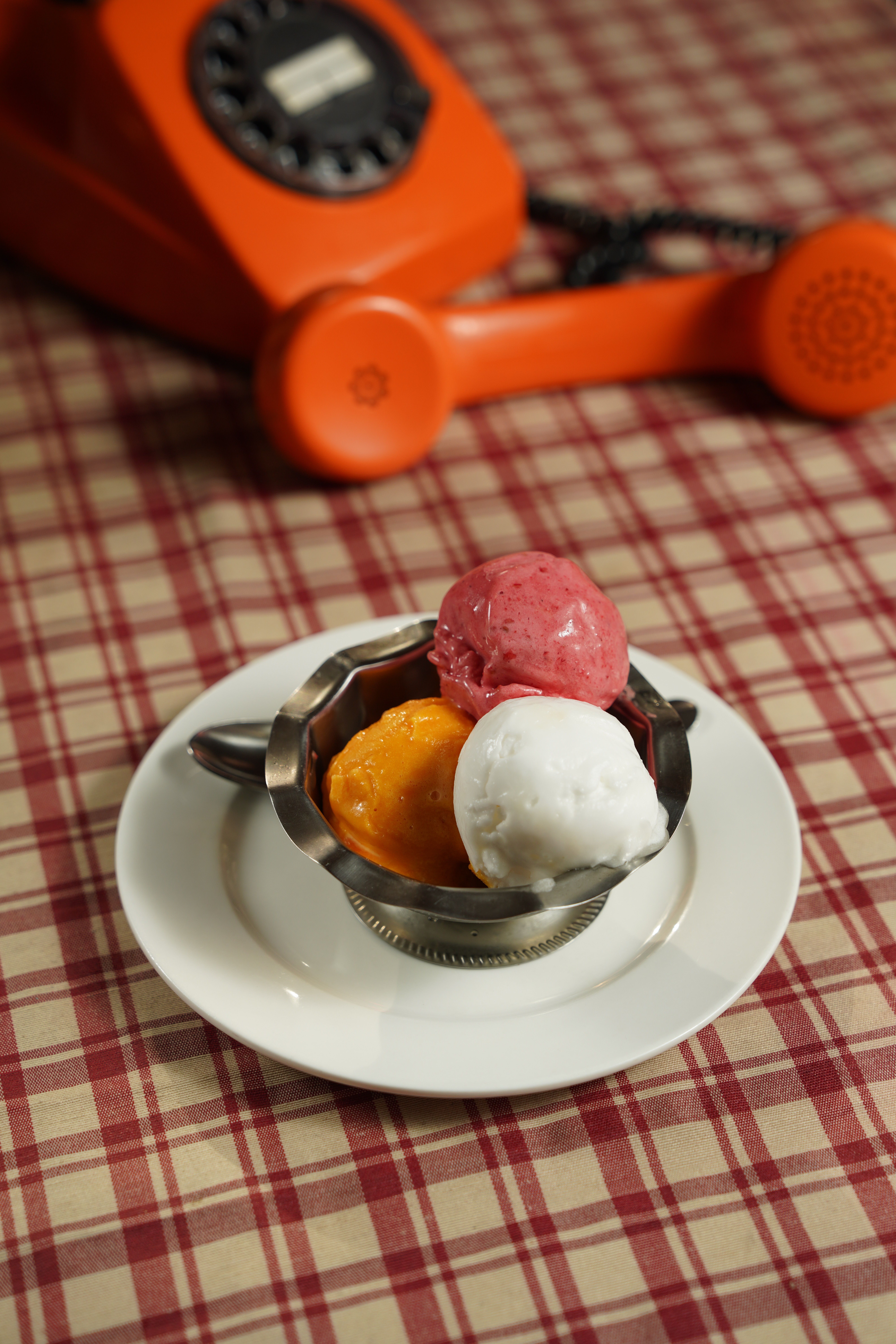
One of the earliest known written recipes for ice cream appears in a 1665 recipe book, showing that people were documenting frozen desserts centuries before electric churns and insulated delivery trucks made them easy to produce.
That written record matters because recipes preserve more than ingredients. They capture technique, technology, and taste preferences of the time. Early frozen desserts were often closer to flavored creams or ices than the ultra-smooth products many people buy today. Still, the basic desire was the same: take cream, sweetness, and chill, then turn them into something festive enough to feel memorable.
Most American households keep ice cream at home
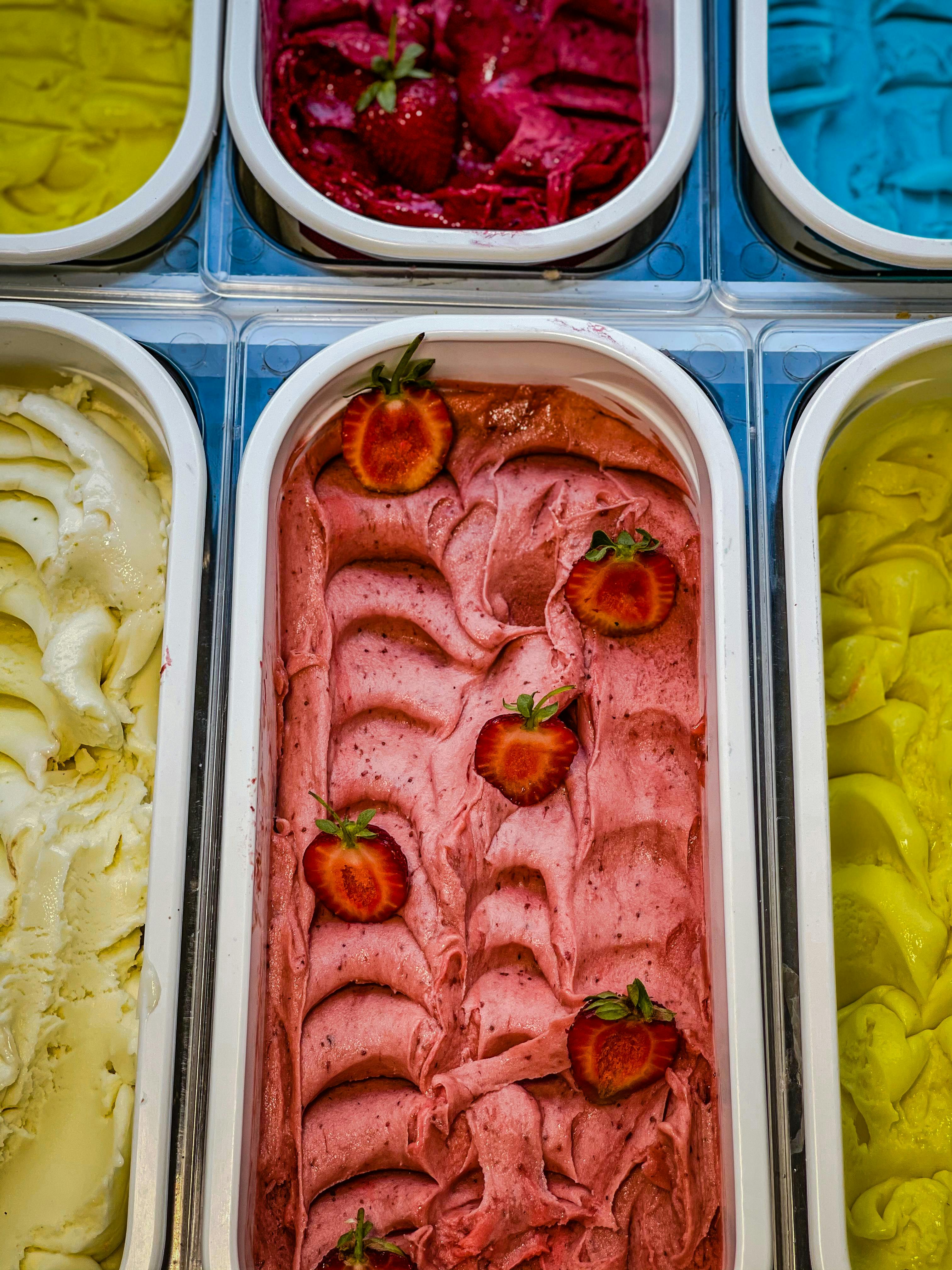
Around 90% of Americans are said to have ice cream in their freezers, which is a striking sign of how deeply the dessert has settled into everyday life. Few treats cross age groups, seasons, and shopping habits with that kind of reach.
Part of the appeal is convenience. Ice cream asks almost nothing of you once it is home. It can be dessert for guests, a late-night snack, or a fast reward after a long day. That freezer presence also changes how we think about it. Ice cream is no longer only an outing or an event. For many households, it is simply part of being stocked up.
Brain freeze is a real nerve reaction

That sharp, sudden pain from eating ice cream too fast has a scientific explanation. Brain freeze happens when the cold hits the roof of the mouth and triggers nerves that signal a rapid loss of heat, producing the intense sensation people know immediately.
It is brief, but it feels dramatic because the body is reacting to a quick temperature change in a sensitive area. The easiest fix is to slow down and let the mouth warm naturally. In a way, brain freeze is ice cream's built-in reminder to savor it. The dessert literally tastes better when you stop rushing through the coldest bites.