
Some of North America's most familiar comfort foods come with a case of mistaken identity. While they are often folded into the American food story, several classics were first created north of the border in Canada. From diner staples to snack aisle legends, these dishes and treats have Canadian origins worth knowing.
Hawaiian Pizza

This one surprises people every time. Hawaiian pizza feels so deeply baked into American delivery culture that many assume it started in the United States, but its birthplace was actually Chatham, Ontario.
In 1962, Greek-born restaurateur Sam Panopoulos added canned pineapple to a pizza at his restaurant, the Satellite. He named it after the brand of pineapple he used, not the state of Hawaii. The salty-sweet combination was unusual at the time, but Panopoulos was experimenting with the bold, mixed flavors that were becoming popular in North American dining.
Love it or argue about it forever, Hawaiian pizza is a Canadian invention with one of the most famous identities in modern food.
Poutine
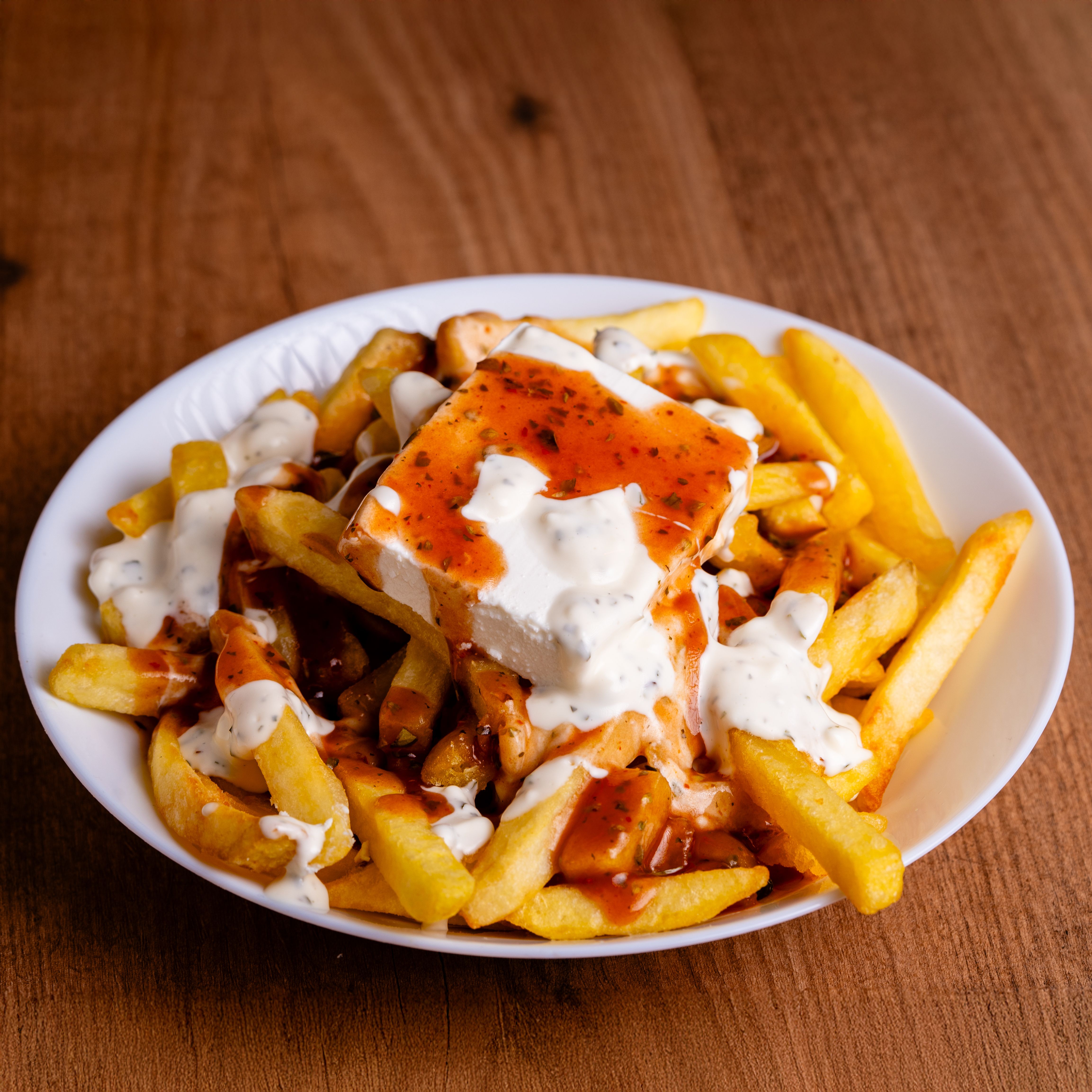
If any dish captures the spirit of Canadian comfort food, it is poutine. Americans now serve versions everywhere from gastropubs to baseball stadiums, but the original came out of rural Quebec in the 1950s.
The classic formula is simple and very specific: french fries, fresh cheese curds, and hot brown gravy. Several Quebec eateries are tied to its early history, including Le Lutin qui rit in Warwick and restaurants in Drummondville, where the dish quickly gained local fame. Its genius is in the texture, with crisp fries, squeaky curds, and gravy that brings everything together.
Many U.S. versions pile on extras, but true poutine starts with Quebec's straightforward, rich original.
Butter Tarts
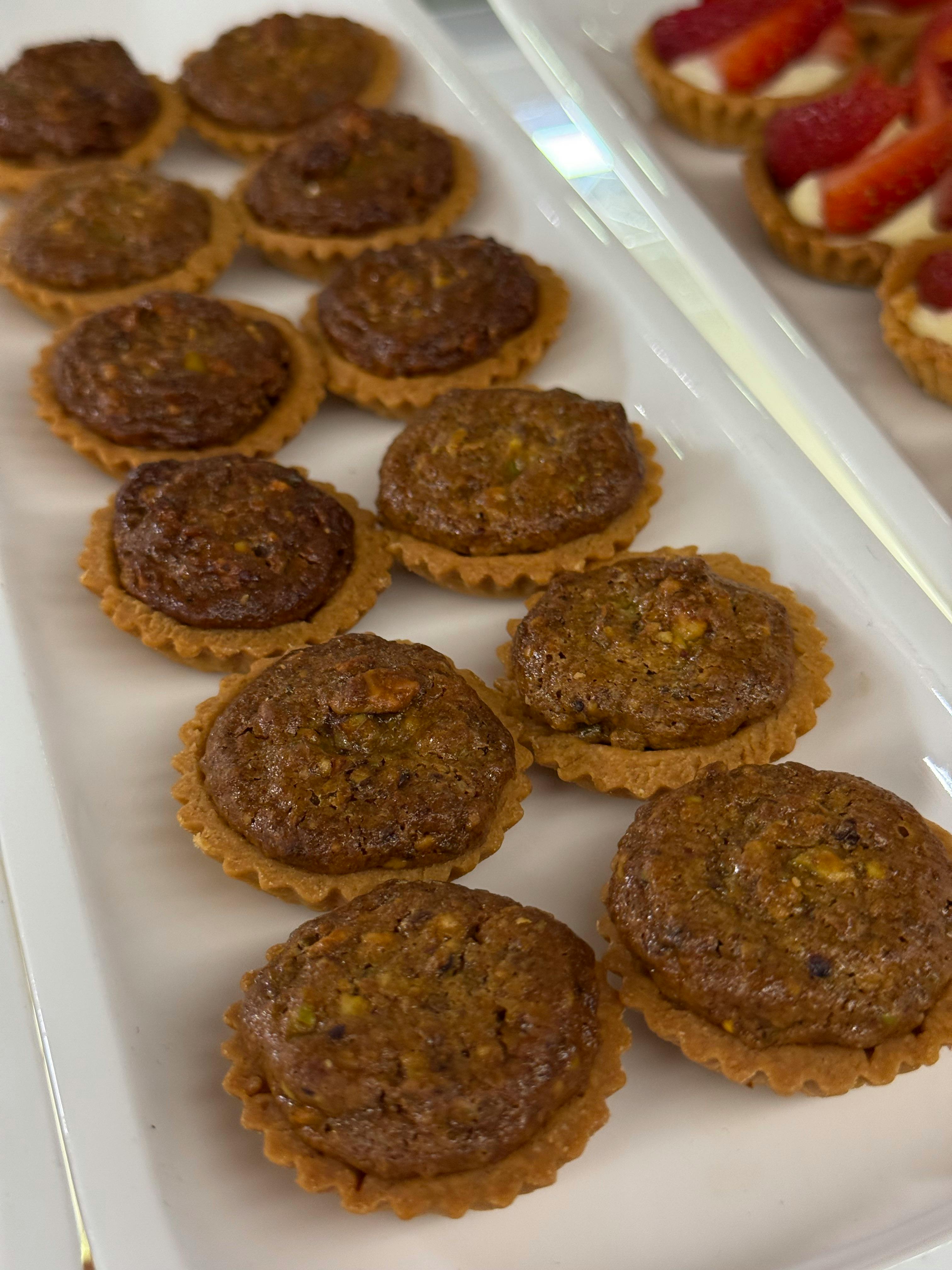
Few desserts feel more quietly Canadian than the butter tart. It looks simple enough to belong everywhere, which may be why so many people outside Canada assume it is just another old-fashioned American pastry.
Its roots run deep in Ontario, with printed recipes appearing in the early 1900s and influences that likely trace back to French Canadian cooking and settler baking traditions. The filling is made from butter, sugar, syrup, and egg, baked inside a flaky shell until rich and glossy. Some bakers add raisins or nuts, while purists insist the tart needs no help at all.
The debate over runny versus firm filling is real, but the tart itself is unmistakably Canadian.
Nanaimo Bars
This dessert does not just come from Canada. It announces its hometown right in the name. Still, outside the country, many people treat Nanaimo bars like a generic bakery square with no clear origin story.
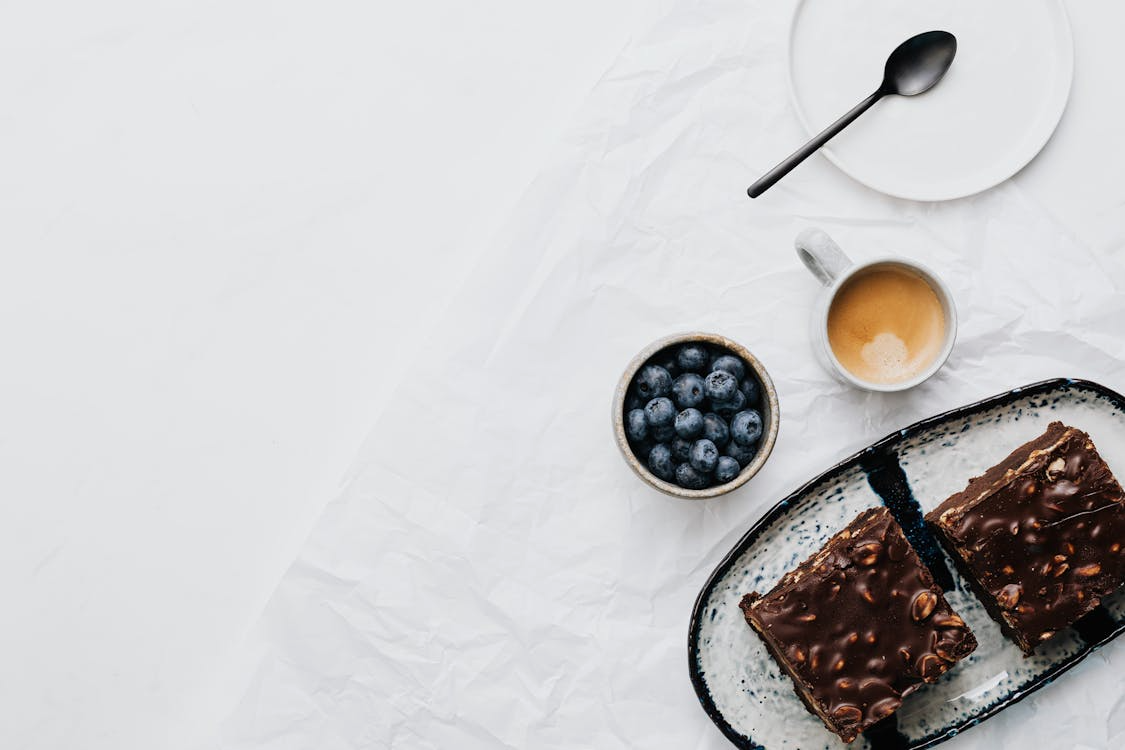
The no-bake layered treat was popularized in Nanaimo, British Columbia, in the mid-20th century. Its structure is part of the charm: a crumbly chocolate-coconut base, a creamy custard-flavored middle, and a glossy chocolate top. Community cookbooks from the region helped spread the recipe and fix its identity in Canadian home baking.
It is rich, nostalgic, and instantly recognizable, which is exactly why its Canadian roots deserve to stay front and center.
California Roll
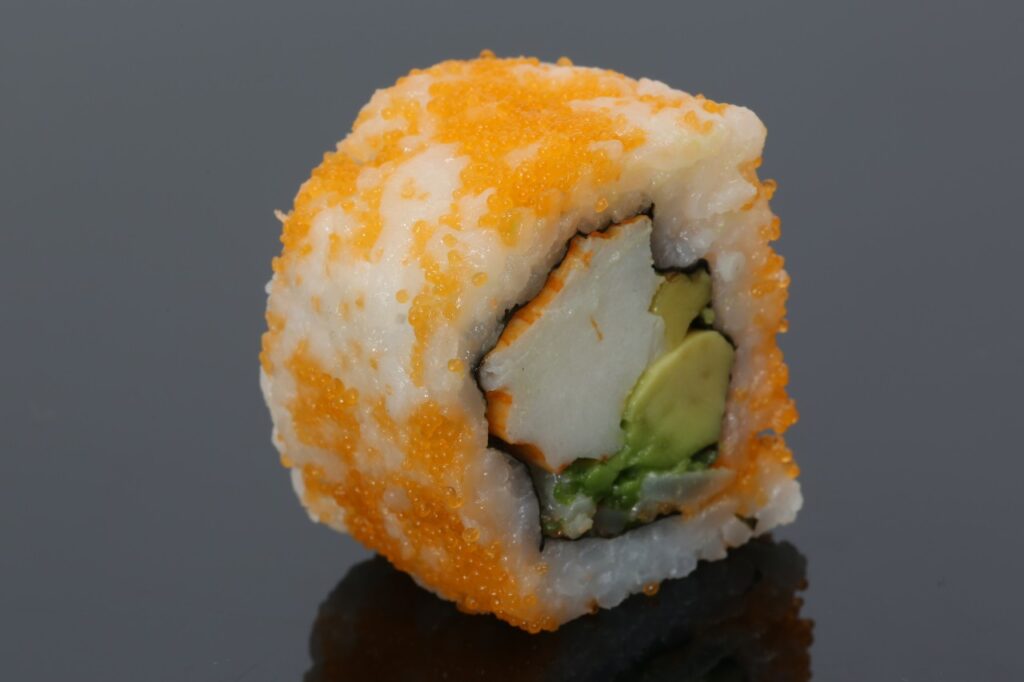
The name sends most people in the wrong direction. Because it became a symbol of American sushi culture, the California roll is often credited to Los Angeles or some broader U.S. dining trend, but a strong body of culinary history points to Vancouver.
Chef Hidekazu Tojo is widely associated with creating the inside-out roll in the 1970s at his Vancouver restaurant. By placing the rice on the outside and using crab and avocado, he made sushi feel more approachable to North American diners who were hesitant about seaweed and raw fish. The style took off fast and crossed the border with ease.
It may wear a U.S. place name, but its most credible origin story starts in Canada.
Peameal Bacon

Americans often fold this into the broader bacon story, but peameal bacon is its own thing, and it is distinctly Canadian. It is especially tied to Toronto, where it became a signature food long before tourists started treating it like a novelty sandwich filling.
Unlike streaky bacon from pork belly, peameal bacon is made from lean pork loin that is wet-cured and then rolled in cornmeal. Historically, it was rolled in ground yellow peas, which is where the name comes from. The product is usually sliced into medallions and griddled, giving it a juicy bite that is very different from crispy strip bacon.
Its fame may travel well, but the tradition belongs firmly to Canada.
Ketchup Chips

The flavor sounds like something invented in a snack-lab dare, yet ketchup chips have long been a normal and beloved part of Canadian grocery aisles. Americans often discover them later and treat them like a quirky variation, but Canada embraced them decades ago.
By the 1970s, major snack brands had helped make ketchup chips a national favorite. Their appeal lies in the sharp mix of tomato, vinegar, salt, and sweetness, all packed into a bright red dust that is impossible to eat neatly. They are not just chips that taste vaguely like ketchup. They are a very specific cultural icon in Canadian snacking.
That messy red fingerprint on the chip world belongs to Canada first.
The Caesar Cocktail
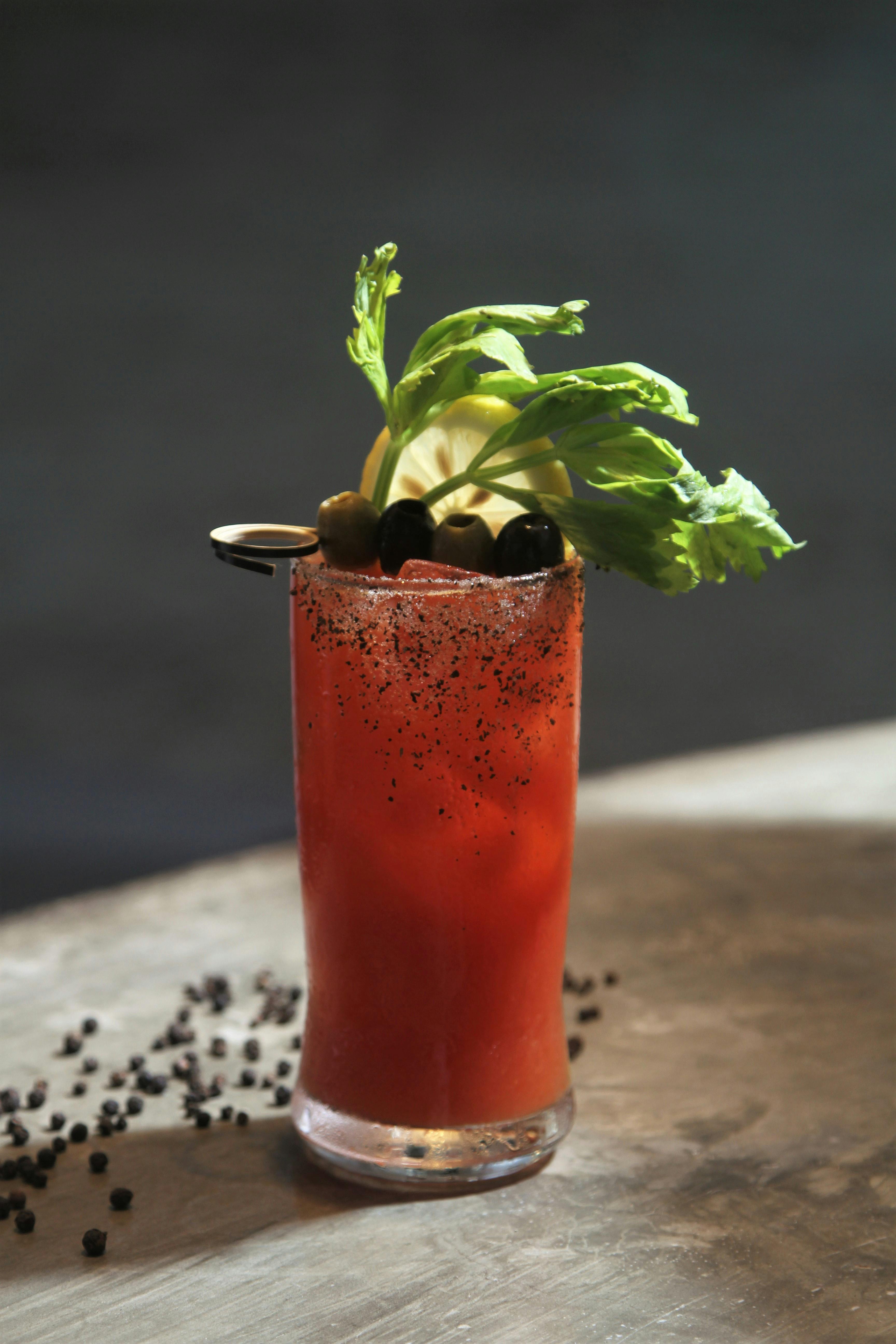
Order a Caesar in Canada and you are getting something very different from a standard Bloody Mary. Outside the country, the drink is often mistaken for an American brunch cousin, but it was invented in Calgary, Alberta, in 1969.
Restaurant manager Walter Chell created the cocktail to mark the opening of a new Italian restaurant at the Calgary Inn. His mix of vodka, Worcestershire sauce, hot sauce, and most importantly Clamato gave the drink its defining savory edge. The inspiration reportedly came from the flavor profile of spaghetti alle vongole, translated into cocktail form.
Today it is a national staple in Canada, and its origin story is not up for debate.
Ginger Beef

This dish is a staple on many North American Chinese restaurant menus, which makes its actual origin easy to blur. Yet ginger beef was created in Calgary, where chefs adapted Chinese cooking techniques to local tastes in a very Canadian way.
It is widely credited to chef George Wong of the Silver Inn, who developed the dish in the 1970s. The formula is memorable: thin strips of beef fried until crisp, then coated in a sweet, spicy, gingery sauce often accented with peppers and onions. It delivered bold flavor and crunch in a way that resonated quickly with local diners.
What many people see as a generic takeout classic is really one of Canada's defining contributions to Chinese North American cuisine.

Leave a Reply